Skincare
•06 min read

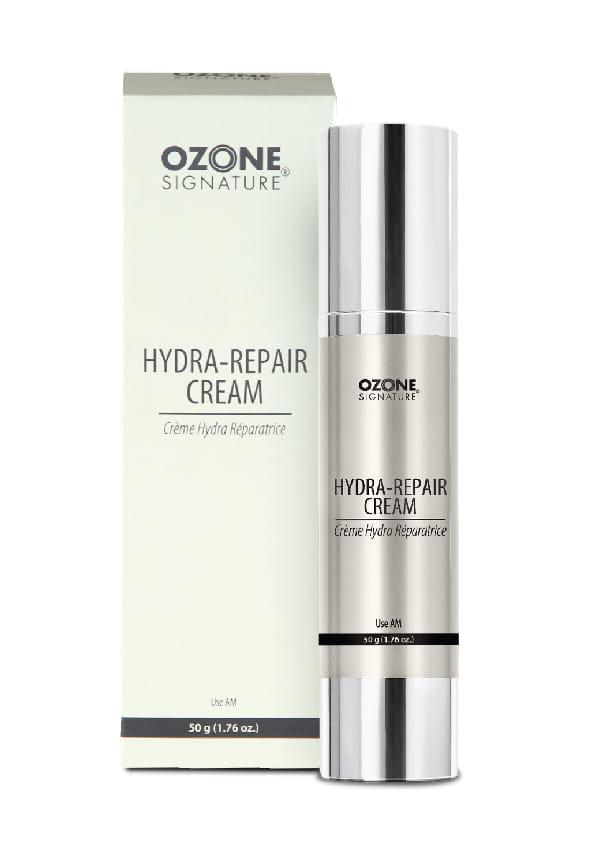 50 ml
50 mlHydra Repair Face Moisturiser Cream
Let's be real—your skin's been sending you signals, and you've been ignoring them. That tight feeling after washing your face? The way your makeup sits funny? The fact that your moisturiser seems to disappear within minutes? Your skin is practically screaming for hydration. But here's the thing: most of us are doing it all wrong. We're confusing thirsty skin with dry skin, slapping on random products, and wondering why nothing works. The good news? Getting your skin hydration sorted isn't rocket science—it just needs the right approach. Whether you're dealing with oily-but-dehydrated skin or proper desert-level dryness, this guide will sort you out with skin hydration tips for all that actually work.
Here's where most people get it twisted—hydration and moisturising aren't the same thing. Think of skin hydration as your skin's water levels, whilst moisturising is about locking that water in. Your skin can be oily but still dehydrated (mind-blown, right?), which is why that expensive moisturiser might not be doing the trick. Your skin barrier is basically your body's bouncer—it decides what gets in and what stays out. When it's functioning properly, it keeps water in your skin cells and nasties out. But when it's compromised (hello, over-cleansing and harsh weather), your skin moisture levels plummet faster than your motivation on a Monday morning.
Dehydrated skin lacks water and feels tight, looks dull, and shows fine lines that weren't there yesterday. Dry skin lacks oil and feels rough, flaky, and might even crack. The plot twist? You can have both at the same time.
Age is a major culprit—as we get older, our skin produces less hyaluronic acid, which is basically nature's moisture magnet. Climate plays its part too; air conditioning, heating, and even that lovely British weather can zap your skin's water content. Then there's lifestyle stuff like not drinking enough water, stress, and using products that strip your skin.
Right, let's get into the good stuff—the skin hydration methods that'll actually make a difference. It's not just about what you put on your face; it's about creating the perfect storm of hydration from inside and out. First up: internal hydration. Yes, drinking water helps, but it's not the magic bullet everyone makes it out to be. Your skin gets water last in the queue, so you need to be strategic. Aim for about 2 litres a day, but also eat water-rich foods like cucumber, watermelon, and leafy greens.
This is where the magic happens. Look for products with humectants (they pull water from the air), emollients (they smooth and soften), and occlusives (they seal everything in). The key is layering them properly—thinnest to thickest consistency.
Get a humidifier for your bedroom—your skin will thank you. Keep your showers lukewarm (hot water strips your skin), and don't forget SPF. UV damage breaks down your skin barrier, making it harder to retain moisture.
Stop over-cleansing. Stop using products with alcohol. Stop thinking expensive means better. And for the love of all things skincare, stop picking at your skin.
Your skin hydration routine should be like a good playlist—it flows, makes sense, and gets better with time. Here's how to structure it for maximum impact. Morning routine starts with a gentle cleanser (if you need one at all—sometimes just water works), followed by a hydrating toner or essence, serum with hyaluronic acid or niacinamide, moisturiser, and SPF. The order matters because you want the lightest products to absorb first.
Nights are when your skin does its repair work, so this is when you can go a bit heavier. Double cleanse if you wear makeup, use a hydrating toner, apply your serums, and finish with a richer moisturiser or face oil.
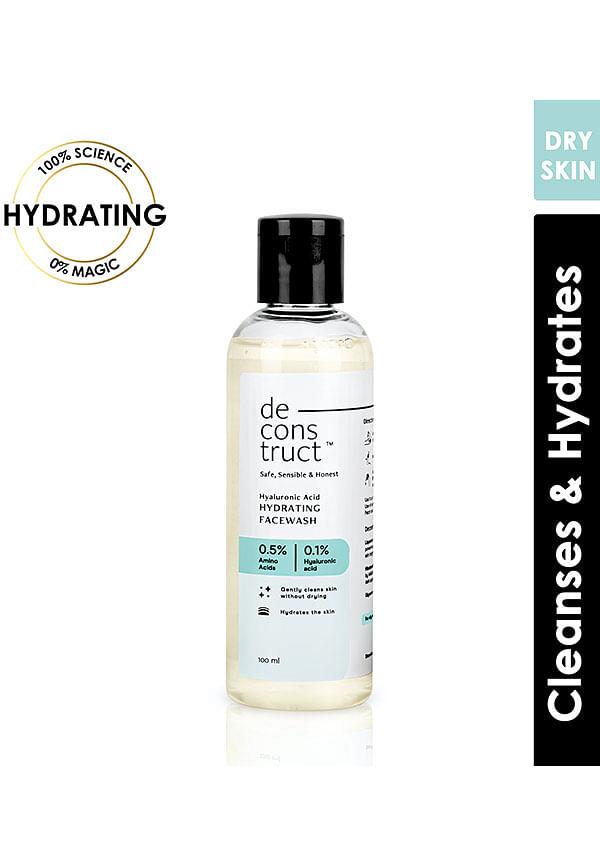 100 ml
Hyaluronic Acid Hydrating Facewash- 0.5% Amino Acids + 0.1% Hyaluronic Acid
Your skin's needs change with the weather. Summer might call for lighter, gel-based products, whilst winter demands richer creams and maybe an extra layer of protection.
Not all skin is created equal, which means your dry skin remedies need to be tailored to your specific situation. Here's how to hydrate skin based on what you're working with. Oily but dehydrated skin is probably the most confusing combination. Your skin overproduces oil to compensate for lack of water, creating a greasy but tight feeling. Stick to lightweight, water-based products and avoid anything that strips your skin.
Sensitive skin needs gentle, fragrance-free formulas. Look for ingredients like ceramides, oatmeal, and allantoin. Patch test everything, and introduce new products one at a time.
As skin ages, it needs more help retaining moisture. Look for products with peptides, retinoids (start slowly), and richer textures. Don't forget your neck and hands—they show age just as much as your face.
Just because you have spots doesn't mean you should skip moisturiser. Look for non-comedogenic, oil-free formulas with ingredients like niacinamide that help with both hydration and breakouts.
Knowing your ingredients is like having a cheat code for best skin hydration. Here are the heavy hitters you should know about. Hyaluronic acid is the superstar—it can hold up to 1,000 times its weight in water. Glycerin is a reliable humectant that works for most skin types. Sodium PCA is naturally found in skin and helps maintain moisture levels.
Ceramides help repair your skin barrier. Squalane is lightweight but effective. Natural oils like jojoba and argan can work wonders, but patch test first.
Petrolatum might sound scary, but it's incredibly effective at preventing water loss. Dimethicone creates a breathable barrier. Shea butter is natural and nourishing.
Niacinamide helps your skin produce more ceramides. Vitamin C protects against environmental damage. Alpha hydroxy acids (used correctly) can actually improve hydration by removing dead skin cells.
Your skin doesn't exist in a vacuum—everything you do affects its hydration levels. Here are the skin hydration tips for all that go beyond skincare products. Diet plays a bigger role than you might think. Omega-3 fatty acids from fish, nuts, and seeds help maintain your skin barrier. Antioxidant-rich foods protect against damage that can compromise hydration.
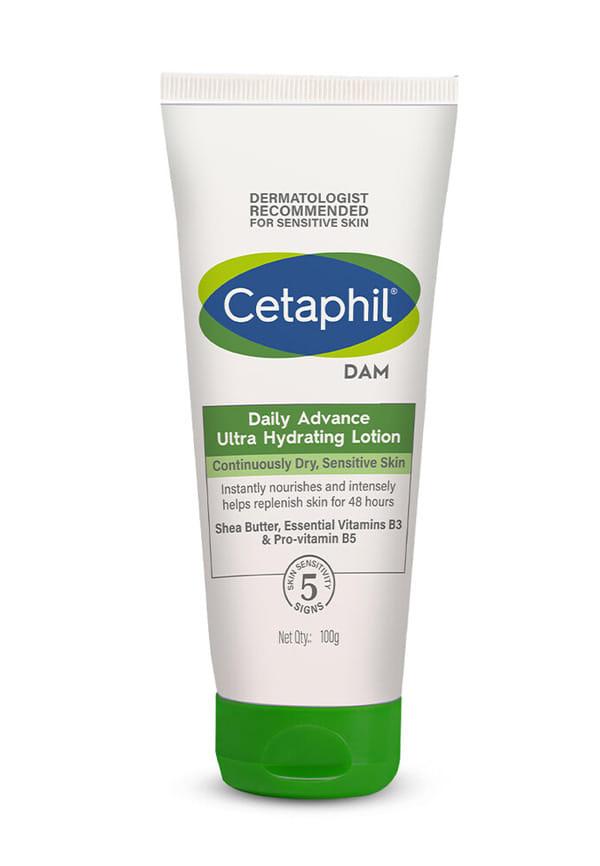 100 gm
Daily Advance Ultra Hydrating Lotion
Your skin repairs itself whilst you sleep, so poor sleep quality directly impacts hydration. Aim for 7-9 hours, and consider a silk pillowcase to reduce friction.
Exercise increases blood flow, which helps deliver nutrients to your skin. Just make sure to cleanse gently afterwards and reapply moisturiser.
Chronic stress increases cortisol, which can break down your skin barrier. Find ways to manage stress—whether that's meditation, yoga, or just having a proper laugh with friends. This is where platforms like Smytten become incredibly valuable. With over 1,500 trusted brands including Cetaphil, Dot & Key, and Love, Beauty & Planet, you can try different hydrating products without committing to full sizes. Getting up to 8 minis for just ₹249 means you can experiment with various moisturising skin products until you find your perfect match.
Aim for about 2 litres daily, but remember that topical hydration is more direct for your skin than internal hydration.
Yes, using too many hydrating products can overwhelm your skin and cause breakouts or irritation. Start slowly and build up.
You might notice immediate plumping effects, but real barrier repair takes about 28 days—one full skin cycle.
Dry skin lacks oil and is a skin type. Dehydrated skin lacks water and is a skin condition that can affect any skin type.
Not necessarily. Many affordable products contain the same effective ingredients. It's about finding what works for your skin, not what costs the most.
Hormonal changes, especially during menstruation, pregnancy, and menopause, can affect oil production and skin barrier function, impacting hydration levels.
Getting your skin properly hydrated isn't about following someone else's routine—it's about understanding your skin's specific needs and responding accordingly. The hydrated skin benefits go way beyond just looking good; properly hydrated skin is healthier, more resilient, and ages better. Remember, consistency beats perfection every time. You don't need a 12-step routine or products that cost more than your monthly groceries. You need the right ingredients, applied in the right order, consistently. And when you're trying to figure out what works for your skin, Smytten's trial platform lets you explore products from trusted brands without the commitment. With 100% cashback on trial minis and delivery across 27,000+ pincodes, you can discover your perfect hydration routine without breaking the bank. After all, why settle for maybe when you can try it all and find what actually works for your skin?
