How to Exfoliate Your Scalp for Buildup Removal

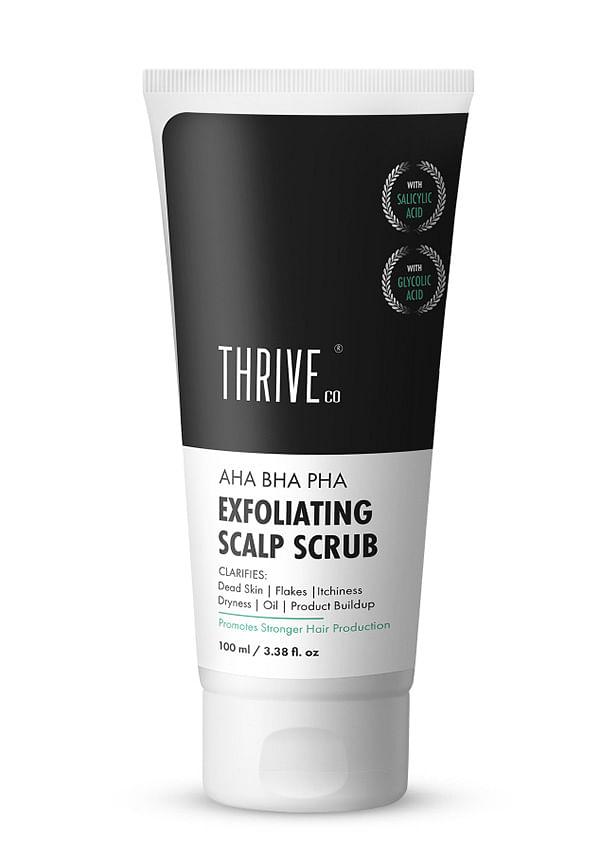
Aha Bha Pha Exfoliating Scalp Scrub
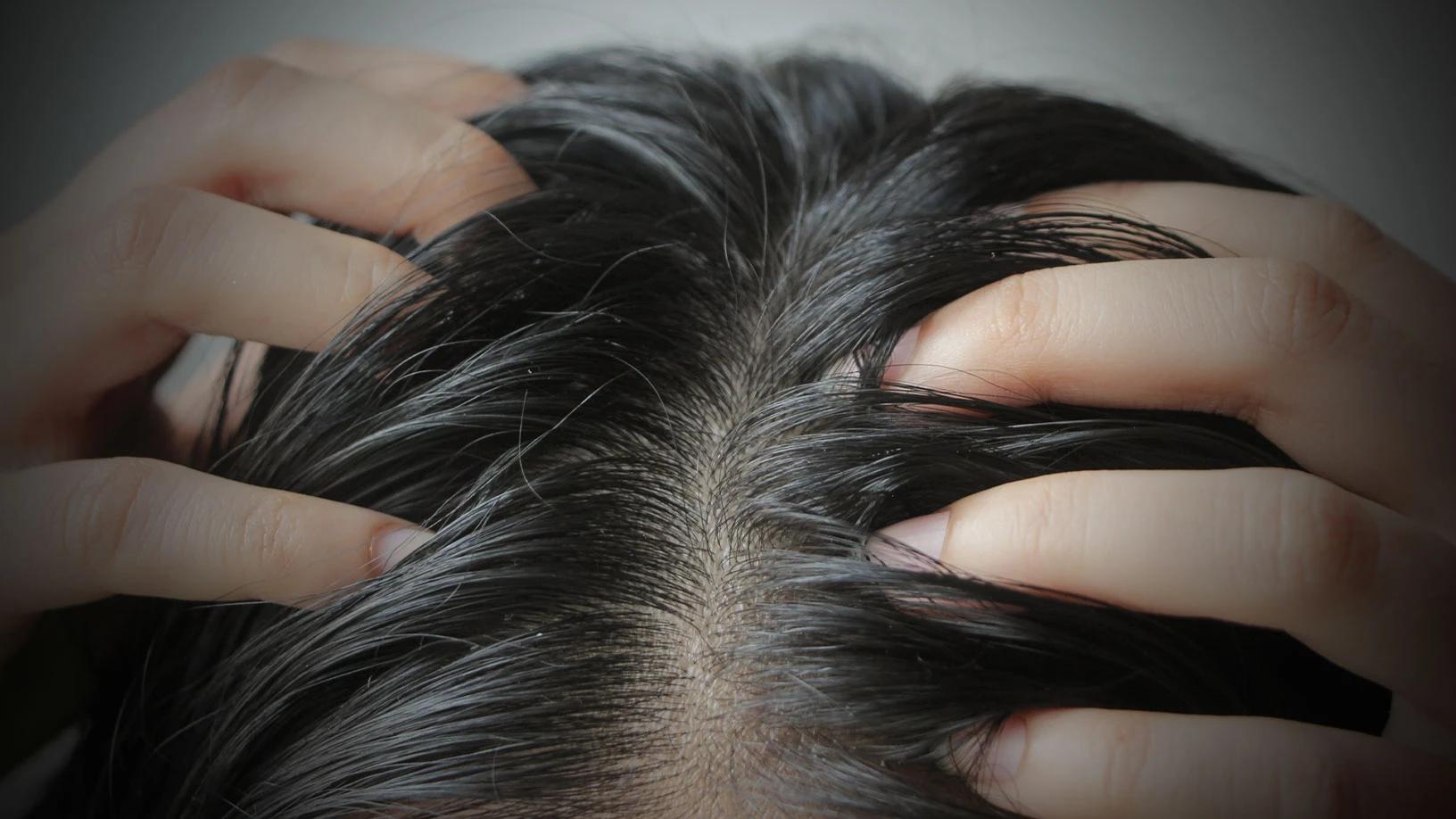
You know that feeling when your hair looks clean but your scalp still feels... off? Like there's something sitting there that your regular shampoo just can't shift? That's buildup talking, and it's more common than you think. Product residue, excess oils, and dead skin cells love to camp out on your scalp, creating a layer that blocks your hair follicles and leaves you with dull, lifeless hair. The good news? Scalp exfoliation for buildup removal is your ticket to a healthier scalp and better hair days ahead.
Scalp exfoliation is basically giving your scalp the same love you give your face—removing dead skin cells, product buildup, and excess oils that regular washing can't tackle. Think of it as a deep clean for your scalp, creating the perfect environment for healthy hair growth.
Your scalp accumulates different types of buildup daily. Styling products like gels, mousses, and dry shampoos create a film over time. Natural sebum production can go into overdrive, especially if you have an oily scalp. Dead skin cells shed naturally but sometimes stick around longer than they should. All of this creates a cocktail that clogs your hair follicles and prevents proper circulation.
Signs you need scalp buildup removal include persistent itchiness even after washing, visible flakes that aren't quite dandruff, hair that feels heavy or greasy soon after washing, and products that don't seem to work as well as they used to. Your scalp might feel tight or uncomfortable, and you might notice your hair looking duller than usual.
There are two main approaches to scalp exfoliation: physical and chemical. Physical exfoliation uses scrubs or brushes to manually remove buildup, whilst chemical exfoliation relies on acids like salicylic acid or glycolic acid to dissolve dead skin cells and product residue. Both methods can be effective, and the choice depends on your scalp sensitivity and personal preference.
Let's get real about what's actually happening up there. Your scalp produces sebum naturally—it's your body's way of keeping your hair moisturised and protected. But when this mixes with styling products, pollution, and dead skin cells, it creates a layer that can seriously mess with your healthy scalp ecosystem.
Common culprits include heavy styling creams, silicone-based products that don't wash out easily, and even some conditioning treatments that build up over time. Hard water can make this worse by leaving mineral deposits that bind with other substances. If you're someone who uses dry shampoo frequently or goes days between washes, you're more likely to experience significant buildup.
When buildup accumulates, it creates a barrier that prevents proper hair follicle cleansing and blocks essential nutrients from reaching your hair roots. This can slow down hair growth, make your hair appear thinner, and even contribute to hair fall. Poor circulation caused by clogged follicles means less oxygen and fewer nutrients reaching your hair, creating a cycle where your hair becomes progressively weaker.
The connection between scalp health and hair growth is stronger than most people realise. A clean, well-exfoliated scalp allows for better blood circulation, which brings nutrients to hair follicles. It also helps maintain the proper pH balance that keeps your scalp's natural protective barrier intact.
Ready to give your scalp the reset it deserves? Here's how to do an exfoliating scalp treatment that actually works without damaging your hair or scalp.
Start with dry hair and gently brush through to remove any tangles. Section your hair into manageable parts—this makes it easier to reach all areas of your scalp. If you're using a scalp scrub, apply it to damp (not soaking wet) hair, as this gives you better control and prevents the product from becoming too diluted.
Use your fingertips, not your nails, to massage the exfoliant into your scalp using small circular motions. Start at your hairline and work your way back, paying extra attention to areas where you typically apply styling products. The key is gentle but firm pressure—you want to stimulate circulation without irritating your scalp.

Intensive Scalp Repair Anti Dandruff Shampoo
Massage for about 3-5 minutes, then let the treatment sit for another 2-3 minutes if you're using a chemical exfoliant. For physical scrubs, rinse immediately after massaging. Most people benefit from scalp exfoliation once or twice a week, but this can vary based on your hair type and lifestyle.
Rinse thoroughly with lukewarm water—hot water can irritate freshly exfoliated skin. Follow with a gentle, sulphate-free shampoo to remove any remaining residue, then condition your hair as usual, focusing on the mid-lengths and ends rather than the scalp.
Sometimes the best solutions are sitting in your kitchen cupboard. These DIY recipes are perfect for a scalp detox that won't break the bank and uses ingredients you can actually pronounce.
Mix 2 tablespoons of brown sugar with 1 tablespoon of melted coconut oil. The sugar provides gentle physical exfoliation whilst coconut oil moisturises and has antimicrobial properties. This combination works brilliantly for most hair types and leaves your scalp feeling soft.
Combine 2 tablespoons of apple cider vinegar with 1 cup of water. This isn't a scrub but rather a chemical exfoliant that helps balance your scalp's pH and dissolve product buildup. The acetic acid in ACV breaks down residue whilst the natural enzymes promote healthy scalp function.
Mix 1 tablespoon of baking soda with enough water to form a paste. This is particularly effective for oily scalps as baking soda helps absorb excess oil and has natural cleansing properties. Use sparingly and not more than once a week, as it can be quite strong.
Combine fine sea salt with a carrier oil like jojoba or olive oil. Sea salt is rich in minerals that can benefit scalp health, and the texture provides excellent exfoliation. This works well for people with oily scalps who need a deeper cleanse.
Whilst DIY treatments are great, sometimes you need something with a bit more oomph. Professional products often contain carefully formulated ingredients that can target specific scalp concerns more effectively than homemade alternatives.
Chemical exfoliants containing salicylic acid or glycolic acid are particularly effective for scalp buildup removal. These ingredients work by dissolving the bonds between dead skin cells and breaking down product residue at a molecular level. They're especially good for people with oily or acne-prone scalps.
Physical exfoliating tools like scalp brushes or silicone massagers can enhance your routine without requiring additional products. These tools help distribute your regular shampoo more effectively whilst providing gentle mechanical exfoliation. Look for brushes with soft, flexible bristles that won't scratch or irritate your scalp.
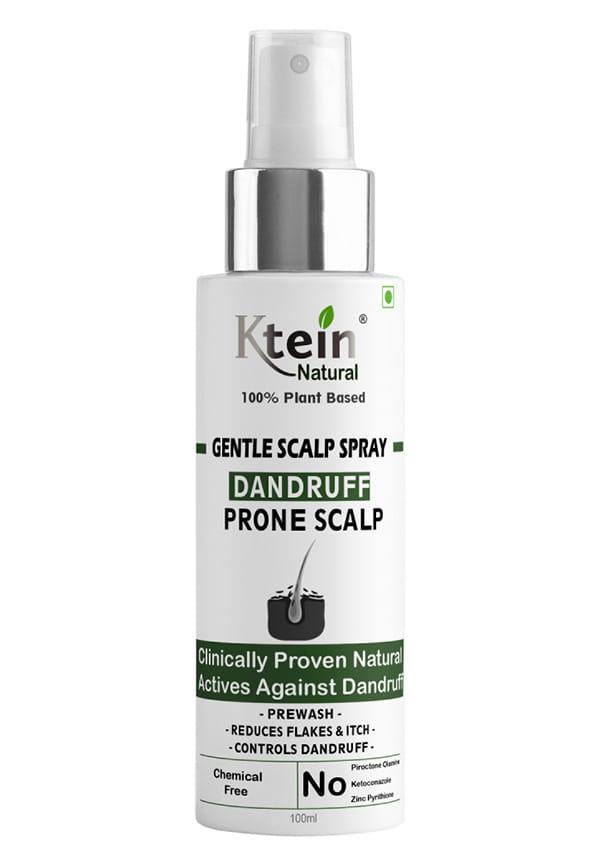
Natural 100% Plant Based Gentle Scalp Spray Dandruff Prone Scalp
Professional salon treatments often combine multiple approaches—chemical exfoliants, steam treatments, and specialised massage techniques. These can be worth the investment if you're dealing with severe buildup or specific scalp conditions, but they're not necessary for regular maintenance.
When choosing products, consider your scalp type and sensitivity level. Oily scalps can typically handle stronger formulations, whilst sensitive or dry scalps need gentler options. Price ranges vary widely, from affordable drugstore options around ₹200-500 to premium treatments that can cost ₹2000 or more.
Not all scalps are created equal, and your exfoliation approach should reflect your specific needs and concerns. Here's how to tailor your routine for maximum effectiveness.
If you're dealing with dandruff, gentle exfoliation can actually help by removing flaky skin and allowing dandruff treatment products to penetrate better. Look for exfoliants containing zinc pyrithione or selenium sulphide, which target the fungal overgrowth that often causes dandruff. Avoid harsh scrubs that might irritate already inflamed skin.
Oily scalps benefit from more frequent exfoliation—up to 2-3 times per week. Focus on ingredients like tea tree oil, which has natural antimicrobial properties, or clay-based treatments that absorb excess oil. Be careful not to over-exfoliate, as this can actually trigger more oil production.
For sensitive scalps, less is definitely more. Stick to gentle, chemical exfoliants rather than physical scrubs, and always patch test new products. Look for soothing ingredients like aloe vera or chamomile, and limit exfoliation to once a week or even less frequently.
Curly hair requires special care during scalp exfoliation. The curved structure of curly hair makes it more fragile, so avoid aggressive scrubbing. Focus the exfoliation on your scalp rather than your hair, and always follow with a deep conditioning treatment to maintain moisture.
Consistency is key when it comes to maintaining a healthy scalp. Your haircare routine should include regular exfoliation as just one part of a comprehensive approach to scalp health.
For most people, weekly scalp exfoliation is sufficient, but this can vary based on your lifestyle and hair type. If you use a lot of styling products or have an oily scalp, you might benefit from twice-weekly sessions. Those with dry or sensitive scalps should start with once every two weeks and adjust as needed.
Integration with your existing routine is crucial. Plan your exfoliation sessions for days when you have time for a thorough hair wash, as you'll want to follow up with proper conditioning. Consider doing scalp treatments on weekends when you can let your hair air dry naturally.
Pre and post-wash scalp massage can enhance the benefits of exfoliation. Spend a few minutes massaging your scalp with your fingertips before applying any products—this stimulates blood flow and helps loosen buildup. After washing, a gentle massage with a few drops of scalp oil can help maintain moisture and promote circulation.
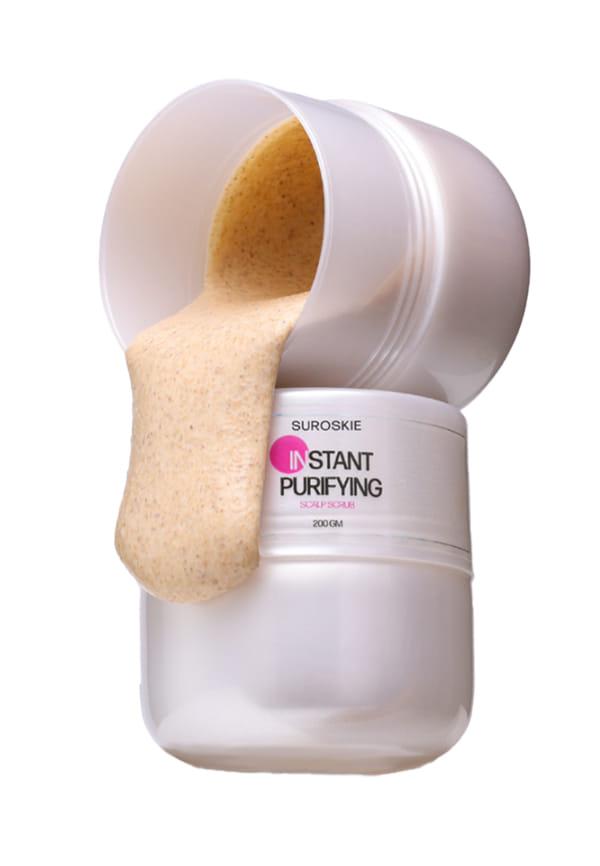
Instant Purifying Scalp Scrub
Seasonal adjustments are important too. You might need more frequent exfoliation in summer when you're sweating more or using more styling products. Winter might call for gentler, more moisturising approaches as the air becomes drier.
Most people benefit from exfoliating their scalp once or twice a week. If you have an oily scalp or use lots of styling products, you might need to exfoliate more frequently. Those with sensitive or dry scalps should start with once every two weeks and adjust based on how their scalp responds.
Yes, regular scalp exfoliation can support healthy hair growth by removing buildup that blocks hair follicles and improving circulation to the scalp. When follicles are clean and circulation is good, hair can grow more effectively. However, exfoliation alone won't solve genetic hair loss or other medical conditions affecting hair growth.
A brown sugar and coconut oil scrub works well for most people. Mix 2 tablespoons of brown sugar with 1 tablespoon of melted coconut oil. The sugar provides gentle exfoliation whilst the coconut oil moisturises. For oily scalps, try adding a few drops of tea tree oil for extra cleansing power.
Gentle exfoliation can actually help with dandruff by removing flaky skin and allowing treatment products to work better. However, avoid harsh scrubs that might irritate inflamed skin. Stick to chemical exfoliants or very gentle physical exfoliation, and always follow up with a moisturising treatment.
Signs of over-exfoliation include increased sensitivity, redness, excessive dryness, or ironically, increased oil production as your scalp tries to compensate. If you notice any of these symptoms, reduce the frequency of exfoliation and switch to gentler products.
It's not recommended to use body scrubs on your scalp. Body scrubs are typically too harsh for the delicate skin on your scalp and may contain ingredients that aren't suitable for hair. Stick to products specifically formulated for scalp use or make your own gentle scrub at home.
Getting your scalp exfoliation routine right is a game-changer for overall hair health. When you remove buildup regularly, you create the perfect environment for your hair to thrive—better circulation, cleaner follicles, and improved product absorption. The key is finding the right balance for your specific scalp type and lifestyle.
Remember that consistency matters more than intensity. A gentle weekly routine will give you better results than sporadic aggressive treatments that might irritate your scalp. Pay attention to how your scalp responds and adjust your approach accordingly.
Whether you choose DIY treatments or professional products, the goal is the same: a clean, healthy scalp that supports strong, beautiful hair. With the right approach to scalp exfoliation for buildup removal, you'll notice the difference not just in how your scalp feels, but in how your hair looks and behaves too. Your future self (and your hair) will definitely thank you for making this a regular part of your routine. Not sure which scalp treatment format works best for you? Smytten also offers trial-size versions of many professional scalp care products—a smart way to test different formulations before committing to full-size bottles.
