
Skincare
•08 min read

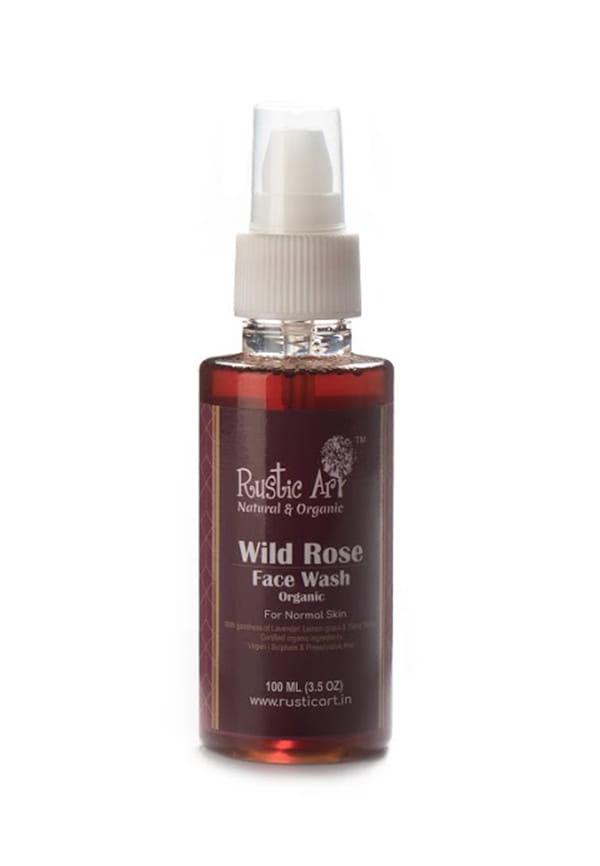 100 ml
Organic Wild Rose Face Wash
Let's be real—the natural skincare world can feel like a maze. One minute you're reading about miracle plant extracts, the next you're wondering if that "clean" face wash is actually doing anything for your skin. The shift towards natural skincare isn't just a trend; it's a movement towards understanding what we put on our bodies. But here's the thing: not all natural products are created equal, and finding ones that actually work requires a bit of know-how. Whether you're completely new to clean beauty or looking to refine your current routine, discovering natural skincare that delivers results is totally doable when you know what to look for.
Natural skincare gets thrown around a lot, but what does it actually mean? At its core, natural skincare uses ingredients derived from nature—think plants, minerals, and naturally occurring compounds. But here's where it gets interesting: natural, organic, and clean beauty aren't the same thing, though they often overlap. Organic skincare takes it a step further by ensuring ingredients are grown without synthetic pesticides, fertilisers, or GMOs. Meanwhile, clean beauty focuses on formulations free from potentially harmful chemicals, regardless of whether ingredients are natural or synthetic. It's like the difference between a homegrown tomato, an organic certified tomato, and a tomato that's simply pesticide-free.
Plant-based skincare brings some serious advantages to the table. These ingredients often contain antioxidants, vitamins, and natural compounds that work synergistically with your skin. Think of how aloe vera naturally soothes irritation or how rosehip oil delivers vitamin C in a gentle, bioavailable form.
Here's a reality check: natural doesn't automatically mean gentle. Essential oils, for instance, can be incredibly potent and may cause reactions in sensitive skin. Similarly, just because something is natural doesn't mean it's automatically better than a well-formulated synthetic ingredient. The key is understanding what works for your unique skin needs.
Before you dive into discovering new natural skincare products, you need to understand your skin's personality. Your skin health depends on choosing products that complement, not fight against, your natural skin type. Start with a simple at-home assessment. Cleanse your face with a gentle cleanser, pat dry, and wait about an hour without applying any products. Now, observe: Does your skin feel tight and look flaky? You're likely dealing with dry skin. Is there shine across your T-zone and cheeks? Oily skin it is. Combination skin shows oiliness in the T-zone but feels normal or dry elsewhere. If your skin reacts easily to new products or environmental changes, sensitivity might be your main concern.
Your skin isn't static—it changes with seasons, hormones, stress levels, and age. What works in humid summer months might leave your skin parched in winter. Building flexibility into your skincare routine means being ready to adjust products as your skin's needs evolve.
If you're dealing with persistent issues like acne, rosacea, or unexplained reactions, a dermatologist can provide insights that no amount of online research can match. They can help you understand underlying skin conditions that might influence your natural skincare choices.
Now for the fun part—ingredients that actually deliver results. When you're exploring plant-based skincare, certain ingredients have proven track records for effectiveness. Hyaluronic acid (yes, it can be naturally derived!) holds up to 1,000 times its weight in water, making it a hydration powerhouse. Niacinamide from vitamin B3 helps regulate oil production and minimises pores. Vitamin C from sources like kakadu plum or acerola cherry brightens skin and fights environmental damage.
Green tea extract brings antioxidants and anti-inflammatory properties. Centella asiatica (also known as cica) soothes irritated skin and supports healing. Bakuchiol, often called "nature's retinol," provides anti-ageing benefits without the sensitivity that traditional retinol can cause.
Ingredients are listed in descending order of concentration, so the first five ingredients make up the bulk of your product. Look for active ingredients in the first half of the list—if that miracle botanical is listed last, there's probably not enough to make a difference.
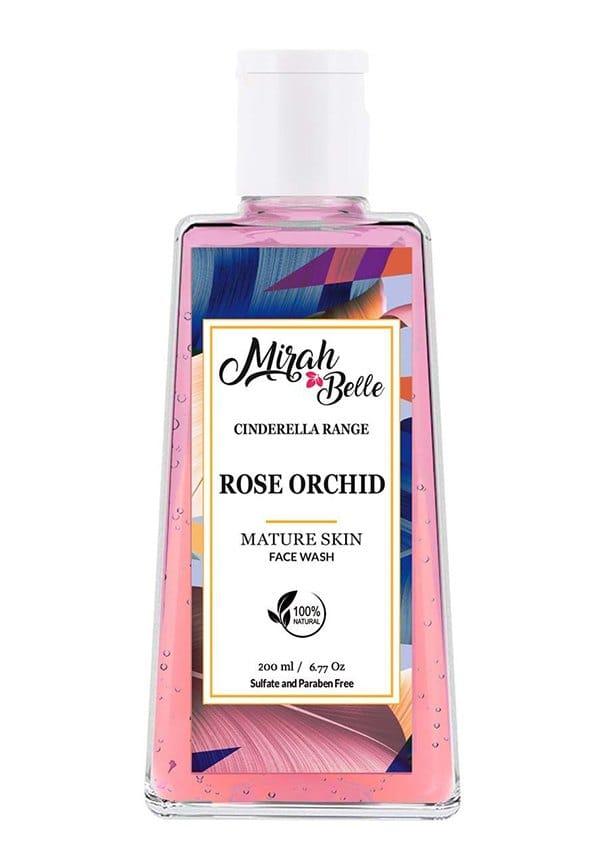 200 ml
Rose - Orchid Mature Skin Face Wash
Building a truly non-toxic skincare routine means knowing what to avoid. Some ingredients have raised concerns among dermatologists and researchers, though it's worth noting that "the dose makes the poison"—small amounts of certain ingredients might be perfectly safe for most people. Parabens, while effective preservatives, have been linked to hormone disruption in some studies. Sulfates can be overly stripping, especially for dry or sensitive skin. Synthetic fragrances often contain phthalates, which some prefer to avoid. Formaldehyde-releasing preservatives like DMDM hydantoin can cause contact dermatitis in sensitive individuals.
Not every product claiming to be natural actually is. Look for specific certifications like COSMOS, ECOCERT, or USDA Organic rather than vague terms like "naturally inspired." True eco-friendly skincare brands are transparent about their ingredient sourcing and manufacturing processes.
Certifications from recognised bodies provide third-party verification of claims. COSMOS Natural and COSMOS Organic have strict standards for ingredient percentages and processing methods. The Environmental Working Group (EWG) Verified mark indicates products meet their strict health standards.
Creating an effective natural skincare routine doesn't require a dozen products—it requires the right products used consistently. Start with the basics: cleanser, moisturiser, and SPF for daytime. Morning routines should focus on protection and hydration. Begin with a gentle cleanser to remove overnight buildup, follow with a vitamin C serum for antioxidant protection, moisturise, and always finish with broad-spectrum SPF. Evening routines can be more treatment-focused, incorporating ingredients like retinol alternatives or exfoliating acids.
Product order matters for maximum absorption and effectiveness. Apply products from thinnest to thickest consistency: toner, serums, moisturiser, then oils if you use them. Wait a few minutes between layers to allow proper absorption.
Even natural ingredients can cause reactions. Test new products on a small patch of skin (behind your ear or on your inner wrist) for 24-48 hours before applying to your face. This simple step can save you from a full-face reaction.
Switching to natural skincare doesn't have to happen overnight. Replace products as they run out, starting with cleansers and moisturisers before moving to treatment products. This gradual approach helps your skin adjust and makes it easier to identify any products that don't work for you.
Discovering new natural skincare brands requires a mix of research and smart shopping strategies. Start by identifying your must-have ingredients and non-negotiables, then research brands that align with your values and skin needs. Look for brands that are transparent about their ingredient sourcing, manufacturing processes, and testing methods. Check if they provide detailed ingredient lists and explain the purpose of each component. Authentic natural skincare brands often share the story behind their formulations and ingredient choices.
Trying before committing to full-size products is crucial when exploring natural skincare. Many brands offer sample sizes or discovery sets that let you test multiple products without the investment. This approach is particularly valuable since natural skincare can vary significantly in how it performs on different skin types. Platforms like Smytten make this exploration process incredibly accessible, offering curated trial packs from over 1,500 trusted brands including clean beauty favourites. With trial minis available for just ₹249 for up to 8 products, plus 100% cashback redeemable for future purchases, you can discover what works for your skin without the usual financial risk.
Online communities, beauty forums, and expert reviews can provide valuable insights into how products perform in real-world conditions. Look for reviewers with similar skin types and concerns to yours. Remember that what works amazingly for someone else might not work for you—skin is incredibly individual.
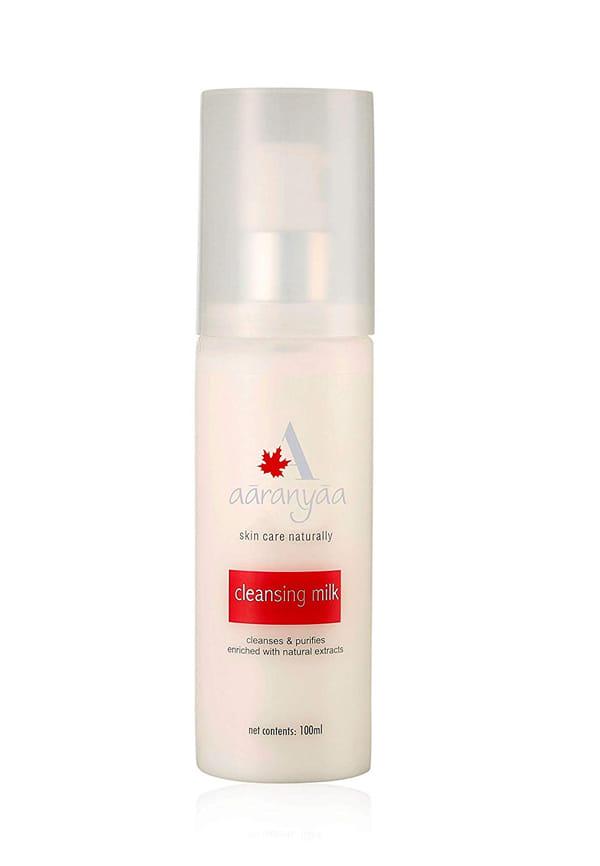 100 ml
Cleansing Milk - Natural Extracts
Switching to natural skincare isn't always smooth sailing. Understanding common challenges can help you navigate the transition more successfully and maintain realistic expectations about results. One common experience is "purging," where your skin temporarily breaks out as it adjusts to new active ingredients. This typically happens with exfoliating ingredients and usually resolves within 4-6 weeks. However, if you experience persistent irritation, redness, or worsening skin condition, discontinue use and consider consulting a dermatologist.
Natural skincare often works more gradually than conventional products with high concentrations of synthetic actives. While some benefits like improved hydration might be noticeable within days, significant changes in skin texture, tone, or acne typically take 6-12 weeks of consistent use.
If natural skincare isn't delivering the results you want, consider whether you're using the right products for your skin type, applying them correctly, or giving them enough time to work. Sometimes, combining natural products with professional treatments or targeted conventional ingredients provides the best results.
Most people notice initial improvements in hydration and skin feel within 1-2 weeks. Significant changes in skin texture, tone, or specific concerns typically take 6-12 weeks of consistent use. Natural ingredients often work more gradually than synthetic alternatives, but the results tend to be gentler and more sustainable.
Natural doesn't automatically mean gentle. Some natural ingredients like essential oils or fruit acids can be quite potent. However, many natural ingredients like aloe vera, oatmeal, and chamomile are particularly soothing for sensitive skin. Always patch test new products regardless of their natural status.
Absolutely! Many natural ingredients have been scientifically proven to be highly effective. Ingredients like vitamin C, niacinamide, and hyaluronic acid can be naturally derived and work just as well as their synthetic counterparts. The key is choosing well-formulated products with appropriate concentrations of active ingredients.
Natural skincare ranges from budget-friendly to luxury pricing. A basic routine (cleanser, moisturiser, SPF) can cost anywhere from ₹1,500 to ₹5,000 monthly, depending on the brands you choose. Trial sizes and sample programs can help you find effective products within your budget before committing to full sizes.
Natural skincare uses ingredients derived from nature. Organic skincare uses ingredients grown without synthetic pesticides or fertilisers, often requiring certification. Clean beauty focuses on formulations free from potentially harmful chemicals, regardless of whether ingredients are natural or synthetic. Products can be one, two, or all three categories.
Positive signs include improved skin texture, reduced irritation, better hydration, and gradual improvement in specific concerns like dark spots or fine lines. Your skin should feel comfortable and look healthy. If you experience persistent irritation, increased breakouts beyond the initial purging period, or worsening of existing skin conditions, the product likely isn't right for you.
Discovering natural skincare that actually works is a journey of understanding your skin, researching ingredients, and finding the right products through smart sampling strategies. The key is approaching it with patience, realistic expectations, and a willingness to experiment safely. Remember that effective skincare—natural or otherwise—is highly individual. What works brilliantly for your friend might not suit your skin type or concerns. The beauty of natural skincare lies in its diversity of ingredients and formulations, offering options for virtually every skin need when you know how to navigate the choices. With platforms that make product discovery accessible and affordable, there's never been a better time to explore natural skincare options. The combination of trial sizes, expert curation, and the ability to test multiple products without significant financial commitment removes many traditional barriers to finding your perfect natural skincare routine. After all, why settle for products that don't quite work when you can discover exactly what your skin loves?
