How to Differentiate Pigmentation vs Dark Spots for Clearer Skin

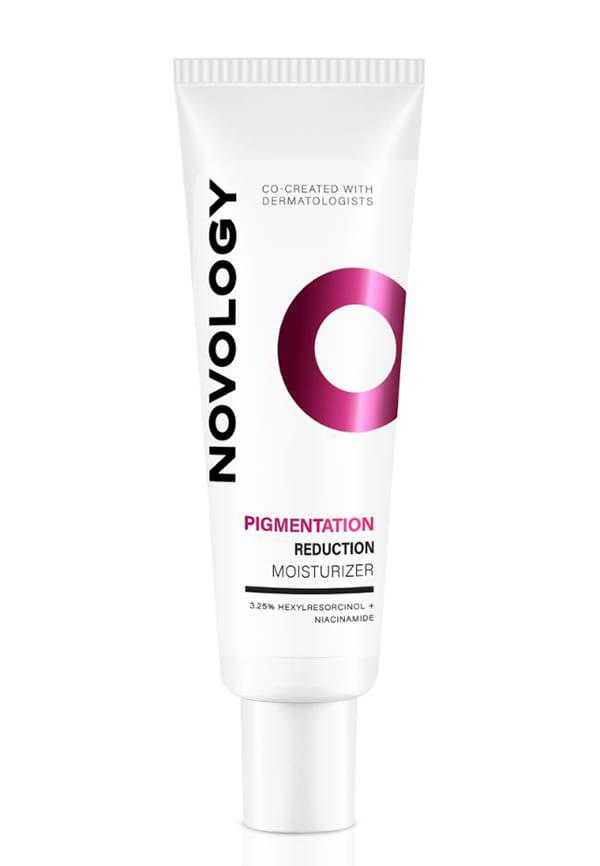 50 g
50 gPigmentation Moisturiser, Face Cream for Hyperpigmentation & Dark Spots
Ever stared at your reflection wondering whether those marks on your face are pigmentation or dark spots? You're not alone in this confusion. While these terms get thrown around interchangeably in skincare conversations, understanding the difference between pigmentation vs dark spots is crucial for choosing the right treatment approach. Let's break down what sets them apart and how you can tackle uneven skin tone effectively.
Real talk—the skincare world loves its jargon, but when it comes to pigmentation vs dark spots, the distinction actually matters for your treatment strategy. Think of it this way: all dark spots are a form of pigmentation, but not all pigmentation shows up as spots.
Hyperpigmentation is the umbrella term for any area where your skin produces excess melanin. This broad category covers everything from large patches of uneven skin tone to tiny freckles scattered across your cheeks.
Key characteristics include:
Affects varying sizes of skin areas
Can appear as patches, streaks, or widespread discoloration
Results from overactive melanin production
May cover large portions of your face or body
Dark spots, on the other hand, are specific, localised areas of skin discoloration. These are typically small, well-defined patches that stand out against your natural skin tone.
Distinct features include:
Small, concentrated areas of discoloration
Usually round or oval-shaped
Clearly defined borders
Often result from specific triggers like acne or sun damage
The main differences lie in their appearance and behaviour. Hyperpigmentation tends to be more diffuse and can blend into surrounding skin, while dark spots are distinct and isolated. Treatment responses also vary—dark spots often respond faster to targeted treatments, whilst broader pigmentation issues may require more comprehensive approaches.
Not all types of pigmentation are created equal. Each type has its own personality, triggers, and treatment preferences. Understanding which type you're dealing with helps you choose the most effective approach.
Melasma is the drama queen of pigmentation issues. It typically appears as symmetrical brown or grey patches on your face, often triggered by hormonal changes during pregnancy or from birth control pills.
Characteristics:
Butterfly-shaped patterns across cheeks and forehead
Triggered by hormonal fluctuations
Worsens with sun exposure
Can fade after pregnancy but may persist
This is what happens when your skin holds grudges. After acne, cuts, or any inflammation, some skin types develop dark marks that linger long after the original issue has healed.
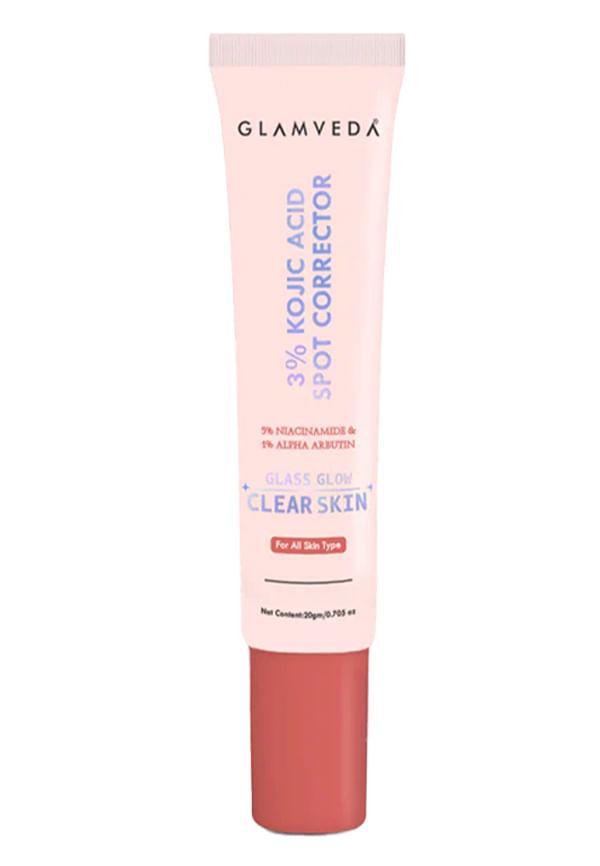 20g
20g3% Kojic Acid Spot Corrector Gel Reduces Acne Scars & Dark Spots
Common features:
Appears where previous breakouts or injuries occurred
More common in darker skin tones
Can range from light brown to deep purple
Usually fades over time but can take months or years
Age spots and sun spots are basically your skin's way of keeping a UV damage diary. These flat, brown spots typically appear on areas that get the most sun exposure—face, hands, shoulders, and arms.
Identifying features:
Flat, well-defined brown spots
Appear on sun-exposed areas
More common after age 40
Uniform colour and smooth texture
Some pigmentation issues are written in your DNA. These include conditions like café-au-lait spots or other inherited melanin irregularities that you're born with or develop early in life.
Understanding the causes of dark spots and broader pigmentation helps you prevent future issues whilst treating existing ones. Let's dive into what triggers your skin to go into melanin overdrive.
UV rays are the biggest culprit behind most pigmentation issues. When your skin detects UV damage, it ramps up melanin production as a protective mechanism—but sometimes it goes overboard.
How it works:
UV rays trigger melanocyte cells to produce more melanin
Damage accumulates over years of exposure
Even brief, intense exposure can trigger dark spots
Different skin types respond differently to UV exposure
Hormones can turn your melanin production into a bit of a wild card. Pregnancy, birth control, and even thyroid issues can trigger pigmentation changes that seem to appear overnight.
Your skin's inflammatory response is meant to heal and protect, but sometimes it leaves behind unwanted souvenirs in the form of dark marks. This is especially common after acne breakouts or skin injuries.
As we age, our skin's ability to repair itself slows down, and years of environmental damage start showing up as various forms of pigmentation. It's like your skin's way of keeping score.
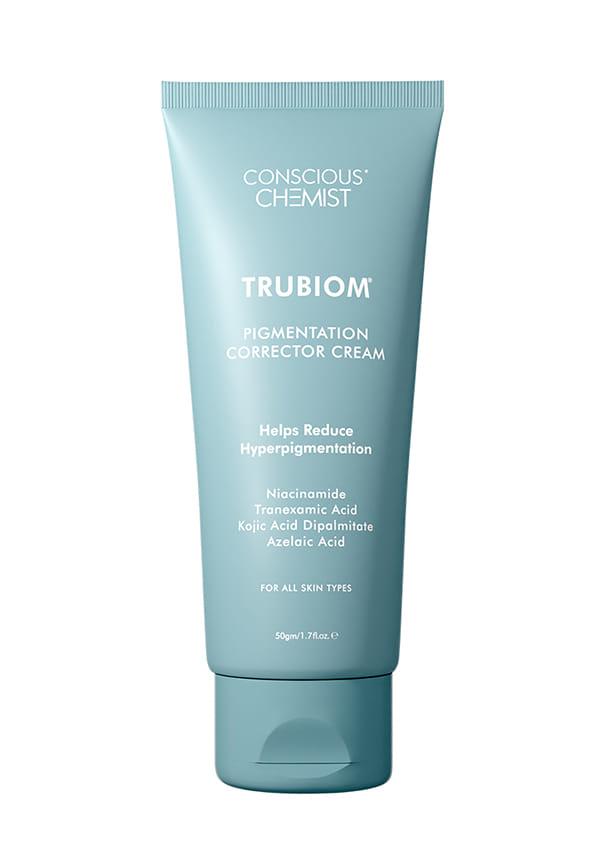 50gm
50gmPigmentation Corrector Moisturiser For Dark Spots
Whilst many pigmentation issues are harmless, some changes warrant professional attention. Knowing when to seek expert help can save you time, money, and potentially catch serious issues early.
Not all skin changes are benign. Watch out for spots that change rapidly in size, colour, or texture, develop irregular borders, or start bleeding or itching.
Dermatologists use specialised tools like Wood's lamps and dermoscopy to examine pigmentation more closely. These tools can reveal details invisible to the naked eye and help determine the best treatment approach.
A good dermatologist will assess your skin type, lifestyle factors, and treatment goals before recommending a course of action. This personalised approach is crucial for effective hyperpigmentation treatment.
Now for the good stuff—how to actually tackle these pigmentation issues. The key is matching the right treatment to your specific type of pigmentation for the best results.
Your skincare routine is your first line of defence against pigmentation. Certain ingredients have proven track records for dark spot removal and preventing new discoloration.
Vitamin C is your brightening bestie. This antioxidant powerhouse not only helps fade existing spots but also prevents new ones from forming by neutralising free radicals.
Kojic Acid and Alpha Arbutin work by inhibiting tyrosinase, the enzyme responsible for melanin production. They're gentler alternatives to hydroquinone and work well for sensitive skin.
Retinoids speed up cell turnover, helping pigmented cells shed faster whilst promoting the growth of new, evenly-toned skin cells.
Azelaic Acid is a multi-tasker that tackles pigmentation whilst also fighting acne and reducing inflammation—perfect for post-inflammatory hyperpigmentation.
Glycolic and Salicylic Acid provide gentle exfoliation, helping remove the top layer of pigmented skin cells and allowing other treatments to penetrate better.
For stubborn pigmentation that doesn't respond to topical treatments, professional procedures can provide more dramatic results. Chemical peels, laser therapy, and IPL treatments can target deeper layers of pigmentation.
The most effective approach often combines multiple treatments. This might mean using a vitamin C serum in the morning, a retinoid at night, and getting periodic professional treatments.
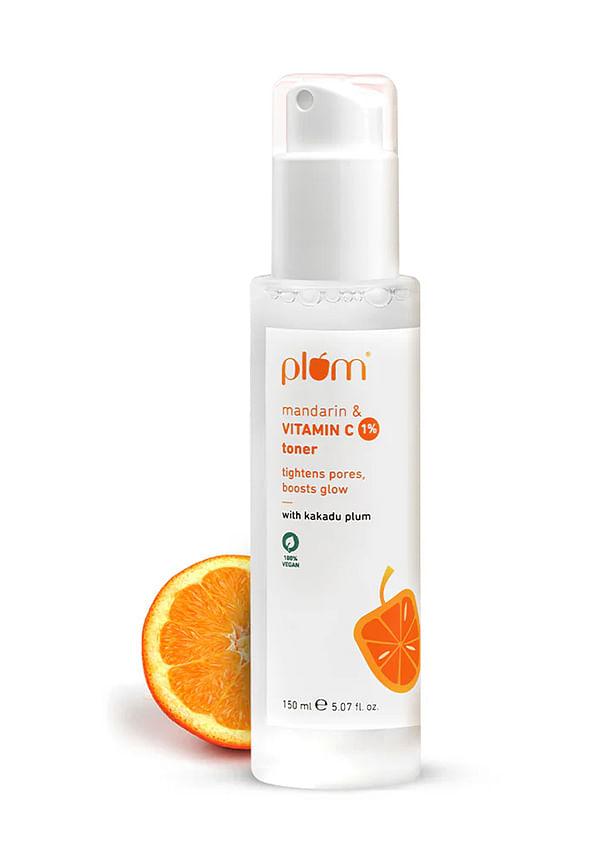 150 ml
1% Vitamin C Toner with Mandarin & Kakadu | Reduces Dark Spots
Prevention is always easier than treatment when it comes to pigmentation. Building good habits now can save you from dealing with more extensive skin discoloration later.
This cannot be overstated—sunscreen is your non-negotiable daily essential. Choose a broad-spectrum SPF 30 or higher and reapply every two hours when you're outdoors.
Avoid aggressive scrubbing or picking at your skin, as this can trigger post-inflammatory hyperpigmentation. Gentle, consistent care is more effective than harsh treatments.
Your diet, stress levels, and sleep quality all impact your skin's health and its ability to repair itself. A holistic approach to skincare includes taking care of your overall wellbeing.
When it comes to finding the right products for your pigmentation concerns, platforms like Smytten make it easier to discover what works for your skin without the commitment of full-size purchases. With curated trial packs from trusted brands, you can test different approaches to find your perfect match before investing in full-size products.
Not exactly. Dark spots are a specific type of pigmentation characterised by small, localised areas of discoloration. Pigmentation is a broader term that includes dark spots but also covers larger patches and different types of skin discoloration.
The best treatment depends on the type and severity of your pigmentation. Vitamin C and retinoids are excellent starting points for most people, whilst stubborn spots might require professional treatments like chemical peels or laser therapy.
Most topical treatments require 8-12 weeks of consistent use before you see significant improvement. Professional treatments may show results faster, typically within 4-6 weeks, but multiple sessions are often needed.
Yes, pigmentation can return if the underlying triggers aren't addressed. This is why sun protection and maintenance skincare routines are crucial for long-term results.
Some combinations work well together, whilst others can cause irritation. It's best to introduce new treatments gradually and consider consulting a dermatologist for a personalised routine.
Understanding the difference between pigmentation vs dark spots is your first step towards clearer, more even-toned skin. Whether you're dealing with hormonal melasma, stubborn age spots, or post-acne marks, the right combination of prevention, targeted treatments, and patience can help you achieve the results you're looking for.
Remember, skincare is deeply personal—what works for your friend might not work for you. That's where platforms like Smytten become invaluable, offering you the chance to try products from over 1,500 trusted brands before committing to full sizes. With trial packs available for just ₹249 and 100% cashback on your trials, you can explore different pigmentation treatments without the financial risk. After all, why settle for 'maybe' when you can Try It All and find what truly works for your unique skin needs?
