How to Differentiate Contact Dermatitis vs. Skin Irritation in India
-a7a13055-9597-4622-8606-6985b15f0fc1.webp&w=3840&q=75)

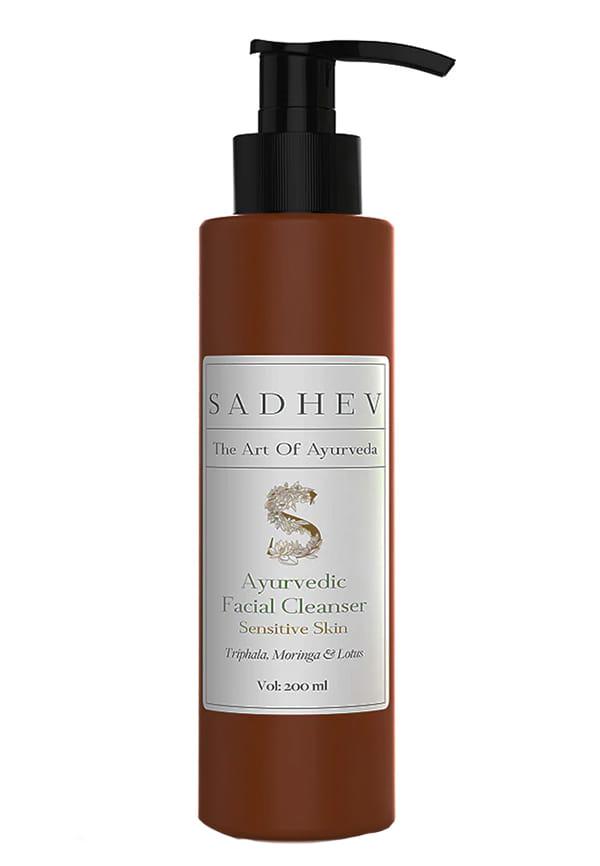
Ayurvedic Facial Cleanser Sensitive Skin
That sudden red, itchy patch on your wrist after wearing a new watch. The burning sensation on your face after trying a different face wash. Sound familiar? If you've ever wondered whether you're dealing with contact dermatitis or just regular skin irritation, you're not alone. In India's diverse climate and with our rich tradition of skincare ingredients, distinguishing between these two conditions can be particularly tricky. Let's break down the key differences so you can respond appropriately and get your skin back to feeling comfortable.
The main difference lies in how your skin reacts and why. Contact dermatitis is your immune system's overreaction to a substance it perceives as harmful, whilst regular skin irritation is simply your skin's immediate response to something harsh or abrasive. Think of it this way: contact dermatitis is like your skin holding a grudge, whilst irritation is more like a quick "ouch" that fades relatively fast.
Contact dermatitis comes in two main types. Allergic contact dermatitis happens when your immune system develops a sensitivity to a specific substance - perhaps nickel in jewellery or a fragrance in your moisturiser. This can take 24 to 72 hours to appear after contact. Irritant contact dermatitis, on the other hand, occurs when something directly damages your skin barrier - like harsh soaps or cleaning chemicals - and usually shows up immediately or within hours.
Regular skin irritation is typically milder and shorter-lived. It might happen when you use a new exfoliant that's too strong, spend too long in chlorinated water, or when the AC dries out your skin during Delhi's scorching summers. The key difference? Irritation usually calms down once you remove the trigger and give your skin some TLC.
Understanding this distinction matters because the treatments are quite different. Misidentifying the condition could mean you're treating symptoms rather than addressing the root cause, potentially prolonging your discomfort.
Recognising the visual cues can help you determine what you're dealing with. Contact dermatitis tends to follow specific patterns that tell a story about what triggered it. The location often gives away the culprit - think wrist rashes from watch straps or facial reactions from new skincare products.
Look for well-defined patches that match exactly where you've had contact with a potential allergen. The skin rash might appear as red, swollen areas with small blisters or bumps. On darker skin tones common in India, you might notice darker or lighter patches rather than obvious redness. The affected area often feels intensely itchy, and you might see some oozing or crusting if blisters break.
Timing is crucial here. If symptoms appeared 1-3 days after using something new, that's classic allergic contact dermatitis behaviour. The rash typically has sharp borders and doesn't spread beyond the contact area initially, though scratching can extend it.
Regular irritation tends to be more immediate and less dramatic. You'll see general redness, mild swelling, or a burning sensation that appears within minutes to hours of contact. The affected area might feel tight, dry, or slightly stinging, but it rarely develops the intense itching or blistering seen in contact dermatitis.
The good news? This type of reaction usually starts improving within hours of removing the irritant and applying gentle care. Think of how your skin feels after a too-hot shower - uncomfortable but manageable, and it settles down fairly quickly.
Understanding the different types of dermatitis helps you identify patterns and potential triggers. Each type has its own personality, if you will, and recognising these can guide your response and prevention strategies.
This is your immune system's way of saying "absolutely not" to a particular substance. Common culprits in India include nickel in jewellery (especially during humid monsoons when you sweat more), certain dyes in traditional clothing, henna additives, and fragrances in cosmetics. The reaction builds over time - you might use something for weeks before suddenly developing a sensitivity.
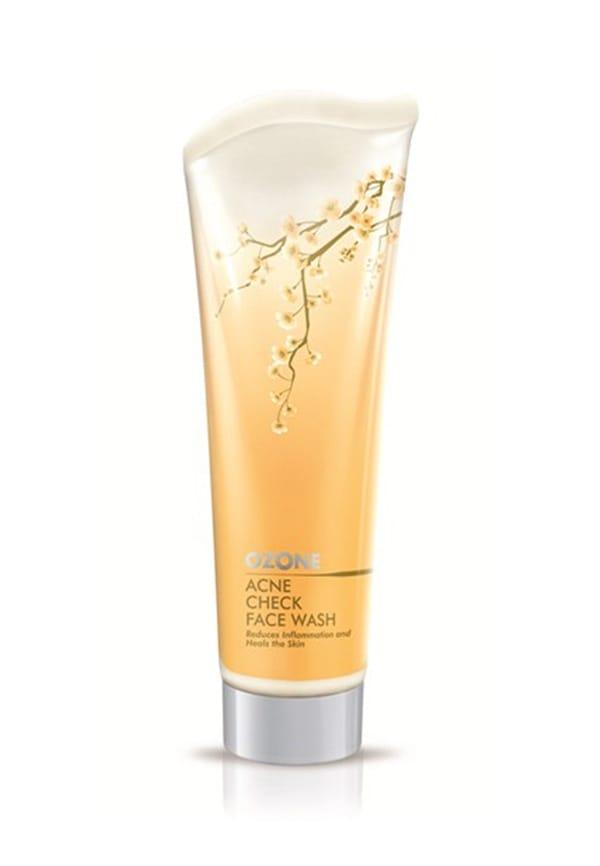
Acne Check Face Wash for Acne-Prone & Oily Skin
The timeline is telling: symptoms typically appear 24-72 hours after contact. This delayed reaction often makes it tricky to identify the trigger, especially if you've introduced multiple new products recently.
This happens when something directly damages your skin barrier. In Indian households, common triggers include strong detergents, certain spices (especially when cooking), harsh soaps, and even excessive handwashing during monsoon season when hygiene becomes extra important. Unlike allergic reactions, this shows up quickly - usually within hours.
The severity often matches the strength and duration of contact. A brief encounter might cause mild redness, whilst prolonged exposure to harsh chemicals can result in significant irritation and even chemical burns.
The healing timeline varies significantly. Mild cases might resolve within a few days to a week, whilst more severe reactions can persist for several weeks. Allergic contact dermatitis typically takes longer to heal than irritant contact dermatitis, especially if you continue to encounter the trigger unknowingly.
Factors affecting recovery include the severity of the initial reaction, whether you've identified and avoided the trigger, your skin's natural healing ability, and how well you care for the affected area during recovery.
India's unique climate, cultural practices, and lifestyle factors create specific challenges for sensitive skin. Understanding these regional triggers can help you identify patterns and take preventive measures.
Monsoon humidity creates the perfect storm for skin reactions. Increased sweating can intensify reactions to metals in jewellery, whilst damp conditions encourage bacterial growth that can complicate existing skin issues. Air pollution in major cities adds another layer of complexity, with particulates and chemicals potentially triggering both allergic and irritant reactions.
Traditional clothing materials and dyes, especially during festival seasons, can be unexpected triggers. That beautiful new kurta might contain dyes or fabric treatments that don't agree with your skin, particularly when combined with increased sweating during celebrations.
Henna applications during weddings and festivals are common triggers, especially when chemical additives are used to darken the colour or speed up the process. Turmeric, whilst generally beneficial, can cause reactions in some people, particularly when used in high concentrations or combined with other ingredients.
Religious ceremonies often involve contact with various substances - from sandalwood paste to flower garlands - that might trigger reactions in sensitive individuals. Occupational hazards vary by region and industry, from textile dyes in Gujarat to chemical exposure in industrial areas.
When it comes to treating skin irritation and contact dermatitis, the approach depends on the severity and type of reaction you're experiencing. The goal is always to calm inflammation, prevent infection, and support your skin's natural healing process.
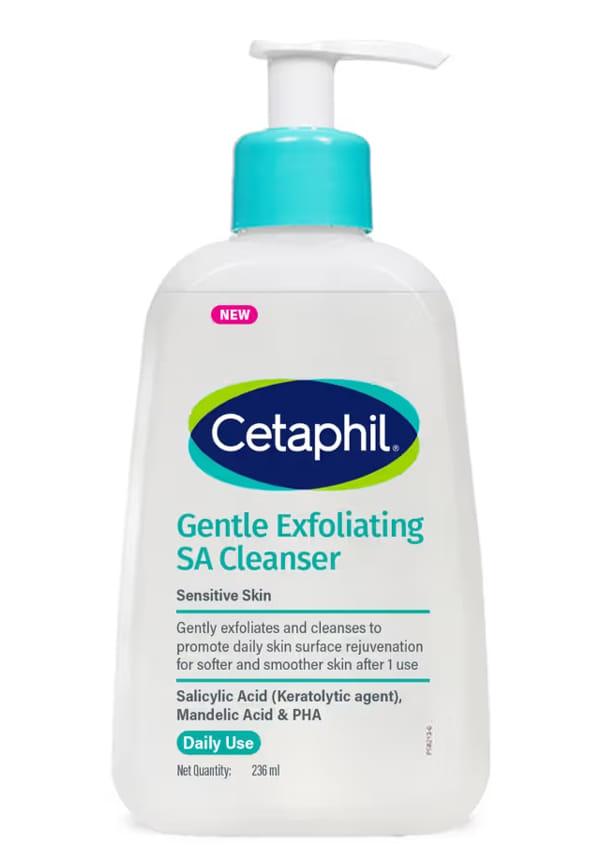
Gentle Daily Exfoliating Cleanser With Salicylic Acid For Oily Acne Prone Skin
Start with cool, damp compresses applied for 10-15 minutes several times daily. This helps reduce inflammation and provides immediate relief from itching and burning. Gentle cleansing with lukewarm water and a mild, fragrance-free cleanser removes any remaining irritants without further damaging your skin barrier.
Over-the-counter antihistamines like cetirizine or loratadine, readily available at Indian pharmacies, can help control itching and reduce the urge to scratch. For topical relief, look for products containing niacinamide or ceramides, which help restore the skin barrier whilst providing anti-inflammatory benefits.
Neem has genuine anti-inflammatory and antimicrobial properties that can help manage mild contact dermatitis. Apply fresh neem paste or use products containing neem extract, but patch test first to ensure you're not sensitive to it. Aloe vera gel, preferably fresh from the plant, provides cooling relief and supports healing.
Pure turmeric paste can help with inflammation, but be cautious - some people are sensitive to turmeric itself. Coconut oil works well for barrier repair in mild cases, though it's not suitable for everyone and should be avoided if you're prone to fungal infections.
The fastest path to recovery involves identifying and completely avoiding the trigger, keeping the area clean and dry, applying appropriate topical treatments, and resisting the urge to scratch. For severe cases, a dermatologist might prescribe topical steroids or oral medications.
Avoid common mistakes like using harsh scrubs, applying multiple new products simultaneously, or continuing to use suspected triggers "just to see" if they're really the problem.
Knowing when to seek professional help can prevent complications and ensure proper treatment. While many cases of contact dermatitis and skin irritation can be managed at home, certain situations require medical attention.
Seek immediate medical attention if you develop signs of severe allergic reaction - widespread rash, difficulty breathing, or swelling of face, lips, or throat. Other concerning symptoms include fever, pus or honey-coloured crusting (suggesting bacterial infection), red streaking from the affected area, or if the rash spreads rapidly beyond the initial contact site.
Chronic or recurring patterns also warrant professional evaluation. If you're experiencing repeated episodes without identifying a clear trigger, or if symptoms persist beyond two weeks despite proper care, it's time to consult a specialist.
Patch testing is the gold standard for diagnosing allergic contact dermatitis. This involves applying small amounts of common allergens to your back and monitoring for reactions over several days. In major Indian cities like Mumbai, Delhi, and Bangalore, this test is widely available at dermatology clinics and typically costs between ₹2,000-5,000.
Prepare for your consultation by noting when symptoms started, what you were doing or using around that time, and taking clear photos of the affected area to show progression over time.
Prevention is always better than treatment, especially when it comes to contact dermatitis. Developing good habits and understanding your skin's specific needs can help you avoid future reactions.
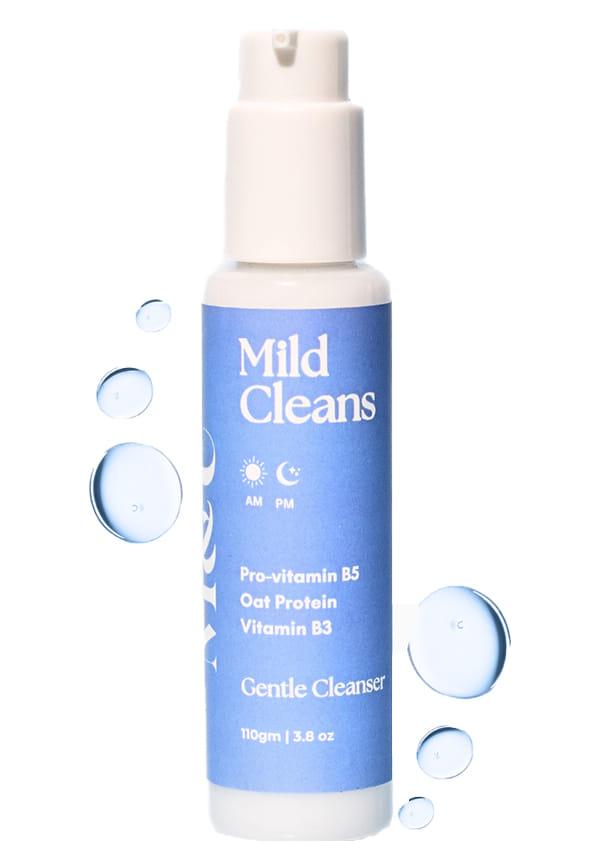
Mild Cleanse Gentle Cleanser for Sensitive Skin
Follow the 3-minute rule: apply a gentle moisturiser within three minutes of bathing to lock in hydration and strengthen your skin barrier. Choose products with minimal ingredients and avoid fragrances, especially during humid months when your skin is more reactive.
For Indian climate conditions, look for lightweight, non-comedogenic formulations that won't feel heavy in humidity. Ingredients like ceramides, hyaluronic acid, and niacinamide work well for maintaining healthy skin barrier function.
Choose breathable, natural fabrics like cotton, especially during summer months. Wash new clothes before wearing them to remove potential irritants from manufacturing processes. In the workplace, use appropriate protective equipment and be aware of potential allergens in your environment.
Seasonal adjustments matter too - increase moisturising during winter months and air-conditioned environments, whilst being extra gentle with cleansing during monsoon season when humidity is high.
Look for specific patterns including an itchy rash that appears in areas where you've had contact with potential allergens, well-defined borders that match the contact pattern, and timing that correlates with exposure to new products or substances. Contact dermatitis typically has a clear relationship between exposure and symptoms, whilst other skin conditions like eczema or psoriasis follow different patterns.
Yes, antihistamines like cetirizine, loratadine, or hydroxyzine can help control itching and reduce the inflammatory response. They're particularly useful for managing symptoms whilst you identify and avoid the trigger. However, they treat symptoms rather than the underlying cause, so identifying and avoiding the allergen remains crucial.
Patch testing is the gold standard diagnostic method for allergic contact dermatitis. During this test, small amounts of common allergens are applied to patches placed on your back. The patches remain in place for 48 hours, then are removed and the skin is examined for reactions. A final reading occurs at 72-96 hours to catch delayed reactions.
While generally not dangerous, severe cases can lead to complications requiring medical attention. Secondary bacterial infections from scratching, widespread reactions affecting large body areas, or signs of systemic allergic reactions need immediate treatment. Most cases resolve completely with proper identification of triggers and appropriate care.
Apply emollients or moisturisers within 3 minutes of bathing to prevent your skin from drying out. This timing helps trap moisture in your skin and strengthens the protective barrier, making it less susceptible to irritants and allergens. It's particularly important for people with sensitive skin or those prone to contact dermatitis.
Understanding the difference between contact dermatitis and regular skin irritation empowers you to respond appropriately and seek help when needed. Remember, your skin's reactions are valid, and finding the right approach often takes patience and sometimes professional guidance. Whether you're dealing with a reaction to a new skincare ingredient or trying to identify a persistent trigger, the key is systematic observation and gentle care.
For those exploring new skincare products, platforms like Smytten offer a practical way to test products before committing to full sizes. With access to mini versions from trusted brands, you can patch test and observe how your skin responds without the investment of full-size products. This approach is particularly valuable for sensitive skin types prone to contact dermatitis, as it allows careful introduction of new ingredients and formulations.
Your skin journey is unique, and what works for others might not work for you - and that's perfectly normal. Trust your skin's signals, be patient with the process of identifying triggers, and remember that healthy skin is achievable with the right knowledge and approach.
