How to Determine Your True Skin Tone in 5 Simple Steps

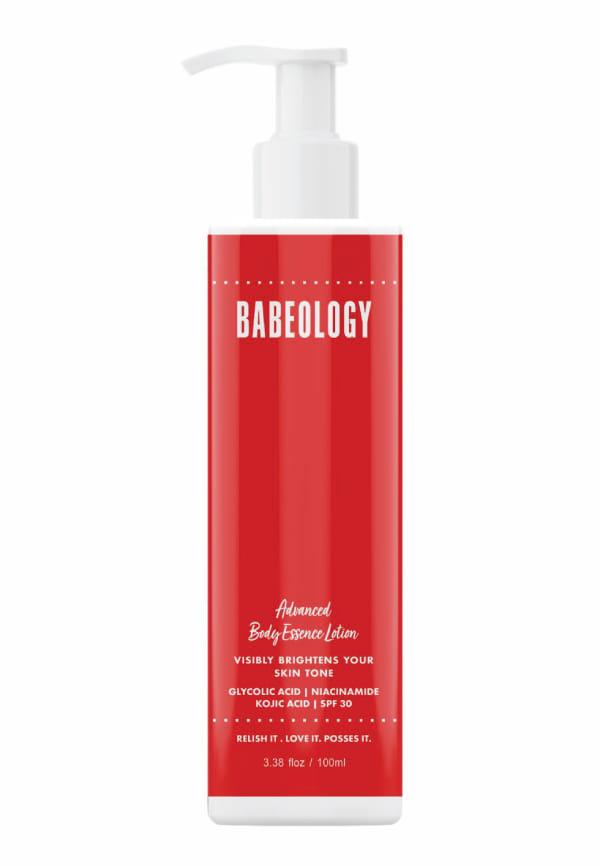 100 ml
Advanced Body Essence Lotion - Visible Brightens Your Skin Tone
Let's be real—finding the perfect foundation shade or lipstick colour can feel like solving a puzzle with half the pieces missing. You've probably stood in front of a mirror, holding up different shades, wondering why that gorgeous coral looks amazing on your friend but makes you look like you need a nap. The secret isn't just about your skin colour; it's about understanding your skin tone and the undertones that lie beneath the surface. Once you crack this code, everything from makeup to clothing choices becomes so much easier. Ready to become your own skin tone detective?
Before we dive into the detective work, let's clear up the confusion between skin tone and undertones. Think of your skin tone as what you see on the surface—fair, light, medium, or deep. Your undertones, however, are the subtle hues that peek through from underneath, and they're the real game-changers when it comes to finding your perfect match.
Your skin tone is basically your surface-level melanin story. It's determined by genetics and can shift slightly with sun exposure, but it's pretty straightforward. You might be fair with freckles, have a lovely medium olive complexion, or rock a gorgeous deep tone. This surface colour can change seasonally—hello, summer glow—but your undertones? They're your constant companions.
Here's where it gets interesting. Your undertones fall into three main camps:
Warm undertones bring golden, yellow, or peachy vibes. Think sunset hues living just beneath your skin.
Cool undertones lean into pink, red, or blue territory. These are your winter morning colours.
Neutral undertones are the diplomatic middle ground—a balanced mix that doesn't lean heavily either way.
Why do undertones matter more than your surface skin tone? Because they determine which colours will make you glow versus which ones will wash you out completely.
This is where we start our complexion analysis journey. The vein test is like having a built-in colour guide right under your skin. It's simple, reliable, and doesn't require any special tools—just good lighting and a keen eye.
Find a spot with natural daylight—artificial lighting will mess with your results. Look at the veins on your wrist, inner arm, or the side of your neck. If your veins appear greenish or olive, you've got warm undertones. Blue or purple veins? You're team cool. If you're seeing a mix or can't quite decide, neutral undertones might be your thing.
Don't do this under fluorescent lights or yellow bulbs—they'll throw off your perception completely. Also, avoid looking at veins on your hands if you've got fake tan or recent sun exposure. Stick to areas that stay consistently protected from the sun for the most accurate read.
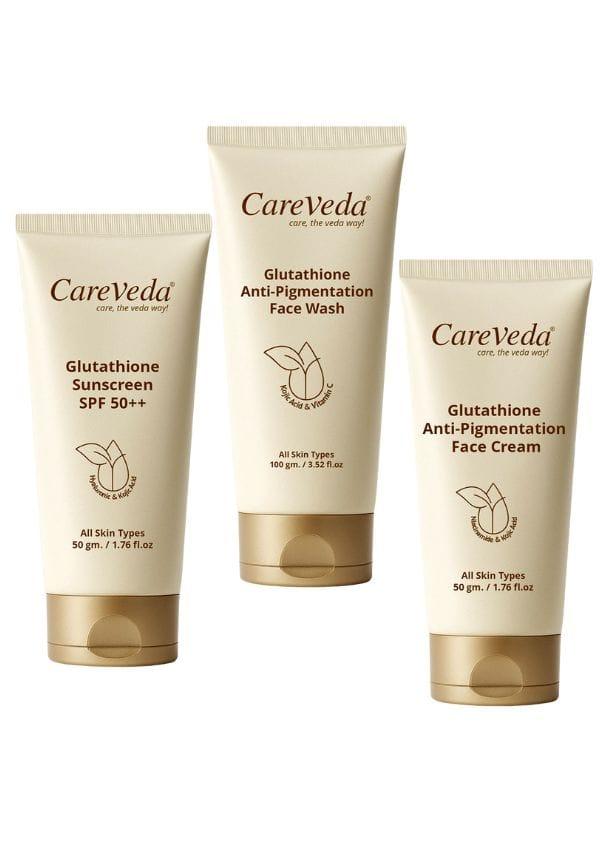 200gm
200gmFace Cream & Face Wash, Sunscreen for Bright, Even-Toned Skin
This test is brilliant because it's something you can do with items you probably already own. It's all about seeing which metals make your skin look radiant versus which ones make you look a bit off.
Hold a piece of gold jewellery against your clean skin, then try silver. If gold makes your skin look warm and glowing, you've likely got warm undertones. If silver makes you look fresh and bright, cool undertones are calling your name. Can't decide because both look lovely? Welcome to the neutral undertone club.
No gold or silver lying around? Try rose gold—it often works beautifully on cool undertones. Copper and bronze pieces can also help identify warm undertones. The key is noticing which metals make your skin look healthy and which ones seem to clash.
This clever trick uses contrast to reveal your undertones. It's like holding up a mirror that shows you colours you might not notice otherwise.
Grab a piece of plain white paper or white fabric. In natural light, hold it up against your face and neck. Look at how your skin appears in comparison. If you see golden or yellow reflections, you're looking at warm undertones. Pink or rosy reflections suggest cool undertones. A beige or balanced reflection points to neutral territory.
If your face has uneven colouring from breakouts or sun damage, try testing against your neck or chest instead. These areas often give you a clearer picture of your true undertones. Trust this method when it aligns with your other test results.
Your skin's relationship with the sun can tell you loads about your undertones. It's not just about whether you tan or burn—it's about the pattern and how your skin behaves over time.
If you tan easily and rarely burn, you probably have warm or neutral undertones. Quick to burn and slow to tan? Cool undertones are likely your match. This isn't a hard rule, but it's a helpful piece of the puzzle when combined with other tests.
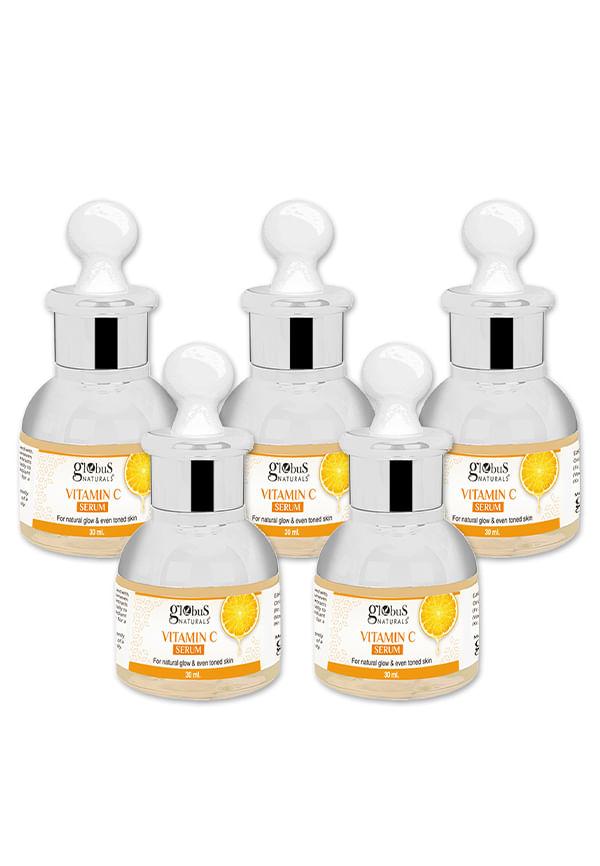 30 ml*5
Vitamin C Face Serum, for Natural Glow & Even Skin Tone
Here's the thing—your surface skin colour might shift with the seasons, but your undertones stay consistent. You might get a gorgeous summer glow, but those underlying warm, cool, or neutral hues remain the same. Keep this in mind when you're doing your skin tone detective work.
Sometimes you want to bring in the big guns. Professional tools and digital methods can offer another perspective, though they're not always necessary if you've mastered the basics.
There are apps designed to analyse your skin tone from photos, but take these with a grain of salt. Lighting, camera quality, and screen settings can all affect accuracy. Use them as a starting point, not the final word.
Department store beauty counters often offer colour matching services, and makeup artists are trained to spot undertones quickly. If you're still unsure after trying multiple methods, a professional consultation might be worth it—especially if you're investing in expensive foundation or planning a major makeup overhaul.
Now comes the fun part—using your newfound knowledge to make better beauty choices. Whether you're matching makeup to your skin tone or choosing skincare for your skin tone, understanding your undertones changes everything.
Warm undertones should look for foundations with golden, yellow, or peachy bases. Cool undertones need pink or neutral bases. Neutral undertones have the luxury of choice—you can often wear both warm and cool-toned foundations depending on the look you're after.
While skincare is more about your skin type than tone, certain ingredients can complement your undertones beautifully. For instance, vitamin C serums often give warm undertones a gorgeous glow, while niacinamide can help cool undertones look fresh and even.
This is where platforms like Smytten become incredibly valuable. With over 1,500 trusted brands including Cetaphil, Dot & Key, and Renee, you can try mini versions of different foundations and skincare products to see what works with your specific undertones. Getting up to 8 minis for just ₹249 means you can experiment without the commitment—perfect for finding your ideal shade match.
Understanding your undertones doesn't just help with makeup—it's your secret weapon for choosing colours that make you look absolutely radiant in everything from clothing to hair colour.
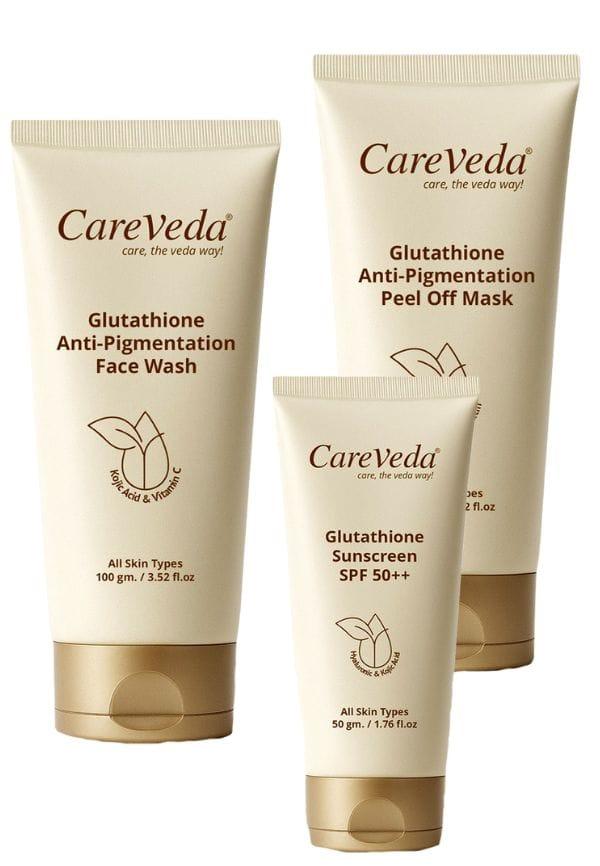 250gm
250gmFace Wash & Peel off Mask, Sunscreen for Bright, Even-Toned Skin
Warm undertones look stunning in earth tones, oranges, yellows, and warm reds. Think autumn leaves and golden hour lighting. Cool undertones shine in blues, purples, emerald greens, and true reds. Neutral undertones? You've hit the jackpot—most colours will work beautifully on you.
Warm undertones typically look gorgeous in golden blondes, warm browns, and copper reds. Cool undertones suit ash blondes, cool browns, and burgundy shades. Neutral undertones can usually pull off both warm and cool hair colours, making them the chameleons of the colour world.
The vein test is your quickest option. Look at your wrist veins in natural light—green means warm, blue means cool, and mixed colours suggest neutral undertones.
Your surface skin colour can change with sun exposure, age, or health changes, but your undertones typically remain consistent throughout your life.
Skin tone refers to your colour and undertones, while skin type describes your skin's behaviour—oily, dry, combination, or sensitive.
Different light sources can make the same foundation appear completely different. Always test foundation in natural daylight when possible.
While rare, some people do have slight variations. Your face might lean slightly different from your neck, which is why testing on multiple areas is helpful.
Understanding your skin tone isn't just about finding the perfect foundation—it's about making confident choices that enhance your natural beauty. Whether you're team warm, cool, or neutral, knowing your undertones opens up a world of colours that will make you look and feel amazing.
The beauty of this knowledge is that it takes the guesswork out of shopping. No more standing in beauty aisles feeling overwhelmed by endless options. You'll know exactly what to look for, and more importantly, what will work for you.
Remember, Smytten's trial platform makes this journey even easier. With curated trial packs from trusted beauty brands, you can test different shades and formulas risk-free. After all, why settle for 'maybe' when you can try it all and find exactly what makes you glow?
