
Skincare
•07 min read

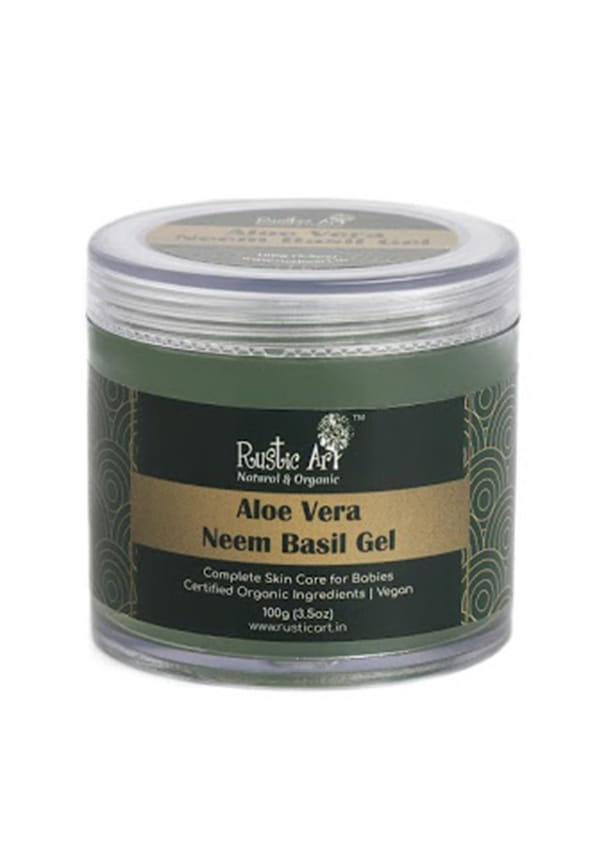 100 gm
Aloe Vera Neem Basil Gel
Let's be real—walking down the skincare aisle feels like deciphering a foreign language sometimes. Those ingredient lists read like chemistry textbooks, and when you're trying to go the natural route, things get even trickier. Understanding natural ingredients doesn't have to feel overwhelming though. With clean beauty becoming more mainstream and plant-based skincare taking centre stage, knowing what's actually in your products is your superpower. Whether you're curious about botanical extracts or want to make sense of those Latin names on labels, we're here to break it all down in a way that actually makes sense.
Natural skincare ingredients come from plants, minerals, or other naturally occurring sources, rather than being created in a lab. Think aloe vera straight from the plant, rose water distilled from petals, or clay sourced from the earth. But here's where it gets interesting—just because something says "natural" doesn't automatically mean it's better or safer than synthetic alternatives.
The beauty industry loves throwing around terms like "natural," "organic," and "clean," but these aren't always regulated the way you'd expect. A product can claim to be natural even if it contains just a tiny percentage of natural ingredients mixed with synthetic ones. That's why understanding natural ingredients becomes so important—it helps you see through the marketing fluff.
Clean beauty has shifted how we think about skincare. More people want transparency about what they're putting on their skin, especially with growing awareness about potentially harmful chemicals. Natural ingredients often come with fewer side effects and work harmoniously with your skin's natural processes.
The real benefit of going natural isn't just about avoiding certain chemicals—it's about embracing ingredients that have been used for centuries. Many botanical extracts and plant-based skincare ingredients have stood the test of time because they genuinely work. Plus, they're often gentler and more sustainable than their synthetic counterparts.
Reading skincare labels is like learning a new skill—once you get the hang of it, everything becomes clearer. The key is knowing what to look for and understanding how ingredient lists actually work.
Ingredients are listed in descending order by concentration, so the first few items make up the bulk of your product. If you're looking for natural remedies, check that the natural ingredients appear early in the list, not buried at the bottom where they're present in tiny amounts.
INCI (International Nomenclature of Cosmetic Ingredients) is the standardised system used worldwide for listing cosmetic ingredients. This is why you'll see scientific names like "Aloe Barbadensis Leaf Juice" instead of just "aloe vera." These names might look intimidating, but they're actually more accurate and help you identify exactly what's in your product.
Some brands use natural-sounding names or green packaging to make products seem more natural than they are. Look for specific percentages of natural content, recognised certifications, and be wary of products that use terms like "inspired by nature" rather than "made with natural ingredients."
A product might contain amazing botanical extracts, but if they're listed near the end of the ingredient list, you're probably not getting much benefit. The most effective natural skincare products will have their key natural ingredients listed within the first five to seven items.
Getting familiar with popular botanical extracts helps you make smarter choices when shopping for natural skincare. These plant-based powerhouses each bring unique benefits to your routine.
Hydrating heroes like aloe vera and rose water are gentle yet effective moisturisers. Aloe vera contains polysaccharides that help retain moisture, while rose water provides light hydration with anti-inflammatory properties. Hyaluronic acid, though often synthetic, can also be derived from plant sources and holds up to 1,000 times its weight in water.
Anti-ageing botanicals include bakuchiol (a natural retinol alternative), vitamin C from sources like kakadu plum, and peptides derived from rice or soy. These ingredients help stimulate collagen production and protect against environmental damage without the irritation sometimes associated with synthetic alternatives.
Soothing ingredients are perfect for sensitive or irritated skin. Chamomile contains anti-inflammatory compounds, calendula helps heal and calm, and green tea provides antioxidants that protect and soothe. These are particularly useful if you're dealing with redness or sensitivity.
Natural exfoliants work more gently than harsh scrubs. Fruit acids from sources like papaya and pineapple contain natural enzymes that dissolve dead skin cells. Willow bark contains natural salicylic acid, making it great for oily or acne-prone skin.
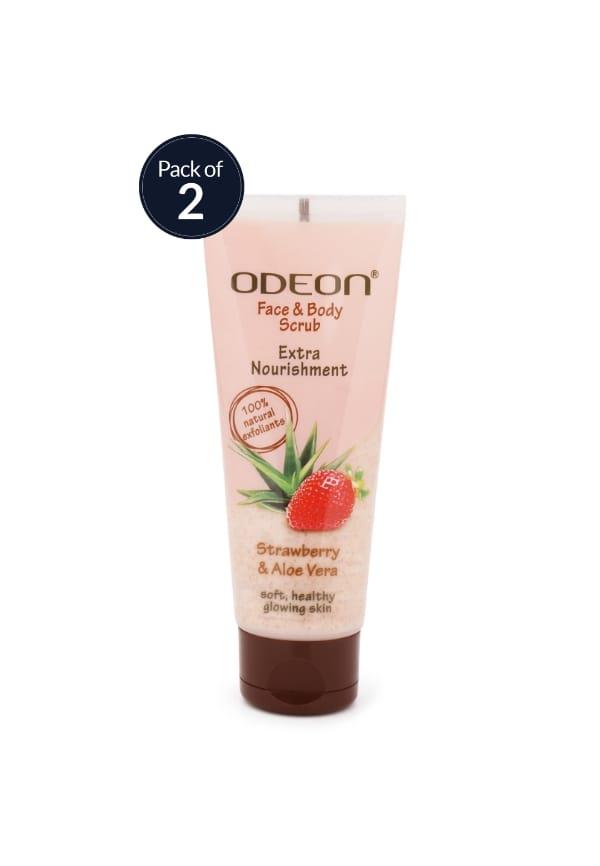 2*100 ml
Strawberry & Aloe Vera Face and Body Scrub For Extra Nourishment
Protective antioxidants shield your skin from daily damage. Vitamin E from plant oils, grape seed extract, and pomegranate all fight free radicals that can cause premature ageing. These ingredients work best when combined with other antioxidants for maximum protection.
The terms "natural" and "organic" get thrown around interchangeably, but they're not the same thing. Understanding the difference helps you make more informed choices about your skincare routine.
Natural ingredients come from nature but may be processed or refined. They haven't been synthetically created, but they might have undergone extraction or purification processes. Natural doesn't automatically mean organic.
Organic ingredients are natural ingredients that have been grown and processed according to specific standards. This means no synthetic pesticides, fertilisers, or GMOs were used in their production. Organic certification requires third-party verification and ongoing monitoring.
For skincare, organic ingredients often come with a higher price tag, but they can be worth it for certain products. Organic plant oils and extracts may contain higher concentrations of beneficial compounds since they're grown in optimal conditions without chemical interference.
Look for certifications from recognised bodies like COSMOS, Ecocert, or USDA Organic. These ensure that products meet strict standards for organic content and processing methods. However, remember that a product doesn't need to be 100% organic to be effective—even products with some organic ingredients can provide excellent results.
Different skin concerns call for different natural solutions. Understanding which ingredients work best for your specific needs helps you build a more targeted and effective routine.
For dry skin, look for natural oils like jojoba, argan, or rosehip. These contain essential fatty acids that help repair the skin barrier. Hyaluronic acid from plant sources and glycerin derived from vegetables provide intense hydration without feeling heavy.
Natural ingredients for oily skin focus on balancing oil production without stripping the skin. Tea tree oil has antimicrobial properties, while niacinamide (vitamin B3) helps regulate sebum production. Clay masks with bentonite or kaolin can absorb excess oil naturally.
Sensitive skin benefits from gentle, anti-inflammatory ingredients. Oatmeal contains compounds called avenanthramides that calm irritation. Centella asiatica (also known as cica) is incredibly soothing and helps repair damaged skin barriers.
For ageing concerns, focus on ingredients that boost collagen and provide antioxidant protection. Vitamin C from natural sources, peptides from plants, and retinol alternatives like bakuchiol can help improve skin texture and reduce fine lines over time.
Natural ingredients for hyperpigmentation work more gently than harsh chemicals. Kojic acid from mushrooms, arbutin from bearberry plants, and vitamin C help fade dark spots gradually. Liquorice root extract also contains compounds that can help even skin tone.
Making the switch to non-toxic skincare doesn't mean you have to sacrifice effectiveness. Many natural alternatives work just as well as their synthetic counterparts, often with fewer side effects.
Common ingredients to avoid include parabens (preservatives linked to hormone disruption), sulfates (harsh cleansing agents), and synthetic fragrances (which can cause irritation). Instead, look for natural preservatives like rosemary extract, gentle cleansers derived from coconut, and essential oils for fragrance.
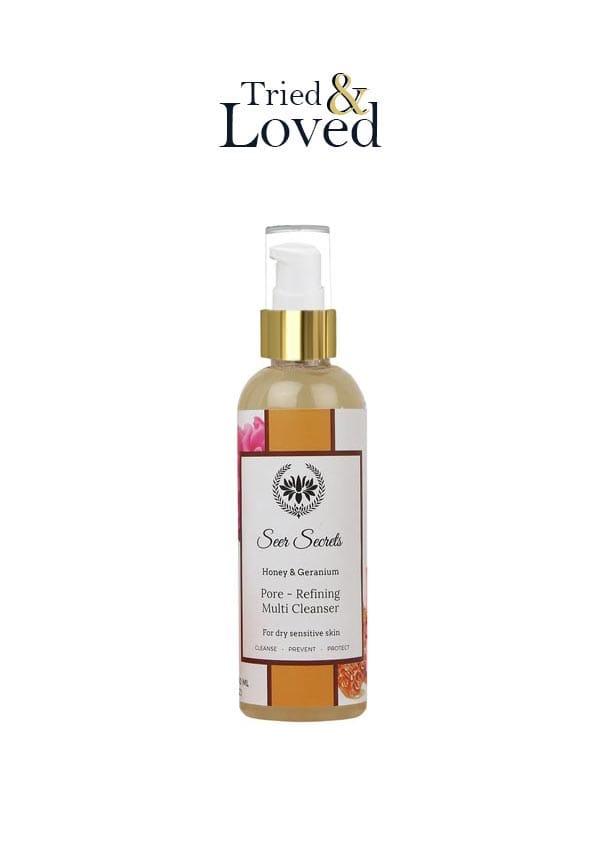 100 ml
Honey & Geranium Pore Refining Multi Cleanser
Building a safer routine starts with reading labels carefully and choosing products from brands that prioritise transparency. Look for companies that list all ingredients clearly and explain their sourcing and processing methods.
Remember that "natural" doesn't always mean "safe" for everyone. Some people are allergic to natural ingredients like lavender or tea tree oil. Always patch test new products, especially if you have sensitive skin or known allergies.
Eco-friendly skincare often goes hand-in-hand with natural ingredients. Look for brands that use sustainable packaging, ethical sourcing, and environmentally responsible manufacturing processes. This ensures your skincare choices are good for both your skin and the planet.
When you're exploring natural skincare options, having access to trial sizes can make all the difference. Smytten connects you with over 1,500 trusted brands offering everything from botanical extracts to clean beauty essentials. With trial packs available for just ₹249, you can discover which natural ingredients work best for your skin without committing to full-size products. The platform's 100% cashback system means you can explore natural remedies and plant-based skincare options risk-free, making it easier to build your perfect natural routine.
Not necessarily. While many natural ingredients are gentle and well-tolerated, some can cause allergic reactions or irritation. Poison ivy is natural, but you wouldn't want it in your skincare! Some synthetic ingredients are actually safer and more stable than their natural counterparts. The key is understanding what works for your individual skin type.
Look for specific certifications from recognised bodies like COSMOS or Ecocert. Check the ingredient list—truly natural products will have recognisable plant names and natural preservatives. Be wary of products that only mention natural ingredients in marketing but don't specify percentages or provide detailed ingredient lists.
Natural skincare products typically have shorter shelf lives than synthetic ones because they contain fewer preservatives. Most last 6-12 months once opened. Store them in cool, dry places away from direct sunlight, and always check for changes in smell, texture, or colour that might indicate spoilage.
Yes, natural ingredients can definitely cause allergic reactions. Common culprits include essential oils, botanical extracts, and even gentle ingredients like chamomile. Always patch test new products on a small area of skin before applying to your face, especially if you have sensitive skin or known plant allergies.
Price doesn't always indicate quality in natural skincare. Some expensive ingredients are rare or difficult to extract, which justifies the cost. However, many affordable natural ingredients like aloe vera, oatmeal, and plant oils can be just as effective. Focus on ingredient quality and concentration rather than price alone.
Start slowly by replacing one product at a time, beginning with cleansers or moisturisers. This helps you identify which natural ingredients work well for your skin. Expect an adjustment period of 4-6 weeks as your skin adapts to new ingredients. Keep a skincare diary to track how your skin responds to different natural ingredients.
Understanding natural ingredients transforms your skincare routine from guesswork into informed choices. Whether you're drawn to botanical extracts for their gentle effectiveness or interested in clean beauty for environmental reasons, knowing what to look for makes all the difference.
The world of natural skincare offers incredible variety—from time-tested remedies like aloe vera and rose water to innovative plant-based alternatives to synthetic ingredients. The key is finding what works for your unique skin needs and concerns.
Remember that the best skincare routine is one you can stick to consistently. Start with a few well-chosen natural products, learn how your skin responds, and build from there. With platforms like Smytten offering trial sizes from trusted brands, you can explore natural ingredients without the commitment of full-size purchases. After all, why settle for maybe when you can try it all and find your perfect natural skincare match?
