How to Decode Hormonal Acne Seasonal Shifts


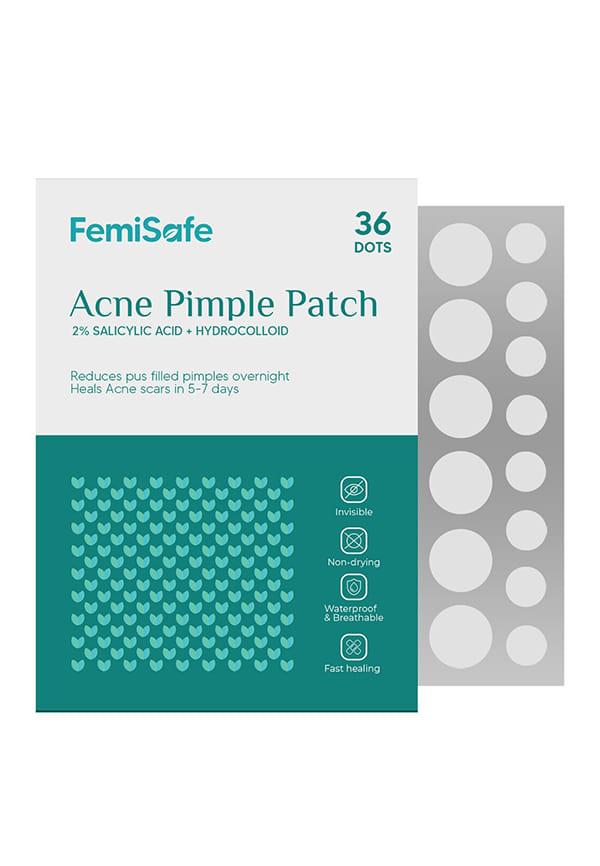 36 dots
Acne Pimple Patch
Ever noticed how your skin seems to have its own seasonal calendar? One month you're glowing, the next you're dealing with stubborn breakouts that seem to appear out of nowhere. If you've been tracking your skin and wondering why hormonal acne seasonal patterns feel like they're following some mysterious schedule, you're not imagining things. Your skin is actually responding to a complex mix of hormonal shifts, environmental changes, and lifestyle factors that ebb and flow throughout the year. Understanding these patterns isn't just about predicting your next breakout—it's about taking control of your skincare routine and finally making sense of what your skin is trying to tell you.
Let's get real about what's happening beneath the surface when hormonal acne decides to make its seasonal debut. Your body operates on intricate biological rhythms that don't just affect your sleep cycle—they're constantly influencing your hormone production throughout the year. Your sebaceous glands, those tiny oil-producing factories in your skin, are surprisingly sensitive to hormonal fluctuations. During certain seasons, changes in daylight exposure can trigger shifts in cortisol, melatonin, and even reproductive hormones. Think of it as your body's way of adapting to environmental changes, but unfortunately, your skin often bears the brunt of these adjustments. The connection between circadian rhythms and skin health runs deeper than most people realise. As daylight hours change with the seasons, your body's internal clock adjusts hormone production accordingly. This can lead to increased sebum production during certain months, creating the perfect storm for hormone related breakouts. Environmental factors play a massive role too. Temperature fluctuations, humidity levels, and even air quality can influence how your hormones behave. Your skin isn't just reacting to what you put on it—it's responding to the entire ecosystem around you.
Spring might feel like a fresh start, but for many people dealing with seasonal acne, it can be one of the most challenging times of the year. The transition from winter to spring triggers multiple changes in your body that can lead to unexpected breakouts. Pollen and environmental allergens don't just make you sneeze—they can also trigger inflammatory responses in your skin. When your immune system is working overtime to deal with seasonal allergies, it can exacerbate existing acne flare ups or create new ones. The inflammation from allergic reactions can make your skin more sensitive and prone to breakouts.
As daylight hours increase, your cortisol production patterns shift. This stress hormone plays a significant role in oil production, and sudden changes can leave your skin struggling to adapt. Many people notice their skin acting up just as the weather starts getting nicer.
Spring often brings major life transitions—new jobs, moving house, or simply adjusting to busier social schedules. These changes, whilst exciting, can spike stress hormones and trigger seasonal skin changes acne that catches you off guard.
Summer presents its own unique challenges for anyone dealing with hormonal acne. The combination of heat, humidity, and lifestyle changes can create a perfect storm for skin issues that go beyond simple sweat-related breakouts. Heat doesn't just make you sweat more—it actually triggers your body to produce stress hormones as it works to regulate your temperature. This can lead to increased oil production and more frequent cystic acne flare-ups, particularly in areas where sweat and oil tend to accumulate.
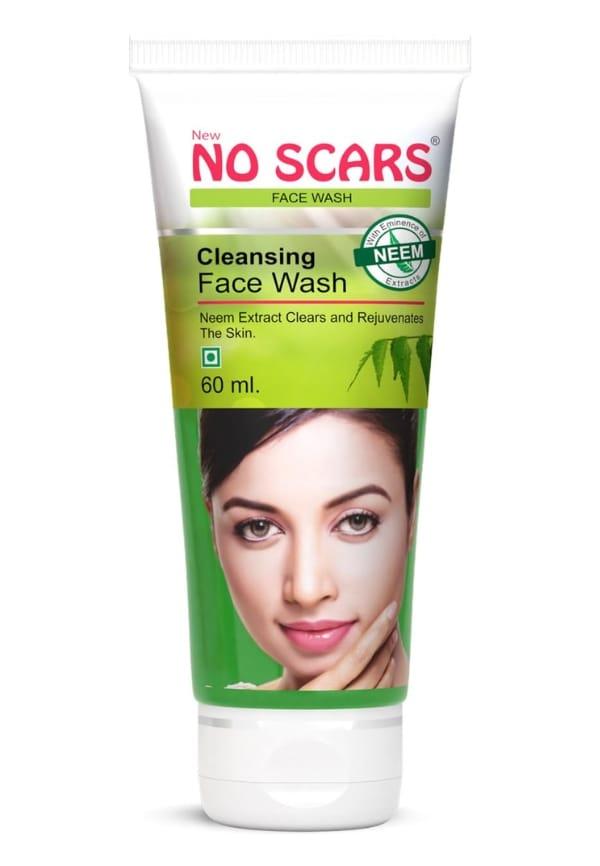 60 ml
60 mlNeem Face Wash,Rejuvenates Skin And Fights Acne With Neem Extracts
Whilst moderate sun exposure can initially improve some types of acne, prolonged UV exposure can actually disrupt your hormonal balance. Your skin may look better for a few weeks, only to rebel later with deeper, more stubborn breakouts.
Summer holidays might seem relaxing, but changes in sleep patterns, diet, and skincare routines can trigger skin inflammation in sensitive individuals. Your skin thrives on consistency, and even positive changes can temporarily throw it off balance.
As the days get shorter and temperatures drop, your skin faces a completely different set of challenges. Many people with adult acne notice their breakout patterns shift dramatically during the colder months. Reduced sunlight exposure affects more than just your mood—it can significantly impact your vitamin D levels, which play a crucial role in hormone regulation. Lower vitamin D levels have been linked to increased inflammation and more persistent acne patterns.
The festive season, whilst joyful, often comes with increased stress levels. Family gatherings, financial pressures, and disrupted routines can cause cortisol spikes that manifest as stubborn breakouts well into the new year.
Central heating and cold outdoor air can compromise your skin's natural barrier function. When your skin is struggling to maintain moisture, it often overcompensates by producing more oil, leading to unexpected breakouts even in typically dry winter conditions.
Every person's skin responds differently to seasonal changes, which is why understanding your personal hormonal acne seasonal patterns is so important. The key is becoming a detective of your own skin behaviour. Start by tracking your breakouts alongside environmental and lifestyle factors. Note when breakouts occur, their severity, and what else is happening in your life. Are you more stressed? Has your diet changed? Are you using different products? This information becomes invaluable for predicting and preventing future flare-ups.
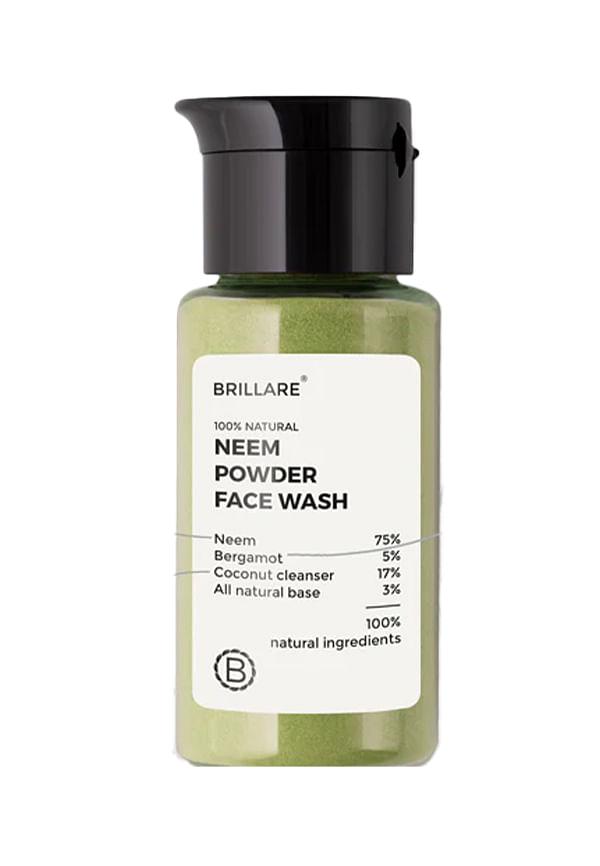 15 gm
15 gmNeem Powder Face Wash For Acne-Prone Skin
True hormonal breakouts typically appear in specific areas—usually the lower face, jawline, and neck. They tend to be deeper, more painful, and often coincide with menstrual cycles. Environmental acne triggers might be more widespread and surface-level.
For many women, the interaction between menstrual hormones and seasonal changes creates complex breakout patterns. You might notice that your usual pre-period breakouts are worse during certain seasons, or that your skin takes longer to recover during specific months.
Once you've identified your patterns, it's time to create a proactive approach to managing hormone related breakouts throughout the year. This isn't about completely overhauling your routine every few months—it's about making strategic adjustments that support your skin's changing needs. Your skincare routine should be flexible enough to adapt to seasonal changes whilst maintaining consistency in your core products. Consider having a base routine that stays the same year-round, with seasonal additions or modifications as needed.
During humid months, you might need lighter moisturisers and more frequent gentle exfoliation. In dry seasons, focus on barrier repair and hydration. The key is making gradual changes rather than dramatic overhauls that could shock your skin.
Your diet plays a crucial role in managing seasonal skin changes acne. Focus on anti-inflammatory foods year-round, but consider seasonal adjustments. More warming, grounding foods in winter, and cooling, hydrating options in summer can support your body's natural rhythms. This is where platforms like Smytten become incredibly valuable for anyone dealing with seasonal skin changes. With access to trial-sized products from over 1,500 trusted skincare brands, you can experiment with seasonal adjustments without committing to full-size products that might not work for your changing skin needs. Whether you're looking for a lighter summer moisturiser or a more intensive winter treatment, being able to try products for just ₹249 means you can adapt your routine as your skin's seasonal patterns become clearer.
Seasonal changes affect your hormone production through various mechanisms including altered daylight exposure, temperature fluctuations, and lifestyle changes. Your skin's oil production and inflammatory responses can shift accordingly, leading to predictable seasonal breakout patterns.
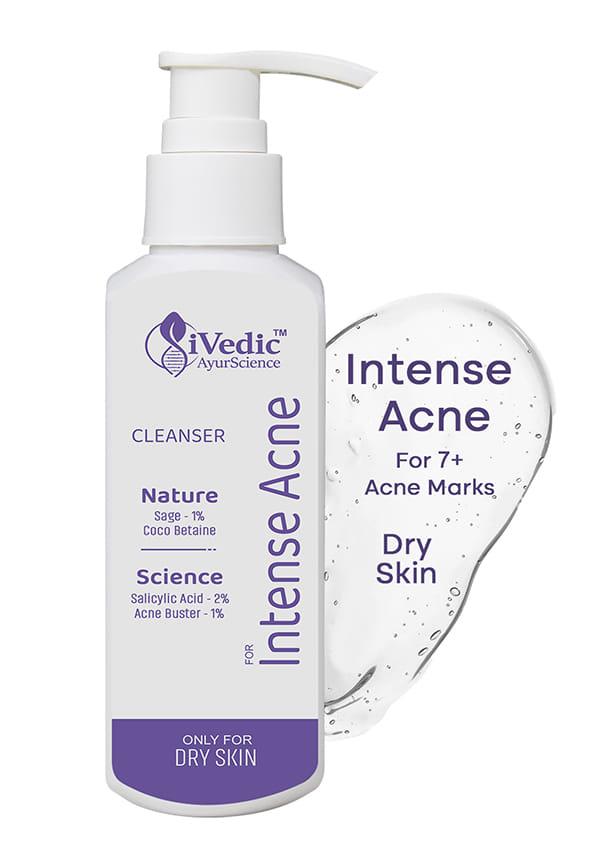 150 ml
Acne End Face Wash | Only For Dry Skin with Intense Acne
Most people need to track their skin for at least 6-12 months to identify clear seasonal patterns. However, you might start noticing trends after just a few months of consistent observation.
Hormonal contraceptives can help stabilise hormone fluctuations that contribute to seasonal breakouts. However, the effectiveness varies greatly between individuals, and it's important to discuss this option with a healthcare provider.
Hormonal acne is driven by internal hormone fluctuations, whilst seasonal acne is triggered by environmental changes. However, these often overlap, as seasonal changes can influence hormone production, creating complex patterns.
Hormonal acne typically appears on the lower face, jawline, and neck. It often correlates with menstrual cycles, tends to be deeper and more cystic, and may worsen during times of stress or hormonal changes.
Vitamin D, omega-3 fatty acids, and zinc can support skin health during seasonal transitions. However, it's best to consult with a healthcare provider before starting any supplement regimen, as individual needs vary significantly.
Decoding your hormonal acne seasonal patterns isn't about finding a quick fix—it's about developing a deeper understanding of how your skin responds to the world around you. By tracking your breakouts, identifying your personal triggers, and creating a flexible skincare strategy, you can take control of your skin's seasonal behaviour rather than feeling at its mercy. Remember, everyone's skin is different, and what works for others might not work for you. The key is patience, consistency, and being willing to adjust your approach as you learn more about your skin's unique patterns. With platforms like Smytten offering access to trial-sized products from trusted brands, you can experiment with seasonal skincare adjustments without the financial risk of full-size commitments. After all, why settle for guessing what your skin needs when you can try different approaches and find what truly works for your seasonal patterns?
