
Skincare
•05 min read

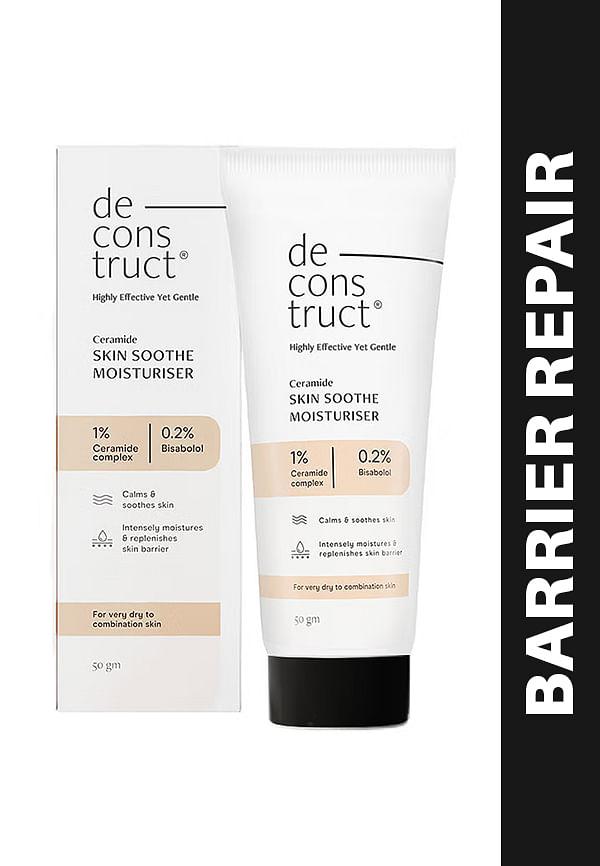 50 gm
50 gmSkin Soothe Moisturizer- 1% Ceramides + 0.2% Bisabolol
Let's be real—ceramides get a bad rap when it comes to acne-prone skin. You've probably heard whispers in skincare groups or seen comments claiming these skin-loving lipids cause breakouts. But here's the thing: most of what you've heard about ceramides for acne prone skin myth is just that—a myth. The truth is, science tells a completely different story. Research shows that ceramides actually support healthy skin barrier function, which can help manage acne rather than worsen it. Ready to separate fact from fiction? Let's dive into the real science behind ceramides and discover why your acne-prone skin might actually be crying out for them.
Before we bust any myths, let's get clear on what we're actually talking about. The relationship between ceramides and acne isn't as straightforward as some beauty forums make it seem. Understanding the science helps you make smarter choices for your skin.
Think of ceramides as your skin's natural security guards. These lipid molecules make up about 50% of your skin's outer barrier, working like mortar between bricks to keep moisture in and irritants out. When your skin barrier is compromised—which often happens with acne-prone skin—ceramides help with skin barrier repair. Clinical studies show that healthy ceramide levels are crucial for maintaining skin pH balance and preventing trans-epidermal water loss, both key factors in managing acne.
Here's where it gets interesting. Acne-prone skin often has a damaged barrier function, which can actually make breakouts worse. When your skin barrier is compromised, it produces more oil to compensate, potentially leading to clogged pores. Research published in dermatology journals shows that proper ceramides benefits for skin include regulating sebum production and reducing inflammation—two major acne triggers.
Time to tackle the biggest misconceptions head-on. These myths have been floating around skincare communities for years, but science has some serious receipts to prove them wrong.
This one's probably the most persistent myth out there. The reality? Quality ceramide products are typically formulated as non-comedogenic moisturizers, meaning they won't clog your pores. Ceramides have a molecular structure that allows them to absorb into the skin rather than sitting on top. Multiple clinical trials have shown that ceramide-containing products actually reduce acne lesions when used consistently over 12 weeks.
Wrong again. Over-drying your skin triggers a rebound effect where your sebaceous glands go into overdrive, producing even more oil. The best moisturizer for acne should contain ceramides to support barrier function without adding unnecessary oils. Studies show that proper hydration with ceramide-rich products can reduce acne severity by up to 40%.
Not even close. Formulation quality varies dramatically between brands. Some ceramide products are specifically designed as ceramides for sensitive skin, with additional soothing ingredients and careful pH balancing. The concentration, type of ceramides used, and supporting ingredients all matter when choosing products for acne-prone skin.
Actually, the opposite is true. Ceramides can enhance the effectiveness of your acne treatment by maintaining skin barrier integrity. When your skin barrier is healthy, active ingredients like retinoids and salicylic acid work more effectively with fewer side effects. Dermatologists often recommend ceramide products alongside acne treatments for this exact reason.
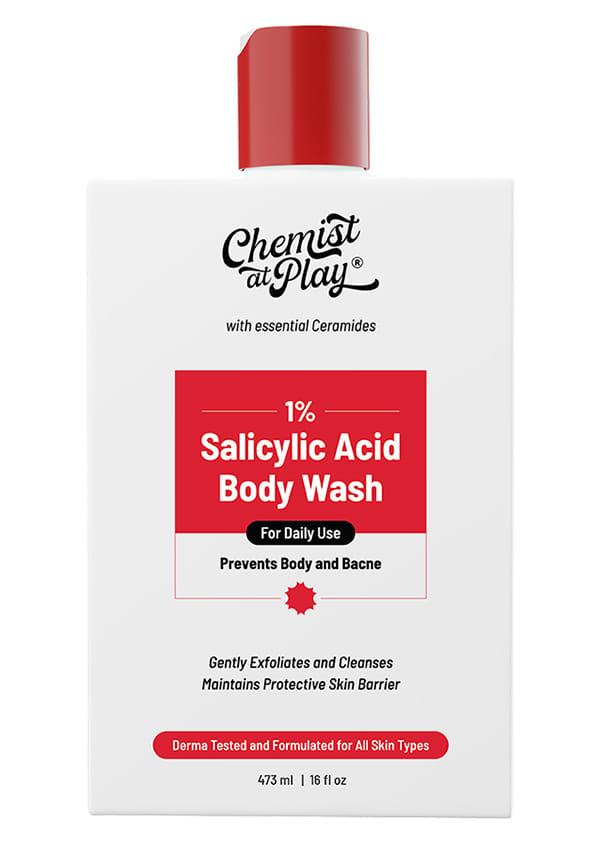 473 ml
Acne Control Body Wash with Ceramides
While your natural skin barrier is amazing, environmental factors, age, and acne treatments can deplete ceramide levels. Research shows that ceramide production naturally decreases with age and stress. Supplementing with topical ceramides helps restore optimal barrier function, especially important for maintaining healthy skin as you navigate acne treatment.
Now that we've cleared up the myths, let's talk about how to actually incorporate ceramides into your acne skincare routine. The key is strategic layering and choosing the right products for your skin's specific needs.
Start with a gentle cleanser, then apply your ceramide moisturiser while skin is still slightly damp. This helps lock in hydration and supports barrier function throughout the day. Follow with a broad-spectrum SPF—ceramides actually help sunscreen work more effectively by maintaining skin barrier integrity.
Evening is prime time for skin barrier repair. After cleansing and applying any acne treatments, wait 10-15 minutes before applying your ceramide moisturiser. This allows active ingredients to penetrate while ensuring the ceramides can do their barrier-supporting work overnight. Your skin repairs itself most actively during sleep, making this timing crucial.
Look for products that combine ceramides with niacinamide, hyaluronic acid, or cholesterol for enhanced benefits. Avoid heavy oils or comedogenic ingredients that might conflict with your acne management goals. The best skincare for acne prone skin balances effective ingredients with gentle formulations.
While ceramides are generally well-tolerated, it's worth knowing about potential ceramides side effects and how to minimise any risks. Knowledge is power when it comes to skincare safety.
Some people may experience mild irritation when first introducing ceramides, especially if they have very sensitive skin. This usually resolves within a few days as skin adjusts. Always patch test new products on a small area before full application.
Poor-quality ceramide products might contain irritating preservatives or unstable formulations. Choose products from reputable brands that invest in proper testing and quality control. This is where platforms like Smytten become invaluable—you can try ceramide products in mini sizes before committing to full-size purchases, reducing the risk of reactions or product incompatibility.
Dermatologists have specific protocols for incorporating ceramides into acne treatment plans. These evidence-based approaches help maximise benefits while minimising potential issues.
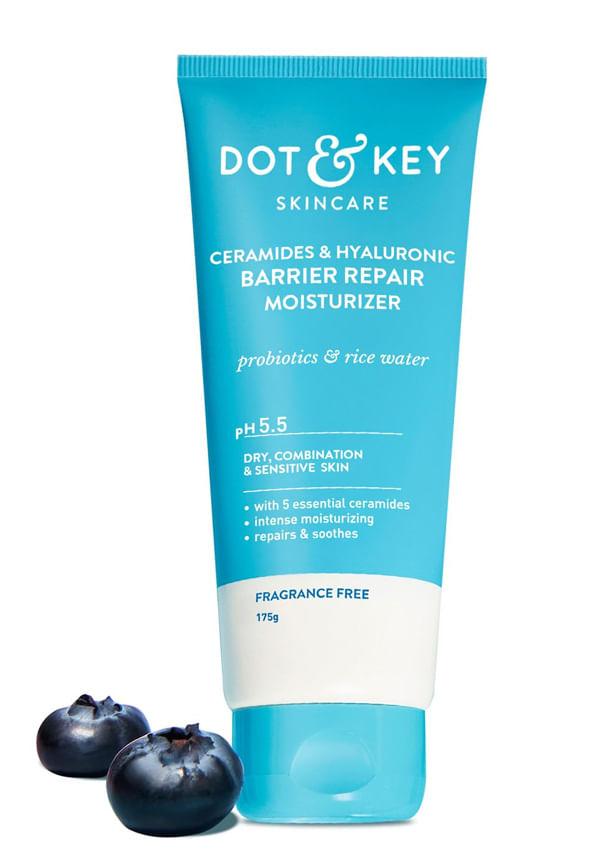 175 gm
Ceramides & Hyaluronic Barrier Repair Moisturizer
Most skin experts recommend starting with ceramide products 2-3 times per week, gradually increasing frequency as skin tolerates. Monitor for improvements in skin texture, reduced irritation from acne treatments, and overall barrier function. Professional guidance helps personalise your approach based on acne severity and skin sensitivity.
Mild acne often responds well to ceramide moisturisers combined with gentle exfoliation. Severe acne may require more careful integration, starting with minimal ceramide products and gradually building tolerance. Hormonal acne particularly benefits from ceramide support due to the barrier-disrupting effects of hormonal fluctuations.
Quality ceramide products formulated for acne-prone skin typically don't worsen acne. However, heavy or poorly formulated products might cause issues. Choose non-comedogenic options and introduce gradually.
Most people notice improved skin texture and reduced irritation within 2-4 weeks. Significant barrier repair and acne improvement typically takes 6-12 weeks of consistent use.
Yes, ceramides actually help reduce retinoid irritation while maintaining treatment effectiveness. Apply retinoids first, wait 10-15 minutes, then follow with ceramide moisturiser.
Both synthetic and plant-derived ceramides can be effective. The formulation quality and supporting ingredients matter more than the ceramide source.
Absolutely. Ceramides are particularly beneficial for teen skin dealing with acne treatments that can compromise barrier function.
While ceramides don't directly treat scars, they support overall skin health and can improve the appearance of post-acne marks by maintaining proper barrier function.
The biggest takeaway? Most ceramides for acne prone skin myths are just that—myths without scientific backing. Quality ceramide products can actually support your acne management goals by maintaining healthy barrier function and reducing treatment-related irritation. The key is choosing well-formulated, non-comedogenic products and introducing them gradually into your routine.
When you're ready to explore ceramide products for your acne-prone skin, consider starting with trial sizes to test compatibility. Smytten's platform makes this exploration risk-free—you can try ceramide-containing products from trusted brands like Cetaphil and Dot & Key in mini sizes before committing to full purchases. With over 1,500 brands available and the ability to get up to 8 minis for just ₹249, plus 100% cashback redeemable for future orders, you can discover your perfect ceramide match without the usual trial-and-error expense. After all, why settle for maybe when you can Try It All and find what actually works for your unique skin needs?
