How to Combine Retinol and Peptides Safely for Maximum Benefits

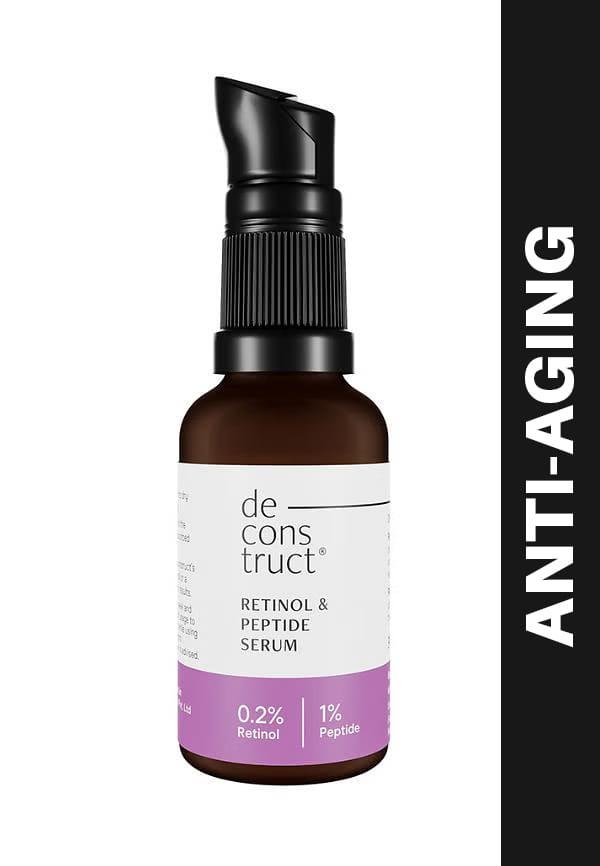 30 ml
30 mlRetinol Face Serum with Peptide
Ever wondered if you can mix retinol and peptides without your skin throwing a tantrum? You're not alone. The skincare world has been buzzing about retinol with peptides compatibility, and honestly, it's about time we cleared the air. These two powerhouse ingredients don't just play nice together—they actually make each other better. Think of it as the ultimate skincare power couple that works harder when they're together than apart. Let's dive into how you can safely combine these anti-ageing heroes for results that might just make you obsessed.
Real talk: the myth that retinol and peptides can't be friends needs to stop. This misconception probably started because both ingredients are pretty potent on their own, so people assumed mixing them would be too much. But here's the thing—science actually backs up using retinol and peptides together.
At the cellular level, retinol works by speeding up cell turnover and boosting collagen production through vitamin A pathways. Peptides, on the other hand, are like tiny messengers that signal your skin to produce more collagen and repair itself. They work through completely different mechanisms, which means they're not competing for the same cellular real estate.
Dermatologists have been quietly recommending this combo for years. Dr. research shows that peptides can actually help buffer some of retinol's initial irritation whilst amplifying its anti-ageing benefits. It's like having a supportive friend who makes you braver—peptides help your skin handle retinol better whilst both ingredients work their magic.
The key is understanding that retinol with peptides compatibility isn't just possible—it's actually beneficial. Your skin gets the cell-renewing power of retinol plus the supporting, strengthening effects of peptides. It's a win-win that your future self will thank you for.
Before we get into the nitty-gritty of combining these ingredients, let's break down what each one actually does. Think of this as your crash course in skincare chemistry—but way more fun than it sounds.
Retinol is basically the overachiever of the skincare world. This retinol serum superstar works by:
Accelerating cellular turnover—out with the old, dull skin cells, in with the fresh ones
Stimulating collagen production deep in your skin's layers
Smoothing fine lines and wrinkles by plumping up your skin from within
Improving overall skin texture and tone
Helping with hyperpigmentation and uneven skin tone
Peptide skincare is having a major moment, and for good reason. These amino acid chains are like your skin's personal trainers, encouraging it to be its best self. Here's what makes peptide anti-ageing so effective:
Signal peptides tell your skin to make more collagen and elastin
Carrier peptides deliver minerals that help with skin repair
Neurotransmitter peptides help relax facial muscles (think natural botox vibes)
They strengthen your skin barrier, making it more resilient
They boost firmness and elasticity without irritation
Now here's where things get exciting. When you combine retinol and peptides, you're not just adding benefits—you're multiplying them. The retinol peptide benefits are honestly pretty impressive.
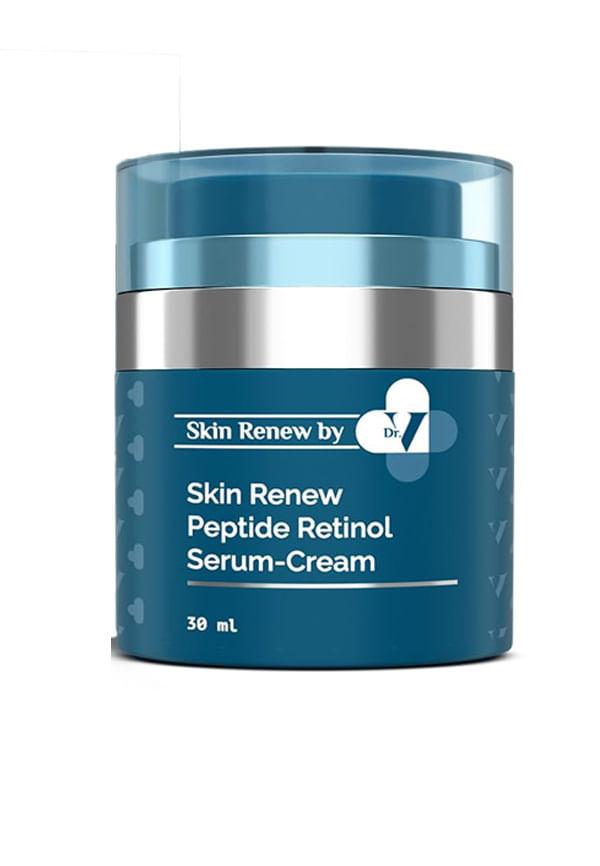 30 ml
30 mlSkin Renew Peptide Retinol Serum - Cream with Peptide & Retinol
First up, you get enhanced collagen production through two different pathways. Retinol kicks your skin cells into high gear, whilst peptides send signals to produce more structural proteins. It's like having two different teams working towards the same goal—faster, more noticeable results.
One of the best parts about combining retinol and peptides is that peptides can actually help reduce the irritation that sometimes comes with retinol use. They act like a buffer, supporting your skin barrier whilst retinol does its thing. This means you might be able to use retinol more frequently or at higher concentrations than you could on its own.
The anti-ageing results speak for themselves:
Faster improvement in fine lines and wrinkles
Better skin texture and smoothness
Improved moisture retention and barrier function
More even skin tone and reduced hyperpigmentation
Enhanced skin firmness and elasticity
Less irritation compared to using retinol alone
Alright, let's get practical. The secret to a successful retinol and peptide routine is all about timing and order. Get this right, and you'll maximise the benefits whilst keeping irritation at bay.
When it comes to skincare layering, molecular weight is your best friend. Here's the golden rule: thinnest to thickest consistency, which usually means peptides first, then retinol.
Start with a clean face—this bit's non-negotiable. Apply your peptide serum first since peptides are typically in lighter formulations. Give it a few minutes to absorb properly. Then apply your retinol serum or treatment. Finish with a good moisturiser to lock everything in and provide extra barrier support.
You've got a few options for timing, and honestly, it depends on your skin's tolerance and your lifestyle.
The same evening approach works well if your skin can handle both ingredients together. Apply peptides first, wait 10-15 minutes, then follow with retinol. This gives you maximum benefits in one routine.
If you're just starting out or have sensitive skin, try alternating nights. Use peptides one evening, retinol the next. This gives your skin time to adjust whilst still getting the benefits of both ingredients.
Some people prefer the AM/PM split—peptide cream or serum in the morning for barrier support and protection, retinol at night for cellular renewal. This approach works particularly well if you're using other active ingredients too.
Let's be real—jumping straight into a full retinol peptides serum routine without a plan is asking for trouble. Your skin needs time to adjust, especially if you're new to either ingredient.
 30 ml
30 ml0.3% Retinol Serum for Younger-Looking & Spotless Skin
Start slow and steady. Begin with a low-concentration retinol (0.25% or 0.5%) and a gentle peptide serum. Always patch test first—apply a small amount to your inner arm and wait 24 hours to check for reactions.
Week 1: Use peptides every other night, no retinol yet. Let your skin get comfortable with peptides first. Week 2: Add retinol once a week, still using peptides every other night. Week 3: Increase retinol to twice a week. Week 4: If your skin's happy, you can try using both on the same night once a week.
Once your skin has adjusted, you can start optimising your routine. Gradually increase retinol frequency—maybe three times a week by week 6, then every other night by week 8. You can also consider stepping up to a higher retinol concentration if your current one feels too gentle.
This is also when you might want to explore different peptide cream formulations or add complementary peptide products. Just remember to introduce one new thing at a time so you can track what's working.
Safety first, glowing skin second—though honestly, you'll get both if you follow these guidelines for using retinol and peptides together.
Concentration matters more than you think. Start with lower percentages and work your way up. A 0.25% retinol with a gentle peptide serum is infinitely better than jumping to 1% retinol and dealing with irritation for weeks.
Your skin type plays a huge role in how you should approach this combination:
Sensitive skin: Start with peptides alone for 2-3 weeks, then introduce retinol very gradually
Dry skin: Focus on hydrating peptide formulations and use a rich moisturiser after retinol
Oily skin: You might tolerate higher concentrations faster, but don't skip the moisturiser
Combination skin: Consider using different concentrations on different areas of your face
Watch for warning signs of over-exfoliation: excessive redness, peeling, burning, or increased sensitivity. If you notice these, scale back immediately. Sometimes less really is more.
Sunscreen is absolutely non-negotiable when using retinol. It increases photosensitivity, so SPF 30 minimum during the day is essential. And if you're pregnant or breastfeeding, skip the retinol and stick with peptides—they're perfectly safe and still effective.
Let's talk about the mistakes that can turn your skincare dreams into a nightmare. Trust me, avoiding these will save you weeks of recovery time.
The biggest mistake? Going too hard, too fast. Starting with high-concentration retinol plus multiple peptide products is like running a marathon without training. Your skin needs time to build tolerance.
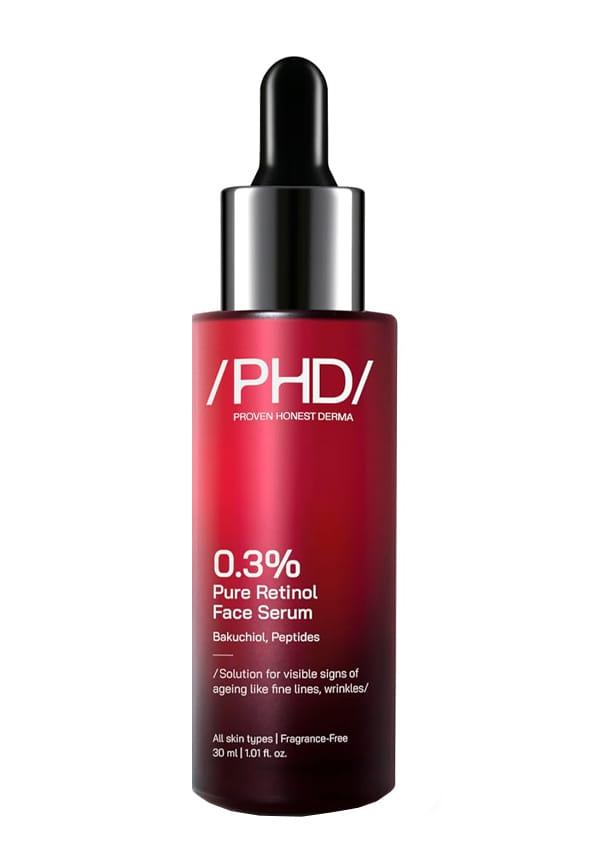 30ml
30ml0.3% Pure Retinol Face Serum
Getting the layering order wrong is another common slip-up. Remember: peptides first (lighter consistency), then retinol (usually thicker), then moisturiser. Mixing them together in your palm might seem efficient, but it can affect how well each ingredient penetrates.
Don't mix retinol with vitamin C in the same routine—they can neutralise each other. Use vitamin C in the morning and save retinol for evening. Also, avoid using retinol with other strong acids like glycolic or salicylic acid until your skin is well-adjusted.
Skipping moisturiser is a rookie mistake that even experienced skincare enthusiasts make sometimes. Both retinol and peptides work better when your skin barrier is supported with good hydration.
Finally, not giving products enough time to absorb between layers can reduce their effectiveness. Wait at least 10-15 minutes between applying peptides and retinol.
Absolutely! Retinol and peptides work through different mechanisms and actually complement each other beautifully. Peptides can help buffer retinol's potential irritation whilst both ingredients boost collagen production through separate pathways. The key is introducing them gradually and using the correct application order.
Peptides should go on first, followed by retinol. This follows the general skincare rule of applying products from thinnest to thickest consistency. Peptide serums are typically lighter and need to penetrate first, whilst retinol treatments are often in heavier formulations that can create a barrier if applied first.
When combining retinol with peptides, modify the traditional approach: Week 1—peptides only every other night, Week 2—add retinol once weekly whilst continuing peptides, Week 3—increase retinol to twice weekly. This gradual introduction helps your skin adjust to both ingredients without overwhelming it.
You might notice improved skin texture and hydration from peptides within 2-4 weeks. Retinol benefits typically appear after 6-8 weeks of consistent use. When combined, many people see enhanced results around the 8-12 week mark, including improved fine lines, firmness, and overall skin quality.
Yes, but take it extra slowly. Start with peptides alone for 3-4 weeks to strengthen your skin barrier, then introduce the lowest concentration retinol once weekly. Consider using them on alternating nights rather than together initially. Always patch test and listen to your skin's response.
Combining retinol and peptides isn't just safe—it's actually one of the smartest moves you can make for your anti-ageing routine. The retinol with peptides compatibility creates a synergistic effect that can give you better results than using either ingredient alone.
The secret sauce is patience and proper technique. Start slowly, layer correctly, and give your skin time to adjust. With the right approach, you'll get all the collagen-boosting, line-smoothing benefits without the drama.
When you're ready to explore retinol and peptide products, platforms like Smytten make it easy to try before you commit. With curated trial packs from trusted skincare brands, you can test different formulations to find your perfect match. After all, why settle for guessing when you can try it all and discover what actually works for your skin?
