How to Choose the Perfect Sunscreen for Sensitive Skin


Finding the right sunscreen for sensitive skin can feel like searching for a needle in a haystack. Your skin reacts to everything, and the last thing you want is a sunscreen that leaves you red, irritated, or breaking out. But here's the thing—sun protection isn't optional, especially when your skin is already dealing with sensitivity issues. The good news? With the right knowledge and a bit of patience, you can absolutely find a gentle sunscreen that protects without the drama. Let's dive into everything you need to know about choosing the perfect sun protection for your delicate skin.
Sensitive skin isn't just about being a bit reactive—it's a legitimate skin condition that affects how your skin barrier functions. When your skin is sensitive, it means your protective barrier is compromised, making it more susceptible to irritants, allergens, and environmental stressors like UV rays. What makes skin sensitive in the first place? It could be genetics, overuse of harsh products, environmental factors, or underlying conditions like eczema or rosacea. The key thing to understand is that sensitive skin sunscreen needs are different from regular skin types. Your skin requires formulas that provide robust sun protection sensitive skin can tolerate without triggering reactions. Traditional sunscreens often contain chemical filters, fragrances, and preservatives that can spell trouble for sensitive skin. These ingredients might work brilliantly for others, but for you, they could mean redness, stinging, or breakouts. That's why understanding your skin's specific triggers is the first step towards finding your perfect match.
Chemical UV filters like avobenzone, oxybenzone, and octinoxate are frequent culprits behind sunscreen sensitivity. These ingredients absorb into the skin to neutralise UV rays, but this absorption process can trigger reactions in sensitive individuals. Fragrances and essential oils, even natural ones, are another major trigger. They might smell lovely, but they're completely unnecessary for sun protection and often cause more harm than good for reactive skin.
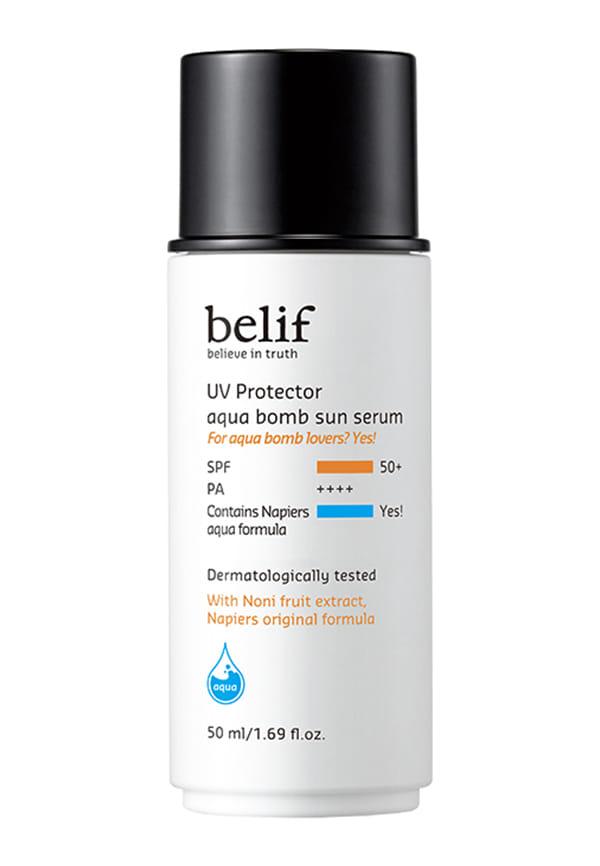 50 ml
50 mlUv Protector Aqua Bomb Sun Serum
When it comes to choosing between mineral and chemical sunscreens, mineral sunscreen typically wins for sensitive skin. Here's why this matters for your daily routine. Mineral sunscreens use zinc oxide and titanium dioxide as their active ingredients. These work as physical blockers, sitting on top of your skin like a protective shield rather than absorbing into it. This means less chance of irritation and immediate protection upon application.
Zinc oxide is particularly brilliant for sensitive skin because it's naturally anti-inflammatory and soothing. It provides broad-spectrum protection against both UVA and UVB rays whilst being gentle enough for the most reactive skin types. Titanium dioxide is another gentle giant in the mineral sunscreen world. It's less likely to cause allergic reactions and works well for those who find zinc oxide too heavy or white-cast-heavy.
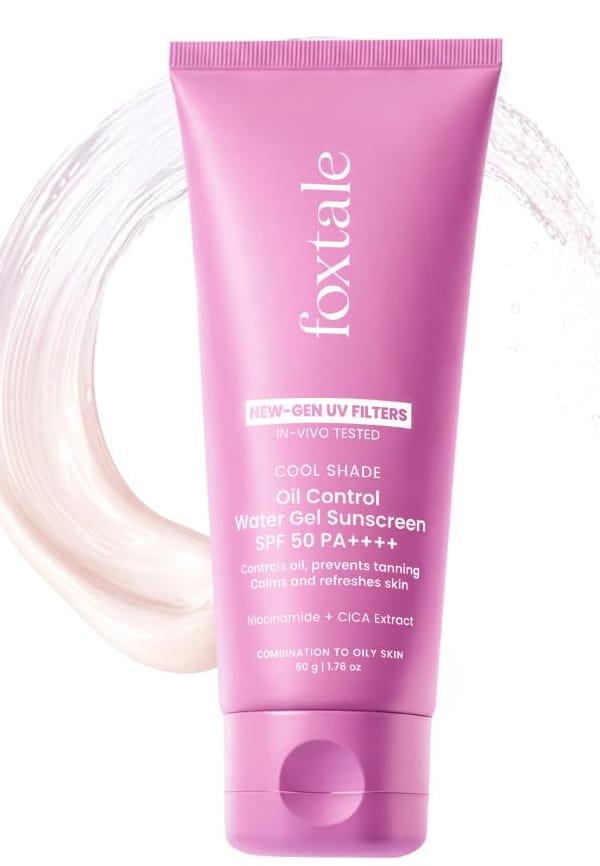 50 gm
50 gmIn-Vivo Tested Lightweight Aqua-Gel Sunscreen for Oily Skin | SPF 50 PA++++
That said, some newer chemical sunscreen formulations are becoming more sensitive-skin-friendly. Look for ones with newer-generation filters like avobenzone combined with stabilising ingredients, or consider hybrid formulas that combine the best of both worlds.
Choosing the right hypoallergenic sunscreen means becoming a bit of an ingredient detective. Let's break down what your sensitive skin will thank you for and what it definitely won't. When scanning ingredient lists, look for soothing additions like niacinamide, which helps strengthen your skin barrier whilst reducing inflammation. Hyaluronic acid provides hydration without heaviness, and ceramides help repair and maintain your skin's protective barrier.
Aloe vera brings natural cooling and anti-inflammatory properties to sunscreen formulas. Oatmeal extract is incredibly soothing for irritated skin, whilst allantoin helps with healing and moisture retention. These ingredients transform your sunscreen from just protection into actual skincare that works with your sensitive skin rather than against it.
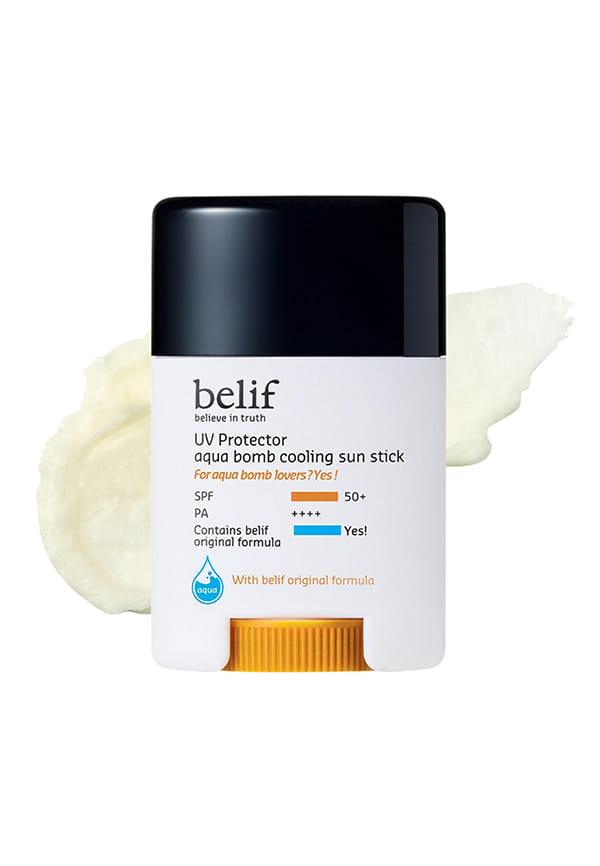 14g
14gBelif UV Protector Aqua Bomb Cooling Sun Stick
Fragrances are the biggest no-no for sensitive skin. This includes both synthetic fragrances and natural essential oils. Even if they're derived from plants, they can still trigger reactions. Alcohol-based formulas might feel light and fast-absorbing, but they can be incredibly drying and irritating for sensitive skin. Parabens and sulfates are other common irritants worth avoiding.
The best sunscreen sensitive skin can handle typically falls in the SPF 30-50 range. This provides excellent protection without the need for higher concentrations of active ingredients that might irritate your skin. Broad-spectrum protection is non-negotiable. This means your sunscreen protects against both UVA rays (which cause ageing and can penetrate deeper into skin) and UVB rays (which cause burning). For sensitive skin that's already compromised, you need protection from both.
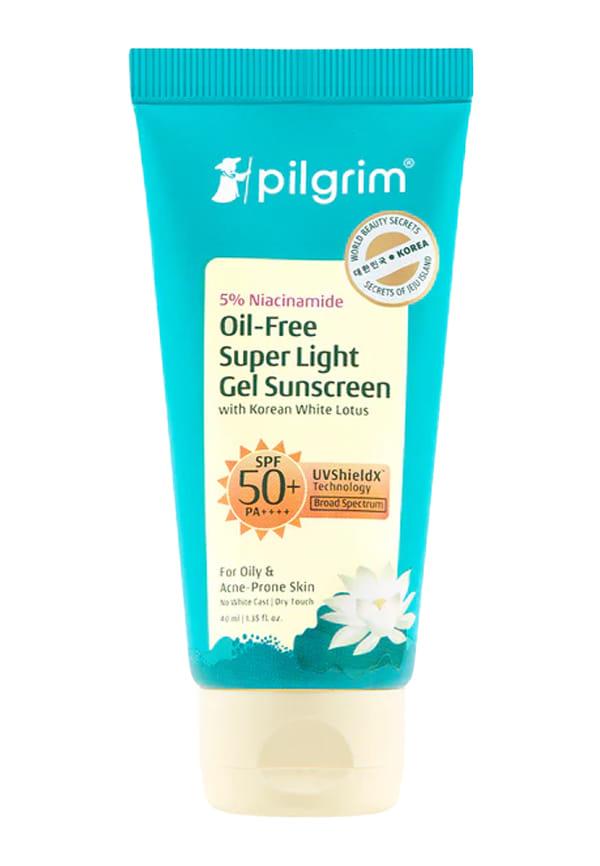 40 ml
40 ml5% Niacinamide Oil-Free Super Light Gel Sunscreen SPF 50+ PA++++
How you apply your sunscreen for face sensitive skin is just as important as what you apply. Use about a quarter teaspoon for your face and neck—most people use far too little, which dramatically reduces protection. Apply your sunscreen as the last step in your morning skincare routine, about 15-20 minutes before sun exposure. This gives it time to settle and form a proper protective barrier.
Reapplying sunscreen every two hours is crucial, but it can be tricky with sensitive skin. Look for lightweight, non-comedogenic formulas that layer well without pilling or causing irritation.
Not all sensitive skin is created equal, and your perfect sunblock for sensitive skin depends on your specific concerns and skin type combination. For those dealing with both sensitivity and acne, non comedogenic sunscreen options are essential. Look for oil-free, lightweight gel formulations that won't clog pores whilst still providing adequate protection.
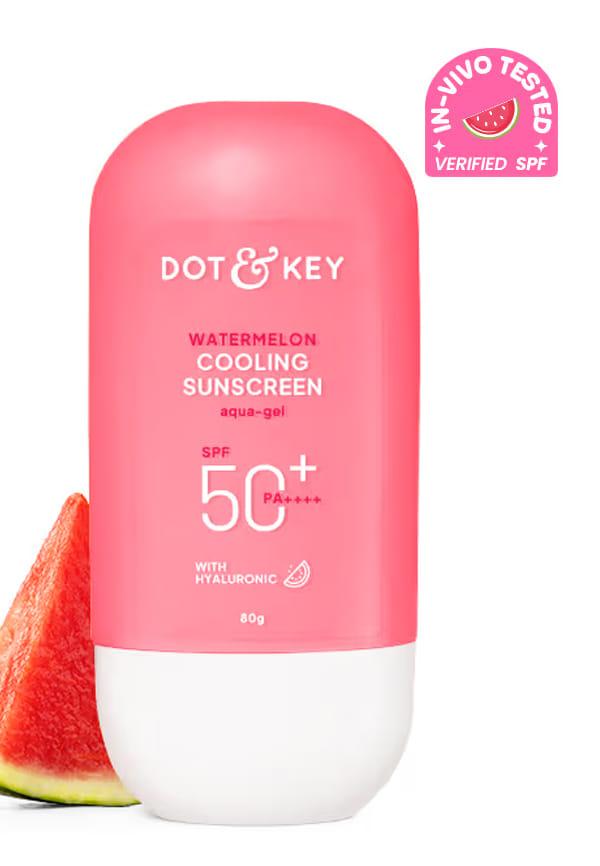 80 gm
80 gmWatermelon Cooling Sunscreen, IN-VIVO Tested SPF 50+ PA++++
If your sensitive skin tends towards dryness, cream-based sunscreens with added moisturising ingredients work brilliantly. Look for formulas containing hyaluronic acid, glycerin, or ceramides that provide hydration alongside protection. These richer formulations can double as your morning moisturiser, simplifying your routine whilst ensuring your skin stays comfortable throughout the day.
Combination sensitive skin needs a delicate balance—protection without greasiness in your T-zone, but enough moisture for drier areas. Lightweight, fast-absorbing formulas with a slight mattifying effect often work well.
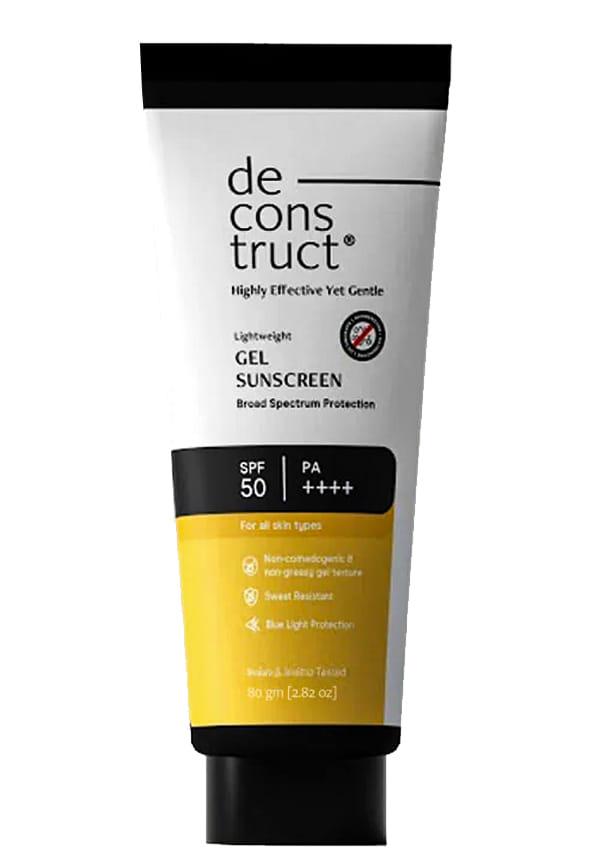 80 gm
80 gmLightweight Gel Sunscreen- SPF 50+ and PA+++
Dermatologists have specific criteria when recommending sunscreens for sensitive skin patients. Understanding these can help you make smarter choices when browsing the skincare aisle. Look for products that are specifically labelled as dermatologist-tested and hypoallergenic. Whilst these aren't regulated terms, reputable brands that use them typically conduct proper testing to back up their claims.
Before committing to any new fragrance free sunscreen, always patch test. Apply a small amount to your inner wrist or behind your ear and wait 24-48 hours to see if any reaction occurs. This simple step can save you from a face full of irritation and help you identify products that work well with your unique skin chemistry.
Be wary of terms like "all-natural" or "chemical-free" as marketing buzzwords. Natural doesn't always mean gentle, and all sunscreens contain chemicals—it's about choosing the right ones for your skin. Focus on ingredient lists and clinical testing rather than flashy marketing claims.
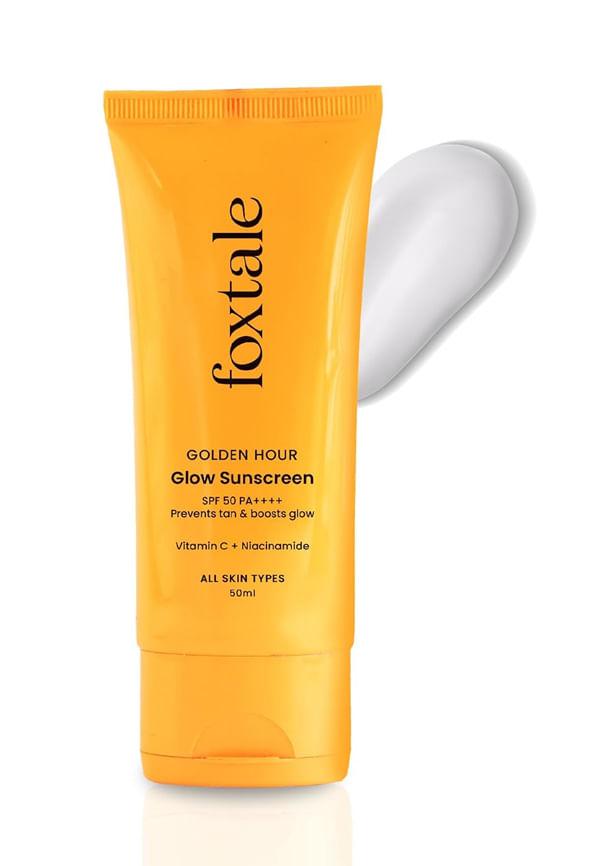 50 ml
50 mlGlow Sunscreen SPF 50 PA++++ Lightweight with Vitamin C and Niacinamide,
Proper application technique can make the difference between a sunscreen that works beautifully and one that causes irritation. Start with clean, properly prepared skin—but avoid over-cleansing, which can increase sensitivity. Apply your sunscreen using gentle patting motions rather than rubbing vigorously. This reduces friction and potential irritation whilst ensuring even coverage.
Allow each skincare layer to absorb before applying the next. If you're using serums or treatments, wait a few minutes before applying your gentle sunscreen to prevent pilling or reduced effectiveness. Morning routines for sensitive skin should be streamlined—the fewer products you layer, the less chance of irritation.
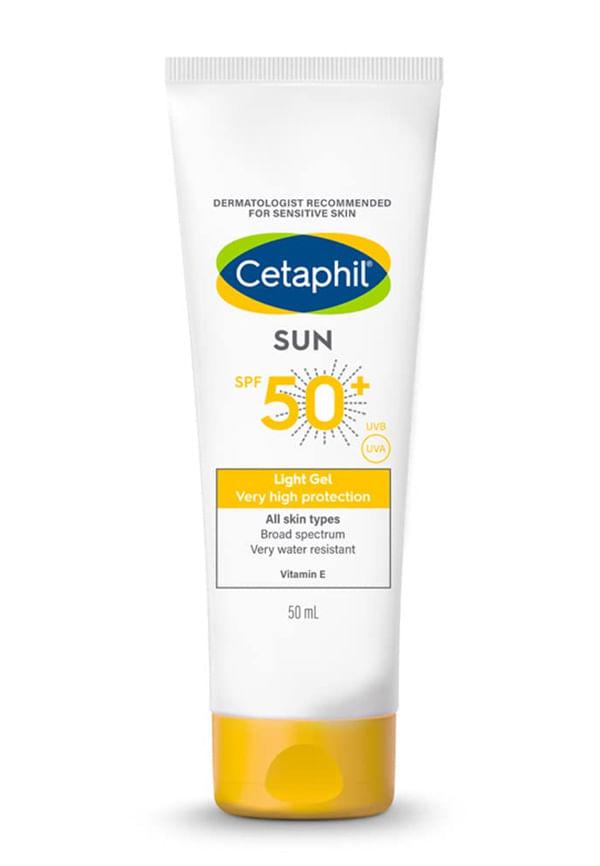 50 ml
50 mlSun Spf 50+ Light Gel
Under-application is the biggest mistake people make with sunscreen. Using too little dramatically reduces protection, which is particularly problematic for sensitive skin that may already be more vulnerable to UV damage. Missing spots like the ears, neck, and around the eyes is another common issue. These areas are often the most sensitive and need consistent protection. Finding the perfect sunscreen for your sensitive skin doesn't have to involve endless trial and error. With platforms like Smytten, you can explore curated trial packs from trusted brands, allowing you to test different formulations before committing to full-size purchases. This approach is particularly valuable for sensitive skin, where finding the right product can take time and patience.
Mineral sunscreens containing zinc oxide or titanium dioxide are generally the safest choice for sensitive skin. These physical blockers sit on top of the skin rather than absorbing into it, reducing the likelihood of irritation and allergic reactions.
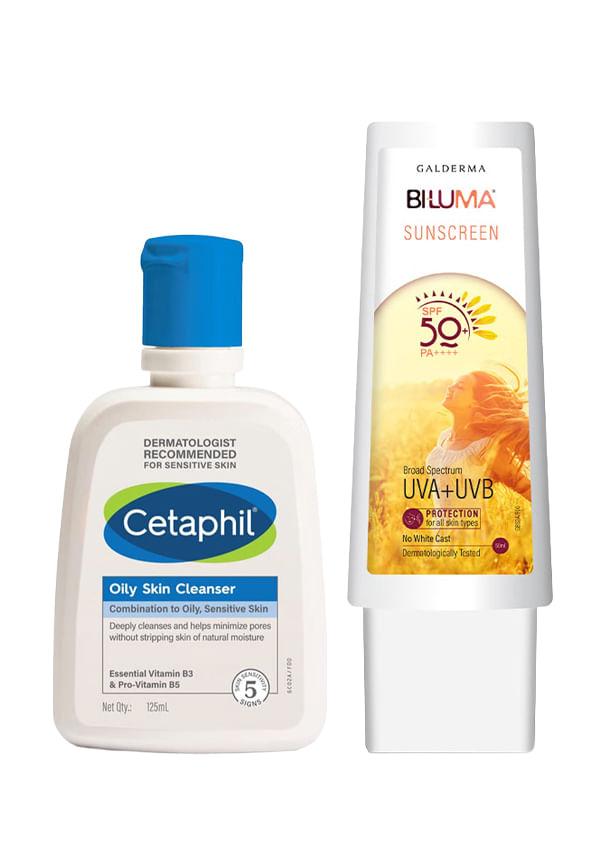 Combo
ComboSensitive Skin Summer Protection
Absolutely, and you should. Daily sun protection is crucial for sensitive skin, which may be more vulnerable to UV damage. Start with a gentle, mineral-based formula and apply it consistently to build tolerance.
SPF 30-50 provides excellent protection for daily use without requiring high concentrations of potentially irritating ingredients. Higher SPFs often contain more active ingredients that could trigger sensitivity.
Look for products labelled as dermatologist-tested, fragrance-free, and hypoallergenic. However, always patch test new products, as individual sensitivities vary regardless of product claims.
Yes, but keep your routine simple when dealing with sensitive skin. Apply sunscreen as your final step after moisturiser, and allow each layer to absorb fully before applying the next.
Stop using it immediately and switch to a gentle, mineral-based alternative. If irritation persists, consult a dermatologist to identify specific triggers and get personalised recommendations.
Choosing the perfect sunscreen for sensitive skin is about understanding your skin's unique needs and being patient with the selection process. Mineral sunscreens with zinc oxide or titanium dioxide offer the gentlest protection, whilst avoiding common irritants like fragrances and harsh chemical filters. Remember that proper application technique is just as important as choosing the right product. Use adequate amounts, apply gently, and reapply consistently for optimal protection. With Smytten's trial packs, you can explore different formulations from over 1,500 trusted brands without the commitment of full-size purchases, making it easier to find your perfect match. After all, when it comes to protecting your sensitive skin, why settle for maybe when you can try it all and find exactly what works for you?
