How to Choose the Perfect Exfoliating Scrub

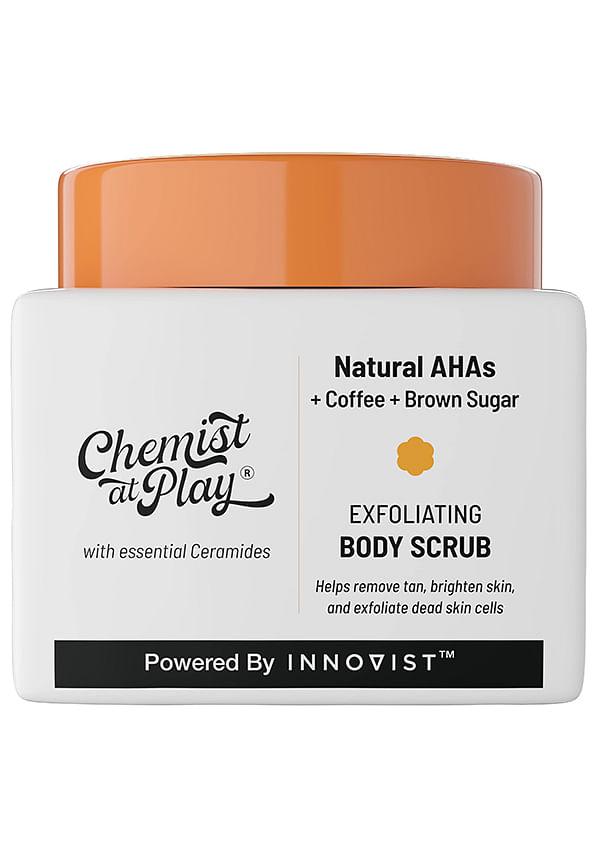 75 gm
75 gmExfoliating Body Scrub For Removing Tan & Dead Skin Cells
Let's be real—finding the right exfoliating scrub can feel like navigating a maze. With endless options promising smooth, glowing skin, how do you know which one's worth your time? Whether you're looking to shop exfoliating scrubs for the first time or switching up your routine, the key is understanding what your skin actually needs. From gentle face scrubs to powerful body scrubs, each type serves a purpose. The trick is matching the right formula to your skin type, concerns, and lifestyle. Ready to decode the world of skin exfoliation and find your perfect match?
Not all scrubs are created equal, and knowing the difference can save you from some serious skincare mishaps. The world of exfoliation is broader than you might think, with options ranging from gentle daily-use formulas to intensive weekly treatments.
Your face and body have completely different needs when it comes to exfoliation. Face scrubs typically contain finer particles because facial skin is more delicate and prone to irritation. Body scrubs, on the other hand, can handle coarser textures since body skin is thicker and more resilient.
The formulation strength also varies significantly. A face scrub might use gentle sugar crystals or jojoba beads, whilst a body scrub could feature salt crystals or pumice for tackling rough patches on elbows and heels. Application frequency differs too—face scrubs are usually used 1-2 times weekly, whilst body scrubs can be used 2-3 times depending on your skin's tolerance.
Physical exfoliants like sugar scrub and salt scrub work by manually buffing away dead skin cells. Sugar scrubs tend to be gentler and dissolve as you massage, making them perfect for sensitive skin. Salt scrubs pack more punch and are brilliant for very dry or rough skin areas.
Natural exfoliants like ground coffee, oatmeal, or crushed fruit pits offer varying levels of intensity. Coffee grounds provide moderate exfoliation plus caffeine benefits, whilst oatmeal acts as a gentle exfoliator that's perfect for reactive skin. Chemical exfoliants, though not technically scrubs, use acids to dissolve dead skin cells and can be found in some exfoliating body wash formulas.
Before you shop exfoliating scrubs, you need to understand your skin's personality. Different skin types respond differently to exfoliation, and using the wrong type can lead to irritation, breakouts, or excessive dryness.
Oily skin can typically handle more frequent exfoliation and stronger formulas. Look for scrubs with salicylic acid or tea tree oil to help control excess oil. Dry skin needs gentle exfoliators paired with moisturising ingredients like shea butter or glycerin. Combination skin requires a balanced approach—perhaps a gentle exfoliator for the T-zone and a more moisturising formula for drier areas.
Sensitive skin needs the most careful consideration. Signs your skin needs exfoliation include dullness, rough texture, clogged pores, or makeup that doesn't apply smoothly. However, if you notice redness, stinging, or increased sensitivity after exfoliating, you might be overdoing it.
Over-exfoliation is probably the biggest mistake people make. Warning signs include persistent redness, increased sensitivity, or skin that feels tight and uncomfortable. Your skin might also become more prone to breakouts if you're stripping away its natural protective barrier.
Another common error is using products that don't play well together. For instance, combining a strong physical scrub with retinol or acids can cause serious irritation. Seasonal changes also affect your skin's needs—what works in humid summer might be too harsh for dry winter skin.
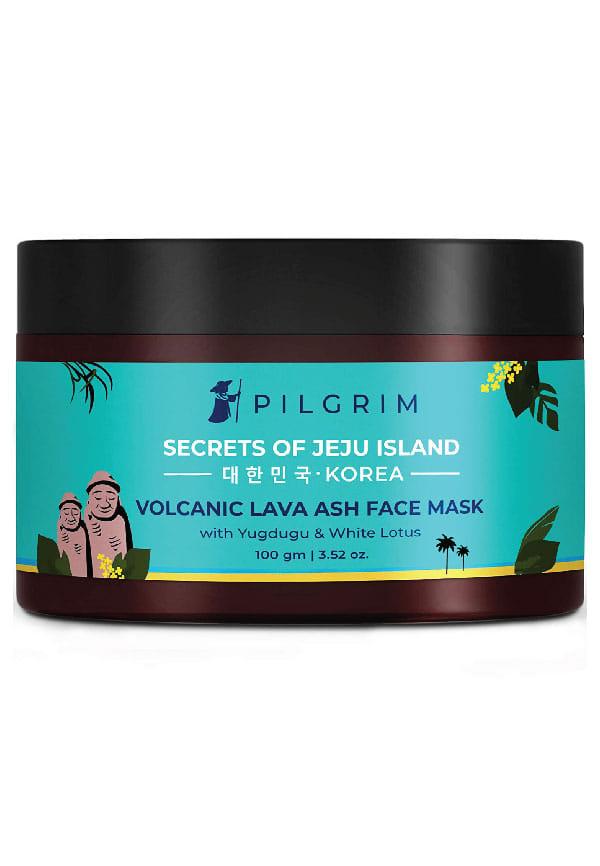 100 gm
Volcanic Lava Ash Face Scrub with Yugdugu & White Lotus
The ingredient list tells you everything about how a scrub will perform. Understanding what to look for helps you make smarter choices and avoid formulas that might irritate your skin.
Sugar scrubs are brilliant for beginners because sugar crystals dissolve as you massage, reducing the risk of over-exfoliation. They're also naturally humectant, meaning they help draw moisture to your skin. Brown sugar is gentler than white sugar due to its smaller crystal size and natural molasses content.
Salt scrubs offer more intensive exfoliation and are packed with minerals that can benefit your skin. Sea salt contains magnesium and potassium, which can help soothe inflammation. However, salt can be drying, so look for formulas that include nourishing oils.
Coffee grounds provide moderate exfoliation whilst delivering caffeine that may help improve circulation. Oatmeal is incredibly gentle and contains compounds that naturally soothe irritated skin. Crushed fruit pits or shells offer varying textures but can sometimes be too harsh for sensitive skin.
The best body scrub formulas don't just exfoliate—they nourish too. Look for moisturising oils like coconut, jojoba, or argan oil that help maintain your skin's barrier function. Butters like shea or cocoa provide deep hydration and help prevent post-exfoliation dryness.
Soothing ingredients like aloe vera, chamomile, or green tea can help calm any irritation from the exfoliation process. Glycerin is another hero ingredient that helps your skin retain moisture long after you've rinsed off the scrub.
Different skin concerns require different approaches to exfoliation. Targeting your specific issues helps you choose a scrub that delivers real results rather than just temporary smoothness.
For dry, flaky skin, look for scrubs with gentle exfoliants combined with rich moisturising ingredients. Ingredients like lactic acid can provide mild chemical exfoliation whilst hydrating your skin. Avoid harsh scrubs that might further compromise your skin barrier.
If ingrown hairs are your concern, choose scrubs with salicylic acid or glycolic acid that can penetrate pores and prevent hair from getting trapped. Regular exfoliation in areas prone to ingrown hairs can significantly reduce their occurrence.
For rough patches and calluses, you'll need something with more oomph. Salt scrubs or pumice-based formulas can tackle stubborn areas like elbows, knees, and heels. For uneven skin tone, look for scrubs containing vitamin C, kojic acid, or fruit enzymes that can help brighten whilst they buff.
Proper application makes all the difference in getting smooth, healthy results. Start with damp skin—never apply scrub to completely dry skin as this can cause micro-tears. Use gentle, circular motions and let the product do the work rather than applying excessive pressure.
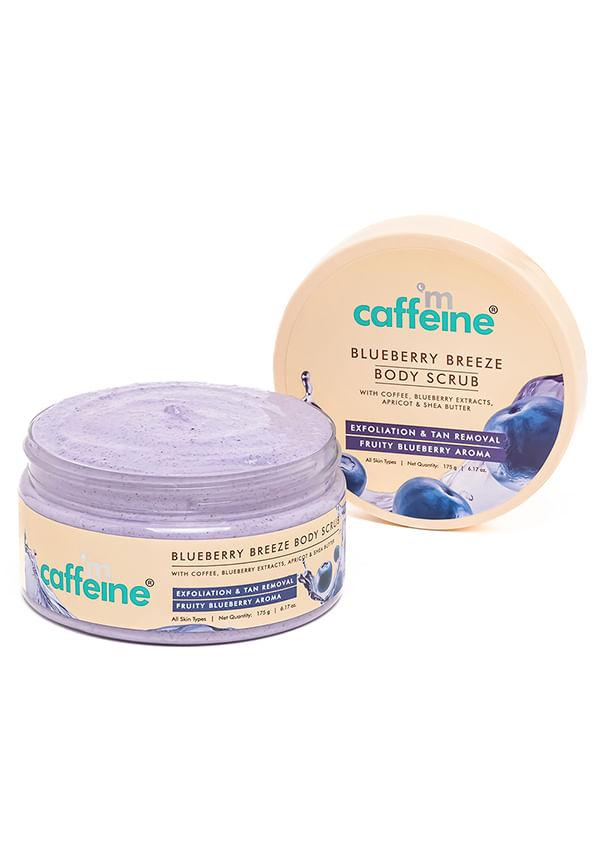 175 gm
Blueberry Breeze Body Scrub for Glowing Skin | Exfoliates & Removes Tan
Pre-exfoliation, consider using a gentle cleanser to remove surface dirt and oil. Post-exfoliation care is crucial—always follow up with a moisturiser to lock in hydration. If you're using an exfoliating body wash in your routine, use it on alternate days to your scrub to avoid over-exfoliation.
Facial exfoliation requires extra care since the skin on your face is more delicate and visible. The wrong choice can lead to irritation, breakouts, or even scarring in severe cases.
Fine-grain scrubs are generally safer for facial use than coarse-grain options. Look for spherical beads rather than jagged particles that can create microscopic tears in your skin. Jojoba beads, rice powder, or finely ground oatmeal are excellent gentle options.
For sensitive skin, enzyme-based scrubs offer exfoliation without physical abrasion. Papaya and pineapple enzymes naturally dissolve dead skin cells without the need for scrubbing. These formulations often provide anti-ageing benefits too, as they can help improve skin texture and tone over time.
Dermatologist-recommended ingredients like alpha-hydroxy acids (AHAs) and beta-hydroxy acids (BHAs) can provide professional-level results at home. However, these require careful introduction to your routine and proper sun protection.
DIY natural alternatives can be effective but require caution. Homemade scrubs using kitchen ingredients might seem appealing, but they can be unpredictable in terms of particle size and pH levels. If you're dealing with specific skin concerns like acne or hyperpigmentation, professional treatments might be more appropriate.
Building an effective exfoliation routine isn't just about choosing the right products—it's about creating a sustainable system that works with your lifestyle and skin's changing needs.
Most people benefit from exfoliating 1-3 times per week, depending on their skin type and the product's intensity. Start slowly—once a week for the first month—then gradually increase frequency if your skin tolerates it well. Oily skin might handle more frequent exfoliation, whilst dry or sensitive skin should stick to once or twice weekly.
Seasonal adjustments are important too. Your skin might need gentler exfoliation during harsh winter months or more intensive treatment during humid summer weather. Product rotation can also be beneficial—alternating between different types of exfoliants prevents your skin from becoming too accustomed to one formula.
Post-exfoliation moisturising isn't optional—it's essential. Exfoliation removes your skin's protective barrier temporarily, making it more susceptible to moisture loss and environmental damage. Apply moisturiser while your skin is still slightly damp to lock in maximum hydration.
Sun protection becomes even more critical after exfoliation since you've removed the top layer of dead skin cells that provide some natural protection. Always use SPF 30 or higher the day after exfoliating, especially on your face.
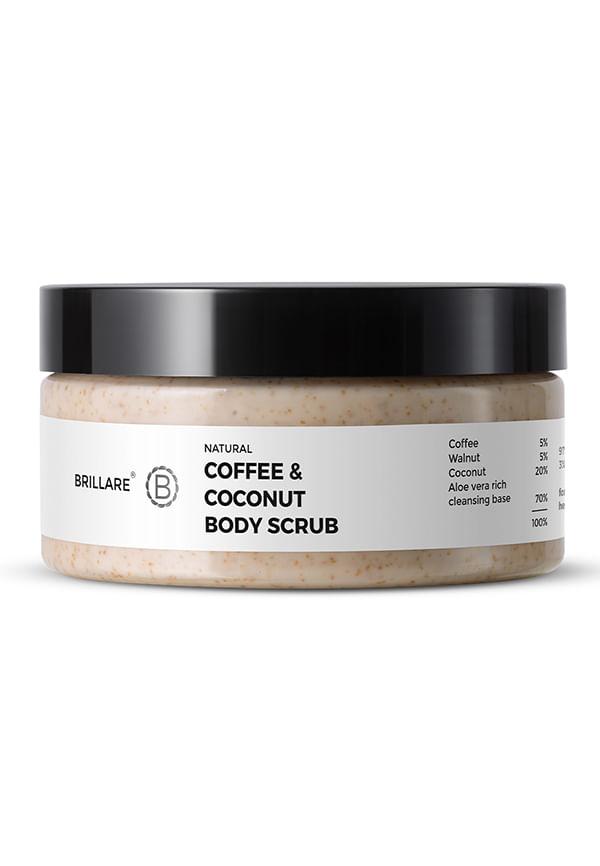 200 ML
COFFEE & COCONUT BODY SCRUB
This is where platforms like Smytten become invaluable for skincare enthusiasts. With over 1,500 trusted brands including Cetaphil and Dot & Key, you can try different exfoliating formulas through curated trial packs before committing to full-size purchases. Getting up to 8 minis for just ₹249 with 100% cashback makes it easy to experiment and find what works best for your skin without the financial risk.
Most skin types benefit from exfoliating 1-3 times per week. Start with once weekly and gradually increase if your skin tolerates it well. Sensitive skin should stick to once or twice weekly, whilst oily skin might handle more frequent exfoliation.
Generally, no. Face scrubs are formulated with finer particles for delicate facial skin, whilst body scrubs contain coarser exfoliants. Using a body scrub on your face could cause irritation or micro-tears.
Sugar scrubs are gentler as the crystals dissolve during use and naturally moisturise skin. Salt scrubs provide more intensive exfoliation and contain beneficial minerals but can be more drying.
Not necessarily. Natural doesn't always mean gentler—some natural exfoliants like crushed shells can be quite harsh. The key is choosing the right particle size and shape for your skin type, regardless of whether it's natural or synthetic.
Warning signs include persistent redness, stinging, increased sensitivity, or skin that feels tight after use. If you experience any of these symptoms, switch to a gentler formula or reduce frequency.
Yes, but not on the same day. Alternate between them to avoid over-exfoliation. You might use an exfoliating body wash 2-3 times weekly and a scrub once weekly.
Choosing the perfect exfoliating scrub doesn't have to be overwhelming once you understand your skin's needs and the different options available. Whether you're looking for a gentle face scrub for sensitive skin or a powerful body scrub for stubborn rough patches, the key is starting slowly and paying attention to how your skin responds.
Remember that great skincare is about consistency and finding products that work specifically for you. What works for your friend might not work for your skin, and that's perfectly normal. The beauty of modern skincare is having access to so many options—from traditional sugar and salt scrubs to innovative enzyme-based gentle exfoliators.
With Smytten's trial platform, you can explore different exfoliating products from trusted brands without the commitment of full-size purchases. This approach lets you build a personalised routine that truly works for your skin type and concerns. After all, why settle for 'maybe' when you can try it all and find your perfect match?
