How to Choose the Best Vitamin C for Oily Skin Formulations


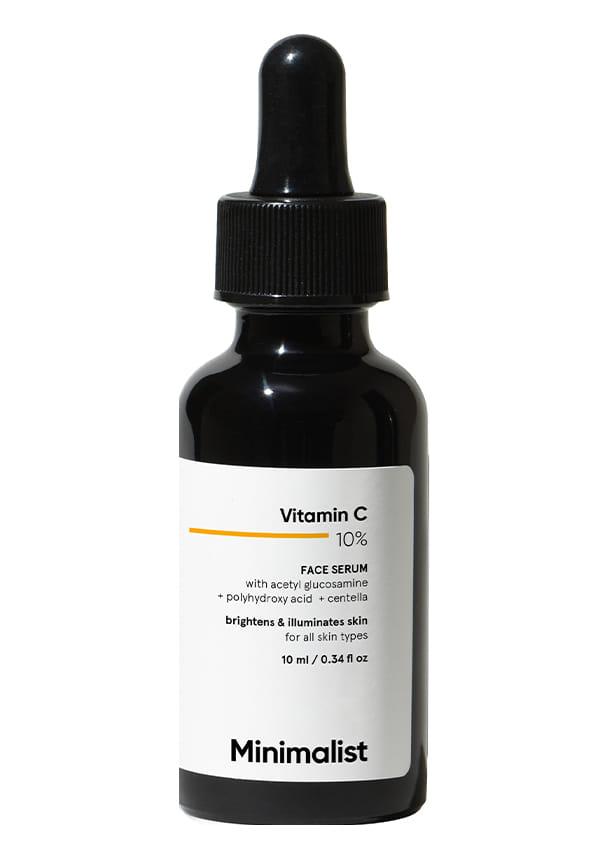 10 ml
10 ml10% Vitamin C Face Serum For Skin Brightening & Reduce Sun Damage
You've been dealing with oily skin for years, and every time you hear about vitamin C's brightening benefits, you wonder: will it just make my skin greasier? The truth is, vitamin C for oily skin formulations can be absolute game-changers when you know what to look for. The key isn't avoiding vitamin C altogether—it's choosing the right type and formulation that works with your skin's natural oil production, not against it.
Real talk: oily skin gets a bad reputation, but it's actually quite resilient. The challenge comes when excess sebum mixes with environmental pollutants, leading to clogged pores, dullness, and that frustrating cycle of breakouts. This is where oily skin vitamin c benefits become incredibly valuable.
Vitamin C works as a powerful antioxidant that neutralises free radicals before they can damage your skin cells. For oily skin types, this means less oxidative stress on sebaceous glands, which can help regulate oil production over time. The vitamin also supports collagen synthesis, helping to minimise the appearance of enlarged pores that often plague oily skin.
One of the most compelling benefits is vitamin C's anti-inflammatory properties. When your skin produces excess oil, it's often responding to inflammation or irritation. By calming this inflammatory response, vitamin C can help break the cycle of reactive oil production. Many people notice their skin feels more balanced after consistent use.
There's a common myth that vitamin C will make oily skin worse, but this usually stems from using the wrong formulation. Heavy, oil-based vitamin C products can indeed clog pores, but water-based formulations are designed to absorb quickly without leaving residue.
Not all vitamin C is created equal, especially when you're dealing with oily skin. The derivative you choose can make the difference between a product that transforms your complexion and one that sits uncomfortably on your skin all day.
Ascorbic acid oily skin compatibility is excellent because this pure form of vitamin C delivers maximum potency in water-based formulations. L-ascorbic acid penetrates skin effectively and provides the most research-backed results for brightening and antioxidant protection.
For oily skin, look for concentrations between 10-20%. Starting at 10% allows your skin to build tolerance, while 15-20% provides more dramatic results for stubborn concerns like post-acne marks. The key is ensuring the pH stays between 3.5-4.0 for optimal absorption.
If L-ascorbic acid feels too intense, vitamin c derivatives for oily skin offer gentler alternatives. Ethyl Ascorbic Acid is particularly brilliant for sensitive oily skin because it's stable, effective, and less likely to cause irritation while still delivering brightening benefits.
Magnesium Ascorbyl Phosphate is another excellent choice, especially if you're dealing with acne alongside oily skin. This derivative has mild antimicrobial properties that can help with breakout-prone areas whilst providing vitamin C benefits.
For oily skin, water-soluble vitamin C derivatives are typically your best bet. They absorb quickly, don't leave a greasy residue, and work well under other skincare products and makeup. Ascorbyl Palmitate, whilst oil-soluble, is generally too heavy for daily use on oily skin types.
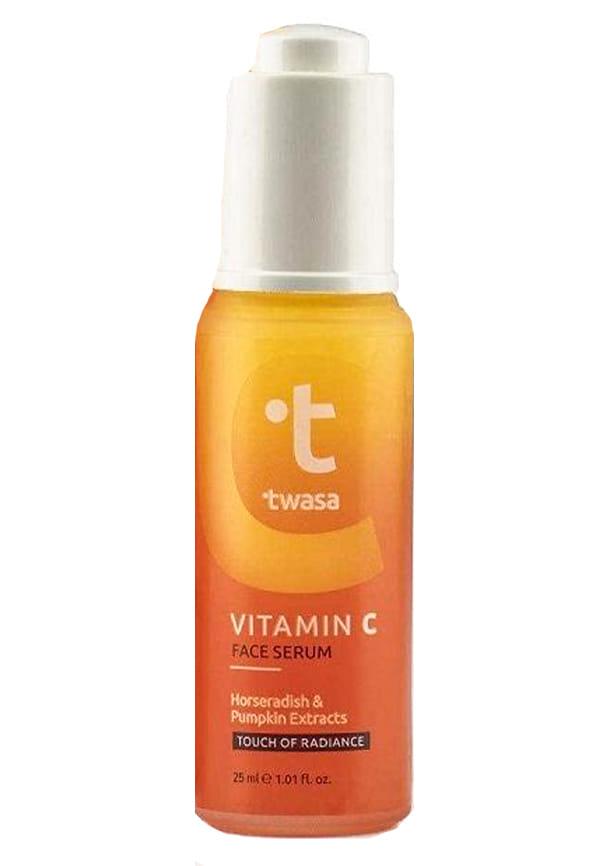 25ml
25mlVitamin C Face Serum For Glowing Skin With Hyaluronic Acid
The formulation type can be just as important as the vitamin C derivative itself. Your skin's needs might vary depending on the season, your routine, and what other products you're using.
A vitamin c serum oily skin formulation should feel lightweight and absorb within 30 seconds of application. Look for gel-like or watery textures rather than thick, creamy consistencies. The best serums for oily skin often contain hyaluronic acid for hydration without weight, and niacinamide for additional oil control.
Apply your serum to clean, dry skin and allow it to absorb completely before layering other products. If you're using a high-concentration L-ascorbic acid serum, you might notice slight tingling initially—this is normal and should subside as your skin adjusts.
A vitamin c cleanser oily skin option can be brilliant for gentle daily vitamin C exposure without the commitment of a leave-on product. These cleansers typically use stable derivatives that won't irritate during the brief contact time.
Vitamin c toner oily skin formulations work well as a prep step, helping to balance pH and enhance absorption of subsequent products. Toners with vitamin C derivatives often include additional oil-controlling ingredients like witch hazel or salicylic acid.
The supporting cast in your vitamin C product can make or break its effectiveness for oily skin. Some ingredients enhance vitamin C's benefits, whilst others can counteract them entirely.
Niacinamide is perhaps the best companion for vitamin C in oil control skincare routines. It helps regulate sebum production whilst enhancing vitamin C's brightening effects. Many people find this combination more effective than either ingredient alone.
Hyaluronic acid provides essential hydration without any greasy feel. Oily skin still needs moisture, and this ingredient delivers it in the most lightweight way possible. Zinc is another excellent addition, offering antimicrobial benefits for acne-prone oily skin.
Heavy oils like coconut oil or shea butter can clog pores when combined with vitamin C. Similarly, thick silicones might create a barrier that prevents proper absorption. Alcohol-based formulas might seem appealing for oily skin, but they can trigger reactive oil production.
Fragrances and certain preservatives can cause irritation, which leads to inflammation and potentially more oil production. Keep formulations simple and functional.
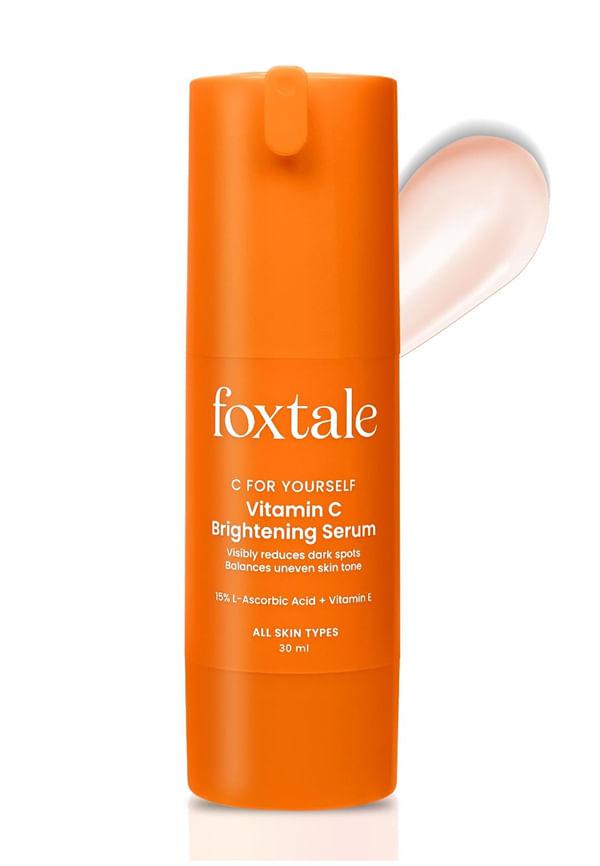 30 ml
30 ml15% Vitamin C Face Serum for Glowing Skin, Pure L-Ascorbic Acid and Vitamin E
Timing and layering make all the difference when introducing vitamin C to oily skin. The goal is maximum benefits with minimal disruption to your skin's balance.
Morning application maximises vitamin C's antioxidant protection against daily environmental stressors. Your routine should flow: gentle cleanser, vitamin c toner oily skin (if using), brightening serum oily skin formulation, lightweight moisturiser, and broad-spectrum SPF.
Allow each product to absorb fully before applying the next. This prevents pilling and ensures each ingredient can work effectively.
Vitamin C pairs beautifully with tretinoin for oily skin, but timing matters. Use vitamin C in the morning and tretinoin at night to avoid potential irritation whilst maximising benefits from both ingredients.
Salicylic acid and vitamin C can work together for the best vitamin c for acne prone skin routine. Use salicylic acid in the evening and vitamin C in the morning, or look for products that combine stable vitamin C derivatives with BHA.
Start with every other day application and gradually increase to daily use as your skin builds tolerance. Watch for signs of over-use: increased sensitivity, redness, or paradoxically, more oil production.
Smart shopping for vitamin C products requires understanding what separates effective formulations from marketing hype. Several key factors determine whether a product will work for your oily skin.
Dark glass bottles or airless pump containers protect vitamin C from light and air exposure, which can cause oxidation. If your vitamin C serum turns brown or yellow, it's lost potency and should be replaced.
Check expiration dates carefully—vitamin C products typically have shorter shelf lives than other skincare items. Store them in cool, dry places away from bathroom humidity.
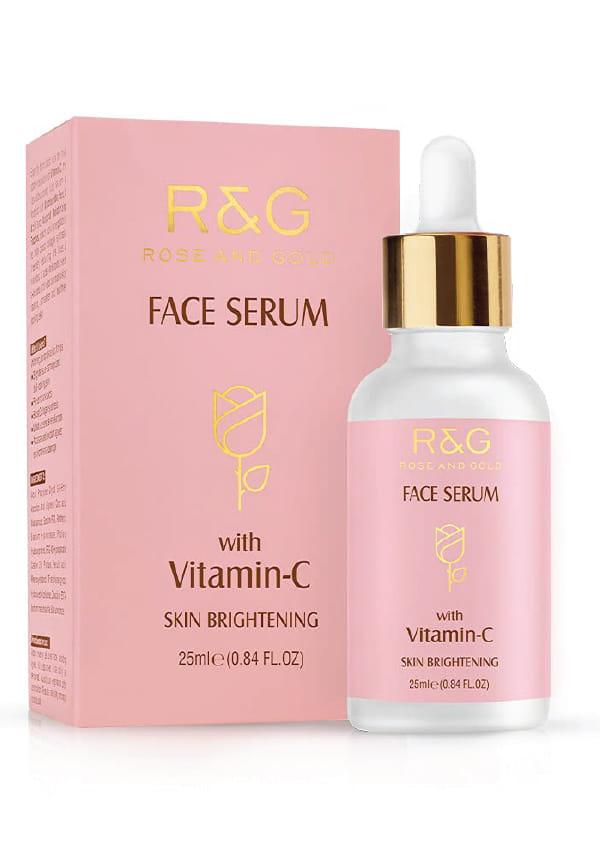 25 ml
25 mlVitamin C Face Serum For Skin Brightening
For oily skin, 10-15% L-ascorbic acid provides excellent results without overwhelming the skin. Higher concentrations aren't always better and can cause irritation that triggers more oil production.
pH matters enormously for L-ascorbic acid effectiveness. Products should maintain a pH between 3.5-4.0 for optimal penetration. Stable derivatives are less pH-dependent but still work best in slightly acidic formulations.
Effective vitamin C doesn't require a premium price tag. Focus on proper concentration, stable packaging, and complementary ingredients rather than brand prestige. However, extremely cheap options might compromise on stability or use ineffective derivatives.
L-ascorbic acid in water-based formulations typically works best for oily skin. It provides maximum potency whilst avoiding pore-clogging oils. Stable derivatives like ethyl ascorbic acid are excellent alternatives for sensitive oily skin types.
Absolutely. Vitamin C helps regulate oil production by reducing oxidative stress and inflammation. It also provides antioxidant protection and brightening benefits that oily skin types often need for post-acne marks and dullness.
Yes, vitamin C pairs well with niacinamide, hyaluronic acid, and even tretinoin when used properly. The key is proper timing—vitamin C works brilliantly in morning routines whilst other actives like retinoids are better for evening use.
Start with every other day and gradually increase to daily morning use. Your skin will tell you if you're overdoing it through increased sensitivity or irritation. Most people with oily skin can handle daily vitamin C use once their skin adjusts.
Properly formulated vitamin C shouldn't increase oil production. In fact, by reducing inflammation and oxidative stress, it often helps balance oil production over time. If you notice increased oiliness, you might be using too heavy a formulation or too high a concentration.
Finding the right vitamin C skin formulations for oily skin is about understanding your skin's unique needs and choosing products that work with, not against, your natural oil production. The best approach combines the right derivative, proper concentration, and complementary ingredients in lightweight, fast-absorbing formulations.
Remember that consistency matters more than perfection. A moderate-strength vitamin C serum used daily will deliver better results than a high-concentration product used sporadically. Your skin will notice the difference in brightness, clarity, and overall balance within a few weeks of consistent use.
Smytten's curated selection includes vitamin C products from trusted brands that understand oily skin's specific needs. With over 28 million users discovering their perfect skincare matches, the platform makes it easier to find formulations that actually work for your skin type. If you're curious about trying a new vitamin C product but not ready to commit to full-size, Smytten also offers minis from many of these brands, letting you test different formulations before making a larger investment.
