How to Choose the Best Sunscreen for Your Skin
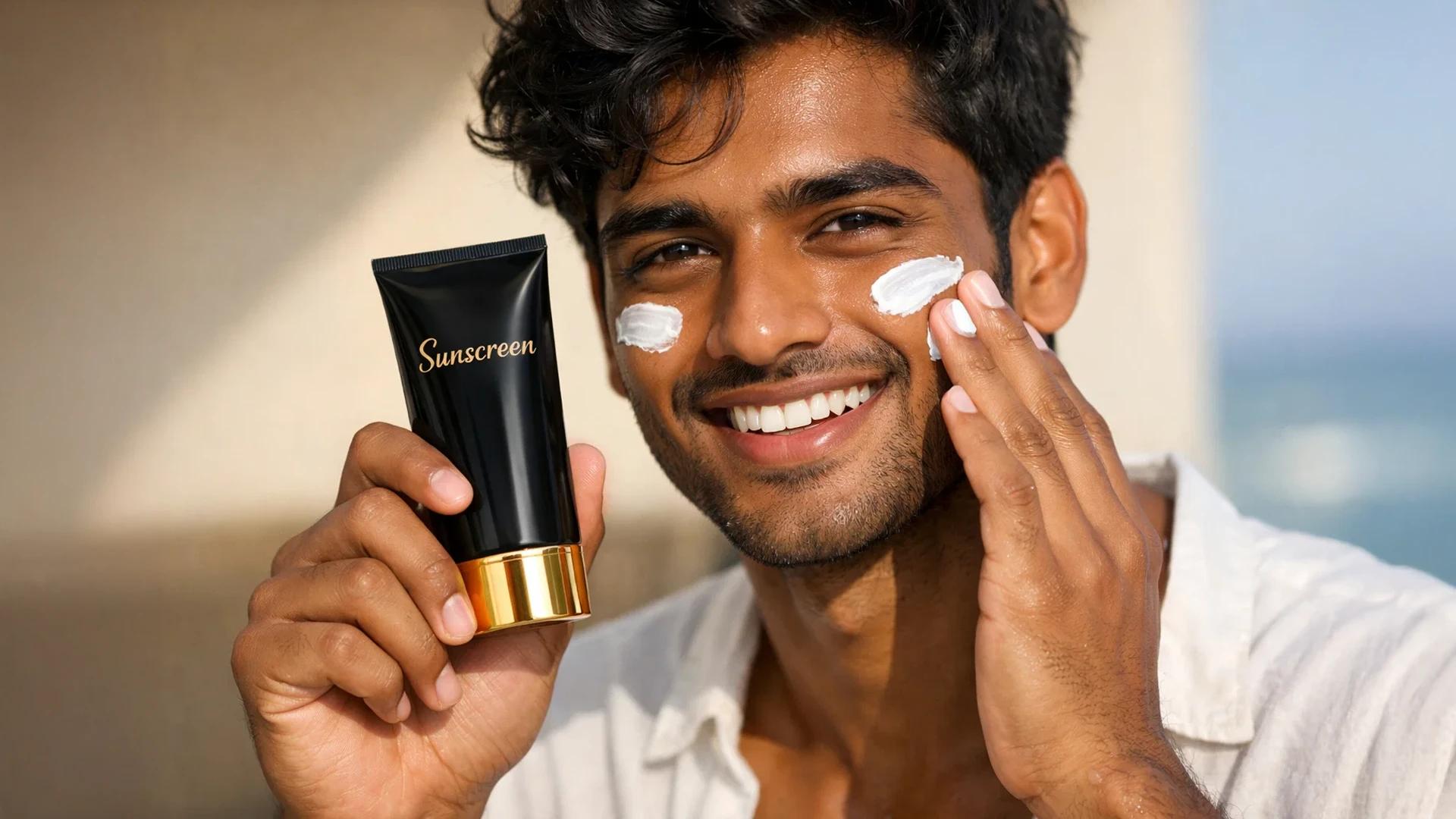

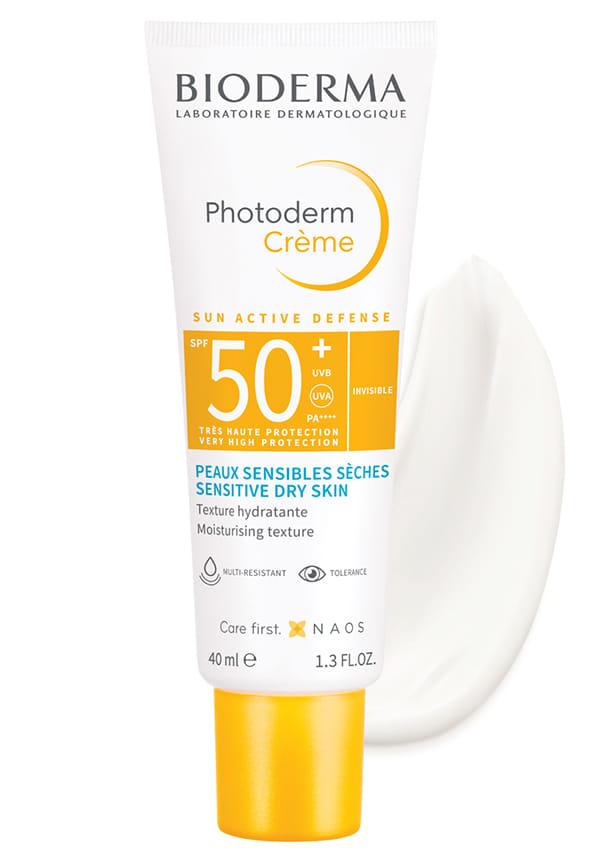 40 ml
40 mlPhotoderm Max Creme Spf 50+
Let's be real—choosing the right sunscreen can feel like solving a puzzle with way too many pieces. You're standing in the skincare aisle, staring at bottles promising everything from invisible protection to glowing skin, and honestly? It's overwhelming. But here's the thing: finding your perfect sunscreen match isn't just about slapping on any SPF and calling it a day. The best sunscreen types to try depend entirely on your skin's unique needs, lifestyle, and what you actually want from your sun protection. Whether you're dealing with sensitive skin that reacts to everything or oily skin that turns every cream into a greasy mess, there's a formula out there that'll work for you. This sunscreen guide breaks down everything you need to know to make that choice feel less like guesswork and more like finding your skincare soulmate.
Before diving into which types of sunscreen might become your new fave, let's sort out the basics. Think of this as your crash course in sun protection science—minus the boring textbook vibes.
Chemical sunscreen works like a sponge, absorbing UV rays and converting them into heat that your skin then releases. These formulas typically contain ingredients like avobenzone, octinoxate, or oxybenzone. They're brilliant for creating lightweight, invisible finishes that play well under makeup. Mineral sunscreen, on the other hand, sits on your skin's surface like a protective shield, physically blocking UV rays with zinc oxide or titanium dioxide. These are your go-to options if you've got reactive skin or prefer knowing exactly what's happening on your face. Hybrid formulations combine both approaches, giving you the best of both worlds—lightweight feel with gentle protection.
SPF numbers aren't just random digits brands slap on bottles. SPF 30 blocks about 97% of UVB rays, while SPF 50 blocks around 98%. That 1% difference might not sound massive, but it can matter if you're spending hours outdoors. Broad spectrum sunscreen protects against both UVA and UVB rays—this isn't negotiable. UVB causes burns, but UVA is the sneaky one that causes premature ageing and penetrates deeper into your skin.
Now for the good stuff—matching your skin type with formulas that actually work for you. No more settling for sunscreens that pill, sting, or turn you into an oil slick by lunchtime.
If your skin throws tantrums at the slightest provocation, mineral sunscreen is likely your safest bet. Look for formulas with zinc oxide as the primary active ingredient—it's gentle, effective, and less likely to cause reactions. Fragrance-free options are non-negotiable here. Even "natural" fragrances can trigger sensitivity. Brands often formulate specific lines for reactive skin, so keep an eye out for hypoallergenic labels. Avoid chemical filters like oxybenzone or octinoxate if your skin is particularly fussy. These can sometimes cause stinging or irritation, especially around the delicate eye area.
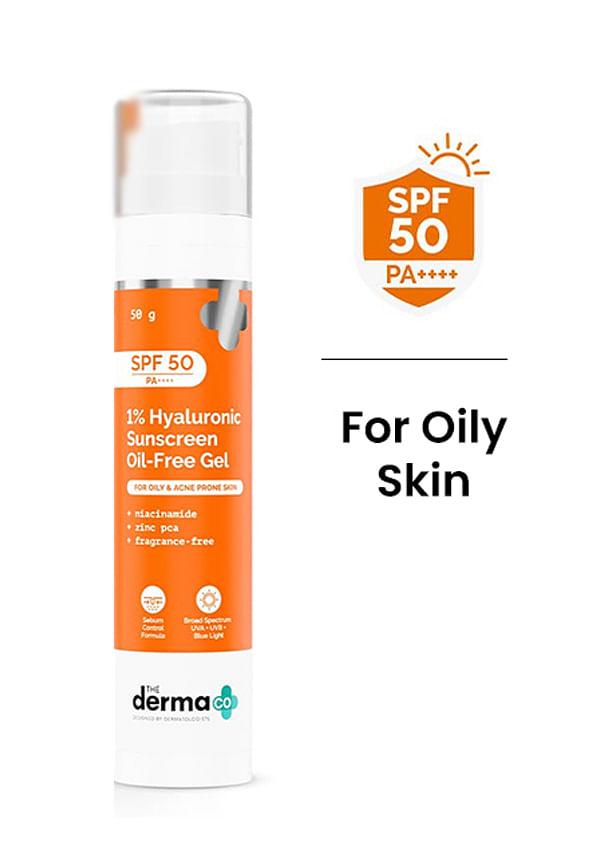 50g
50g1% Hyaluronic Sunscreen Oil-Free Gel
Oily skin and sunscreen don't have to be enemies. Gel-based formulas and oil-free options can actually help control shine while protecting your skin. Look for non-comedogenic labels—these won't clog your pores or contribute to breakouts. Mattifying sunscreens contain ingredients like silica or niacinamide that help absorb excess oil throughout the day. Some even double as primers, giving you that smooth base for makeup application.
Want that lit-from-within look? Tinted sunscreens and illuminating formulas can give you coverage and glow in one step. These often contain light-reflecting particles or subtle bronze tints that enhance your natural skin tone. Antioxidant-enriched options with vitamin C or E provide extra protection against environmental damage while supporting your skin's natural radiance.
Your face deserves special treatment—it's more exposed, more visible, and often more sensitive than the rest of your body. Sunscreen for face formulas are typically lighter, less greasy, and designed to work well under makeup.
Facial formulas need to be lightweight enough for daily sunscreen use without feeling heavy or causing breakouts. They should absorb quickly and create a smooth base for whatever comes next in your routine. Eye-area compatibility is crucial. Many facial sunscreens are ophthalmologist-tested to ensure they won't sting or irritate if they migrate into your eyes throughout the day.
Consistency beats perfection when it comes to sun protection. A sunscreen you'll actually use every day is infinitely better than the "perfect" one sitting unused in your drawer. Apply sunscreen as the last step in your skincare routine, about 15-20 minutes before heading out. This gives it time to properly set and bond with your skin.
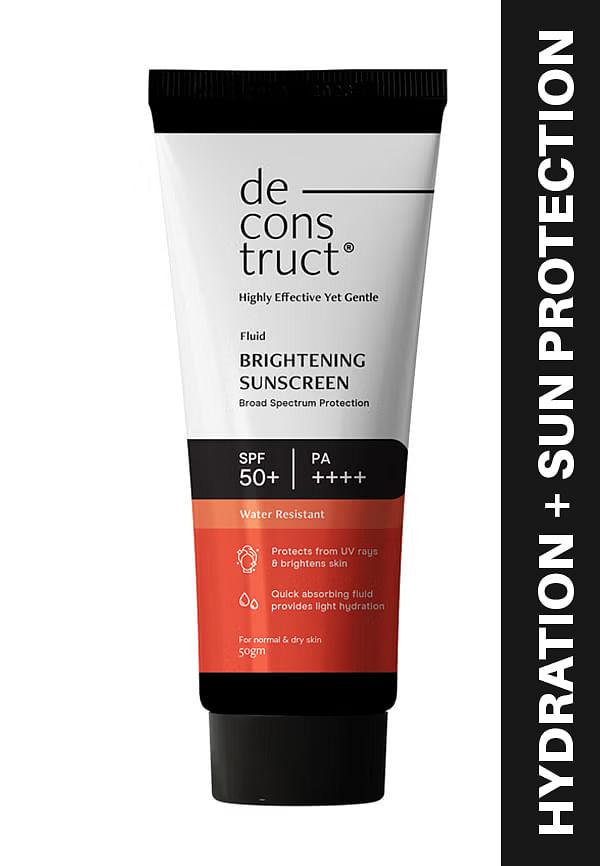 50 gm
50 gmFluid Brightening Sunscreen for Dry Skin with Spf 50+ And Pa++++
Modern sunscreens do so much more than just prevent burns. The sunscreen benefits extend far beyond basic sun protection, making them essential components of any solid skincare routine.
Daily sun protection is honestly the most effective anti-ageing step you can take. UV exposure is responsible for up to 80% of visible facial ageing—more than genetics, lifestyle, or any other factor. Preventing DNA damage at the cellular level helps maintain your skin's natural repair processes and collagen production. Think of sunscreen as your daily insurance policy against future skin concerns.
Many modern formulas include blue light protection, which is increasingly relevant given our screen-heavy lifestyles. While the jury's still out on how much blue light actually affects skin, having that extra layer of protection doesn't hurt. Pollution defence is another bonus feature in urban-focused formulas. Antioxidants help neutralise free radicals from environmental stressors, supporting your skin's overall health and resilience. With platforms like Smytten, you can actually try different sunscreen formulas through curated trial packs before committing to full-size purchases. This takes the guesswork out of finding your perfect match—you can test how different types of sunscreen work with your skin, lifestyle, and preferences without the financial commitment.
Choosing your ideal sunscreen doesn't have to be complicated. Start by honestly assessing your skin type, lifestyle, and what you actually want from your sun protection. Consider your daily routine—do you need something that works under makeup? Are you outdoors frequently? Do you have specific skin concerns like sensitivity or acne? Climate matters too. Humid environments might call for lighter, gel-based formulas, while dry climates might benefit from more moisturising options. Testing is key. What works for your friend might not work for you, and that's completely normal. Trial sizes let you see how a formula performs throughout a full day without committing to a large bottle.
Even the best sunscreen won't protect you if it's not applied properly. Most people use about half the recommended amount, which significantly reduces protection levels. For your face and neck, you need about a quarter teaspoon of product. That might seem like a lot, but proper coverage is essential for the SPF rating to be accurate. Reapplication every two hours is the gold standard, but let's be realistic—if you're indoors most of the day, morning application with a touch-up if you're going out later is usually sufficient. Don't forget often-missed spots like your ears, the back of your neck, and around your hairline. These areas are particularly prone to sun damage but frequently get overlooked.
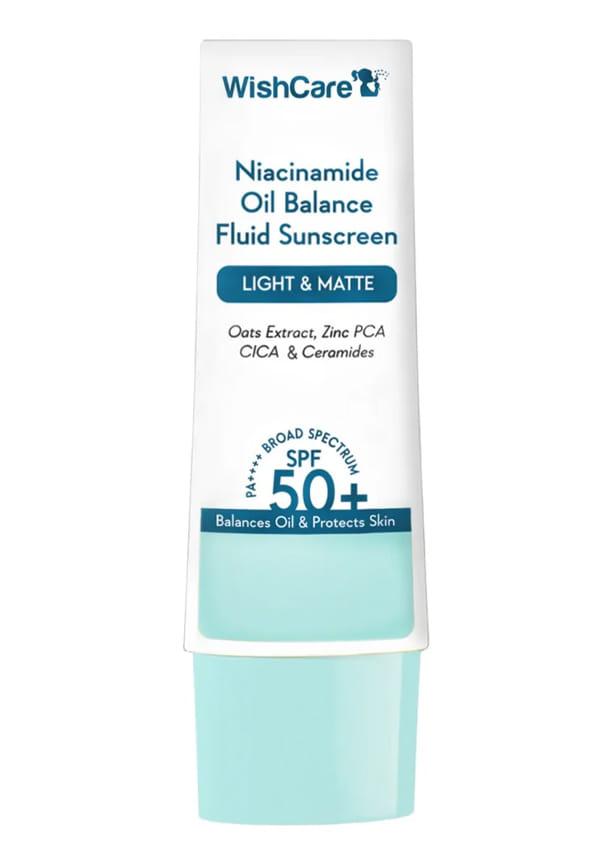 50 gm
50 gmWishCare Niacinamide Oil Balance Sunscreen SPF 50 PA++++ - In-Vivo Tested
For most daily activities, SPF 30 provides excellent protection. SPF 50 offers slightly more coverage and might be worth considering if you're particularly fair-skinned, have a history of sun sensitivity, or spend extended time outdoors.
PA++++ offers the highest level of UVA protection available. If you're concerned about premature ageing or have pigmentation issues, the extra UVA protection can be beneficial.
The best sunscreen is the one you'll use consistently. Mineral sunscreen is generally better for sensitive skin, while chemical sunscreen often offers more elegant textures for daily wear.
Both mineral and chemical sunscreens can be equally effective when formulated properly and applied correctly. The key is choosing one that suits your skin type and lifestyle so you'll use it consistently.
Most sunscreens provide protection for about two hours under normal conditions. However, sweating, swimming, or towelling off can reduce this time significantly.
Expired sunscreen may not provide the stated level of protection. The active ingredients can degrade over time, making the product less effective. It's better to replace expired products.
Finding the right sunscreen is honestly one of the best investments you can make for your skin's future. The best sunscreen types to try are the ones that fit seamlessly into your routine and make you actually want to use them every day. Whether that's a lightweight chemical sunscreen that disappears under makeup or a gentle mineral sunscreen that keeps sensitive skin happy, the perfect formula is out there. Remember, consistency trumps perfection every time. A good sunscreen used daily will always outperform an amazing one that sits unused. With Smytten's trial packs, you can explore different formulas from trusted brands like Cetaphil and Dot & Key without the commitment of full-size purchases. The platform's approach of offering up to 8 minis for just ₹249, plus 100% cashback redeemable for future orders, makes finding your perfect sun protection match both affordable and risk-free. After all, why settle for maybe when you can try it all and find what actually works for your skin?
