How to Choose the Best Sunscreen for Protection Daily


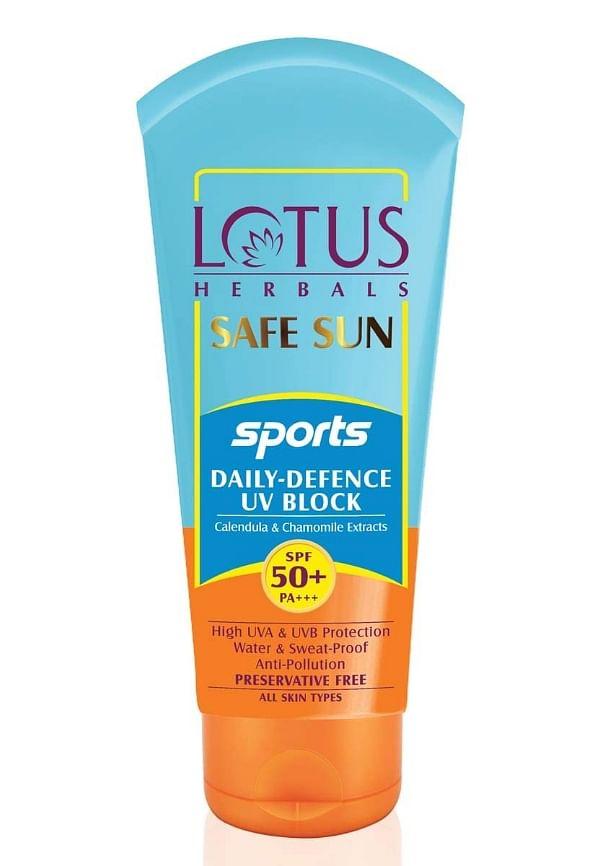 40 gm
40 gmSafe Sun Sports Daily-Defence UV Block Sunscreen SPF 50+
Let's be real—choosing the right sunscreen feels like navigating a maze of SPF numbers, confusing labels, and endless options. With UV rays being your skin's biggest enemy (yes, even on cloudy days), finding the best sunscreen for protection isn't just about avoiding sunburn. It's about keeping your skin healthy, preventing premature ageing, and making sure your daily routine actually works for you. Whether you're after a lightweight formula for your face or something that won't budge during your morning jog, the right sunscreen can be a total game-changer for your skincare routine.
Before diving into product hunting, you need to decode what all those numbers and letters actually mean. Think of this as your crash course in sun protection science—minus the boring textbook vibes.
SPF (Sun Protection Factor) measures how well a sunscreen protects against UVB rays—the ones responsible for sunburn. SPF 30 blocks about 97% of UVB rays, while SPF 50 blocks around 98%. The difference isn't huge, but for daily wear, SPF 30-50 hits that sweet spot of protection without feeling heavy on your skin.
PA ratings (with those little + signs) tell you how well your sunscreen fights UVA rays—the sneaky ones that cause ageing and penetrate deeper into your skin. Look for PA+++ or PA++++ for solid daily protection. These rays are present year-round and can even get through windows, so this rating is crucial for your everyday sunscreen.
Broad spectrum sunscreen protects against both UVA and UVB rays. It's like having a comprehensive shield rather than just partial coverage. Any sunscreen worth your time should have this label—it's your guarantee that you're getting complete protection from the sun's harmful rays.
UVB rays cause sunburn and are strongest during midday, while UVA rays are present all day and cause long-term damage like wrinkles and dark spots. Both contribute to skin cancer risk, which is why your daily sunscreen needs to tackle both. Think of UVB as the immediate threat and UVA as the long-term troublemaker.
Not all sunscreens are created equal, and understanding the different types helps you pick what works best for your skin and lifestyle. Each type has its own perks and quirks.
Mineral sunscreen uses zinc oxide or titanium dioxide to create a physical barrier on your skin. It works immediately upon application and is perfect for sensitive skin types. These formulas are also reef-safe and less likely to cause irritation, making them ideal for daily face use.
Chemical sunscreens absorb UV rays and convert them to heat. They're typically lighter, blend seamlessly, and work brilliantly under makeup. Sunscreen ingredients like avobenzone, octinoxate, and oxybenzone are common in these formulas. They're perfect when you want invisible protection that doesn't interfere with your look.
Many modern sunscreens combine mineral and chemical filters to give you comprehensive protection with a comfortable feel. These hybrid formulas often provide better coverage and are less likely to leave white residue whilst still being gentle on sensitive skin.
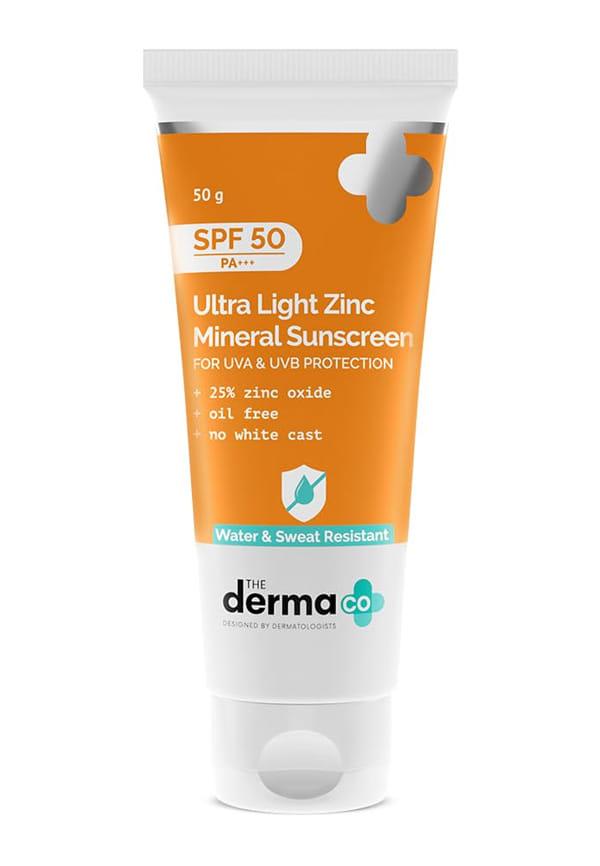 50 gm
50 gmUltra Light Zinc Mineral Sunscreen with SPF 50 PA+++
Look for zinc oxide, titanium dioxide, avobenzone, and octinoxate for effective protection. Avoid oxybenzone if you have sensitive skin, and steer clear of anything with alcohol high on the ingredients list, as it can be drying. Antioxidants like vitamin E and niacinamide are lovely bonus ingredients that boost your skin's defence.
Your skin type plays a huge role in which sunscreen will become your daily go-to. What works brilliantly for your mate might feel awful on your skin, so let's find your perfect match.
Sunscreen for face needs to be lightweight, non-comedogenic, and play well with your other skincare products and makeup. Look for gel-based or fluid formulas that absorb quickly. Many facial sunscreens also include skincare benefits like hydration or antioxidants, making them multitasking heroes in your routine.
Oily skin types should look for oil-free, mattifying formulas that won't clog pores. Gel-based sunscreens or those with a matte finish work brilliantly. Avoid heavy, creamy textures that might make you look shiny or cause breakouts. Some sunscreens even help control oil production throughout the day.
Sensitive skin needs gentle, fragrance-free formulas with minimal ingredients. Mineral sunscreen is often the safest bet, as it's less likely to cause reactions. Look for products specifically labelled for sensitive skin and always patch test new products before committing to daily use.
Combination skin benefits from lightweight formulas that don't over-moisturise oily areas or dry out normal zones. Dry skin types can handle richer, more hydrating sunscreens that double as moisturisers. Look for ingredients like hyaluronic acid or ceramides for added hydration benefits.
Beyond basic UV protection, modern sunscreens offer features that make daily use more appealing and effective. These extras can make the difference between a sunscreen you'll actually use and one that sits forgotten in your drawer.
Water-resistant sunscreens maintain their protection for 40-80 minutes in water or during sweating. Even if you're not swimming, this feature helps your sunscreen stay put during workouts, humid weather, or long days out. Just remember that water-resistant doesn't mean waterproof—reapplication is still key.
The best sunscreen is one you'll actually use every day. Look for formulas described as lightweight, fast-absorbing, or invisible. These textures make daily application effortless and won't interfere with your makeup or leave you feeling sticky throughout the day.
Some sunscreens now include protection against blue light from screens. While research is still ongoing, these formulas often contain antioxidants that benefit your skin regardless. It's a nice bonus feature, especially if you spend lots of time in front of computers or phones.
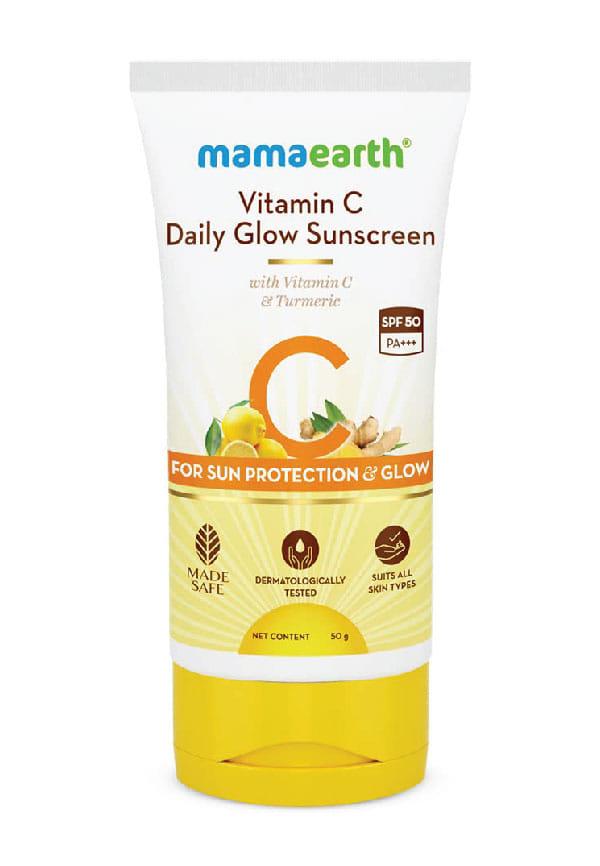 50 gm
50 gmDaily Glow Sunscreen SPF 50 PA+++
Many modern sunscreens double as skincare products, including ingredients like vitamin C, niacinamide, or hyaluronic acid. These multitasking formulas streamline your routine and provide extra skin benefits beyond sun protection. It's like getting a moisturiser and treatment in one step.
Having the best sunscreen for protection means nothing if you're not applying it properly. Most people use way less than they should, which significantly reduces the actual protection they're getting.
For your face and neck, you need about 1/4 teaspoon of product—roughly two finger-lengths squeezed onto your palm. This might seem like loads, but it's the amount needed to achieve the SPF stated on the bottle. Don't skimp here; proper coverage is crucial for effective protection.
Reapply every two hours, or immediately after swimming, sweating heavily, or towelling off. For daily sunscreen under makeup, try powder sunscreens or setting sprays with SPF for touch-ups. If you're indoors most of the day, morning application might suffice, but outdoor activities require more frequent reapplication.
Apply sunscreen as the last step in your skincare routine, before makeup. Wait a few minutes for it to absorb before applying foundation or concealer. Some people prefer mixing a drop of sunscreen with their foundation, but this can dilute the protection, so it's better to layer properly.
Avoid rubbing sunscreen in too vigorously, missing areas like ears and eyelids, or applying it over dirty skin. Don't forget often-missed spots like the back of your neck, tops of feet, and along your hairline. These small oversights can lead to patchy protection and unexpected burns.
With countless options available, smart shopping can save you time, money, and potential skin reactions. Knowing what to look for helps you cut through marketing fluff and find products that actually deliver.
Look beyond the front-of-pack claims and check the ingredients list. Active ingredients should be listed first, and you want to see broad spectrum sunscreen clearly stated. Terms like "natural" or "organic" don't necessarily mean better protection, so focus on the actual UV filters and SPF rating.
Expensive doesn't always mean better when it comes to sunscreen. Many affordable options provide excellent protection. Focus on the active ingredients, SPF level, and how the formula feels on your skin rather than the price tag. Sometimes drugstore brands outperform luxury ones in protection tests.
Sunscreen typically lasts 2-3 years unopened, but check expiration dates and replace annually if you use it regularly. Store in cool, dry places away from direct heat. If your sunscreen changes colour, texture, or smell, it's time for a new one, regardless of the expiry date.
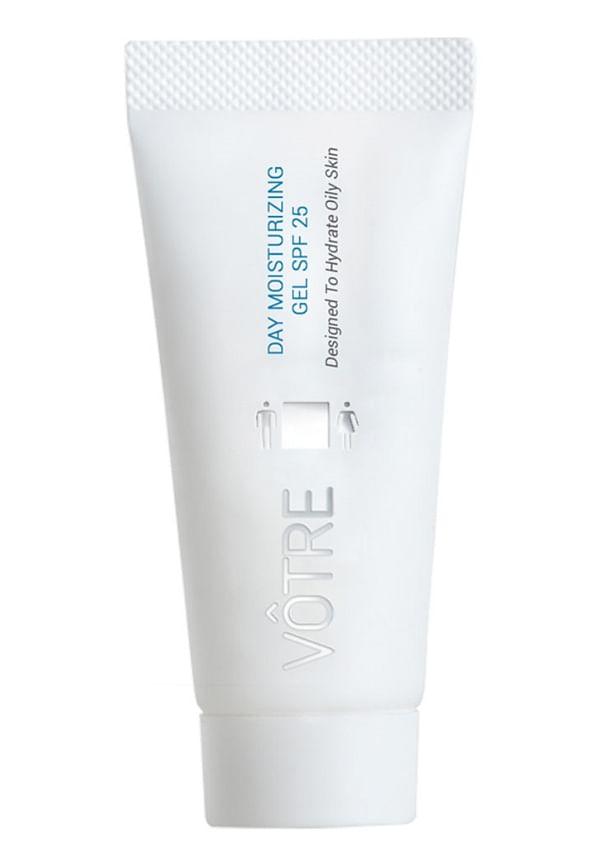 30 gm
30 gmDay Moisturizing Gel Spf-25
Always patch test new sunscreens on a small area first, especially if you have sensitive skin. This is where platforms like Smytten become invaluable—you can try mini versions of different sunscreens before committing to full sizes. With over 1,500 trusted brands available, including skincare favourites like Cetaphil and Dot & Key, you can discover your perfect daily sunscreen without the guesswork. Getting up to 8 minis for just ₹249 makes it easy to test multiple formulas and find what works best for your skin type and lifestyle.
The best sunscreen for protection is one with broad spectrum coverage, SPF 30-50, and a formula you'll actually use every day. Look for lightweight, non-comedogenic options that suit your skin type and lifestyle needs.
Look for broad spectrum protection, appropriate SPF (30-50), water resistance, lightweight texture, and compatibility with your skin type. Bonus points for additional skincare benefits like antioxidants or hydration.
Sunscreen for face should be lightweight, non-comedogenic, and designed for daily wear. Consider your skin type—oily skin needs oil-free formulas, while dry skin can handle more hydrating options. Always patch test first.
The terms are often used interchangeably, but technically sunblock refers to physical/mineral formulas that create a barrier, while sunscreen includes both physical and chemical formulas. Modern usage treats them as the same thing.
Reapply every two hours, or immediately after swimming, sweating, or towelling off. For indoor office work, morning application might suffice, but outdoor activities require more frequent reapplication for continued sun protection.
You can, but facial sunscreens are typically formulated to be lighter and less likely to cause breakouts. If you have sensitive or acne-prone skin, using a dedicated sunscreen for face is usually worth the investment.
SPF 30-50 provides excellent daily protection. SPF 30 blocks 97% of UVB rays, while SPF 50 blocks 98%. Higher SPFs offer minimal additional protection but can feel heavier on the skin.
Not necessarily. Many affordable sunscreens provide excellent protection. Focus on the active sunscreen ingredients, SPF level, and how the formula works with your skin rather than the price. Sometimes drugstore options outperform luxury brands in protection tests.
Finding the best sunscreen for protection doesn't have to be overwhelming once you know what to look for. Focus on broad spectrum coverage, the right SPF for your needs, and a formula that feels good on your skin—because the best sunscreen is the one you'll actually use every day. Whether you prefer mineral or chemical formulas, lightweight gels or hydrating creams, there's a perfect match out there for your skin type and lifestyle.
The key is experimenting until you find your holy grail formula. With Smytten's trial platform offering mini-sized products from trusted brands, you can explore different sunscreens without committing to full sizes. From gentle mineral options to innovative hybrid formulas, trying before buying ensures you'll find a daily sunscreen that becomes a non-negotiable part of your routine. After all, why settle for maybe when you can #TryItAll and discover the perfect protection for your skin?
