How to Choose the Best Skin Health Supplements


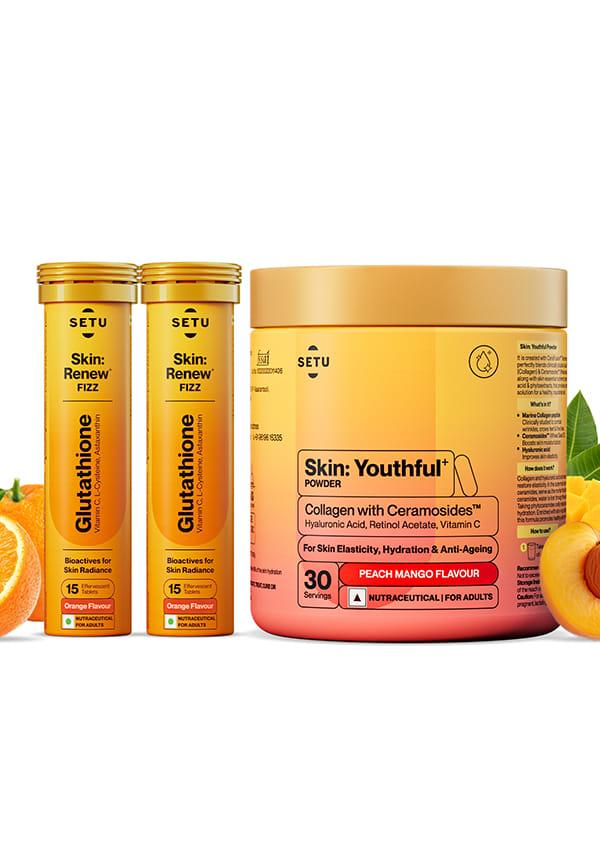 300g+ 30 Tablets
Glutathione Fizz for Skin Glow & Brightness with Skin Youthful Marine Collagen Powder
Let's be real—your skincare routine might be on point, but if you're not nourishing your skin from within, you're only getting half the story. The beauty-from-within trend isn't just Instagram hype; it's science-backed wisdom that's transforming how we approach skin health. When you get skin health supplements right, you're essentially giving your skin the building blocks it needs to glow naturally. Think of it as your skincare routine's best supporting actor—working behind the scenes to make everything else shine brighter. Whether you're dealing with dullness, breakouts, or just want that effortless radiance, the right supplements for healthy skin can be your secret weapon.
Before diving into which pills to pop, let's decode what skin supplements actually do for your complexion. These aren't magic potions, but they're pretty close when you understand the science.
Your skin cells regenerate every 28 days, and during this process, they need specific nutrients to function optimally. Health supplements for skin work by delivering these essential nutrients directly to your bloodstream, where they can reach skin cells more effectively than topical products alone. The process involves nutrient absorption in your digestive system, followed by circulation to skin tissues where they support cellular repair, collagen production, and protection against environmental damage.
When your body lacks certain vitamins or minerals, your skin often shows the first signs. Dry patches might signal vitamin A deficiency, while slow wound healing could indicate low vitamin C levels. Beauty supplements help bridge these nutritional gaps, supporting your skin's natural functions from the cellular level up.
Vitamins for skin health come in various forms, each targeting different aspects of skin wellness. You'll find single-nutrient supplements like vitamin C tablets, comprehensive beauty complexes combining multiple ingredients, and specialised formulas targeting specific concerns like acne or ageing.
Not all vitamins are created equal when it comes to skin benefits. Here's your guide to the heavy hitters that actually make a difference.
This powerhouse vitamin accelerates cell turnover, helping shed dead skin cells and reveal fresh, smooth skin underneath. It's particularly effective for reducing fine lines and improving skin texture. The recommended daily amount is around 700-900 micrograms for adults, though you should never exceed 3,000 micrograms daily to avoid toxicity.
Your skin's best friend for brightness and firmness, vitamin C stimulates collagen synthesis while protecting against free radical damage. Look for supplements containing 500-1000mg daily, preferably in forms like sodium ascorbate or magnesium ascorbate for better absorption and gentler digestion.
These work together as antioxidant bodyguards, protecting your skin from UV damage and pollution. Vitamin E also supports skin healing and moisture retention, making it essential for maintaining healthy skin barrier function.
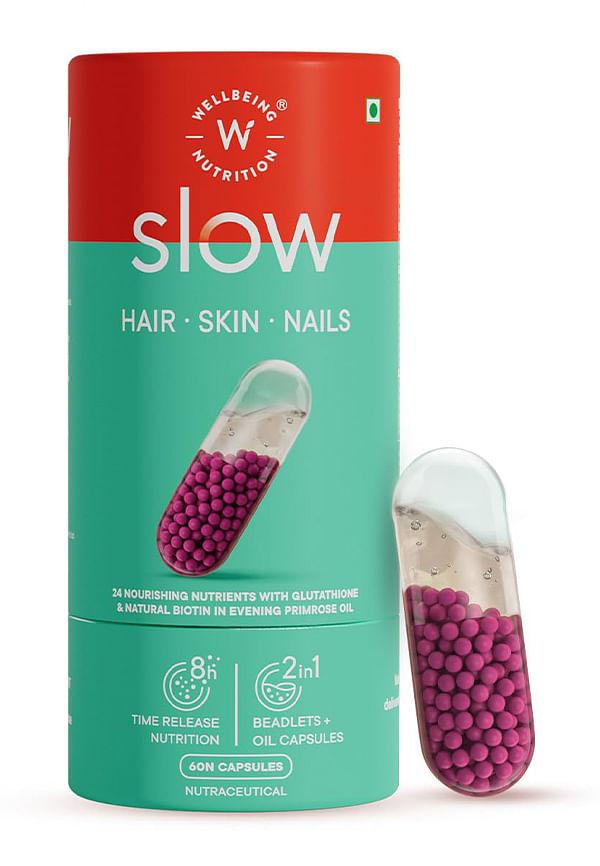 60 Capsule
Slow Skin, Hair & Nails Capsule || Skin hair nail vitamins
Often overlooked but incredibly important, B vitamins support skin hydration and overall skin health. Biotin (B7) is particularly famous for strengthening nails and hair, but it also plays a crucial role in skin cell metabolism.
Beyond bone health, vitamin D supports skin cell growth and repair. Many people are deficient, especially those with limited sun exposure, making supplementation particularly valuable for overall skin wellness.
Beyond basic vitamins, several specialised natural skin supplements have gained attention for their targeted skin benefits. These ingredients work differently from traditional vitamins but can be equally effective.
Collagen peptides are among the most researched best skin supplements for anti-ageing benefits. Marine collagen tends to have better bioavailability than bovine sources, and you'll typically need 2.5-10 grams daily for noticeable results. Expect to see improvements in skin hydration within 4-6 weeks and firmness changes after 8-12 weeks.
This molecule can hold up to 1,000 times its weight in water, making it incredible for skin plumping and moisture retention. Oral hyaluronic acid supplements work from within to boost your skin's natural hydration levels.
Particularly beneficial for acne-prone or sensitive skin, omega-3s help reduce inflammation and support skin barrier function. EPA and DHA from fish oil or algae sources are most effective, with recommended doses of 1-3 grams daily.
The gut-skin axis is real, and maintaining healthy gut bacteria can significantly impact skin clarity and inflammation. Look for multi-strain probiotics with at least 10 billion CFUs for optimal benefits.
Compounds like resveratrol, curcumin, and green tea extract provide powerful antioxidant protection. These nutrients for skin health help combat environmental damage and support overall skin resilience.
With countless options available, selecting the right supplements can feel overwhelming. Here's how to make smart choices based on your specific needs and goals.
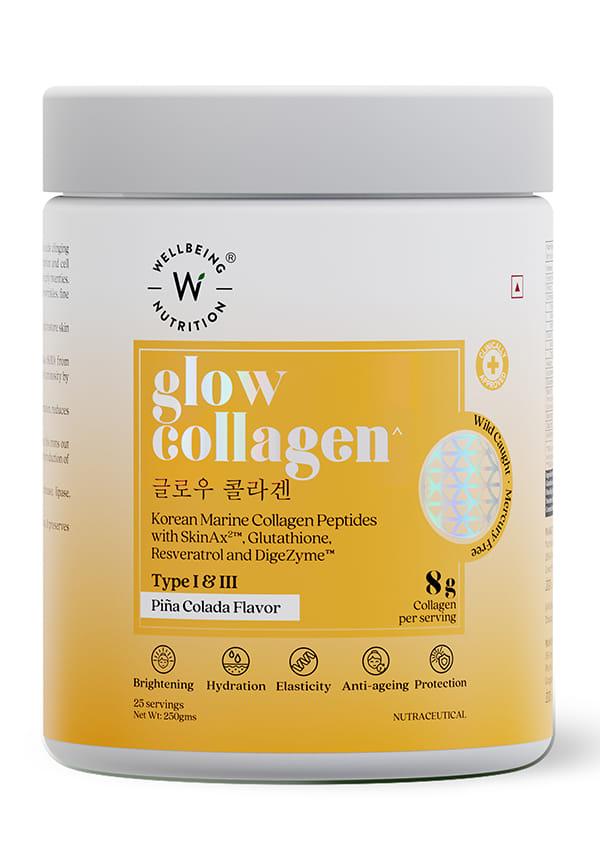 250 gm
Glow Korean Marine Collagen Peptides with Type I & III - Pina Colada
Different skin issues require different nutritional approaches. For anti-ageing, focus on collagen, vitamin C, and antioxidants. Acne-prone skin benefits from omega-3s, zinc, and probiotics. Dry skin responds well to hyaluronic acid and vitamin E. Consider your primary concern when choosing supplements.
Third-party testing ensures purity and potency, while certifications like GMP (Good Manufacturing Practice) indicate quality production standards. Check for bioavailability enhancers like black pepper extract (piperine) or chelated minerals for better absorption.
More isn't always better with supplements. Stick to recommended daily amounts and be aware of upper limits, especially for fat-soluble vitamins (A, D, E, K) that can accumulate in your body. Always read labels carefully and consider potential interactions with medications.
Quality doesn't always correlate with price, but extremely cheap supplements often cut corners on purity or bioavailability. Look for value in cost-per-serving rather than just bottle price, and consider that consistent use of a moderately-priced, quality supplement often beats sporadic use of expensive options.
While generally safe, supplements aren't without risks. Understanding potential side effects and safety considerations helps you make informed decisions about your skin health journey.
High doses of vitamin A can cause headaches and liver problems, while excessive vitamin C might lead to digestive upset. Iron supplements can cause constipation, and some people experience breakouts when first starting biotin. Start with lower doses and gradually increase to assess tolerance.
If you have existing health conditions, take medications, or experience persistent skin issues, consult a healthcare provider before starting new supplements. Dermatologists can provide personalised recommendations based on your skin type and concerns.
Unlike medications, supplements aren't strictly regulated for efficacy claims. Be wary of products making unrealistic promises or claiming to cure specific conditions. Stick to reputable brands with transparent ingredient lists and manufacturing practices.
Supplements work best as part of a holistic approach to skin health. Understanding how to integrate them with other healthy habits ensures you get the most from your investment.
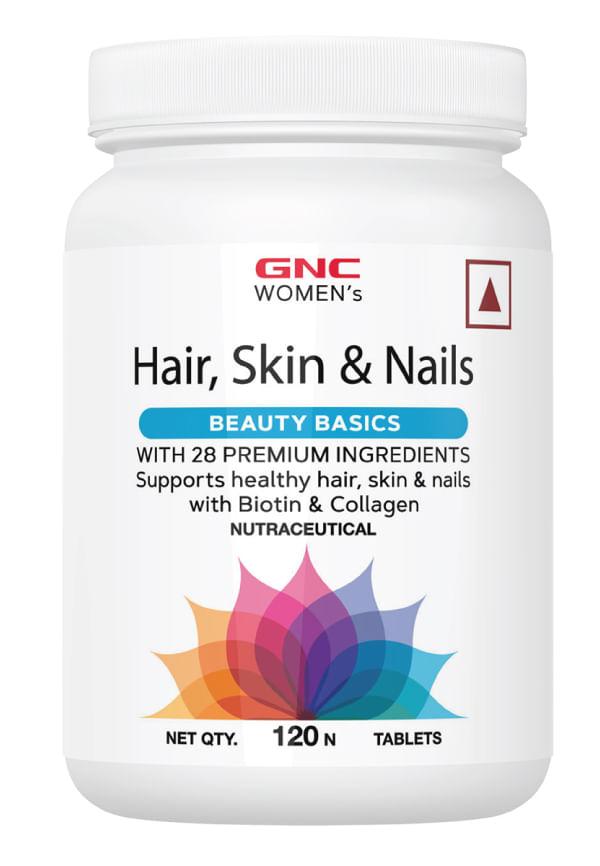 120 Tablets
Women's Hair, Skin & Nails - For Stronger Hair, Clearer Skin, and Healthier Nails
No supplement can compensate for poor lifestyle choices. Adequate hydration (at least 8 glasses of water daily), quality sleep (7-9 hours), and consistent sun protection amplify supplement benefits. Consider supplements as supporting players in your overall skin health strategy, not the star of the show.
Patience is key when starting skin supplements. Initial improvements like better hydration might appear within 2-4 weeks, while significant changes in texture, firmness, or clarity typically take 8-12 weeks. Some benefits, like improved collagen production, may take 3-6 months to become visually apparent.
Take photos in consistent lighting to track changes, and consider keeping a skin diary noting improvements or concerns. This helps identify which supplements are working and when adjustments might be needed.
Just as Smytten allows you to try products before committing to full sizes, consider starting with smaller supplement bottles to test tolerance and effectiveness before investing in larger quantities. With over 1,500 trusted brands available through Smytten's trial platform, you can explore various health and wellness products, including supplements, through their curated trial packs. This approach lets you discover what works for your skin without the commitment of full-size purchases, making your journey to better skin health both affordable and risk-free.
There's no single "best" supplement as individual needs vary. However, vitamin C, collagen peptides, and omega-3 fatty acids consistently show strong evidence for skin benefits across different skin types and concerns.
A combination approach often works best: vitamin C for collagen support, vitamin A for cell renewal, omega-3s for inflammation control, and collagen peptides for hydration and firmness. Quality matters more than quantity.
Initial improvements like better hydration may appear within 2-4 weeks, while significant changes in texture and appearance typically take 8-12 weeks of consistent use. Collagen-related benefits may take 3-6 months to become visible.
Both can be effective, but bioavailability and quality matter more than source. Some natural forms like vitamin E from mixed tocopherols may be better absorbed than synthetic versions, while others like vitamin C work equally well in both forms.
Yes, but avoid exceeding recommended daily values for any nutrient. Some combinations work synergistically (like vitamin C and E), while others might compete for absorption. Space different supplements throughout the day for optimal absorption.
While basic nutrients benefit all skin types, specific formulations may be more effective for particular concerns. Oily, acne-prone skin might benefit more from zinc and omega-3s, while dry skin responds better to hyaluronic acid and vitamin E.
Choosing the right skin health supplements doesn't have to be complicated when you focus on evidence-based ingredients and quality products. Remember that supplements work best as part of a comprehensive approach including proper skincare, healthy lifestyle habits, and realistic expectations. Start with basic vitamins like C and E, then consider adding specialised ingredients like collagen or omega-3s based on your specific skin goals. Most importantly, be patient—good skin is a marathon, not a sprint, and the best results come from consistent, long-term commitment to both internal and external skin health practices.
