Best Retinol Creams for Every Skin Type: How to Choose the Right One


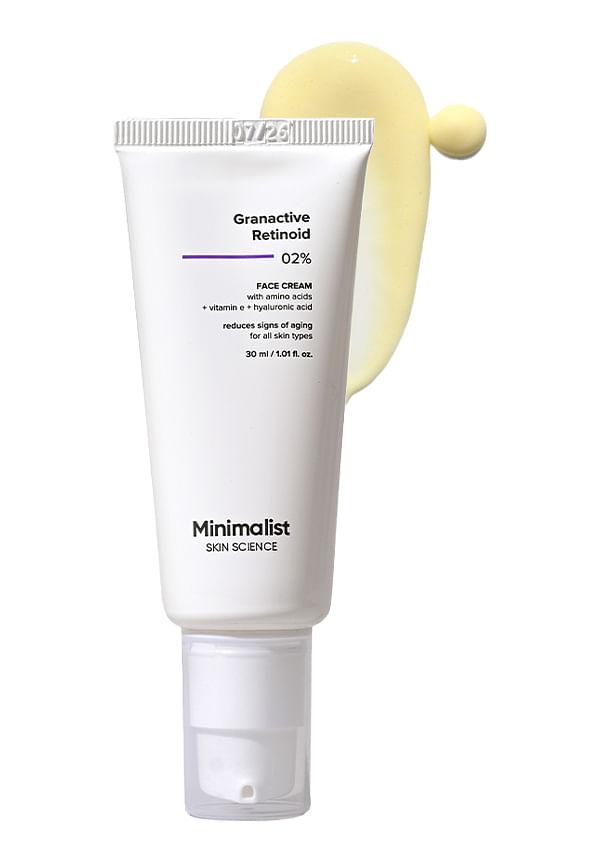 30 ml
30 ml2% Retinoid Anti Ageing Night Cream For Wrinkles & Fine Lines
Let's be real—choosing the right retinol cream can feel like navigating a skincare maze. With countless options promising to turn back time and transform your skin, it's easy to get overwhelmed. But here's the thing: retinol isn't just another skincare trend. It's one of the most scientifically-backed ingredients for skin rejuvenation, and finding your perfect match could be the game-changer your routine needs. Whether you're dealing with fine lines, stubborn acne, or just want that glow-up everyone's talking about, the right retinol cream can make all the difference. Ready to decode the world of vitamin A and find your skin's new best friend?
Think of retinol cream as your skin's personal trainer—it pushes your cells to work harder and smarter. Retinol is a derivative of vitamin A that speeds up cell turnover, essentially telling your skin to shed old, damaged cells and reveal fresh ones underneath. It's like having a gentle resurfacing treatment every night, but without the drama of professional procedures.
Now, you might wonder about the difference between a retinol cream, retinoid cream, and vitamin A cream. Here's the breakdown: retinoids are the umbrella term for all vitamin A derivatives. Retinol is the gentler, over-the-counter version, while retinoid creams often refer to stronger, prescription-strength formulas. A vitamin A cream could contain various forms of vitamin A, not necessarily retinol specifically.
The choice between a retinol serum and retinol cream often comes down to your skin type and preferences. Serums are typically lighter and absorb faster, making them perfect for oily skin or layering under moisturiser. Creams, on the other hand, offer more hydration and are brilliant for dry skin or as a comprehensive night cream.
The science behind retinol is pretty impressive, and the benefits go way beyond just being another anti-aging cream. When you use retinol consistently, you're essentially giving your skin a complete makeover from the inside out.
First up, let's talk about those pesky fine lines and wrinkles. Retinol works by boosting collagen production—think of collagen as your skin's scaffolding. As we age, this scaffolding weakens, leading to sagging and wrinkles. A good wrinkle cream with retinol helps rebuild this structure, making your skin firmer and more youthful.
But retinol isn't just about anti-aging. It's also a powerhouse for acne treatment. By speeding up cell turnover, retinol prevents dead skin cells from clogging your pores. It also helps regulate oil production, making it a brilliant choice for anyone dealing with breakouts. Real talk—it might get worse before it gets better (hello, purging phase), but stick with it.
The skin renewal benefits are where retinol really shines. It helps fade dark spots, evens out skin tone, and improves overall texture. Your skin literally becomes smoother, brighter, and more radiant. It's like having a filter, but make it real life.
Choosing the perfect retinol cream isn't a one-size-fits-all situation. Your skin type, concerns, and experience level all play a role in finding your match. Let's break it down so you can make the smartest choice for your skin.
If you've got oily skin, you might lean towards a lighter retinol serum or a gel-based facial cream. These formulations won't add extra oil to your already shiny T-zone. Dry skin types, however, will love a rich, creamy texture that doubles as a nourishing night cream.
Sensitive skin? Don't worry—retinol can still be your friend. Look for formulations with soothing ingredients like niacinamide or hyaluronic acid. Start slow and choose lower concentrations to avoid irritation.
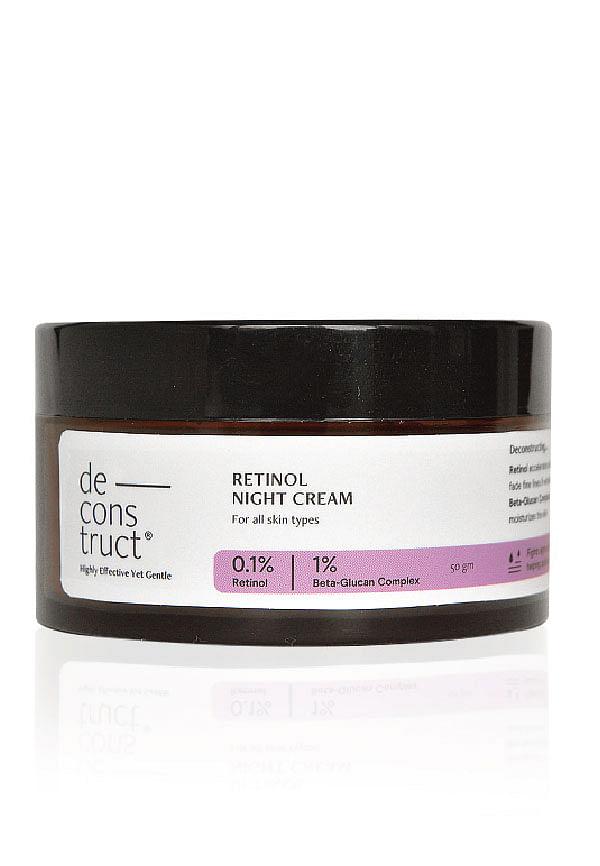 50 gm
50 gmRetinol night cream - 0.1% Retinol + 1% Beta-Glucan Complex
Retinol concentrations can range from 0.025% for beginners to 1% for experienced users. If you're new to retinol, start with 0.025% to 0.1%. Your skin needs time to adjust, and jumping in with a high concentration is like going from couch to marathon—it's not going to end well.
Once your skin builds tolerance (usually after 6-8 weeks), you can gradually increase the concentration. Some people find their sweet spot at 0.5%, while others can handle 1% without any drama. Listen to your skin—it'll tell you what it can handle.
The best retinol creams don't just contain retinol—they're formulated with complementary ingredients that enhance effectiveness and minimise irritation. Look for hyaluronic acid for hydration, niacinamide for soothing, and ceramides for barrier repair.
Avoid mixing retinol with vitamin C, AHAs, or BHAs in the same routine. These combinations can cause irritation and reduce effectiveness. Save the vitamin C for your morning routine and keep retinol for nighttime.
Using retinol isn't rocket science, but there's definitely a right way to do it. Follow these steps to get all the benefits without the irritation drama.
Before you slather retinol all over your face, do a patch test. Apply a small amount to your inner arm and wait 24 hours to see if you react. Once you're in the clear, start with just twice a week. Your skin needs time to adjust to this powerful ingredient.
Always use retinol as a night cream or incorporate it into your evening routine. Retinol makes your skin more sensitive to sunlight, so nighttime application is non-negotiable. After about 4-6 weeks, you can gradually increase to every other night, then eventually nightly if your skin tolerates it well.
Start with a clean face—use a gentle cleanser to remove makeup and impurities. Wait about 20-30 minutes after cleansing before applying retinol. This waiting period helps prevent irritation, especially when you're starting out.
Use a pea-sized amount for your entire face. Dot it on your forehead, cheeks, nose, and chin, then gently spread it outward. Avoid the eye area unless you're using a specific eye retinol cream. Follow up with a moisturising facial cream to lock in hydration and create a protective barrier.
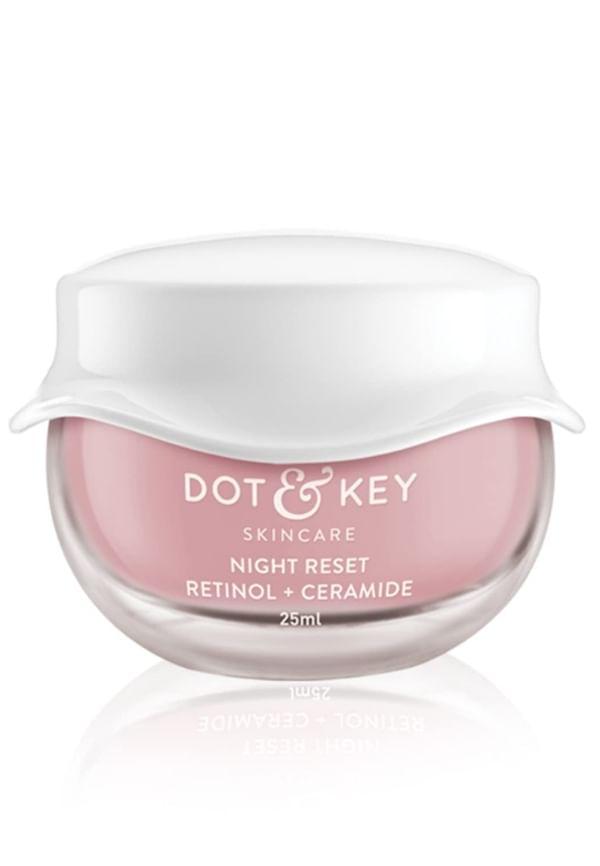 25 ml
25 mlNight Reset Retinol + Ceramide Cream
Even with the best intentions, it's easy to make mistakes when starting retinol. Here are the most common slip-ups and how to avoid them for a smoother skin rejuvenation journey.
The biggest mistake? Using too much, too soon. More isn't always better with retinol. Overuse can lead to redness, peeling, and irritation that might put you off retinol forever. Start slow, be patient, and let your skin guide the pace.
Another major no-no is skipping sunscreen. Retinol makes your skin more photosensitive, meaning you're more prone to sun damage. Always use SPF 30 or higher during the day, even if you're just staying indoors. UV rays can penetrate windows, so protection is essential.
Don't panic if you experience the "retinol purge"—a temporary period where your skin might break out more than usual. This happens because retinol speeds up cell turnover, bringing underlying congestion to the surface faster. It typically lasts 4-6 weeks, and then your skin should start looking clearer and smoother.
Shopping for the perfect retinol cream can feel overwhelming with so many options available. Here's how to navigate the choices and find something that works for both your skin and your budget.
You don't need to break the bank for effective retinol. Many affordable options contain the same active ingredients as their pricier counterparts. The key is looking at the concentration, formulation, and additional ingredients rather than just the price tag.
That said, premium formulations often include better delivery systems, more elegant textures, and complementary ingredients that can enhance results and reduce irritation. Consider what matters most to you—basic effectiveness or a luxurious experience.
When shopping for retinol cream, look for products that clearly state the retinol concentration. Be wary of vague terms like "retinol complex" or "vitamin A blend" without specific percentages. These might contain very little actual retinol.
Packaging matters too. Retinol is sensitive to light and air, so look for products in dark, opaque containers with pumps or tubes rather than jars. This helps maintain the ingredient's stability and effectiveness over time.
This is where platforms like Smytten become incredibly valuable for skincare enthusiasts. As India's largest product discovery platform, Smytten connects you with over 1,500 trusted brands including skincare favourites like Cetaphil and Dot & Key. Instead of committing to a full-size retinol cream without knowing if it suits your skin, you can try curated trial packs first. With options to get up to 8 minis for just ₹249 and 100% cashback redeemable for future purchases, you can explore different retinol formulations risk-free. After all, why settle for 'maybe' when you can try it all and find your perfect match?
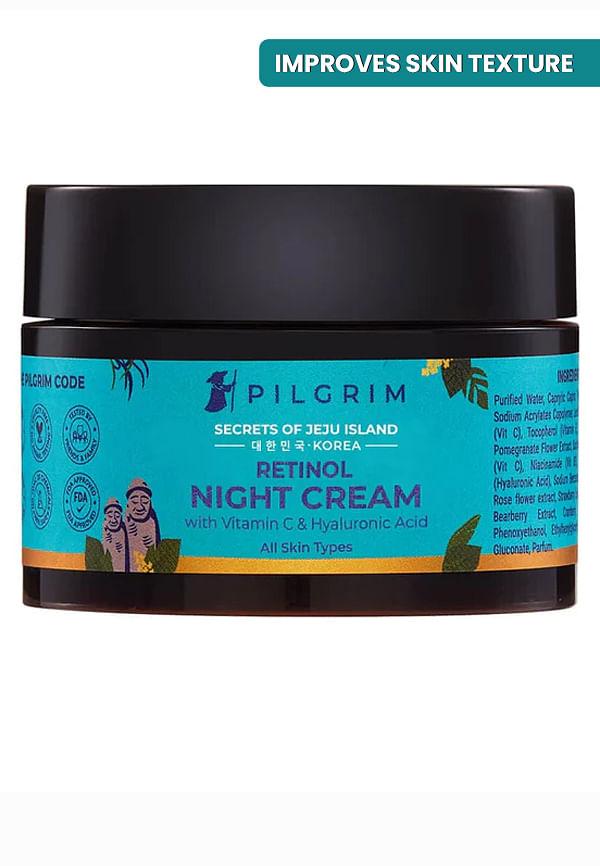 50 gm
50 gmRetinol Anti-Ageing Night Repair Cream With Vitamin C & Hyaluronic Acid
Retinol cream is primarily used for anti-aging benefits, treating acne, improving skin texture, and promoting skin renewal through increased cell turnover. It helps reduce fine lines, fade dark spots, and create smoother, more radiant skin.
Daily retinol use is generally safe once your skin has adjusted, but beginners should start 2-3 times per week and gradually increase frequency. Listen to your skin and adjust accordingly.
Retinol can help fade tan lines and sun damage over time by promoting skin cell turnover and revealing newer, less pigmented skin layers. It's not an instant fix, but with consistent use, you'll see improvement.
Yes, retinol cream can help treat milia by promoting skin exfoliation and preventing the formation of keratin-filled cysts under the skin. The increased cell turnover helps clear these small bumps.
Topical retinol should be avoided during pregnancy and breastfeeding due to potential risks to foetal development. Consult your doctor for safe alternatives during this time.
Most users notice initial improvements in 4-6 weeks, with significant anti-aging and skin rejuvenation results visible after 12-16 weeks of consistent use. Patience is key with retinol—good things take time.
Finding the right retinol cream is like finding the perfect jeans—it might take a few tries, but when you find the one, you'll know it. Remember, retinol is a marathon, not a sprint. Start slow, be consistent, and give your skin time to adjust and show results.
The key to retinol success lies in choosing the right concentration for your skin type, using it correctly, and being patient with the process. Whether you're looking for an anti-aging cream, acne treatment, or overall skin rejuvenation, retinol can be a game-changer when used properly.
Don't forget that trial and error is part of the journey. What works for your friend might not work for you, and that's completely normal. With platforms like Smytten offering trial-sized versions of products from trusted brands, you can explore different options without the commitment of full-size purchases. This approach helps you make smarter, more confident choices about your skincare routine. After all, your skin deserves nothing less than the perfect match.
