Skincare
•06 min read

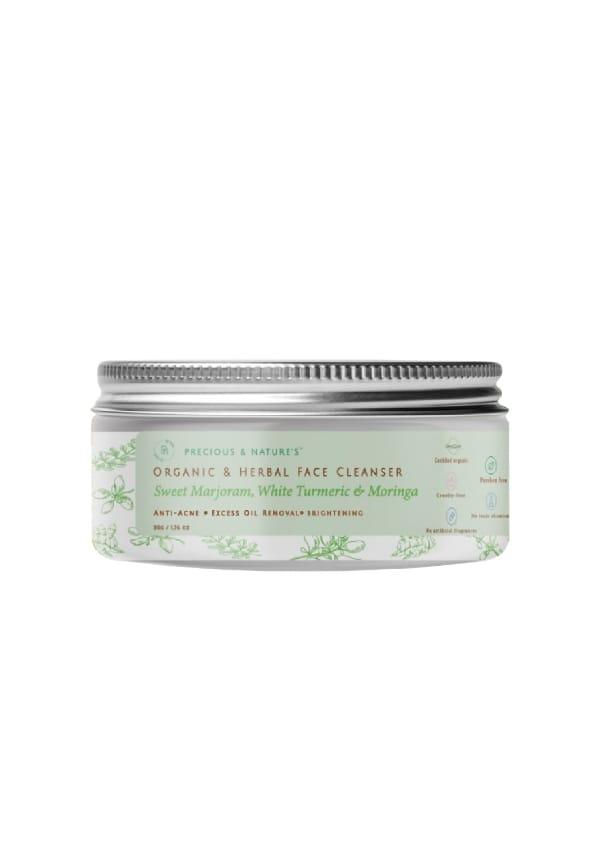 50 gm
50 gmOrganic and Herbal Face Cleanser
Let's be real—navigating the world of natural skincare can feel like trying to decode a foreign language. With every brand claiming to be the cleanest, greenest, and most natural option out there, how do you actually find the best natural skincare brands that live up to their promises? Whether you're looking to switch from conventional products or just want to make sure your current routine is as clean as possible, we've got your back. This guide will help you cut through the marketing noise and find natural beauty products that actually work for your skin.
Here's where things get a bit tricky—the term "natural" isn't actually regulated in the beauty industry. Wild, right? This means brands can slap "natural" on their packaging even if only a tiny percentage of their formula comes from natural sources. That's why understanding the difference between natural, organic skincare brands, and clean skincare brands is crucial for making informed choices.
Natural skincare typically means products formulated with ingredients derived from plants, minerals, or other naturally occurring substances. Organic takes it a step further, requiring ingredients to be grown without synthetic pesticides, herbicides, or fertilisers. Clean beauty focuses on avoiding potentially harmful ingredients, regardless of whether they're natural or synthetic.
When shopping for the best natural skincare brands, keep an eye out for these certifications:
USDA Organic: Requires at least 95% organic ingredients
COSMOS Organic: European standard for organic cosmetics
Leaping Bunny: Gold standard for cruelty-free verification
Vegan Society: Confirms no animal-derived ingredients
EWG Verified: Products meet strict health standards
Some brands use misleading terms like "botanically inspired" or "naturally derived" without actually being natural. Always check the full ingredient list rather than relying solely on front-of-package claims.
Finding truly effective non-toxic skincare requires looking beyond pretty packaging and clever marketing. Here's what actually matters when choosing eco-friendly skincare that delivers results.
The best natural skincare brands are transparent about their ingredient sourcing and processing methods. Look for brands that avoid potentially harmful chemicals like parabens, sulfates, synthetic fragrances, and formaldehyde-releasing preservatives. Instead, they should use natural preservatives like vitamin E, rosemary extract, or radish root ferment to keep products fresh and safe.
Your values matter, and the brands you support should align with them. Vegan skincare brands avoid all animal-derived ingredients, while cruelty-free skincare ensures no animal testing at any stage of product development. Many natural brands also support fair trade practices and give back to the communities where they source their ingredients.
Sustainable skincare extends beyond the formula itself. Look for brands using recyclable packaging, offering refillable options, or using biodegradable materials. Some brands even offer take-back programmes where you can return empty containers for proper recycling.
Building a complete natural skincare routine means understanding which products work best in their natural forms. Some categories shine in natural formulations, while others might require more careful selection.
Natural cleansers often use plant-based surfactants like coconut-derived cleansing agents or saponins from soap nuts. Oil cleansers with jojoba, sweet almond, or sunflower oil can effectively remove makeup and impurities without stripping your skin. Natural toners might feature rose water, witch hazel, or fermented ingredients to balance your skin's pH.
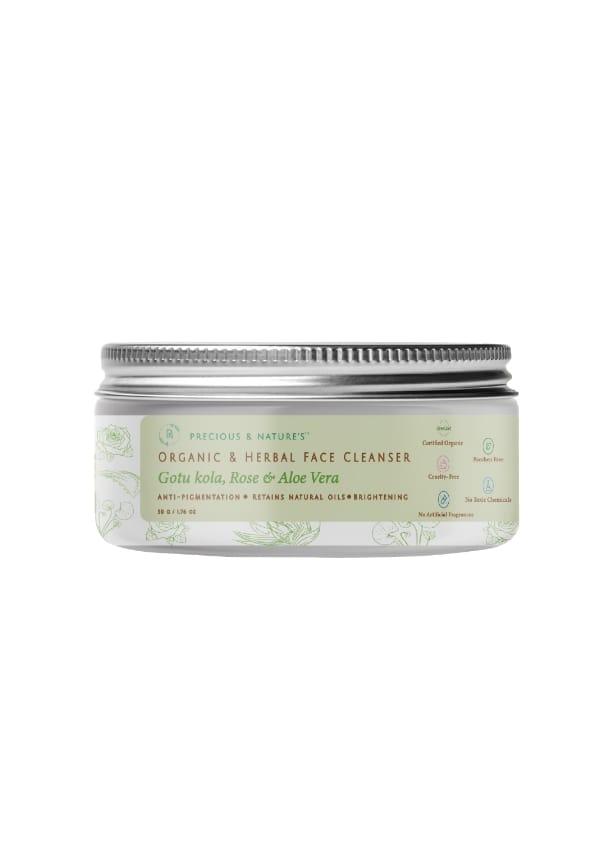 50 gm
50 gmOrganic and Herbal Face Cleanser
This is where natural skincare really shines. Plant-based actives like vitamin C from kakadu plum, retinol alternatives from bakuchiol, or exfoliating acids from fruit enzymes can deliver impressive results. Many natural brands also use innovative fermentation processes to create more bioavailable ingredients.
Natural moisturisers often feature botanical oils, plant butters, and natural humectants like hyaluronic acid from fermentation or glycerin from plants. Face oils can be particularly effective in natural formulations, offering everything from lightweight jojoba to rich rosehip oil.
Not all natural ingredients work for everyone, which is why finding the best skincare for sensitive skin or your specific concerns requires a personalised approach. Natural doesn't automatically mean gentle, so understanding your skin's needs is crucial.
If you have sensitive skin, look for natural brands that focus on minimal, gentle formulations. Ingredients like colloidal oatmeal, chamomile, and calendula are typically well-tolerated. Avoid natural fragrances from essential oils, which can be irritating, and always patch test new products before full application.
Natural ingredients like tea tree oil, willow bark extract (natural salicylic acid), and clay can help balance oil production and clear breakouts. Look for non-comedogenic natural oils like jojoba or grapeseed that won't clog pores.
Rich botanical oils, plant-based ceramides, and natural peptides from sources like rice or soy can help hydrate and support aging skin. Ingredients like rosehip oil, argan oil, and sea buckthorn are particularly beneficial for mature skin concerns.
Knowing what to avoid is just as important as knowing what to look for when choosing clean skincare brands. Here are some warning signs that a brand might not be as natural as they claim.
Be wary of brands that use vague terms like "naturally inspired" without backing them up with actual natural ingredients. If a product claims to be natural but contains a long list of unpronounceable chemicals, that's a red flag. Also watch out for unrealistic promises—no skincare product, natural or otherwise, can completely reverse aging overnight or cure serious skin conditions.
Price can also be telling. While natural ingredients can be expensive, extremely cheap products claiming to be natural might be cutting corners on quality or using minimal amounts of natural ingredients mixed with cheaper synthetics.
Transitioning to a complete natural skincare routine doesn't have to happen overnight. In fact, it's often better to introduce new products gradually to see how your skin responds.
Start with a gentle natural cleanser, follow with a natural toner if needed, apply any serums or treatments, moisturise with a natural formula, and finish with mineral sunscreen. Natural morning routines often focus on protection and hydration.
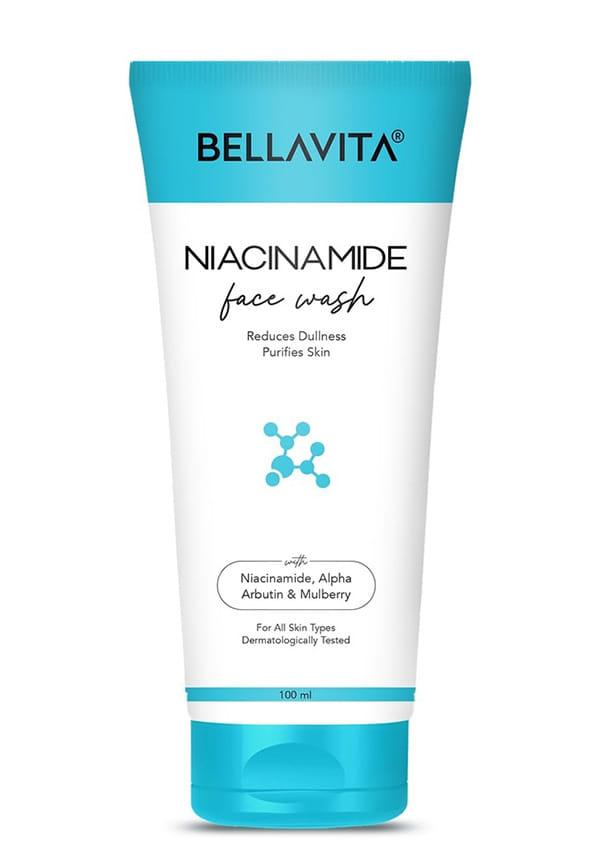 100ml
100mlOrganic Beyond Bright Face Wash
Evening routines can be more intensive, starting with double cleansing if you wear makeup or sunscreen. This is when you might use more active natural treatments like retinol alternatives or exfoliating enzymes, followed by a richer night moisturiser.
Replace one product at a time, starting with cleansers or moisturisers, which are typically gentler transitions. Give each new product at least 2-4 weeks to see how your skin responds before adding the next one.
This is where platforms like Smytten become incredibly valuable. With over 1,500 trusted brands including natural and clean beauty options, you can try mini-sized versions of products before committing to full sizes. Getting up to 8 minis for just ₹249 with 100% cashback makes it affordable to experiment with different natural brands and find what works for your skin.
Natural skincare doesn't have to break the bank. Here are some smart strategies for finding quality organic skincare brands without overspending.
Look for multi-use products that can serve multiple purposes—like a natural oil that works as both a serum and makeup remover. Many natural ingredients are inherently versatile, so you might need fewer products overall.
Consider starting with trial sizes or minis to test products before investing in full sizes. Sample sets are also great for discovering new brands without the commitment. Some natural brands offer subscription services with discounts, and many have loyalty programmes that reward repeat customers.
DIY options can supplement your routine affordably—simple ingredients like honey, oats, or plant oils can create effective masks or treatments at home.
Not necessarily. While natural products avoid certain synthetic ingredients that some people prefer to avoid, effectiveness depends on the specific formulation and your skin's needs. Some synthetic ingredients are actually gentler or more effective than their natural counterparts.
Most people see initial improvements within 2-4 weeks, but significant changes can take 6-12 weeks. Natural ingredients often work more gradually than synthetic actives, so patience is key.
Yes, natural doesn't mean hypoallergenic. Plant-based ingredients can still cause reactions, especially essential oils and botanical extracts. Always patch test new products.
Natural skincare uses ingredients derived from nature, while organic requires those ingredients to be grown without synthetic pesticides, herbicides, or fertilisers. Organic is typically more regulated and verified through certifications.
Look for third-party certifications like Leaping Bunny for cruelty-free verification and Vegan Society certification for vegan products. Check the brand's website for their policies and any certifications they hold.
Choosing the best natural skincare brands doesn't have to feel overwhelming once you know what to look for. Focus on transparency, certifications, and ingredients that align with your values and skin needs. Remember that natural skincare is a journey—what works for others might not work for you, and that's perfectly normal.
The beauty of exploring natural skincare today is that you don't have to commit to full-size products right away. With platforms offering trial-sized versions of products from trusted natural and clean beauty brands, you can discover your perfect routine without the financial risk. After all, why settle for maybe when you can try it all and find what truly works for your skin?
