How to Choose the Best Ingredients for Sensitive Skin


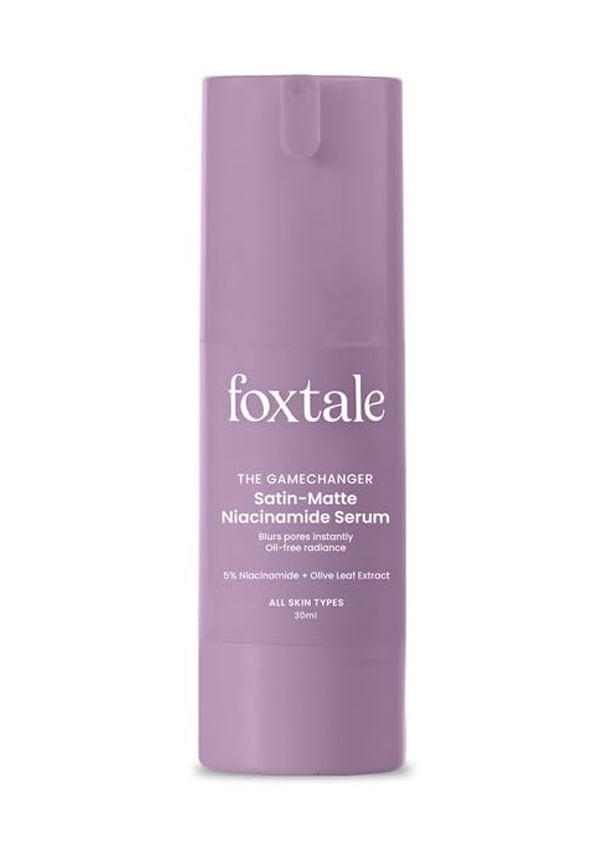 30 ml
30 ml5% Niacinamide Face Serum with Olive Leaf Extract
Navigating skincare with sensitive skin feels like walking through a minefield—one wrong ingredient and you're dealing with redness, stinging, or that tight, uncomfortable feeling that makes you want to splash cold water on your face. The thing is, sensitive skin isn't just about avoiding harsh products; it's about understanding which ingredients for sensitive skin actually work to calm, protect, and strengthen your skin barrier. Let's dive into the science-backed world of gentle skincare and discover what your skin actually needs to thrive.
Before we get into the good stuff, let's talk about what makes skin "sensitive" in the first place. It's not just about being dramatic—there's real science behind why some people can slather on anything whilst others need to read every single ingredient label like it's a legal document.
Sensitive skin happens when your skin barrier—that protective outer layer—becomes compromised. Think of it as your skin's bouncer being a bit too relaxed about who gets in. This means irritants can penetrate more easily, triggering reactions like redness, burning, stinging, or that awful tight feeling.
When your skin barrier is weakened, certain ingredients can penetrate deeper than they should, causing inflammation and irritation. It's not that these ingredients are inherently bad—they might work brilliantly for someone else—but your skin just processes them differently. This is why sensitive skin care requires such a targeted approach.
Right, let's get to the good bit—the ingredients that'll actually make your skin happy. These are the gentle heroes that work to calm, hydrate, and strengthen without causing drama.
Ceramides are basically your skin's best friend. They're naturally found in your skin barrier and help lock in moisture whilst keeping irritants out. When you're dealing with sensitivity, ceramides help repair and strengthen that compromised barrier.
Niacinamide is the multitasking wonder that deserves a spot in every sensitive skin routine. This form of vitamin B3 reduces inflammation, regulates oil production, and strengthens the skin barrier—all without causing irritation.
Squalane provides lightweight moisture that mimics your skin's natural oils. It's non-comedogenic and incredibly gentle, making it perfect for sensitive skin that needs hydration without heaviness.
Hyaluronic acid is the ultimate hydration magnet, holding up to 1,000 times its weight in water. For sensitive skin, proper hydration is crucial for maintaining barrier function and preventing irritation.
Glycerin is a time-tested humectant that draws moisture from the environment into your skin. It's gentle, effective, and rarely causes reactions—making it one of the most reliable gentle skincare ingredients.
Colloidal oatmeal has been used for centuries to soothe irritated skin. It contains compounds called avenanthramides that have anti-inflammatory properties, making it brilliant for calming redness and irritation.
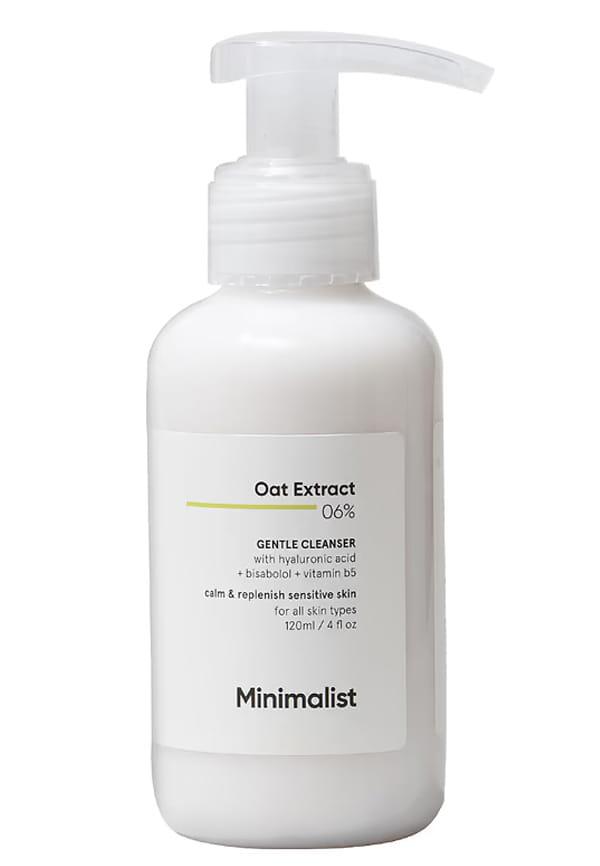 120 ml
6% Oat Extract Gentle Cleanser With Hyaluronic Acid For Sensitive Skin
Aloe vera provides instant cooling relief and contains polysaccharides that help heal and protect the skin. Look for products with a high concentration of aloe for maximum benefits.
Centella asiatica is a traditional healing herb that's become a modern skincare favourite. It's packed with anti-inflammatory compounds that help reduce redness and promote healing—perfect for reactive skin.
Panthenol (Vitamin B5) is a gentle ingredient that helps repair the skin barrier whilst providing hydration. It's particularly good for skin that's been compromised by over-exfoliation or harsh products.
Natural doesn't always mean better, but there are some plant-powered ingredients that work beautifully for sensitive skin. The key is knowing which ones are genuinely soothing versus those that might cause reactions.
Green tea extract is packed with antioxidants and has anti-inflammatory properties. It helps protect against environmental damage whilst calming irritation.
Chamomile contains compounds like bisabolol that have anti-inflammatory and antimicrobial properties. It's particularly good for redness relief skincare.
Calendula is another gentle botanical that's been used traditionally to heal and soothe skin. It's particularly effective for sensitive skin that's prone to irritation.
Here's the thing—natural isn't automatically better for sensitive skin. Some synthetic ingredients are actually gentler and more stable than their natural counterparts. The key is finding what works for your individual skin, regardless of whether it comes from a lab or a plant.
Now for the not-so-fun part—the ingredients that are likely to cause your sensitive skin to throw a proper tantrum. Knowing what to avoid is just as important as knowing what to embrace.
Fragrance or parfum is the number one cause of skin reactions. Even if a product smells divine, if you have sensitive skin, fragrance is usually a no-go. This includes both synthetic fragrances and natural essential oils.
Essential oils might seem natural and gentle, but many are actually quite potent and can cause reactions. Citrus oils, in particular, can be photosensitising and irritating.
High-strength retinoids can be too intense for sensitive skin, especially when starting out. If you want to use retinoids, start with the gentlest forms and lowest concentrations.
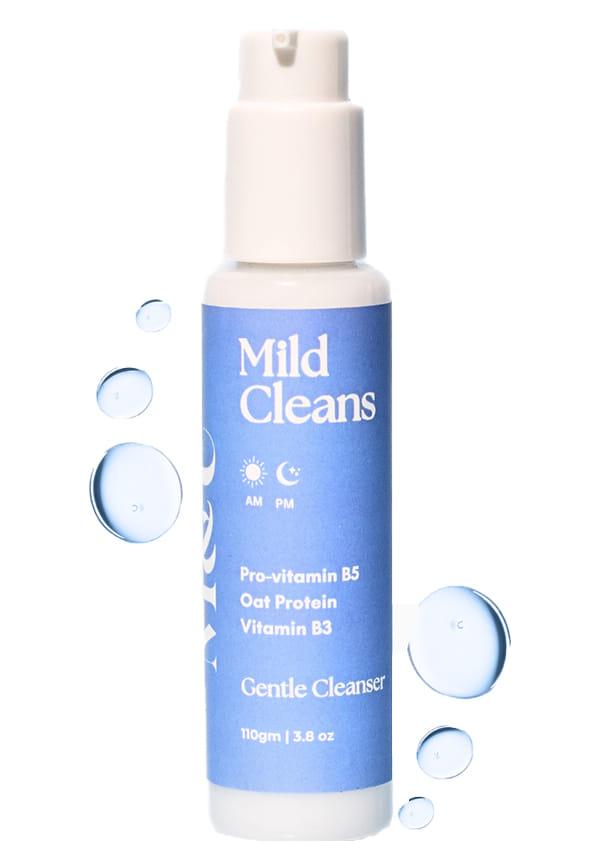 110 ml
Mild Cleanse Gentle Cleanser for Sensitive Skin
Glycolic acid in high concentrations can be too harsh for sensitive skin. If you want to use AHAs, consider gentler options like lactic acid or mandelic acid.
High-concentration vitamin C can cause stinging and irritation. Look for stable, gentle forms like magnesium ascorbyl phosphate instead of L-ascorbic acid.
Denatured alcohol (SD alcohol) can be incredibly drying and irritating. However, fatty alcohols like cetyl alcohol are actually beneficial for sensitive skin.
Sulfates like SLS can strip the skin and disrupt the barrier function. Look for gentle, sulfate-free cleansers instead.
Creating a skincare routine for sensitive skin is all about the slow and steady approach. Think of it as building a relationship—you wouldn't propose on the first date, and you shouldn't introduce five new products at once.
Start with just three or four essential products: a gentle cleanser, a hydrating serum or moisturiser, and a broad-spectrum sunscreen. Once your skin is happy with these basics, you can slowly introduce additional products one at a time.
Keep mornings simple with a gentle cleanser (or just water if your skin is very sensitive), a hydrating product with hypoallergenic skincare ingredients, and broad-spectrum SPF. Mineral sunscreens with zinc oxide are usually gentler than chemical filters.
Evenings are for repair and recovery. Use a gentle cleanser, follow with calming ingredients for skin like niacinamide or centella asiatica, and finish with a barrier-repairing moisturiser containing ceramides.
When you have sensitive skin, product selection becomes a bit of a science experiment. The good news is that platforms like Smytten make this process so much easier by offering trial-sized versions of products from trusted brands like Cetaphil and Dot & Key. Instead of committing to full-size products that might not work, you can test multiple options for just ₹249 and get up to 8 minis to try.
Always patch test new products on a small area of skin (like behind your ear or on your inner wrist) for 24-48 hours before applying to your face. This simple step can save you from a full-face reaction.
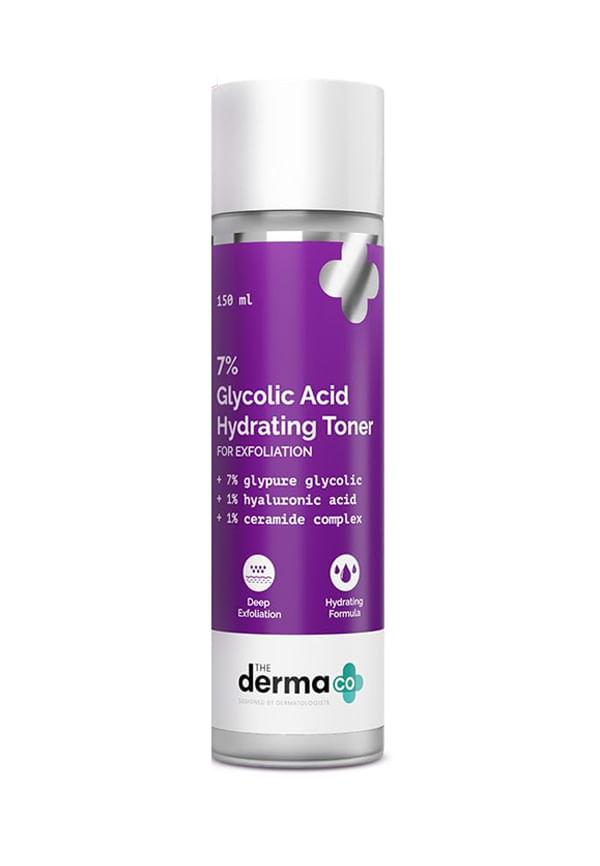 150 ml
7% Glycolic Acid Hydrating Toner with Glycolic Acid & Hyaluronic Acid
Learn to recognise INCI names for common irritants. Look for products that list soothing skincare ingredients near the top of the ingredient list, as this indicates higher concentrations.
Sometimes, despite your best efforts, sensitive skin needs professional intervention. If you're experiencing persistent irritation, severe reactions, or if your sensitivity is getting worse, it's time to see a dermatologist.
Persistent redness that doesn't improve with gentle care, reactions to multiple products, or skin that's becoming increasingly sensitive over time are all signs that professional help might be needed.
If we had to pick one, niacinamide is probably the most universally well-tolerated and beneficial ingredient for sensitive skin. It reduces inflammation, strengthens the barrier, and rarely causes reactions.
Yes, but choose gentle forms like magnesium ascorbyl phosphate or sodium ascorbyl phosphate rather than L-ascorbic acid. Start with lower concentrations and introduce slowly.
Introduce one new product at a time and use it for at least a week before adding anything else. This helps you identify which products work and which might cause reactions.
Not necessarily. Some synthetic ingredients are actually gentler and more stable than natural ones. Focus on what works for your skin rather than whether it's natural or synthetic.
Stop using the product immediately, rinse your skin with cool water, and apply a gentle, fragrance-free moisturiser. If the reaction is severe or doesn't improve within 24 hours, consult a healthcare professional.
Caring for sensitive skin doesn't have to be complicated—it just requires patience, the right ingredients, and a bit of detective work to figure out what your skin loves. Focus on gentle, proven ingredients like ceramides, niacinamide, and hyaluronic acid whilst avoiding common irritants like fragrance and harsh actives. Remember, with Smytten's trial platform offering minis from over 1,500 trusted brands, you can explore different formulations without the commitment of full-size purchases. The 100% cashback on trial orders makes it even easier to find your perfect match. After all, why settle for products that might irritate your skin when you can try multiple options and find the ones that truly work? Your sensitive skin deserves products that soothe, protect, and strengthen—and with the right approach, you'll find them.
