How to Choose the Best Hydrating Serum Now


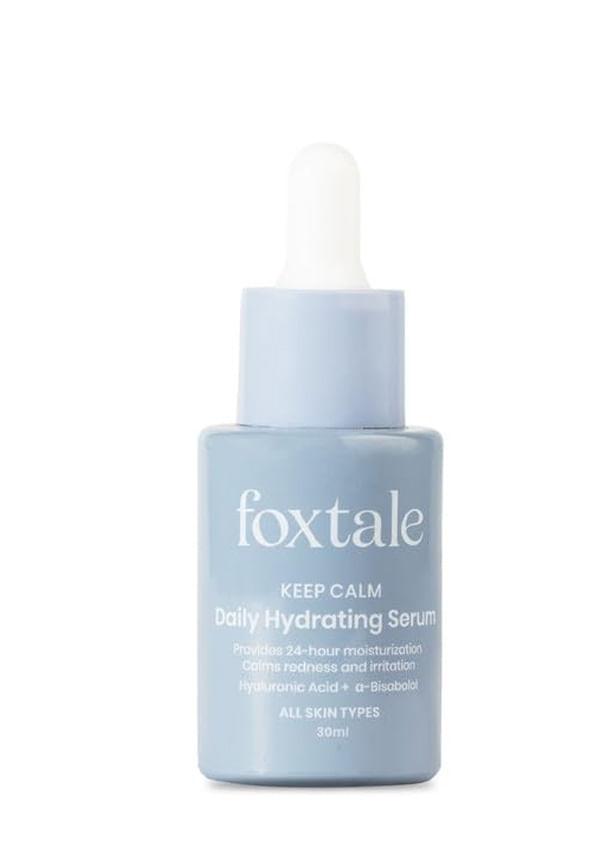 30 ml
30 mlHydrating Serum with Hyaluronic Acid and Bisabolol
If your skin feels tight after cleansing, looks dull despite your best efforts, or your makeup seems to sit awkwardly on your face, you're probably dealing with dehydrated skin. Here's the thing—nearly 70% of people struggle with skin dehydration at some point, and it's not just about drinking more water. Your skin needs targeted help, and that's where hydrating serums for skin moisture come into play. Think of them as your skin's personal hydration coach, working deeper than regular moisturisers to deliver that plump, healthy glow you've been after. Ready to find your perfect match? Let's dive into everything you need to know about choosing the right serum for your skin's unique needs.
Let's be real—serums and moisturisers aren't the same thing, even though they're both after that same goal of happy, hydrated skin. Hydrating serums for skin moisture are like the concentrated espresso shot of skincare. They're packed with smaller molecules that can dive deeper into your skin layers, delivering active ingredients where they're needed most.
The magic lies in their lightweight, water-based formulation. Unlike moisturisers that sit on your skin's surface creating a protective barrier, serums penetrate deeper thanks to their molecular structure. A quality skin hydration serum typically contains 80-90% active ingredients, compared to moisturisers that usually hover around 5-10%. That's why a few drops can pack such a punch.
When you use the right serum, you're not just adding moisture—you're actually teaching your skin how to hold onto hydration better. A good skin barrier serum works to repair and strengthen your skin's natural protective layer, which means better moisture retention over time. Plus, serums absorb quickly, so you won't feel like you're wearing a mask all day.
Not all serums are created equal, and the ingredients list is where you'll spot the real winners. Think of this as your cheat sheet for scanning labels like a pro.
If there's one ingredient that deserves a standing ovation, it's hyaluronic acid. A quality hyaluronic acid serum can hold up to 1,000 times its weight in water—imagine that level of thirst-quenching power for your skin. Look for serums with different molecular weights of hyaluronic acid. The smaller molecules dive deep, whilst larger ones work on the surface for immediate plumping.
Your skin barrier is like a brick wall, and ceramides are the mortar holding everything together. A skin barrier serum with ceramides helps patch up any gaps, preventing water loss and keeping irritants out. It's particularly brilliant if your skin feels sensitive or reactive.
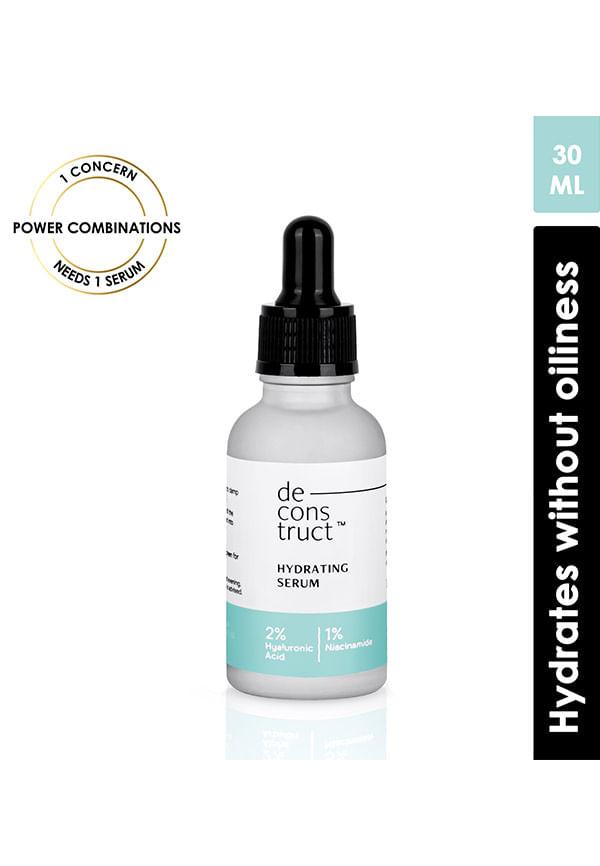 30 ml
30 mlHydrating Serum Hyaluronic Acid + 1% Niacinamide
Glycerin acts like a moisture magnet, pulling hydration from the environment into your skin. Peptides help with skin repair and renewal, whilst botanical extracts like hibiscus or rice water add gentle nourishment. When these work together in a moisture boosting serum, you get that coveted healthy glow.
Your skin type isn't just a label—it's your roadmap to finding products that actually work. Here's how to match your specific needs with the right serum formula.
If your skin feels tight and looks flaky, you need a face serum for dry skin that goes beyond surface-level moisture. Look for formulas combining hyaluronic acid with ceramides and natural oils. A serum for dehydrated skin should feel substantial without being heavy—think of it as a drink of water rather than a thick cream.
Sensitive skin needs extra TLC. Your best hydrating serum should be fragrance-free and formulated with gentle, proven ingredients. Avoid serums with high concentrations of acids or alcohol-based formulas. Always patch test new products on your inner arm before applying to your face.
Just because your skin produces oil doesn't mean it's properly hydrated. An intense hydration serum with a lightweight, gel-like texture can provide moisture without clogging pores. Look for non-comedogenic formulas that won't interfere with your skin's natural oil production.
Having the right serum is only half the battle—how you apply it makes all the difference between good results and amazing ones.
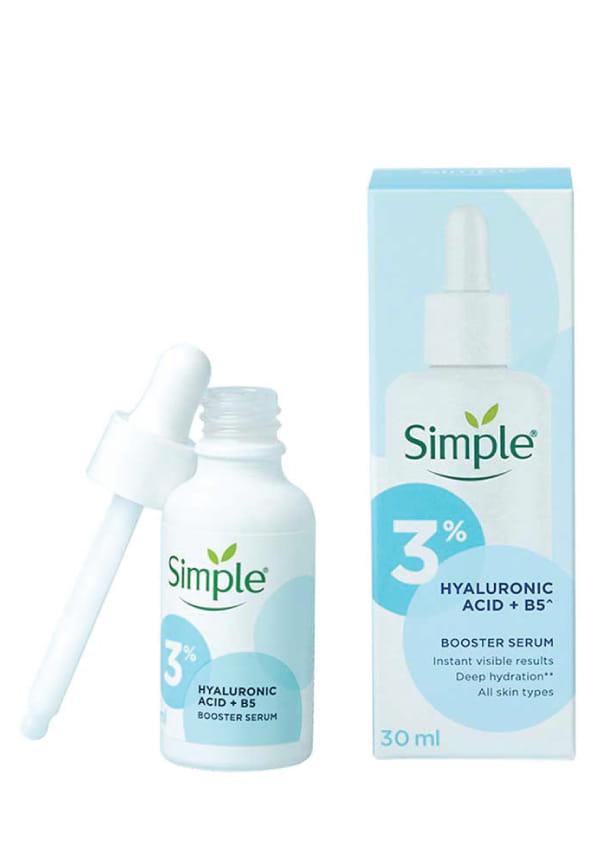 30 ml
30 mlBooster Serum 3% Hyaluronic Acid + B5 For Deep Hydration
Start with freshly cleansed skin. Apply your dry skin serum to slightly damp skin—this helps with absorption and gives you that extra hydration boost. Wait about 30 seconds before applying moisturiser, then finish with SPF during the day.
Use 2-3 drops for your entire face and neck. Gently pat the serum into your skin using your fingertips—no rubbing or pulling. Start from the centre of your face and work outwards. The gentle patting motion helps with absorption and won't irritate sensitive skin.
Don't apply serum to completely dry skin—it won't absorb as well. Avoid using too much product; more isn't always better with serums. Also, don't mix your serum with other products in your palm—layer them separately for maximum effectiveness.
A great serum works best as part of a thoughtful routine. Here's how to create a hydration-focused regimen that actually delivers results.
Start your day with a gentle cleanser, followed by your facial serum for moisture. In the morning, choose lighter formulas that play well with makeup and SPF. Your serum should absorb completely before you apply sunscreen—this usually takes about a minute.
Nighttime is when your skin does its repair work, so this is when you can use richer, more intense hydration serum formulas. Your evening routine can include multiple hydrating layers—think serum, followed by a hydrating moisturiser, and perhaps a sleeping mask once or twice a week.
Boost your serum's effectiveness with weekly treatments. Try applying your moisture boosting serum as a mask—apply a thicker layer, leave for 10-15 minutes, then gently pat in any excess. This intensive approach can help when your skin needs extra support during seasonal changes or stressful periods.
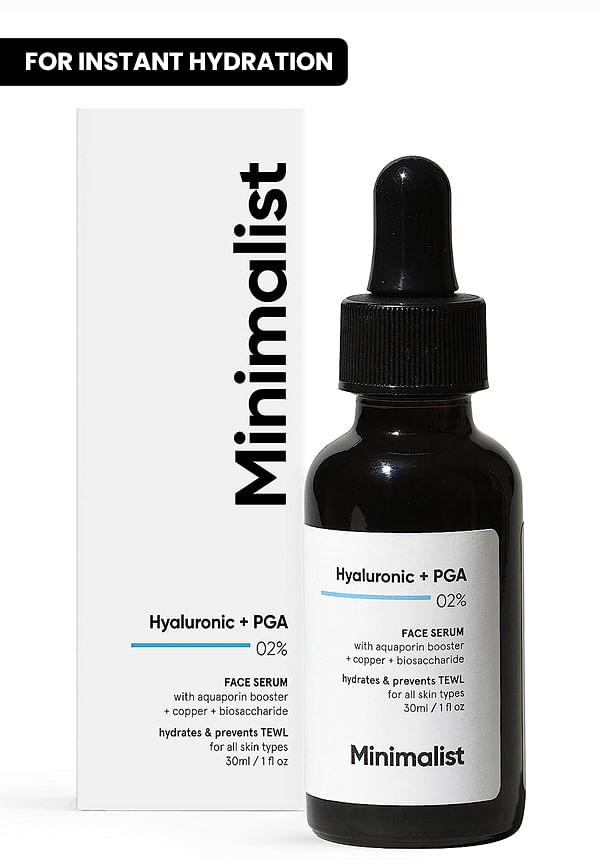 30 ml
30 ml2% Hyaluronic Acid Face Serum for Intense Hydration & Glowing Skin
The best hydrating serum depends on your specific skin needs. For most people, a hyaluronic acid-based serum with ceramides works brilliantly. Look for formulas that combine multiple molecular weights of hyaluronic acid with skin-barrier supporting ingredients.
Hyaluronic acid serums typically provide the most hydration, especially when they contain different molecular weights. A quality skin hydration serum with 1-2% hyaluronic acid concentration can significantly boost your skin's moisture levels.
Absolutely! Most hydrating serums for skin moisture are gentle enough for daily use, both morning and evening. Start with once daily and gradually increase to twice daily as your skin adjusts.
You might notice immediate plumping effects, but real improvements in skin texture and hydration typically appear after 2-4 weeks of consistent use. Be patient—good skincare is a marathon, not a sprint.
Hydrating serums add water to your skin cells, whilst moisturising serums help prevent water loss. The best formulas do both—they're like giving your skin a drink and then helping it hold onto that hydration.
Finding your perfect hydrating serum for skin moisture might take a bit of trial and error, but it's absolutely worth the journey. Remember, the best serum is one that works consistently with your skin type and fits seamlessly into your routine. Start with proven ingredients like hyaluronic acid and ceramides, pay attention to how your skin responds, and don't be afraid to adjust as your needs change.
The beauty of exploring skincare lies in discovering what truly works for your unique skin. With platforms like Smytten, you can try different facial serums for moisture without committing to full-size products. Smytten offers curated trial packs from trusted brands, letting you explore various formulations before finding your perfect match. With over 1,500 brands available and the ability to get up to 8 minis for just ₹249, plus 100% cashback on trial purchases, you can experiment with confidence. After all, why settle for 'maybe' when you can try it all and find what genuinely transforms your skin?
