How to Choose the Best Hydrating Ingredient for Your Skin

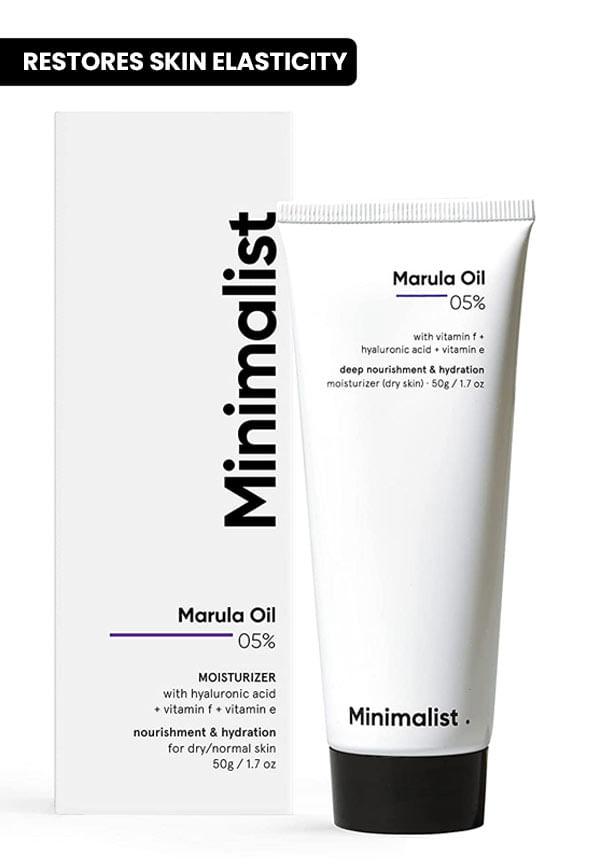 50 gm
50 gmMarula Oil 5% Face Moisturizer For Dry Skin With Hyaluronic Acid
Let's be real—walking down the skincare aisle can feel like decoding a chemistry textbook. With ingredients like hyaluronic acid, glycerin, and panthenol splashed across every bottle, it's no wonder you're confused about which one your skin actually needs. The truth is, not all hydrating ingredients work the same way, and what works for your mate might leave your skin feeling meh. Understanding the hyaluronic acid vs glycerin vs panthenol comparison can help you make smarter choices for your unique skin needs. Whether you're dealing with dry patches, looking for the perfect serum, or just want to understand what all the fuss is about, we've got you covered.
Your skin is basically a living, breathing barrier that's constantly working to keep moisture in and nasties out. When this barrier gets compromised—think harsh weather, over-cleansing, or just life being life—your skin starts losing water faster than you can say "dehydrated." This is where humectants for skin come into play. Humectants are like tiny moisture magnets that pull water from the environment (and deeper layers of your skin) to the surface. They're the unsung heroes of skin hydration, working behind the scenes to keep your complexion plump and happy. The clever bit? They don't just grab moisture—they hold onto it, creating a reservoir of hydration that your skin can tap into throughout the day.
Spotting dehydrated skin isn't always obvious. Sure, flaky patches are a dead giveaway, but dehydration can also show up as: • Tightness after cleansing • Fine lines that seem more pronounced • Dullness or lack of that natural glow • Makeup that doesn't sit quite right • Skin that feels rough to the touch
Now for the main event—let's break down these three hydration heavyweights and see what makes each one special. Think of this as your cheat sheet for understanding which ingredient might become your skin's new best friend. Hyaluronic acid benefits are pretty impressive. This molecule can hold up to 1,000 times its weight in water, making it the ultimate hydration hero. It comes in different molecular sizes—smaller molecules penetrate deeper, while larger ones create a moisture barrier on the surface. Glycerin for skin is like that reliable friend who's always there for you. Found in about 95% of moisturisers, it's gentle, effective, and works well with practically every skin type. It's particularly brilliant for skin barrier repair because it helps strengthen your skin's natural protective layer. Panthenol uses extend beyond just hydration. This clever ingredient converts to vitamin B5 once it hits your skin, offering anti-inflammatory benefits alongside moisture. It's particularly good for sensitive or irritated skin that needs some extra TLC.
• Molecular Size: Hyaluronic acid varies, glycerin is small, panthenol is medium • Penetration: Panthenol penetrates deepest, glycerin moderate, hyaluronic acid depends on molecular weight • Best For: Hyaluronic acid for plumping, glycerin for barrier repair, panthenol for sensitive skin • Texture: Hyaluronic acid can be sticky, glycerin feels smooth, panthenol is lightweight
Hyaluronic acid has become the poster child of modern skincare, and honestly, it's earned its reputation. This naturally occurring substance in our skin has an almost magical ability to attract and hold water, making it a key player in the best hydrating serums on the market. The science bit is actually quite fascinating. Hyaluronic acid molecules form a gel-like matrix that can expand and contract based on humidity levels. In a humid environment, they'll grab moisture from the air. In drier conditions, they'll pull water from deeper skin layers to the surface.
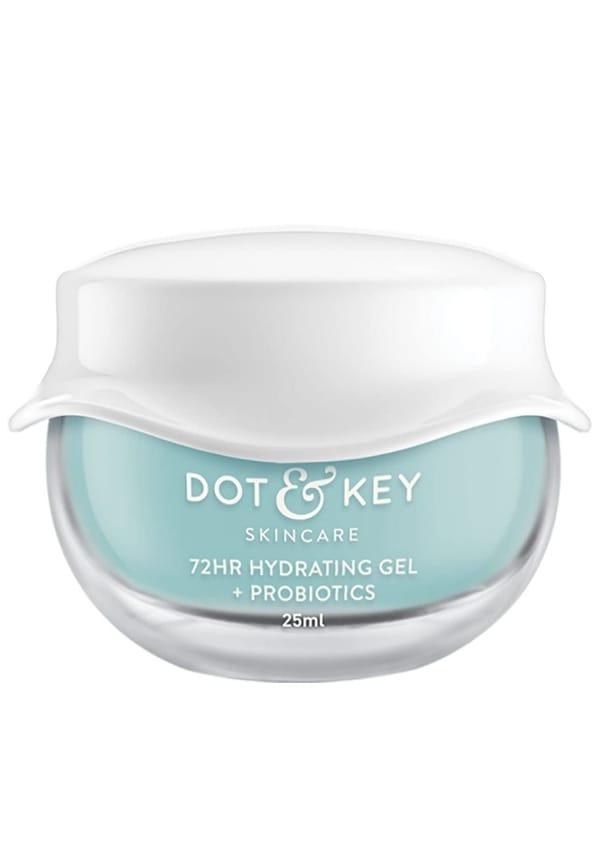 25 ml
25 ml72 Hr Hydrating Gel + Probiotics
Not all hyaluronic acid is created equal. High molecular weight versions sit on the skin's surface, creating an instant plumping effect that can temporarily smooth fine lines. Low molecular weight versions penetrate deeper, providing longer-lasting hydration from within. • High molecular weight: Instant plumping, surface hydration • Medium molecular weight: Balanced penetration and surface effects • Low molecular weight: Deep penetration, long-term hydration The best products often combine multiple molecular weights for comprehensive hydration. When shopping for serums, look for products that specify their molecular weight or mention "multi-molecular" hyaluronic acid.
Whilst hyaluronic acid gets all the glory, glycerin has been quietly doing the heavy lifting in skincare for decades. This humble ingredient is found in nearly every moisturiser for good reason—it works, it's gentle, and it plays well with others. Glycerin's superpower lies in its ability to improve skin barrier function. Unlike some hydrating ingredients that just sit on the surface, glycerin actually helps repair and strengthen your skin's natural protective barrier. This makes it particularly valuable for anyone dealing with compromised or sensitive skin.
Glycerin might not sound as fancy as hyaluronic acid, but it's incredibly effective for dry skin remedies. It's also one of the most researched skincare ingredients, with studies showing it can: • Improve skin barrier function within days • Reduce transepidermal water loss • Help other active ingredients penetrate better • Provide antimicrobial benefits • Support the skin's natural repair processes The best part? Glycerin is suitable for all skin types, including sensitive and acne-prone skin. It's non-comedogenic and rarely causes irritation, making it a safe choice for anyone looking to boost their skin's hydration levels.
Panthenol might be the most underrated ingredient in this comparison. Once it penetrates your skin, it converts to pantothenic acid (vitamin B5), offering benefits that go way beyond basic hydration. Think of it as the Swiss Army knife of hydrating ingredients. What makes panthenol special is its ability to work on multiple levels. It provides immediate moisture relief whilst also supporting your skin's long-term health. This dual action makes it particularly valuable for anyone dealing with irritation, sensitivity, or compromised skin barriers.
Panthenol's versatility makes it a valuable addition to any skincare routine: • Anti-inflammatory properties: Calms redness and irritation • Wound healing support: Helps repair damaged skin • Barrier strengthening: Improves overall skin resilience • Moisture retention: Helps skin hold onto hydration longer This makes panthenol particularly useful in moisturisers comparison studies, where it often outperforms single-function ingredients in terms of overall skin improvement.
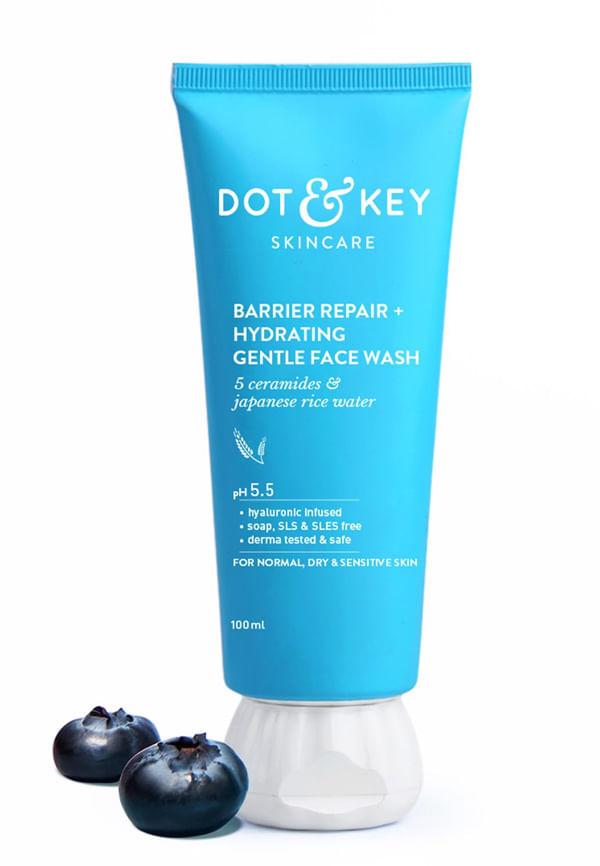 100 ml
Barrier Repair Hydrating Gentle Face Wash With Probiotic
Now that you understand what each ingredient brings to the table, let's talk about matching them to your specific skin needs. The truth is, there's no one-size-fits-all answer, but there are some general guidelines that can point you in the right direction. For dry skin remedies, you'll want to focus on ingredients that provide both immediate and long-term hydration. Glycerin is often the MVP here because it helps repair the underlying barrier issues that contribute to dryness. Hyaluronic acid can provide that instant plumping effect, whilst panthenol offers soothing benefits for any irritation caused by dryness.
If you have oily or combination skin, you might think hydrating ingredients will make you greasier. Plot twist—properly hydrated skin actually produces less excess oil. Look for lightweight formulations with hyaluronic acid or panthenol that won't clog pores.
Sensitive skin types should lean towards panthenol and glycerin, which are less likely to cause irritation. These ingredients also help strengthen the skin barrier, making it more resilient over time.
Here's where things get interesting—you don't have to choose just one hydrating ingredient. Many of the most effective products combine multiple humectants for comprehensive hydration. The key is understanding how to layer them properly. When using multiple hydrating products, apply them from thinnest to thickest consistency. Start with lightweight serums containing hyaluronic acid, follow with panthenol-rich treatments, and seal everything in with a glycerin-based moisturiser.
• Step 1: Hyaluronic acid serum on damp skin • Step 2: Panthenol treatment for targeted concerns • Step 3: Glycerin-based moisturiser to lock everything in • Step 4: SPF during the day This layering technique maximises the benefits of each ingredient whilst ensuring they work synergistically rather than competing with each other. With platforms like Smytten, you can actually try different formulations before committing to full-size products. This takes the guesswork out of finding your perfect hydration combination, letting you experiment with various brands and formulations until you find what works best for your skin.
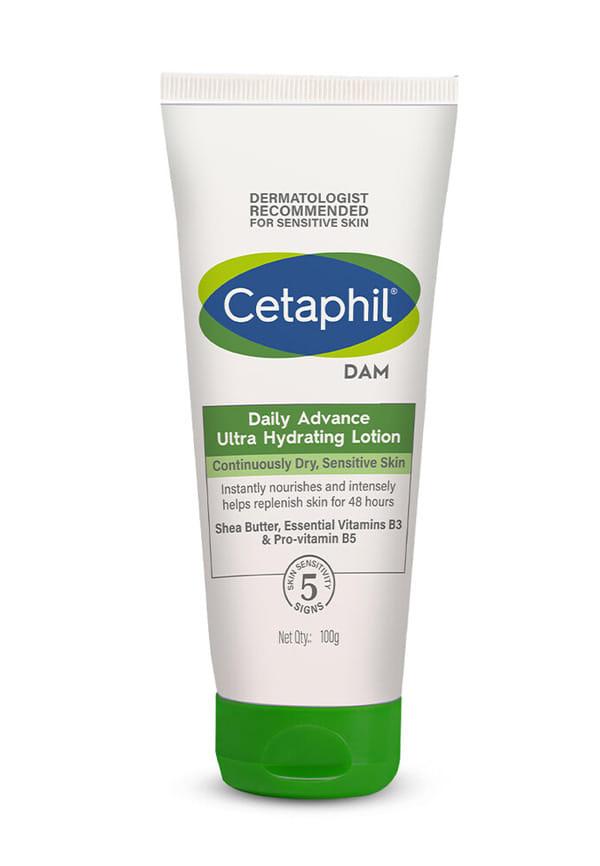 100 gm
Daily Advance Ultra Hydrating Lotion
It depends on your skin's needs. Hyaluronic acid is better for immediate plumping and surface hydration, whilst panthenol offers deeper penetration and anti-inflammatory benefits. For sensitive or irritated skin, panthenol might be the better choice.
Both are excellent for barrier repair, but panthenol has additional anti-inflammatory properties that make it better for reactive skin. Glycerin is more universally tolerated and found in more products, making it easier to incorporate into your routine.
Both ingredients support barrier repair, but they work differently. Panthenol converts to vitamin B5 and actively participates in skin repair processes, whilst glycerin helps maintain optimal moisture levels for natural repair. Using both together often yields the best results.
Absolutely! This combination is actually quite common in skincare products. Apply hyaluronic acid first on damp skin, then follow with a glycerin-containing moisturiser to lock in the hydration.
Hydration refers to water content in your skin cells, whilst moisturisation involves creating a barrier to prevent water loss. Humectants like hyaluronic acid provide hydration, whilst occlusives and emollients provide moisturisation.
Choosing between hyaluronic acid, glycerin, and panthenol doesn't have to be an either-or decision. Each ingredient brings unique benefits to the table, and understanding their strengths helps you build a more effective skincare routine. The key is matching ingredients to your specific skin needs and concerns. Remember, skincare is deeply personal, and what works for others might not work for you. That's where trial and discovery become invaluable. Smytten's platform makes it easier to explore different formulations and brands without the commitment of full-size purchases. With over 1,500 trusted brands and the ability to try up to 8 minis for just ₹249, you can experiment with various hydrating ingredients until you find your perfect match. After all, why settle for 'maybe' when you can try it all and find what truly works for your skin?
