
Skincare
•07 min read

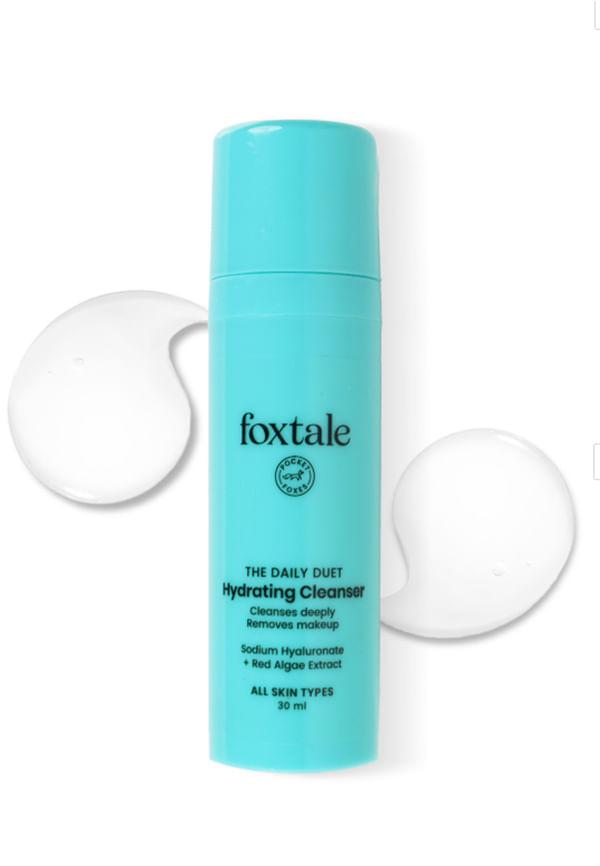 30 ml
30 mlHydrating Face Wash with Hyaluronic Acid
Let's be real—finding the right face hydration routine can feel like solving a puzzle with missing pieces. Your skin might be crying out for moisture, but with endless options of skin hydration products for face care lining the shelves, where do you even start? Whether you're dealing with that tight, uncomfortable feeling after cleansing or noticing fine lines that seem to appear overnight, getting your hydration game right is absolutely essential. The good news? Once you understand what your skin actually needs and how different products work together, building an effective routine becomes so much clearer. Think of this as your friendly guide to navigating the world of facial moisturizers, hydrating serums, and everything in between—because your skin deserves to feel plump, comfortable, and absolutely glowing.
Before diving into product recommendations, it's crucial to understand what your skin is actually telling you. Many people confuse dehydrated skin with dry skin, but they're quite different beasts that require different approaches.
Dehydrated skin lacks water, whilst dry skin lacks oil. Sounds simple, but the distinction matters massively when choosing your products. Dehydrated skin solutions focus on adding water back into your skin cells, whilst dry skin remedies work to restore your skin's natural oil barrier. If your skin feels tight but still produces oil in your T-zone, you're likely dealing with dehydration. Look for products with hyaluronic acid, glycerin, and other humectants that draw moisture into the skin. On the other hand, if your skin feels rough, flaky, or consistently tight all over, you probably have dry skin that needs oil-based ingredients like ceramides and fatty acids.
Your skin barrier is like a protective wall that keeps moisture in and irritants out. When it's compromised, even the best hydrating products won't work effectively. Skin barrier repair should be a priority if you notice increased sensitivity, persistent dryness, or products that used to work suddenly causing irritation. Factors like over-exfoliation, harsh weather, and using products with high alcohol content can damage this barrier. The good news is that with the right ingredients and gentle approach, you can restore your skin's natural protective function.
Now that you understand your skin's needs, let's talk about the products that can actually make a difference. Think of building your routine like creating layers—each one serves a specific purpose.
Hyaluronic acid serum is probably the most talked-about hydrating ingredient, and for good reason. This molecule can hold up to 1,000 times its weight in water, making it incredibly effective at plumping up dehydrated skin. Apply it to slightly damp skin for maximum absorption. Other brilliant hydrating ingredients include: • Glycerin, which draws moisture from the environment • Niacinamide, which strengthens the skin barrier whilst hydrating • Ceramides, which help restore the skin's natural protective layer • Sodium hyaluronate, a smaller molecule that penetrates deeper than regular hyaluronic acid
Choosing the best face moisturizer depends entirely on your skin type and the climate you live in. Gel moisturizers work brilliantly for oily or combination skin, providing hydration without feeling heavy. Cream formulations are perfect for dry or mature skin, offering richer, more occlusive ingredients. Face creams for dry skin should contain ingredients like shea butter, squalane, or petrolatum to create a protective seal over your hydrating serums. Don't be afraid of slightly heavier textures—your skin will thank you for the extra nourishment.
Beyond your basic serum and moisturizer, there are some brilliant skin quenching products that can take your hydration game to the next level. Overnight masks provide intensive hydration whilst you sleep, whilst hydrating mists can refresh your skin throughout the day. Eye creams deserve special mention because the skin around your eyes is thinner and more prone to showing signs of dehydration. Look for lightweight formulations that won't cause milia but still provide adequate moisture.
Creating an effective routine isn't about using every product available—it's about finding the right combination that works for your lifestyle and skin needs.
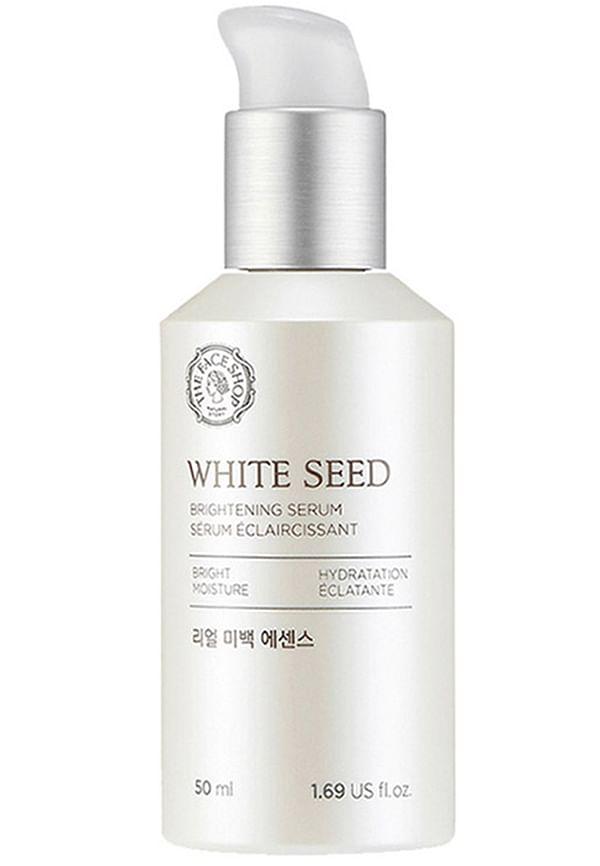 50 ml
50 mlNiacinamide, Hyaluronic Acid With White Seed Serum
Your morning routine should focus on protection and lightweight hydration. Start with a gentle cleanser, follow with your hydrating serums, then apply your daytime moisturizer. The key is choosing products that play well with SPF, which should always be your final step. For busy mornings, consider multi-tasking products like moisturizers with built-in SPF or hydrating primers that can double as your base layer.
Evenings are when you can really go to town with hydration. After double cleansing, apply your most potent serums to clean, slightly damp skin. Layer from thinnest to thickest consistency, allowing each product to absorb before applying the next. This is also the perfect time for overnight treatments or facial oils that might be too heavy for daytime wear. Your skin does most of its repair work whilst you sleep, so give it all the hydrating support it needs.
Not all hydration is created equal, and what works for your friend might not work for you. Here's how to tailor your approach based on your specific skin type.
If you have oily skin, you might think you don't need much hydration, but that's actually a common misconception. Dehydrated oily skin often overproduces oil to compensate for lack of water, creating a cycle of congestion and shine. Look for lightweight, gel-based formulations that provide hydration without clogging pores. Ingredients like niacinamide can help regulate oil production whilst providing moisture, and hyaluronic acid gives you that plump feeling without any greasiness.
Sensitive skin requires extra gentle dehydrated skin solutions that won't trigger irritation. Stick to fragrance-free formulations and avoid products with high concentrations of acids or alcohol. Ceramides, colloidal oatmeal, and allantoin are brilliant ingredients for sensitive skin that provide hydration whilst soothing inflammation. Always patch test new products, especially if you're trying multiple new items at once.
As we age, our skin naturally produces less oil and loses some of its ability to retain moisture. This means mature skin often needs richer, more intensive hydration than younger skin. Look for products that combine hydration with anti-aging benefits, like peptides or retinol. However, be mindful that some anti-aging ingredients can be drying, so you might need to adjust your hydration levels accordingly.
Even with the best intentions, it's easy to make mistakes that can actually work against your hydration goals.
Using harsh cleansers or washing your face too frequently can strip away your skin's natural moisture barrier. Stick to gentle, pH-balanced cleansers and resist the urge to cleanse more than twice daily unless you've been sweating heavily. Similarly, using too many products can overwhelm your skin and prevent proper absorption. Start with the basics—cleanser, serum, moisturizer—and add products gradually to see what your skin actually needs.
Applying products to completely dry skin reduces their effectiveness, especially for humectants like hyaluronic acid. Always apply serums to slightly damp skin, and don't rush between layers—give each product time to absorb properly. Environmental factors like air conditioning, heating, and low humidity can also impact how well your products work. You might need to adjust your routine seasonally or add a humidifier to your bedroom.
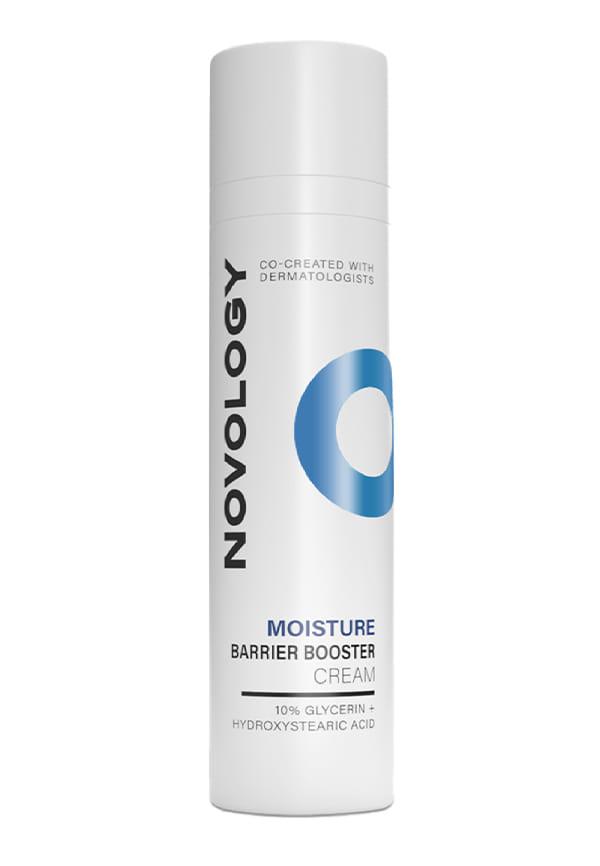 50 g
50 gMoisture Barrier Cream, Face Moisturiser for Hydration, For Dehydrated & Dry Skin
Getting the most out of your skin hydration products for face care goes beyond just the products themselves.
Drinking enough water is obviously important, but it's not the only lifestyle factor that affects your skin's hydration levels. Getting adequate sleep helps your skin repair and regenerate, whilst managing stress can prevent inflammation that disrupts your skin barrier. Your diet also plays a role—foods rich in omega-3 fatty acids, antioxidants, and vitamins can support your skin's natural moisture retention from the inside out.
Your skin's needs change with the seasons, your age, hormonal fluctuations, and even your stress levels. Pay attention to how your skin feels and looks, and don't be afraid to switch up products when needed. If you're consistently following a good routine but still experiencing dryness or irritation, it might be time to consult a dermatologist to rule out underlying skin conditions. With so many options available, finding the right products for your skin can feel overwhelming. This is where platforms like Smytten become incredibly valuable—you can try mini versions of products from trusted brands before committing to full sizes. Getting up to 8 minis for just ₹249 means you can experiment with different facial moisturizers and hydrating serums without the financial risk of buying full-size products that might not work for your skin.
Most hydrating serums can be used twice daily, morning and evening. However, start with once daily if you're introducing multiple new products to avoid overwhelming your skin.
Absolutely! You can layer a lighter moisturizer under a heavier one, or use different moisturizers for different areas of your face based on varying needs.
Hydrating adds water to your skin, whilst moisturizing helps prevent water loss. The best routines incorporate both elements for optimal skin health.
This could be due to a damaged skin barrier, using the wrong products for your skin type, or external factors like harsh weather or over-exfoliation.
You should notice immediate improvements in skin comfort, but visible changes in texture and appearance typically take 4-6 weeks of consistent use.
Building the perfect face hydration routine is a journey, not a destination. Your skin's needs will evolve, and what works brilliantly in winter might need adjusting for summer humidity. The key is understanding your skin type, choosing quality products with proven ingredients, and being patient with the process. Remember, you don't need to break the bank to achieve well-hydrated skin. Focus on finding products that work for your specific concerns rather than following every trend. With Smytten's trial platform, you can explore products from over 1,500 trusted brands, making it easier to discover your perfect hydration routine without the guesswork. After all, why settle for 'maybe' when you can try it all and find exactly what makes your skin feel its absolute best?
