How to Choose the Best Daily Face Cream for Your Skin Type


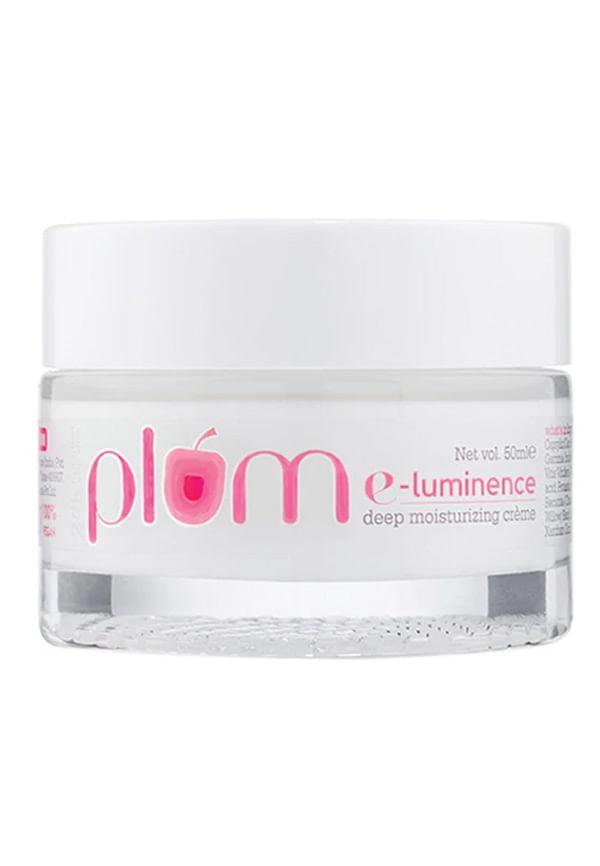 50 ml
50 mlE-luminence Deep Moisturizing Creme
Finding the perfect daily face cream feels like searching for a needle in a haystack, doesn't it? With endless options promising everything from glass skin to anti-ageing miracles, choosing daily face cream can feel overwhelming. But here's the thing—your skin is unique, and what works for your bestie might not work for you. The secret lies in understanding your skin type, knowing which ingredients to look for, and finding that sweet spot between hydration and comfort. Let's break down everything you need to know about selecting the right face cream that'll become your skin's new best friend.
Before diving into the world of face creams, you need to know your skin type. Think of it as getting to know your skin's personality—is it the dramatic type that gets oily by noon, or the sensitive one that reacts to everything? Understanding this is crucial for choosing daily face cream that actually works.
Here's a quick way to figure out your skin type without any fancy equipment. Wash your face with a gentle cleanser, pat it dry, and wait for about an hour without applying any products. Then, press blotting paper on different areas of your face—forehead, nose, cheeks, and chin.
If the paper shows oil from all areas, you likely have oily skin
No oil on the paper usually means dry skin
Oil only from the T-zone (forehead, nose, chin) indicates combination skin
Minimal oil with no irritation suggests normal skin
If your skin feels tight or looks red, you might have sensitive skin
Dry skin craves rich, nourishing formulas that lock in moisture all day long. When selecting a cream for dry skin, look for thicker textures that feel substantial but not greasy.
Key ingredients to hunt for include hyaluronic acid (it holds up to 1000 times its weight in water), ceramides that repair your skin barrier, and glycerin for that plump, hydrated feel. Avoid anything labelled "oil-free" or "mattifying"—these are not your friends when you're dealing with dryness.
Oily skin needs hydration too, just in a different form. The best face cream for oily skin should be lightweight, fast-absorbing, and non-comedogenic (fancy term for won't clog your pores).
Look for gel-based or water-based facial moisturizers that provide skin hydration without adding extra oil. Ingredients like niacinamide can help control oil production whilst still keeping your skin happy and hydrated.
Combination skin is like having two different skin types on one face—tricky, but totally manageable. You might need to use different products on different areas, or find a daily moisturizer that balances both needs.
A lightweight hydrating cream that's neither too rich nor too light often works well. You can always apply a bit more on dry areas and less on your oily T-zone.
Sensitive skin requires extra TLC when choosing daily face cream. Look for fragrance-free, hypoallergenic formulas with minimal ingredients. The fewer ingredients, the less chance of irritation.
Gentle moisturizers for face with soothing ingredients like aloe vera, chamomile, or oat extract can help calm reactive skin whilst providing necessary hydration.
Now that you know your skin type, let's talk about the star ingredients that make a face cream worth your time and money. Think of these as the MVPs of skin hydration.
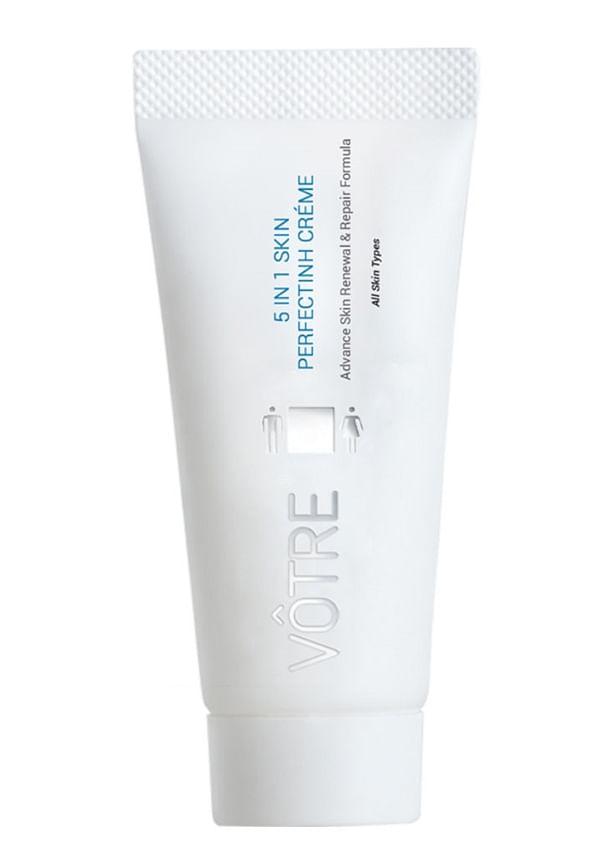 30 gm
30 gm5 In 1 Skin Perfecting Crème
Hyaluronic acid is probably the most talked-about ingredient in skincare right now, and for good reason. This moisture magnet can hold up to 1000 times its weight in water, making it perfect for plumping up your skin and keeping it hydrated all day.
Glycerin is another hydration hero that draws moisture from the environment into your skin. It's gentle, effective, and works well for all skin types. Ceramides are like the security guards of your skin barrier—they keep the good stuff in and the bad stuff out whilst maintaining optimal hydration levels.
Beyond basic hydration, some face lotions pack extra benefits. Niacinamide (vitamin B3) is brilliant for minimising pores and controlling oil production. Peptides help with anti-ageing by supporting collagen production, whilst vitamin C brightens and protects against environmental damage.
Remember, when you're starting with actives, less is more. Your skin needs time to adjust to new ingredients, so introduce them gradually.
Some ingredients might sound fancy but can actually irritate your skin. Heavy fragrances, alcohol-based formulas, and overly harsh actives can disrupt your skin barrier and cause more harm than good.
If you have sensitive skin, steer clear of essential oils, strong fragrances, and high concentrations of acids in your daily face cream. Save the intense stuff for targeted treatments.
Your skin has different needs during the day versus at night, so your moisturizer for face should adapt accordingly. Think of daytime as protection mode and nighttime as repair mode.
Your morning facial moisturizer should be lightweight, fast-absorbing, and ideally contain SPF. You want something that plays well with makeup and provides a good base for the day ahead.
Look for hydrating creams that absorb quickly and don't leave a greasy residue. If your moisturizer doesn't have SPF, make sure to layer sunscreen on top—your future self will thank you.
Night-time is when your skin goes into repair mode, so you can afford to use richer, more intensive formulations. This is when you can layer on that luxurious hydrating cream without worrying about it interfering with makeup.
Nighttime moisturizers often contain ingredients like retinol, peptides, or AHAs that work best when you're not exposed to sunlight. Just remember to always use SPF the next morning if you're using any active ingredients.
Found a face cream that looks promising? Don't just slather it all over your face on day one. Your skin deserves a proper introduction to new products.
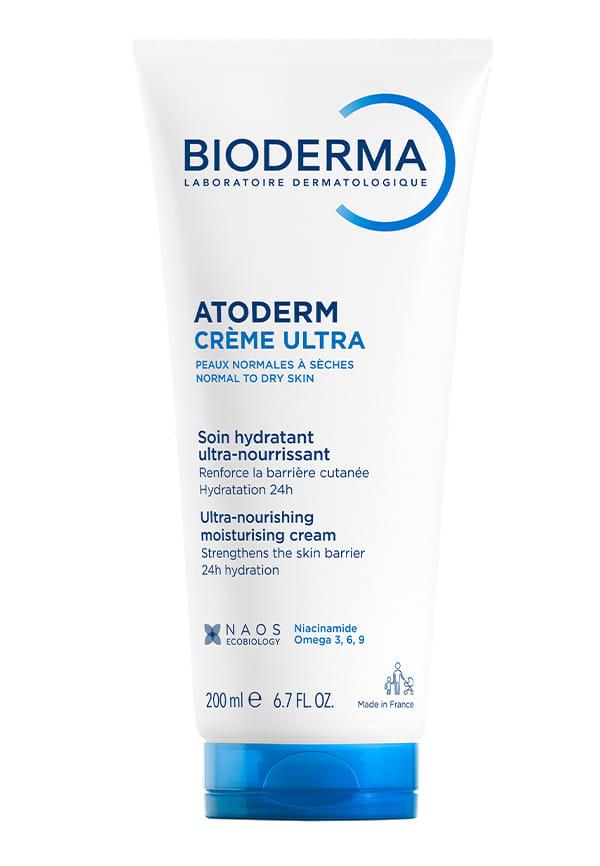 200 ml
Atoderm Creme Ultra-Nourishing Moisturizer
Before committing to any new facial moisturizer, do a patch test. Apply a small amount to your inner wrist or behind your ear and wait 24-48 hours to see if any reaction occurs.
Signs to watch for include redness, itching, burning, or any unusual bumps. If your skin stays happy, you're good to go. If not, it's time to find another option.
The best face cream for you should feel comfortable on your skin. It shouldn't feel too heavy, too light, or leave you looking like an oil slick. Pay attention to how quickly it absorbs and how your skin feels throughout the day.
Consider your climate and lifestyle too. If you live in a humid area, you might prefer lighter formulations. In dry climates, richer creams might be your best friend.
Having the right product is only half the battle—how you apply your daily face cream matters just as much. Proper application can make even an average moisturizer work better.
Here's a game-changing tip: apply your face lotion within three minutes of cleansing. This is when your skin is still slightly damp, which helps lock in that extra moisture.
The science behind this is simple—damp skin absorbs products better than completely dry skin. So don't wait around after washing your face; get that hydrating cream on whilst your skin is still receptive.
Start with clean hands and a pea-sized amount of product (you'd be surprised how little you actually need). Warm it between your palms, then gently press and pat it into your skin using upward motions.
Don't forget your neck and décolletage—they're part of your face too! Use gentle, upward strokes and avoid tugging or pulling at your skin. Your face cream should glide on smoothly without requiring excessive rubbing.
Even with the best intentions, it's easy to make mistakes when selecting skincare products. Let's talk about the most common pitfalls and how to avoid them.
Just because a moisturizer for face smells amazing doesn't mean it's good for your skin. Fragrances are one of the top causes of skin irritation, especially for sensitive skin types.
"Fragrance-free" and "unscented" aren't the same thing. Fragrance-free means no fragrance ingredients were added, whilst unscented might contain masking fragrances to cover up the natural smell of ingredients.
Yes, you can have too much of a good thing. Over-moisturising can lead to clogged pores, breakouts, and that uncomfortable heavy feeling. Under-moisturising leaves your skin tight, flaky, and potentially more prone to irritation.
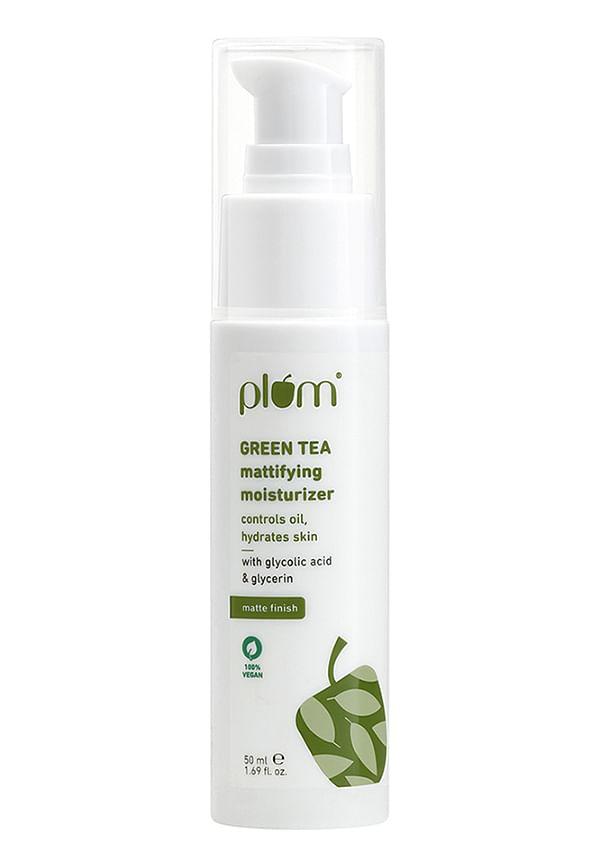 50 ml
50 mlGreen Tea Mattifying Moisturizer
Your skin should feel comfortable, soft, and balanced after applying your daily moisturizer. If it feels greasy after an hour, you might be using too much or need a lighter formula. If it feels tight or looks flaky, you need more hydration.
Your face cream doesn't work in isolation—it's part of a bigger picture. A good skincare routine is like a well-orchestrated symphony, with each product playing its part.
Start simple: cleanser, moisturizer, and SPF during the day. You can always add more products later, but it's better to nail the basics first. When choosing daily face cream, consider how it fits with your other products and lifestyle.
This is where platforms like Smytten become incredibly valuable. Instead of committing to full-size products that might not work for you, you can try mini versions of different face creams and moisturizers. With over 1,500 trusted brands including Cetaphil and Dot & Key, you can explore various options without the financial commitment. Getting up to 8 minis for just ₹249 means you can test multiple facial moisturizers to find your perfect match.
The best daily face cream depends entirely on your skin type and concerns. For dry skin, look for rich, cream-based formulas with ingredients like hyaluronic acid and ceramides. Oily skin benefits from lightweight, gel-based moisturizers that provide hydration without adding excess oil. Combination skin often does well with balanced formulas that aren't too heavy or too light. The key is finding a formula that feels comfortable and keeps your skin hydrated throughout the day.
Start by identifying your skin type using the blotting paper test or observing how your skin behaves throughout the day. Consider your main skin concerns—whether it's dryness, oiliness, sensitivity, or signs of ageing. Read ingredient lists and look for beneficial components like hyaluronic acid for hydration or niacinamide for oil control. Always patch test new products and give them at least 2-4 weeks to show results before deciding if they work for you.
The 3-minute moisturizer rule suggests applying your face cream within three minutes of cleansing, whilst your skin is still slightly damp. This timing helps lock in moisture more effectively because damp skin absorbs products better than completely dry skin. The residual water on your skin acts as a vehicle to help the moisturizer penetrate deeper and work more efficiently.
While not absolutely necessary, using different moisturizers for day and night can be beneficial. Daytime moisturizers are typically lighter, absorb quickly, and often contain SPF for protection. Night moisturizers can be richer and may contain active ingredients like retinol or peptides that work best without sun exposure. If you prefer to keep things simple, choose one good daily moisturizer that works well under makeup and provides adequate hydration.
A pea-sized amount is usually sufficient for your entire face and neck. Using too much product can lead to clogged pores and that uncomfortable heavy feeling, whilst too little won't provide adequate hydration. The right amount should spread easily across your face without requiring excessive rubbing and should absorb within a few minutes without leaving a greasy residue.
Choosing daily face cream doesn't have to be rocket science, but it does require understanding your skin's unique needs. Whether you're dealing with dryness, oiliness, or sensitivity, there's a perfect moisturizer out there waiting for you. The key is being patient with the process and giving products time to work.
Remember, your skin's needs can change with seasons, age, hormones, and lifestyle factors, so don't be afraid to reassess and adjust your routine accordingly. What works in your twenties might not work in your thirties, and that's completely normal.
The beauty of modern skincare is that you don't have to guess what works for your skin. With Smytten's trial platform, you can explore different face creams and moisturizers from trusted brands without the commitment of full-size purchases. With 100% cashback on trial minis and over 100 million products delivered across India, you can confidently experiment until you find your holy grail daily moisturizer. After all, why settle for 'maybe' when you can try it all and find what truly works for your unique skin?
