Skincare
•09 min read

Vitamin C Face Serum
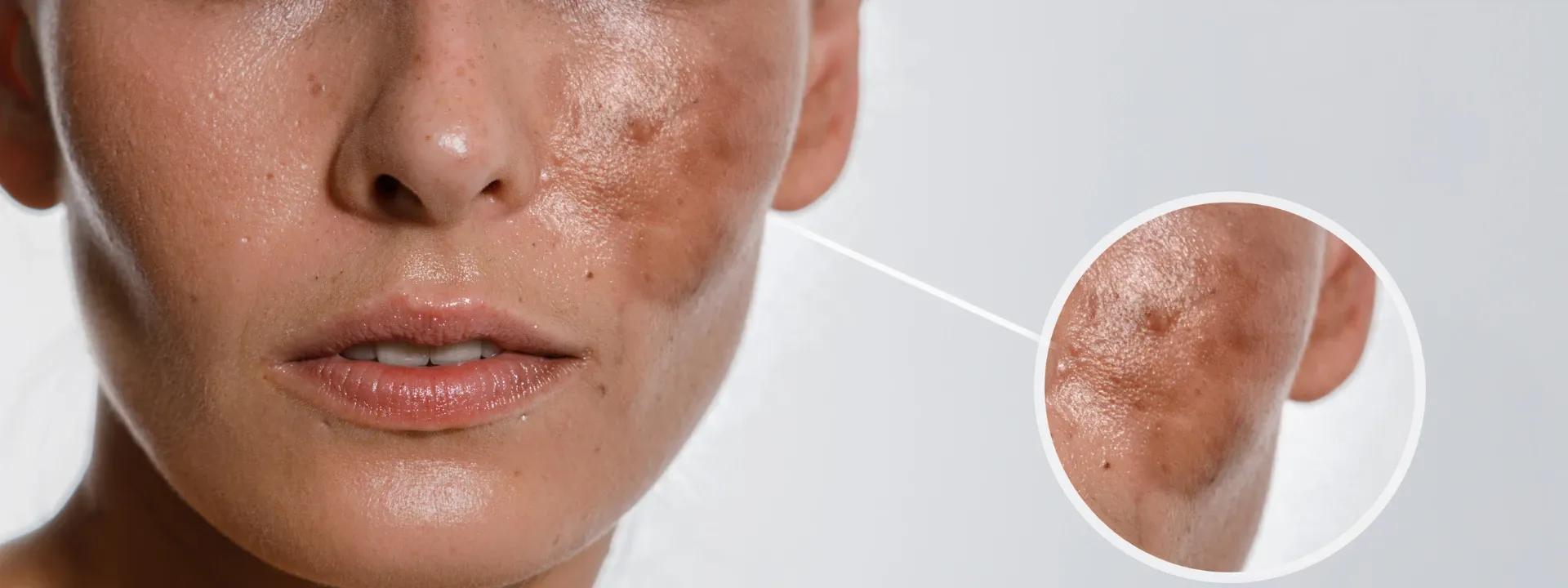
Age spots can feel like unwelcome reminders of time spent in the sun, but here's the thing—they don't have to be permanent fixtures on your skin. These dark patches, also called liver spots or sun spots, are incredibly common and totally treatable with the right approach. The trick is knowing what to look for in a cream and understanding which ingredients actually work for your specific skin concerns. Whether you're dealing with a few scattered spots or more noticeable discolouration, finding the best creams for age spots doesn't have to feel overwhelming. Let's break down everything you need to know to make smart choices that actually deliver results.
Age spots aren't really about age—they're about sun exposure. These flat, brown or black spots form when your skin produces too much melanin in response to UV damage over time. Think of them as your skin's way of trying to protect itself, but the protection ends up staying visible long after the sun exposure.
The process starts deep in your skin cells. When UV rays hit your skin repeatedly, they trigger melanocytes (the cells that produce pigment) to go into overdrive. Instead of creating an even tan that fades, these cells cluster together and create concentrated patches of colour. This is why age spots typically show up on areas that get the most sun—your face, hands, shoulders, and arms.
Hormonal changes can also play a role, especially for women. Pregnancy, birth control pills, and hormone replacement therapy can all make your skin more sensitive to sun damage. Some people are also genetically predisposed to developing more noticeable hyperpigmentation, which means even minimal sun exposure can trigger spot formation.
The best creams for age spots work by targeting the excess melanin that creates those dark patches. Most effective formulas use ingredients that either prevent new melanin production or help speed up the natural process of shedding pigmented skin cells.
Some ingredients, like hydroquinone, work by inhibiting the enzyme that produces melanin. Others, like retinoids, accelerate cell turnover so that pigmented cells are replaced more quickly with fresh, evenly-toned skin. Vitamin C and other antioxidants help prevent further damage while supporting your skin's natural repair processes.
Real talk—age spot removal takes time. Most people start seeing subtle changes around 6-8 weeks, with more noticeable improvements appearing after 3-6 months of consistent use. The key is patience and consistency, because these creams work gradually to create lasting change rather than quick fixes that don't last.
When it comes to serious hyperpigmentation treatment, some ingredients are simply more powerful than others. Prescription-strength options often deliver faster, more dramatic results for stubborn spots.
Hydroquinone is widely considered the most effective dark spot corrector available. At prescription strength (4% or higher), it can significantly lighten age spots by blocking melanin production. It's particularly effective for melasma treatment and stubborn sun spots that haven't responded to other treatments.
Tretinoin, a prescription retinoid, works by speeding up cell turnover and helping pigmented cells shed more quickly. It's often combined with hydroquinone for enhanced effectiveness. While it can cause initial irritation, the long-term results for skin discoloration are impressive.
Many dermatologists prescribe combination creams that include hydroquinone, tretinoin, and a mild steroid. These triple-therapy formulas can be incredibly effective for liver spot treatment, but they require careful monitoring and aren't suitable for long-term use.
Not everyone needs prescription strength treatments. Many over-the-counter skin brightening creams contain proven ingredients that can effectively fade age spots with consistent use.
Vitamin C is brilliant for both treating existing spots and preventing new ones. It works as an antioxidant to protect against further UV damage while gently inhibiting melanin production. Look for stable forms like magnesium ascorbyl phosphate or sodium ascorbyl phosphate in your fade cream for face.
Kojic acid and glycolic acid are excellent options for sensitive skin. Kojic acid naturally inhibits melanin production, while glycolic acid helps exfoliate pigmented cells. These ingredients work well in combination and are less likely to cause irritation than stronger alternatives.
Niacinamide has become a favourite in skin discoloration cream formulas because it's gentle yet effective. Alpha arbutin and tranexamic acid are newer ingredients showing impressive results for sun spot removal without the sensitivity issues of traditional treatments.
Before choosing any treatment, it's worth taking a proper look at what you're actually dealing with. Not all dark spots are created equal, and different types respond better to specific treatments.
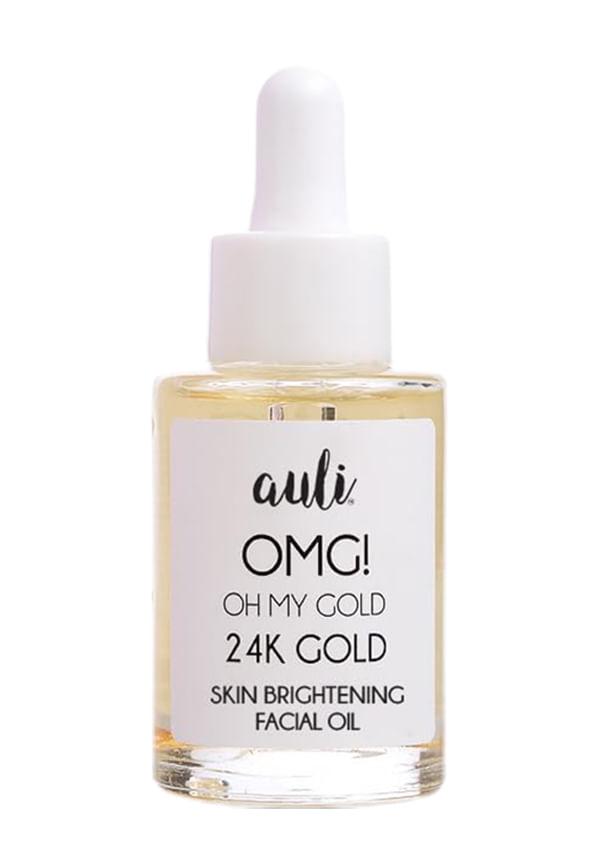 30 gm
30 gmAuli OMG 24K Gold Flakes Induced Facial Oil, Prevents Ageing and Hydrates Skin - 30 gm
True age spots are usually flat, well-defined, and brown or black. They're most common on sun-exposed areas and tend to be fairly uniform in colour. Melasma, on the other hand, often appears as larger, irregular patches and is more common on the face. Post-inflammatory hyperpigmentation from acne or injuries creates yet another type of discolouration that may need different treatment approaches.
Your skin's sensitivity level also matters enormously. If you have reactive skin, starting with gentler ingredients like vitamin C or niacinamide makes more sense than jumping straight to stronger options. Consider how your skin typically responds to new products and whether you've had success with active ingredients in the past.
Light, recent spots often respond well to over-the-counter options, while deeper, older spots may need prescription-strength treatments. Be honest about how long you've had the spots and how dark they are—this will help guide your choice of the best dark spot cream for your situation.
Think about your daily routine and sun exposure. If you're outdoors frequently, you'll need a treatment plan that includes serious sun protection. Some ingredients make your skin more photosensitive, so timing and additional precautions become crucial.
The most effective approach is matching your chosen ingredients to your specific skin type and concerns. This personalised approach gives you the best chance of seeing real results without unnecessary irritation.
For sensitive skin, start with gentler options like vitamin C, niacinamide, or low-concentration glycolic acid. These ingredients work more slowly but are less likely to cause redness or peeling. You can always step up to stronger treatments later if needed.
Mature skin often benefits from retinol or retinoid-based treatments because they address multiple concerns simultaneously—age spots, fine lines, and overall skin texture. The key is starting slowly and building tolerance gradually.
The skin on your face is more delicate than on your hands or body, so choose formulations accordingly. Face creams typically have lighter textures and more refined ingredient concentrations, while body treatments can be stronger and more occlusive.
Even the best creams for age spots won't work properly if you're not using them correctly. Proper application technique and timing can make a huge difference in your results.
Most age spot treatments work best when applied to clean, dry skin in the evening. Start with a small amount—these products are concentrated, and more isn't always better. Gently pat the cream onto the affected areas, avoiding the immediate eye area unless the product is specifically formulated for that delicate skin.
Layering is crucial. Apply your treatment cream first, wait 10-15 minutes for it to absorb, then follow with your regular moisturiser. This helps prevent irritation while ensuring the active ingredients can penetrate effectively.
Here's something that can't be stressed enough—sun protection is absolutely essential when using any age spot removal treatment. Many ingredients make your skin more photosensitive, and new sun damage can undo all your progress. Use a broad-spectrum SPF 30 or higher every single day, even when it's cloudy.
Most people start seeing subtle improvements around 6-8 weeks, with more noticeable changes appearing after 3-4 months. Don't expect overnight miracles—the best results come from consistent, long-term use. Take progress photos in the same lighting to track improvements that might be too gradual to notice day-to-day.
Understanding what's normal during treatment helps you stick with your routine and know when to adjust your approach. Some mild irritation is common when starting new treatments, especially with stronger ingredients.
Initial dryness, slight redness, or mild peeling often occurs in the first few weeks as your skin adjusts. This usually subsides as your skin builds tolerance. However, severe irritation, persistent burning, or worsening discolouration are signs to stop use and consult a dermatologist.
Progress isn't always linear. You might notice spots looking darker initially as the pigment rises to the surface before fading. This is actually a good sign that the treatment is working to bring deeper pigmentation to the surface where it can be shed naturally.
If you're not seeing any improvement after 3-4 months of consistent use, or if spots are getting darker or changing shape, it's time to see a dermatologist. They can assess whether you need stronger treatments or if there are other underlying issues to address.
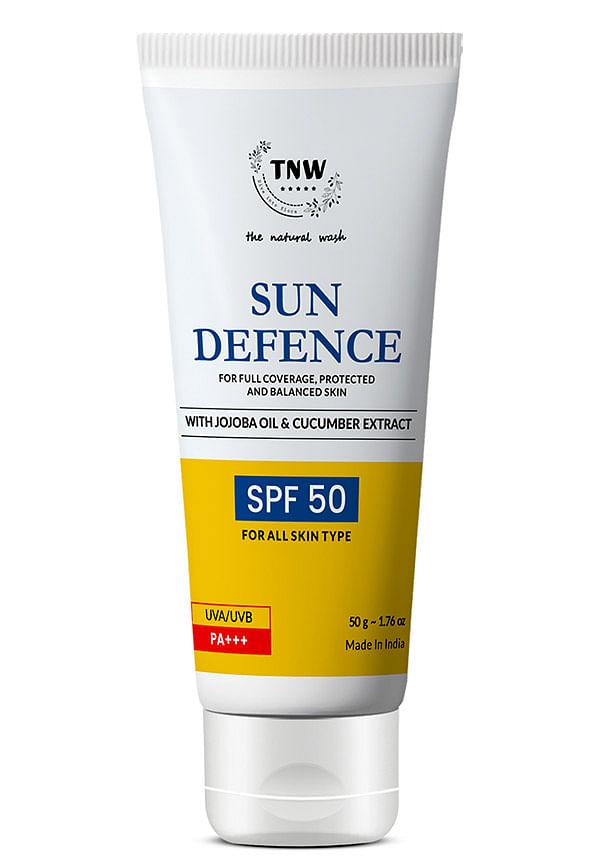 50 gm
50 gmSun Defence Spf Cream
The best approach to age spots combines effective treatment with smart prevention strategies. Once you've achieved the results you want, maintaining them requires ongoing attention to sun protection and skin health.
Daily sunscreen use is your most powerful tool for preventing new spots. Look for broad-spectrum protection with zinc oxide or titanium dioxide, and don't forget often-missed areas like your hands, neck, and ears. Reapply every two hours when you're outdoors.
Antioxidant support through both topical products and a healthy diet helps your skin repair existing damage and resist new damage. Vitamin C serums, green tea extracts, and foods rich in antioxidants all contribute to healthier, more resilient skin.
Once you've achieved your desired results, you might be able to reduce treatment frequency or switch to gentler maintenance products. Many people find success using their treatment cream 2-3 times per week rather than daily, or rotating between different products to prevent tolerance buildup.
With so many options available, finding the right age spot treatment doesn't have to involve expensive trial and error. Smytten offers curated trial packs from trusted skincare brands, letting you test different formulations before committing to full-size purchases. You can explore various dark spot correctors and hyperpigmentation treatments for just ₹249, with 100% cashback redeemable for future orders. This approach helps you discover what works for your skin without the financial risk of buying full-size products that might not deliver the results you're looking for.
The best cream depends on your skin type and the severity of your spots. Prescription hydroquinone is most effective for stubborn spots, while vitamin C and niacinamide work well for milder discolouration and sensitive skin.
Yes, when used consistently with proper sun protection. Clinical studies show significant improvement in 70-80% of users after 3-6 months of regular use with proven ingredients like hydroquinone, retinoids, or vitamin C.
Hydroquinone at 2-4% concentration is considered the gold standard by dermatologists. For over-the-counter options, vitamin C and retinol combinations show the most consistent results across different skin types.
No cream can safely remove established age spots in just 7 days. Legitimate treatments require 6-12 weeks minimum for visible results. Products claiming instant results often contain harsh bleaching agents that can damage your skin.
Most people notice subtle improvements around 6-8 weeks, with significant changes appearing after 3-4 months of consistent daily use. Deeper, older spots may take 6-12 months to fade substantially.
Absolutely. Age spot treatments work the same way regardless of gender. Men might prefer lighter, less greasy formulations, but the active ingredients and effectiveness are identical.
Indian skin tends to be more prone to post-inflammatory hyperpigmentation, so gentler ingredients like vitamin C, niacinamide, and kojic acid are often better starting points than harsh treatments that might cause irritation and worsen discolouration.
Face formulations are typically gentler with lighter textures, while body treatments can be stronger and more occlusive. The skin on your hands and body can tolerate higher concentrations of active ingredients than facial skin.
Finding the best creams for age spots is about understanding your skin's specific needs and choosing ingredients that match your tolerance level and lifestyle. Whether you start with gentle vitamin C or need prescription-strength hydroquinone, consistency and sun protection are your keys to success.
Remember that effective age spot removal is a marathon, not a sprint. The treatments that work best are the ones you can use consistently over months, not harsh products that promise impossible overnight results. Start with what feels right for your skin, be patient with the process, and don't hesitate to adjust your approach based on how your skin responds.
Most importantly, prevention is always easier than treatment. Whatever age spot removal strategy you choose, make daily sun protection your non-negotiable foundation. Your future self will thank you for the spots you prevent today, and your current treatment will work so much better when you're not constantly creating new damage to undo.
