How to Choose the Best Cleanser for Dry Skin


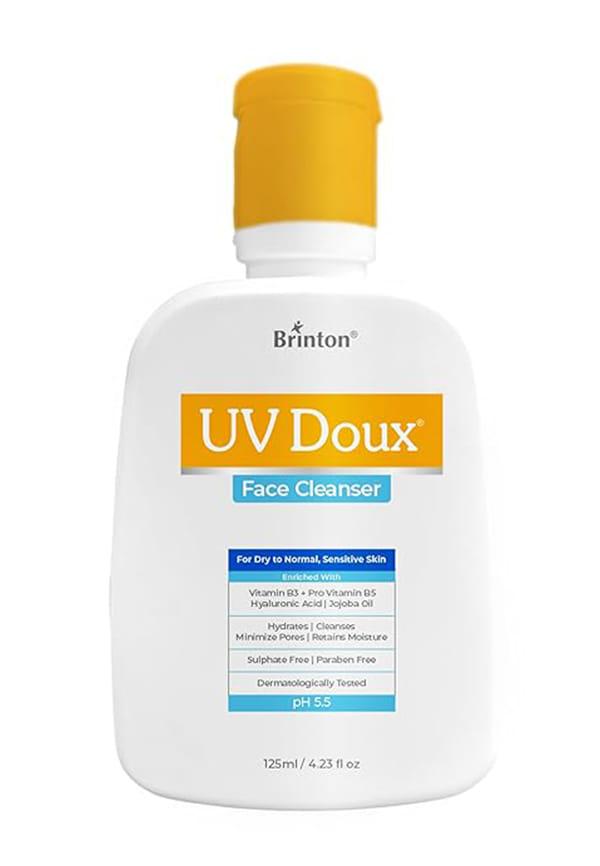
Face Cleanser for Dry, Normal & Sensitive Skin
Finding the perfect cleanser for dry skin can feel like searching for a needle in a haystack. Your skin feels tight after washing, flakes appear despite your best efforts, and that squeaky-clean feeling? It's actually doing more harm than good. The truth is, most cleansers on the market are designed for normal to oily skin types, leaving those with dry skin struggling to find something that cleans without stripping away precious moisture. Let's dive into what makes a cleanser truly suitable for dry skin and how to choose one that'll leave your skin feeling soft, hydrated, and happy.
Your skin barrier is like a protective wall made of lipids and proteins that keeps moisture in and irritants out. When you have dry skin, this barrier is already compromised, making it crucial to choose a gentle face wash for dry skin that supports rather than damages this delicate system. The wrong cleanser can strip away natural oils, disrupt your skin's pH balance, and leave you in a cycle of dryness and irritation.
Real talk—if your face feels like it could crack after washing, your cleanser is probably too harsh. Here are the telltale signs your current routine needs a major overhaul:
Tightness that lasts more than a few minutes after cleansing
Increased flaking or peeling, especially around your nose and cheeks
Redness or irritation that appears after washing
Your moisturiser seems to absorb instantly without providing lasting hydration
Your skin feels rough or bumpy to the touch
Here's where it gets interesting. Your skin naturally produces sebum (oil) to keep itself protected and hydrated. When you use harsh cleansers with strong surfactants, you're essentially stripping away this natural protection. This triggers your skin to either produce more oil (hello, combination skin) or simply remain dry and vulnerable. A proper hydrating cleanser works with your skin's natural processes rather than against them.
Not all cleansers are created equal, and when it comes to dry skin, the formula type matters just as much as the ingredients. Let's break down the best cleanser for dry skin options that actually work.
Think of creamy cleanser for dry skin formulas as your skin's best friend. These rich, lotion-like textures contain emollients and humectants that add moisture while they cleanse. They're particularly brilliant for removing makeup and daily grime without leaving your skin feeling stripped.
Contains nourishing oils and butters that condition skin
Maintains skin barrier integrity during cleansing
Often pH-balanced to match your skin's natural acidity
Perfect for morning and evening use
Oil cleansers might sound counterintuitive for dry skin, but they're actually genius. The principle of 'like dissolves like' means oil-based formulas effectively remove makeup and sunscreen without harsh scrubbing. Plus, they leave behind a thin protective layer that helps lock in moisture.
Dissolves stubborn makeup and waterproof formulas effortlessly
Provides deep cleansing without over-drying
Often contains beneficial plant oils rich in vitamins
Works brilliantly as the first step in double cleansing
Not all foaming cleansers are the enemy of dry skin. The key is finding sulfate-free formulas that create a gentle lather without harsh detergents. These non-drying cleanser options can provide that satisfying foam experience whilst still being kind to sensitive skin.
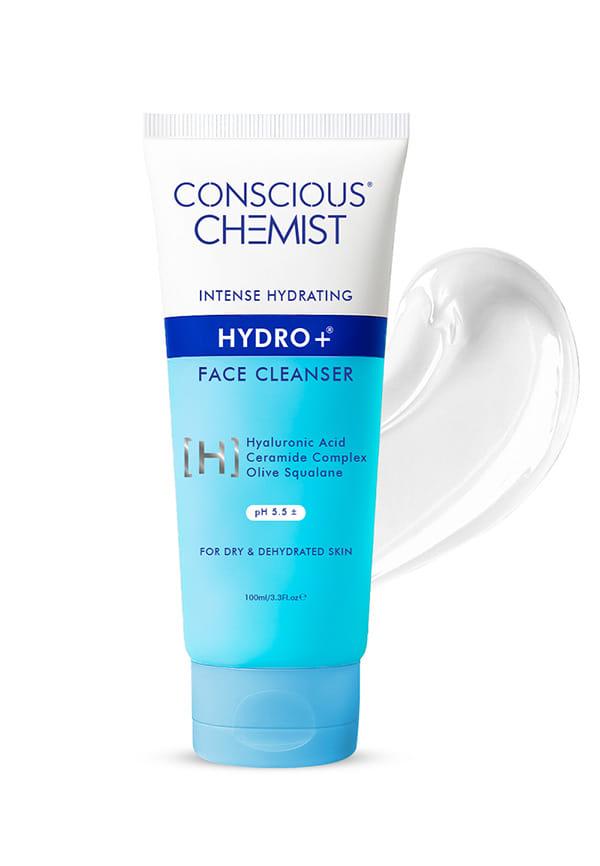
Gentle Hydrating Cleanser For Dry Skin with Hyaluronic Acid and Ceramides
Ingredients are where the magic happens. When you're scanning labels for the perfect moisturising face wash, these are the hero components that'll transform your cleansing routine from damaging to nourishing.
These moisture-binding ingredients are absolute game-changers for dry skin. They work by attracting water from the environment and deeper skin layers, keeping your face plump and hydrated even after cleansing.
Hyaluronic acid - holds up to 1000 times its weight in water
Glycerin - a humectant that draws moisture to the skin
Ceramides - lipids that restore and maintain the skin barrier
Squalane - lightweight oil that mimics skin's natural sebum
Panthenol (Pro-Vitamin B5) - soothes and hydrates simultaneously
The cleansing agents (surfactants) in your cleanser for sensitive dry skin should be mild enough for daily use without causing irritation. These gentle alternatives to harsh sulfates clean effectively whilst preserving your skin's natural moisture.
Sodium cocoyl isethionate - derived from coconut oil, ultra-gentle
Cocamidopropyl betaine - mild amphoteric surfactant
Sodium lauroyl sarcosinate - amino acid-based, non-stripping
Decyl glucoside - plant-derived, suitable for sensitive skin
Just as important as knowing what to look for is understanding what to avoid. These ingredients might promise deep cleaning but often leave dry skin worse than before.
Sodium lauryl sulfate (SLS) - too harsh and stripping
Denatured alcohol - extremely drying and irritating
Strong fragrances - can trigger sensitivity and dryness
Salicylic acid in cleansers - better as a leave-on treatment
Menthol or eucalyptus - can cause irritation and dryness
Different levels of dryness require different approaches. Whether you're dealing with mild dehydration or severe dryness, there's a dry skin face wash strategy that'll work for your specific needs.
When your skin feels like parchment paper, you need the gentlest possible approach. Ultra-mild formulas with barrier-repairing ingredients are your best bet for restoring comfort and hydration.
Look for cleansing balms or milk-based formulas
Ingredients like niacinamide and allantoin provide extra soothing benefits
Consider cleansing oils that don't require water for removal
Opt for fragrance-free, hypoallergenic options
Sensitivity adds another layer of complexity to dry skin care. Your soothing cleanser needs to be gentle enough to avoid triggering reactions whilst still providing adequate hydration.
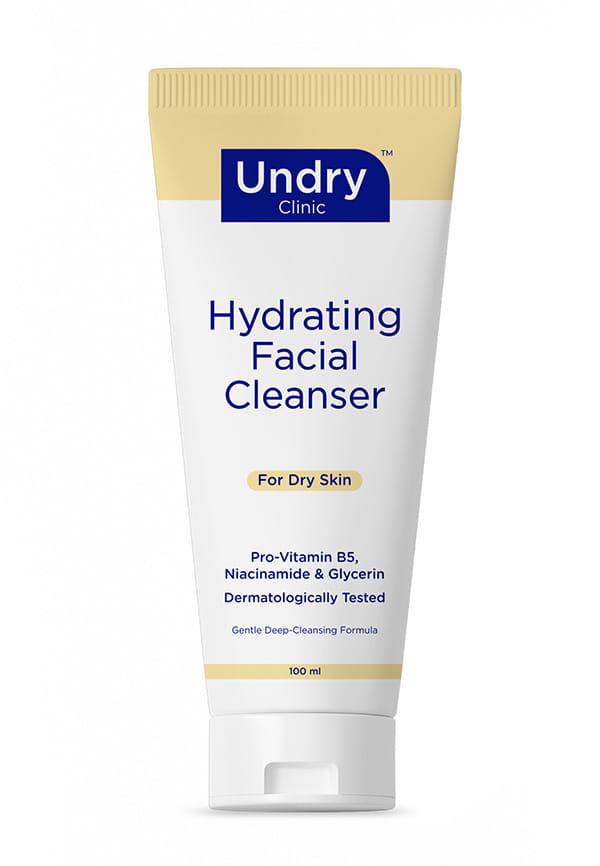
Hydrating Facial Cleanser for Dry Skin
Minimal ingredient lists reduce the risk of irritation
Calming botanicals like chamomile and aloe vera provide relief
pH-balanced formulas (around 5.5) support skin health
Avoid essential oils and strong preservatives
Having an oily T-zone with dry cheeks requires a balanced approach. You need a cleanser that addresses oil production without over-drying the already parched areas of your face.
Having the right product is only half the battle. How you use your cleanser can make the difference between healthy, hydrated skin and continued dryness. Let's master the technique that'll maximise your dry skin cleanser recommendations.
The perfect cleansing routine for dry skin is all about being gentle and mindful. Here's how to get it right every time:
Use lukewarm water - hot water strips natural oils faster than you can say 'tight skin'
Apply cleanser to damp skin - this helps the product spread easily without tugging
Massage gently for 30-60 seconds - let the cleanser do the work, not your fingers
Rinse thoroughly but quickly - don't let water sit on your skin too long
Pat dry with a soft towel - rubbing can cause micro-tears in already fragile skin
Double cleansing isn't just for oily skin types. When done correctly with the right products, it can actually be more gentle and effective than single cleansing for dry skin.
Start with an oil-based cleanser to remove makeup and sunscreen
Follow with a gentle cream or milk cleanser for a thorough clean
This method prevents the need for harsh scrubbing or multiple washes
Your skin stays hydrated throughout the process
What you do immediately after cleansing is crucial for maintaining the benefits of your hydrating cleanser. The goal is to seal in moisture before it has a chance to evaporate.
Even with the best intentions, it's easy to fall into traps that can sabotage your skincare routine. Let's address the most common misconceptions that keep people from finding their perfect match.
The beauty industry has convinced us that squeaky-clean skin is healthy skin, but this couldn't be further from the truth for dry skin types. That tight, 'clean' feeling is actually your skin crying out for moisture.
Gentle cleansing is more effective than aggressive scrubbing
Your skin should feel comfortable, not tight, after washing
Over-cleansing can trigger more oil production or worsen dryness
Clean doesn't mean stripped of all natural oils
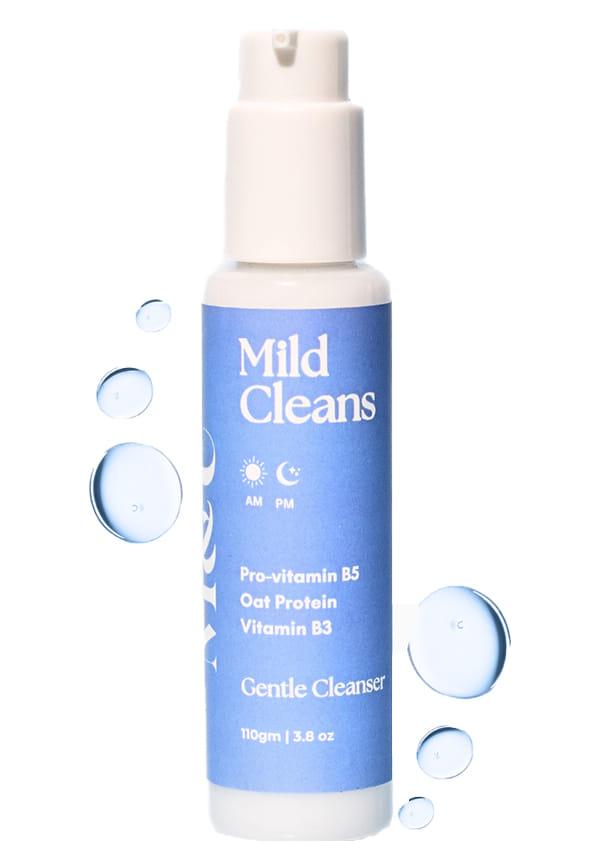
Mild Cleanse Gentle Cleanser for Sensitive Skin
Your skin's needs change with the weather, and your cleanser choice should adapt accordingly. What works in humid summer months might leave you flaking in winter's dry air.
Switch to richer formulas during colder months
Consider the humidity levels in your environment
Hard water can make dryness worse - consider a water filter
Air conditioning and heating systems affect skin hydration
Sometimes persistent dryness isn't just about finding the right cleanser. If you've tried multiple gentle formulas and still struggle with tightness, flaking, or irritation, it might be time to seek professional help.
This is where platforms like Smytten become incredibly valuable. Rather than committing to full-size products that might not work for your skin, you can try mini versions of various cleansers to find what truly works. With access to over 1,500 trusted brands and the ability to get up to 8 minis for just ₹249, you can experiment with different formulas without the financial risk. The 100% cashback on trial purchases makes it even more appealing to explore your options thoroughly.
Cream-based or oil-based cleansers are optimal for dry skin as they maintain hydration while gently removing impurities, unlike harsh foaming cleansers that can strip natural oils. Look for formulas with ceramides, hyaluronic acid, or glycerin for added moisture benefits.
Cream cleansers are highly recommended as they tend to be gentle and hydrating, adding moisture to dry or sensitive skin. They work excellently as a second step in double cleansing routines and are suitable for both morning and evening use.
Most people with dry skin benefit from cleansing once daily in the evening, with just a splash of water or gentle micellar water in the morning. Over-cleansing can worsen dryness, so listen to your skin and adjust accordingly.
While consistency is good, your skin's needs change with seasons and climate. You might need a lighter formula in humid months and a richer, more nourishing cleanser during dry winter weather. Pay attention to how your skin responds and adjust accordingly.
Hydrating cleansers focus on adding water to the skin through humectants like hyaluronic acid, while moisturising cleansers contain oils and emollients that create a protective barrier. The best dry skin cleansers often combine both approaches for optimal results.
Finding the perfect cleanser for dry skin doesn't have to be a guessing game. By understanding your skin's needs, choosing gentle formulas with hydrating ingredients, and avoiding harsh surfactants, you can transform your cleansing routine from damaging to nourishing. Remember, the goal isn't to strip your skin clean but to remove impurities while maintaining your skin's natural protective barrier.
The key is patience and experimentation. What works for your friend might not work for you, and that's perfectly normal. With platforms like Smytten offering trial-sized versions of cleansers from trusted brands, you can discover your perfect match without the commitment of full-size purchases. After all, why settle for 'maybe' when you can Try It All and find the cleanser that truly makes your dry skin happy?
