How to Choose Sunscreen: Your Complete Guide

Choosing the right sunscreen can feel like solving a puzzle with way too many pieces. With shelves packed with SPF numbers, ingredient lists longer than your grocery receipt, and claims about everything from anti-ageing to water resistance, it's no wonder most of us just grab whatever's on offer. But here's the thing—your skin deserves better than a random pick. The right sunscreen isn't just about avoiding sunburn; it's your daily shield against premature ageing, dark spots, and serious skin damage. Let's break down how to choose sunscreen that actually works for you, without the overwhelming jargon.
Before diving into the nitty-gritty of choosing your perfect match, let's get the basics sorted. Think of this as your sunscreen guide crash course—no science degree required.
Sunscreen works by creating a protective barrier on your skin that either absorbs or reflects harmful UV rays. These rays come in two main types: UVA and UVB. UVA rays are the sneaky ones—they penetrate deeper into your skin and are responsible for premature ageing and wrinkles. UVB rays are the burn culprits, causing that painful redness after a day at the beach.
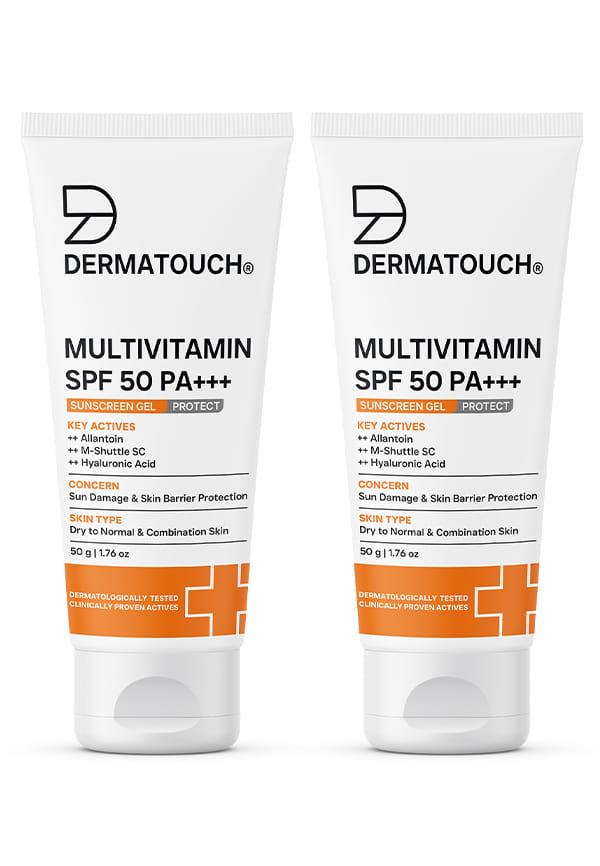 50gm * 2
Multivitamin SPF 50 PA+++ Sunscreen Gel
SPF stands for Sun Protection Factor, and it measures how well a sunscreen protects against UVB rays. Here's the simple breakdown: SPF 15 blocks about 93% of UVB rays, SPF 30 blocks 97%, and SPF 50 blocks 98%. The difference between SPF 30 and 50 might seem small, but that extra 1% can matter for sensitive or fair skin.
Broad spectrum sunscreen protects against both UVA and UVB rays. This is non-negotiable—you want both types covered. Without broad spectrum protection, you're only getting half the story, and your skin will thank you later for choosing comprehensive coverage.
Now let's talk about the two main types of sunscreen and how they work their magic. Understanding the difference will help you pick what feels right for your skin and lifestyle.
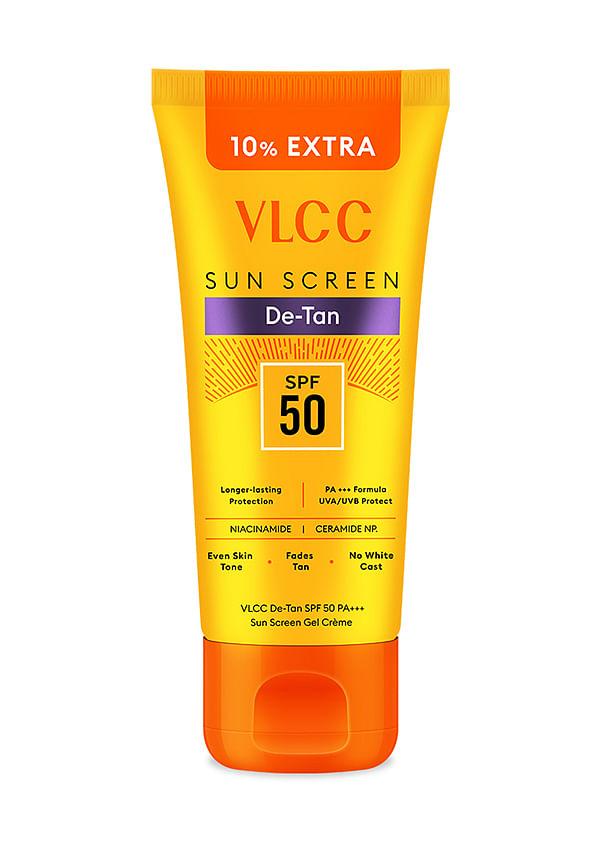 100 gm
De Tan SPF 50 PA+++ Sunscreen Gel Cream
Chemical sunscreens contain active ingredients like avobenzone, octinoxate, or oxybenzone. These work by absorbing UV rays and converting them into heat, which is then released from your skin. They tend to be lighter, blend easily, and work well under makeup. However, some people find them irritating, especially those with sensitive skin.
Physical (or mineral) sunscreens use zinc oxide or titanium dioxide to create a physical barrier that reflects UV rays away from your skin. They're generally gentler and start working immediately upon application. The downside? They can leave a white cast, though newer formulations have improved significantly.
When scanning sunscreen ingredients, look for these powerhouses:
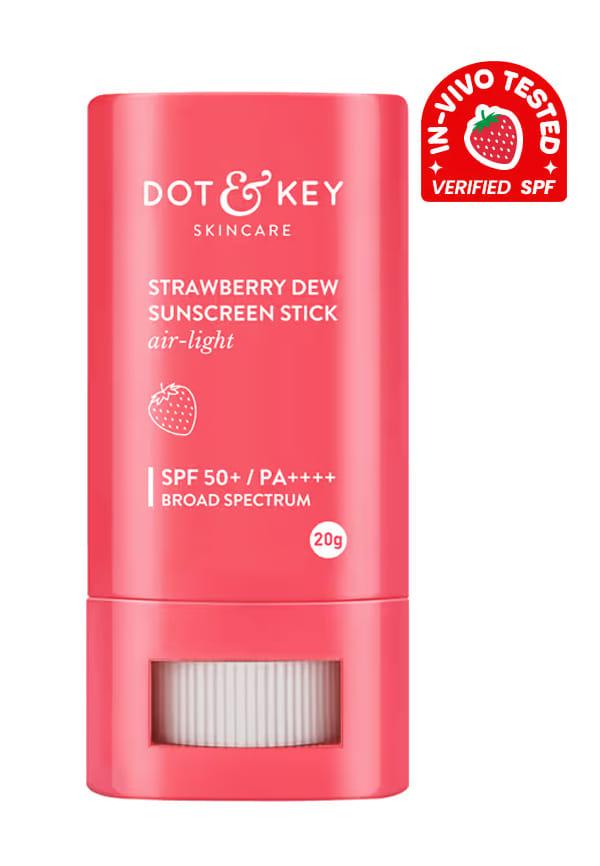 20 gm
20 gmStrawberry Dew Sunscreen Stick Spf 50
Zinc oxide: Excellent broad spectrum protection, gentle for sensitive skin
Titanium dioxide: Great for sensitive skin, minimal white cast in newer formulas
Avobenzone: Effective UVA protection in chemical sunscreens
Octinoxate: Good UVB protection, lightweight feel
Your face deserves VIP treatment when it comes to sun protection. Sunscreen for face formulations are typically lighter, less greasy, and designed to play well with your skincare routine and makeup.
Look for non-comedogenic formulas if you're prone to breakouts. These won't clog your pores or trigger acne. Many facial sunscreens also include bonus ingredients like hyaluronic acid for hydration or niacinamide for oil control.
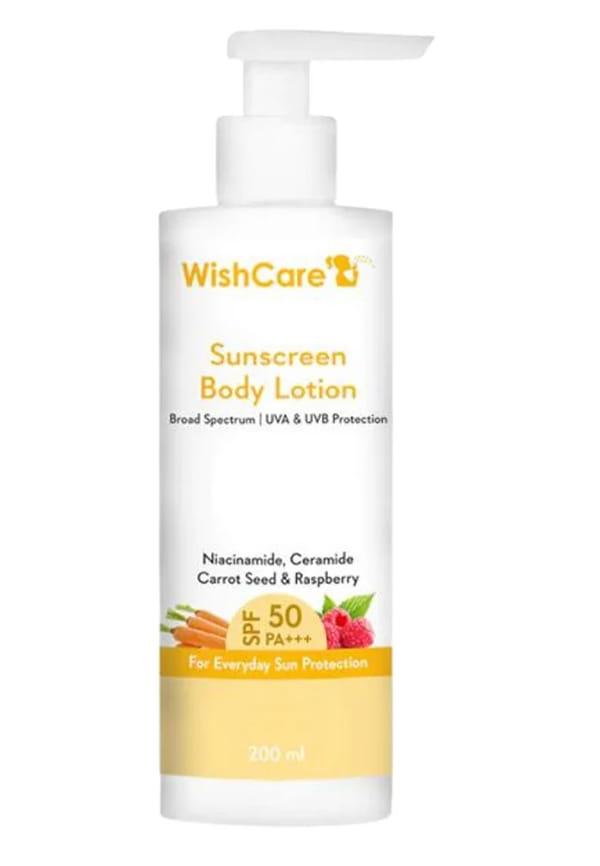 200 ml
SPF50 Sunscreen Body Lotion - Broad Spectrum - UVA & UVB Protection
Face sunscreens come in various textures to suit different preferences:
Gel formulas: Perfect for oily skin, absorb quickly
Cream textures: Great for dry skin, provide extra moisture
Lotion consistency: Balanced option for most skin types
Stick formats: Convenient for reapplication, especially around eyes
If you wear makeup daily, choose a sunscreen that dries to a smooth, non-tacky finish. Some sunscreens double as primers, creating the perfect base for your foundation. Give your sunscreen a few minutes to set before applying makeup for the best results.
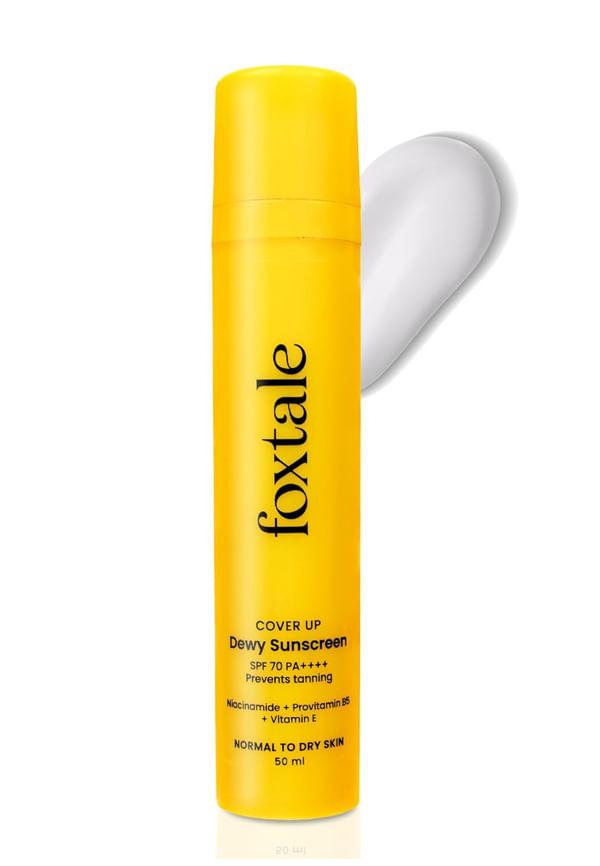 50 ml
50 mlNiacinamide Dewy Sunscreen For All Skin Type Spf 70 Pa++++
Having sensitive skin doesn't mean compromising on protection. Sunscreen for sensitive skin requires a bit more attention to ingredients, but plenty of gentle options deliver excellent coverage without irritation.
Mineral sunscreens are typically your safest bet for sensitive skin. They're less likely to cause reactions and provide immediate protection. Look for formulas free from fragrances, parabens, and common irritants like oxybenzone.
Before committing to any new sunscreen, especially if you have sensitive skin, do a patch test. Apply a small amount to your inner wrist or behind your ear and wait 24-48 hours to check for reactions. It's a small step that can save you from a face full of irritation.
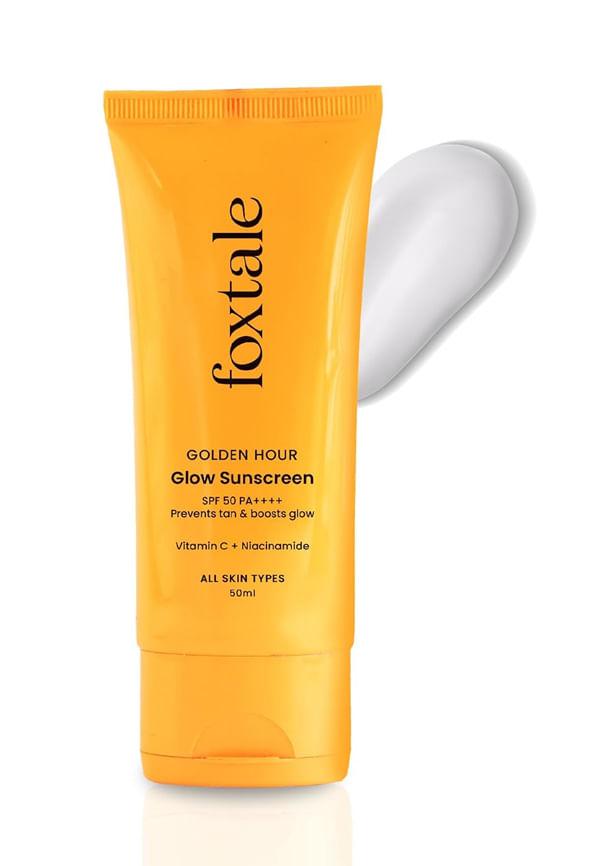 50 ml
50 mlGlow Sunscreen SPF 50 PA++++ Lightweight with Vitamin C and Niacinamide,
If you have eczema, rosacea, or other skin conditions, mineral sunscreens with zinc oxide are often the gentlest choice. Some dermatologists recommend sunscreens specifically formulated for compromised skin barriers.
Even the best sunscreen won't protect you if it's not applied correctly. Sunscreen application is an art worth mastering, and it's simpler than you might think.
The golden rule? Use about a teaspoon (roughly 5ml) for your face and neck. Most people use far less than this, which significantly reduces protection. For your body, you'll need about 30ml—roughly a shot glass worth—to cover all exposed areas.
 100 ml
Vitamin C Sunscreen Spf-50
Apply sunscreen 15-30 minutes before sun exposure to allow it to bind to your skin properly. Reapplication is crucial—every two hours, or immediately after swimming, sweating, or towelling off. Yes, even if your sunscreen claims to be water-resistant.
In your morning routine, sunscreen should be the final step before makeup. Apply it after moisturiser but before primer or foundation. If you're using other treatments like retinoids or acids, sunscreen becomes even more critical as these can increase sun sensitivity.
While preventing sunburn is obvious, sunscreen benefits extend far beyond avoiding that lobster-red look. Daily sunscreen use is one of the most effective anti-ageing strategies you can adopt.
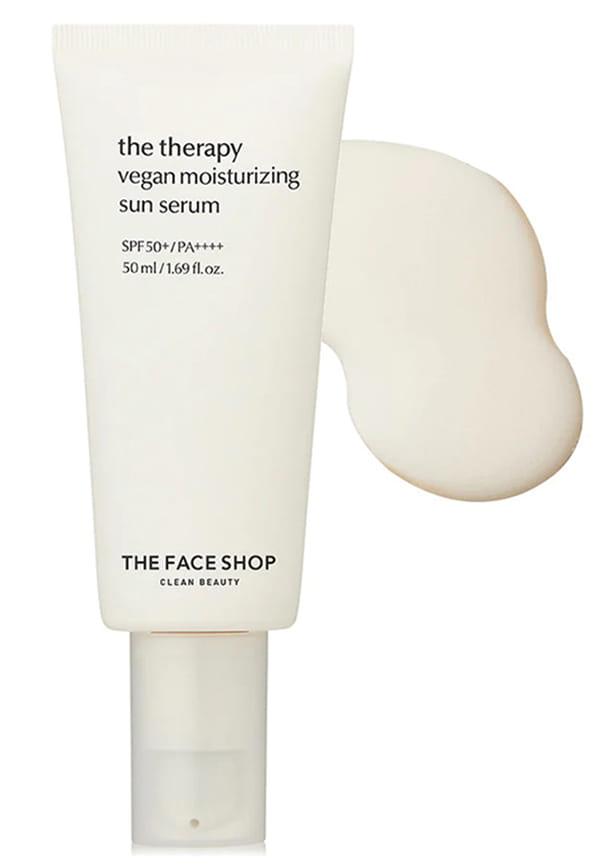 50 ml
50 mlNiacinamide, UVA/B Protection Serum Sunscreen SPF 50+ PA++++
Regular sun protection prevents up to 80% of visible ageing signs, including wrinkles, dark spots, and loss of skin elasticity. It's also your best defence against hyperpigmentation—those stubborn dark marks that can take months to fade.
Think of sunscreen as a daily investment in your future skin. The protection you provide today prevents damage that might not show up for years. Plus, preventing damage is always easier and more cost-effective than trying to reverse it later.
With platforms like Smytten, you can explore different sunscreen formulations through trial-sized versions before committing to full-size products. This approach lets you test how different textures, ingredients, and brands work with your unique skin needs—because finding your perfect sunscreen match shouldn't involve guesswork or expensive mistakes.
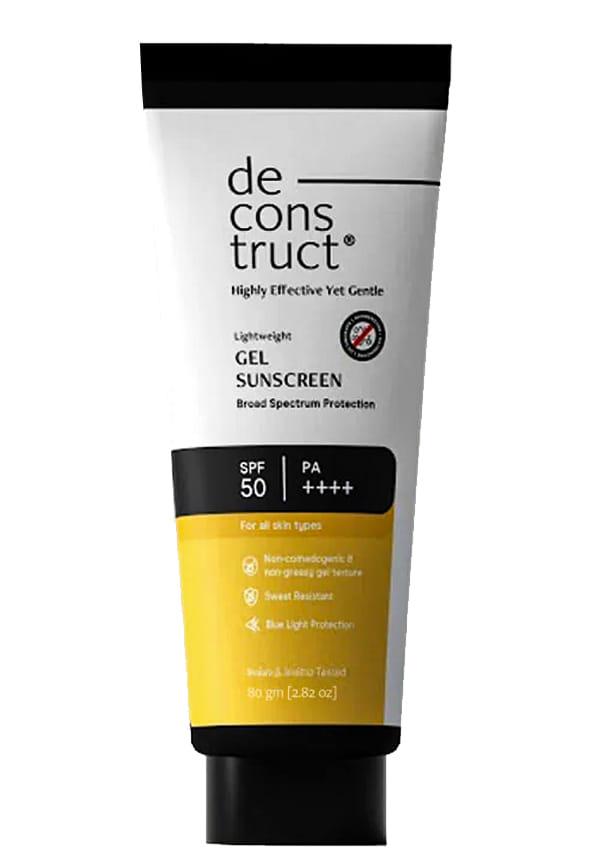 80 gm
80 gmLightweight Gel Sunscreen- SPF 50+ and PA+++
Reapply every two hours when outdoors, or immediately after swimming, sweating heavily, or towelling off. For daily wear indoors, morning application is usually sufficient unless you're near windows for extended periods.
While not ideal, you can use body sunscreen on your face in a pinch. However, facial formulations are specifically designed to be gentler, less greasy, and compatible with makeup, making them worth the investment for daily use.
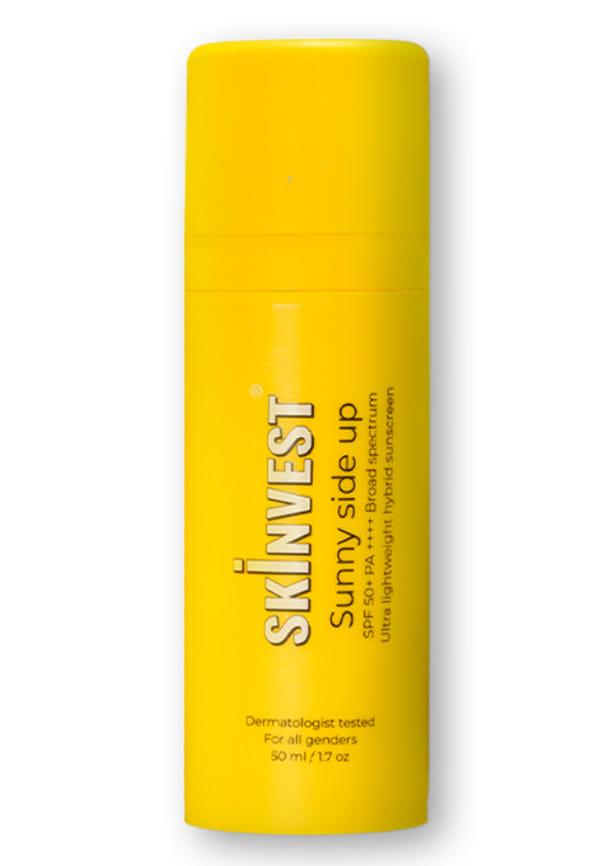 50 ml
50 mlSunny Side Up SPF 50+ PA ++++ Sunscreen
SPF 30 is the minimum recommended for daily use, offering 97% UVB protection. SPF 50 provides slightly better protection (98%) and is ideal for sensitive skin, extended outdoor time, or high-UV environments.
If you're near windows or spend time in bright indoor lighting, yes. UVA rays can penetrate glass, contributing to premature ageing. For typical indoor activities away from windows, it's less critical but still beneficial.
Use about a teaspoon (5ml) for your face and neck, and roughly 30ml (a shot glass amount) for your entire body. Most people use far less than recommended, significantly reducing protection.
No sunscreen is truly waterproof—this term is actually banned by regulatory agencies. Water-resistant sunscreens maintain their SPF for either 40 or 80 minutes while swimming or sweating, but still require reapplication.
Yes, sunscreen typically expires 2-3 years after manufacturing. Check the expiry date and replace old products, as expired sunscreen loses effectiveness and may cause skin irritation.
Absolutely. Apply sunscreen first, let it set for a few minutes, then apply your makeup. Some foundations contain SPF, but they shouldn't replace dedicated sunscreen as you likely won't apply enough foundation for adequate protection.
Choosing the right sunscreen doesn't have to be overwhelming once you understand the basics. Focus on broad spectrum protection with at least SPF 30, consider your skin type and sensitivities, and don't forget about proper application. The best sunscreen is the one you'll actually use consistently—so find a formula you love and make it part of your daily routine.
Remember, discovering your perfect sunscreen might take some trial and error. That's where Smytten's trial-sized options become invaluable, letting you test different formulations without the commitment of full-size purchases. With over 1,500 trusted brands including skincare favourites like Cetaphil and Dot & Key, you can explore various sunscreen options until you find your ideal match. After all, why settle for 'maybe' when you can try it all and find the sun protection that truly works for your skin?
