How to Choose Perfect Homemade Face Mask Ingredients


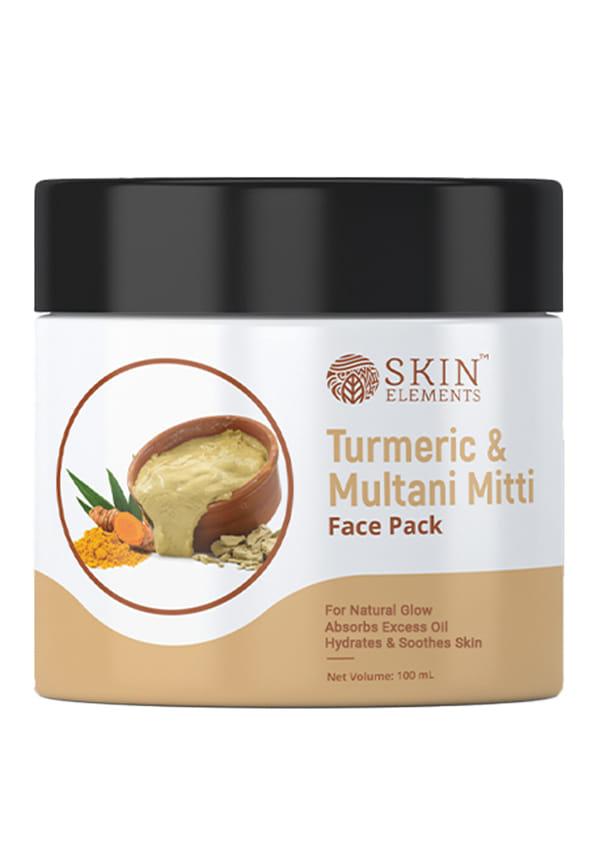 100 gm
Turmeric & Multani Mitti Face Mask Pack
Let's be real—your kitchen might just be hiding the best skincare ingredients you've never thought to try. From honey that's been sitting in your pantry to that avocado you bought for toast, homemade face mask ingredients are everywhere around you. But here's the thing: not every natural ingredient works for every skin type, and knowing which ones to pick can feel like solving a puzzle. Whether you're dealing with stubborn breakouts, dry patches, or just want that glow-up moment, choosing the right ingredients for your DIY face masks is your first step to skincare success. Ready to turn your kitchen into a mini spa?
Before you start mixing up natural face masks like a skincare scientist, you need to know what your skin actually wants. Think of it like cooking—you wouldn't add chilli to everything, right? Your skin has its own preferences, and understanding them is key to creating face mask recipes that actually work.
Oily skin loves ingredients that can absorb excess sebum and unclog pores without stripping away natural moisture. If your T-zone gets shiny by midday and you're constantly blotting, you're probably dealing with oily skin. Dry skin, on the other hand, craves hydration and gentle nourishment—think ingredients that feel like a drink of water for your face.
Combination skin is the trickiest to navigate because different areas of your face need different treatments. Your forehead might be crying out for oil control while your cheeks are begging for moisture. Sensitive skin requires the gentlest touch—ingredients that soothe rather than stimulate.
Here's a quick reality check: patch testing isn't optional when you're experimenting with homemade beauty products. Apply a small amount of your chosen ingredient to your inner wrist or behind your ear and wait 24 hours. No redness, itching, or irritation? You're good to go.
Acne-prone skin benefits from antibacterial and anti-inflammatory ingredients, while mature skin responds well to antioxidants and hydrating components. Hyperpigmentation calls for gentle exfoliating ingredients that can help with cell turnover.
Now for the fun part—let's talk about the skin care ingredients that deserve a spot in your beauty routine. These aren't just random kitchen finds; they're backed by centuries of use and, in many cases, actual science.
Honey is basically liquid gold for your skin. It's naturally antibacterial, which makes it perfect for acne-prone skin, while its humectant properties help lock in moisture. Raw honey works best—the processed stuff you find in squeeze bottles won't give you the same benefits.
Aloe vera is your skin's best friend when it needs cooling and hydration. It's packed with vitamins and has anti-inflammatory properties that make it perfect for sensitive or sun-damaged skin.
Avocado isn't just for your toast—it's loaded with healthy fats and vitamins that can deeply nourish dry skin. The natural oils in avocado help restore your skin's barrier function.
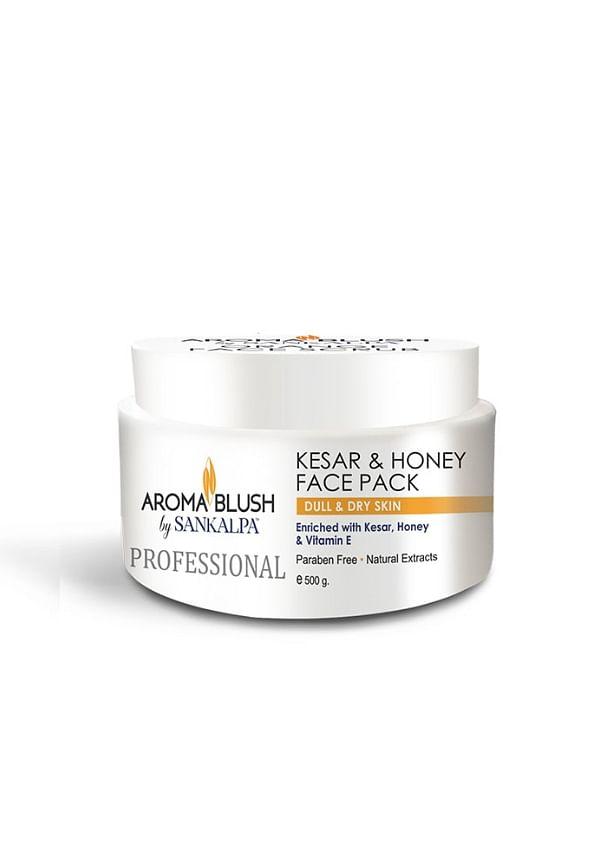 500 gm
Kesar & Honey Face Pack
Clay comes in different varieties, each with its own superpower. Bentonite clay is excellent for oily skin because it draws out impurities, while kaolin clay is gentler and works well for sensitive skin types.
Oatmeal is the gentle giant of exfoliation. It contains compounds called saponins that naturally cleanse while providing mild exfoliation without being harsh on your skin.
When you're dealing with breakouts, the right acne face mask can be a game-changer. But here's what most people get wrong—they go too harsh, thinking that aggressive ingredients will clear their skin faster. Spoiler alert: that usually backfires.
The best approach combines antibacterial ingredients with soothing ones. Tea tree oil is incredibly effective against acne-causing bacteria, but it needs to be diluted properly—we're talking one or two drops mixed with a carrier like honey or yogurt.
Turmeric and honey make an incredible duo for problem skin. Turmeric has anti-inflammatory properties that can help calm angry breakouts, while honey provides antibacterial benefits without drying out your skin.
Green tea isn't just for sipping—when cooled and used as a base for masks, it provides antioxidants that can help reduce inflammation and redness associated with acne.
Skip anything too acidic like lemon juice applied directly to your skin—it can cause irritation and even chemical burns. Also, avoid over-exfoliating with ingredients like baking soda, which can disrupt your skin's natural pH balance.
If your skin feels tight, looks flaky, or drinks up moisturiser like it's been in a desert, you need hydrating face mask ingredients that can provide deep, lasting moisture. The key is choosing ingredients that not only add water to your skin but help it retain that hydration.
Cucumber is 95% water, making it naturally hydrating and cooling. It also contains vitamin C and caffeic acid, which can help soothe irritated skin and reduce puffiness.
Yogurt contains lactic acid, which gently exfoliates while providing moisture. The probiotics in yogurt can also help maintain your skin's natural barrier function.
Coconut oil is controversial in skincare circles, but for very dry skin, it can provide intense moisture. Just be aware that it's comedogenic, so it might not be the best choice if you're prone to breakouts.
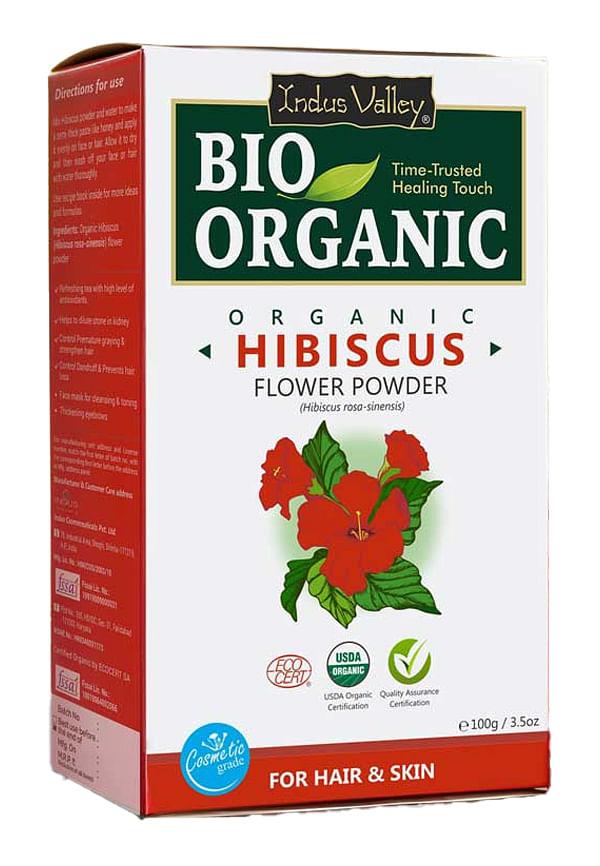 100 gm
Bio Organic Hibiscus Flower Powder for Face Pack and Hair Mask
Some ingredients are gentle enough for extended wear. Aloe vera gel can be left on overnight as a hydrating treatment, especially if you've been in the sun or your skin is feeling particularly parched.
Here's where we need to have a serious chat about safety. Just because something is natural doesn't automatically mean it's safe for your skin. Some organic face masks can cause more harm than good if you're not careful about ingredient selection and preparation.
Lemon juice is a perfect example—while it contains vitamin C, applying it directly to your skin can cause phototoxic reactions, especially if you go out in the sun afterwards. If you want to use citrus, stick to small amounts mixed with other ingredients, and always use these masks at night.
Avoid mixing acids with retinol-containing ingredients, and be careful about combining multiple active ingredients in one mask. Your skin can only handle so much at once.
Essential oils need to be properly diluted—never apply them directly to your skin. Even gentle oils like lavender can cause irritation if used in high concentrations.
Always use clean hands and clean mixing bowls when preparing your facial treatments. Fresh ingredients should be used immediately—don't try to store homemade masks for later use unless you're working with stable ingredients like clay powders.
Creating a collection of go-to face mask recipes is like building a skincare wardrobe—you want options for different occasions and skin needs. Start with basic ingredients that work for your skin type, then gradually experiment with new additions.
Keep a skincare journal to track which ingredients work best for your skin. Note how your skin feels immediately after using a mask, the next morning, and a few days later. This helps you identify which ingredients are worth repurchasing and which ones to skip.
Your skin's needs change with the seasons, and your beauty tips should reflect that. Winter might call for more hydrating ingredients, while summer could require lighter, more purifying options.
Stock up on versatile ingredients that can be mixed and matched. Honey, oatmeal, and yogurt are excellent staples that work well with almost any skin type and can be combined with seasonal additions.
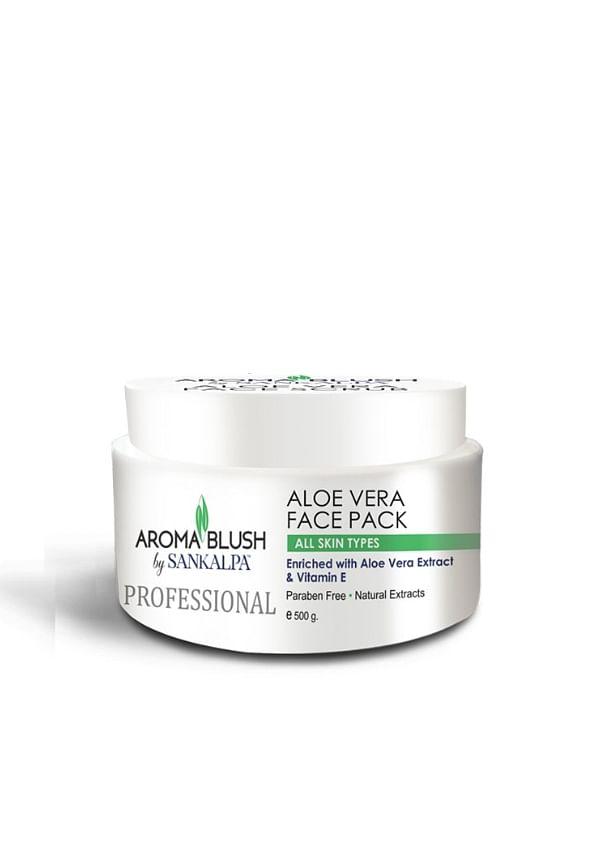 500 gm
Aloe Vera Face Pack
You don't need to buy expensive specialty ingredients to create effective masks. Many of the best homemade face mask ingredients are probably already in your kitchen or can be found at your local grocery store.
While you're experimenting with DIY face masks, you might also want to explore professionally formulated options. Smytten offers curated trial packs from over 1,500 trusted beauty brands, letting you discover new skincare products without committing to full sizes. With Trial Points, you can get up to 8 minis for just ₹249, plus 100% cashback that's redeemable for future orders. It's a great way to compare how your homemade treatments stack up against professional formulations.
For most skin types, 1-2 times per week is plenty. Oily skin can handle slightly more frequent use, while sensitive skin should start with once a week. Listen to your skin—if it feels irritated or overly dry, reduce frequency.
Absolutely not. Expired ingredients can harbour bacteria and cause skin infections. Always use fresh ingredients, and if something smells off or looks questionable, toss it.
Skip citrus fruits, cinnamon, mint, baking soda, and undiluted essential oils. Also avoid anything with a strong fragrance or that feels tingly when applied.
Most homemade masks should be used immediately. Clay-based masks can be stored for a few days in the fridge, but anything with fresh fruits or dairy should be used right away.
Start simple with one or two ingredients, especially when you're beginning. Once you know how your skin reacts to individual ingredients, you can experiment with combinations.
Homemade masks use raw ingredients that haven't been processed or preserved, which can be more potent but also less stable. Store-bought products are formulated for consistency and shelf life.
Creating the perfect homemade face mask is part science, part art, and a whole lot of trial and error. The key is understanding your skin's needs and choosing homemade face mask ingredients that address those specific concerns. Start simple, patch test everything, and don't be afraid to experiment once you know what works for your skin.
Remember, consistency beats perfection every time. A simple honey and oatmeal mask used regularly will give you better results than a complicated 10-ingredient concoction used once. Whether you're mixing up natural face masks in your kitchen or exploring professional options through platforms like Smytten, the goal is finding what makes your skin happy and healthy. After all, great skin isn't about having the most expensive products—it's about understanding what your skin needs and giving it exactly that.
