How to Choose Mineral Sunscreens for Sensitive Skin Safely

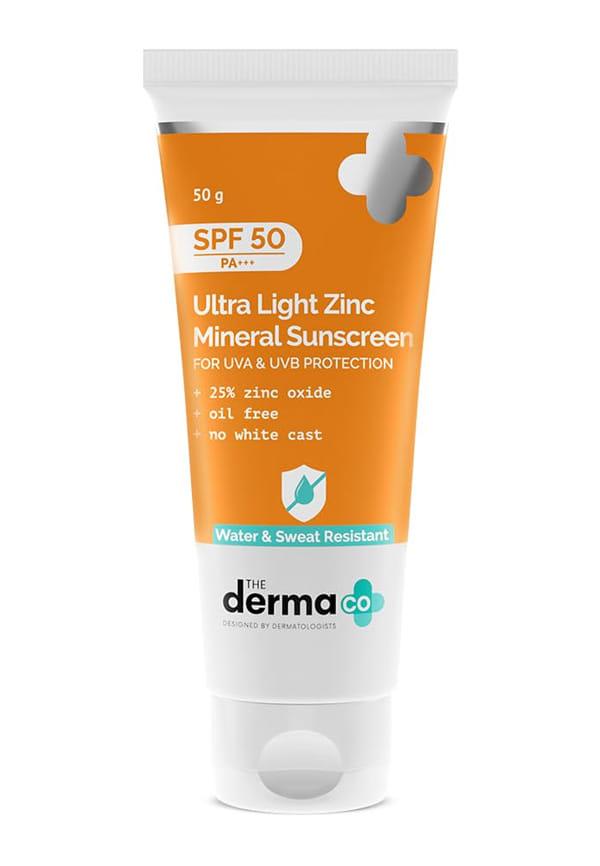 50 gm
50 gmUltra Light Zinc Mineral Sunscreen with SPF 50 PA+++
Finding the right sunscreen when you have sensitive skin can feel like navigating a minefield. One wrong choice and you're dealing with redness, irritation, or breakouts that defeat the whole purpose of sun protection. But here's the thing—mineral sunscreens for sensitive skin are your safest bet, and once you know what to look for, the choice becomes much clearer. Unlike their chemical counterparts that can trigger reactions, mineral formulas work as a gentle shield on your skin's surface. Let's dive into everything you need to know about choosing the perfect mineral sunscreen that won't leave your skin angry.
Real talk—if your skin throws a tantrum at the slightest provocation, mineral sunscreens are basically your skin's best friend. Unlike chemical sunscreens that absorb into your skin and can cause reactions, mineral formulas sit on top like a protective barrier. Think of them as tiny umbrellas made of zinc oxide or titanium dioxide that physically block UV rays from reaching your skin.
Dermatologists consistently recommend sensitive skin sunscreen options with mineral actives because they're less likely to cause irritation. The science backs this up too—mineral sunscreens don't penetrate the skin barrier, which means fewer chances of allergic reactions or sensitivity flare-ups. Plus, they start working immediately upon application, unlike chemical sunscreens that need 20-30 minutes to activate.
Not all mineral sunscreens are created equal, and understanding the star ingredients can help you make the right choice. The two main players in the mineral sunscreen game are zinc oxide and titanium dioxide, each with their own superpowers.
Zinc oxide sunscreen is often called the gold standard for sensitive skin, and for good reason. It provides broad-spectrum protection against both UVA and UVB rays, plus it has natural anti-inflammatory properties that can actually help calm irritated skin. Look for formulas with 15-25% zinc oxide concentration for optimal protection without the white cast drama.
Titanium dioxide sunscreen tends to be lighter in texture and less likely to leave that chalky residue. It's particularly brilliant for oily or acne-prone sensitive skin because it's less occlusive than zinc oxide. However, it primarily protects against UVB rays, so you'll often find it paired with other ingredients for full spectrum coverage.
Many of the best mineral sunscreens for sensitive skin combine both zinc oxide and titanium dioxide. This gives you comprehensive protection whilst maintaining a more cosmetically elegant finish. These blends often work better under makeup and feel less heavy on the skin.
When you're shopping for a hypoallergenic sunscreen, the ingredient list is your roadmap to success. Beyond the mineral actives, there are several other features that can make or break your sunscreen experience.
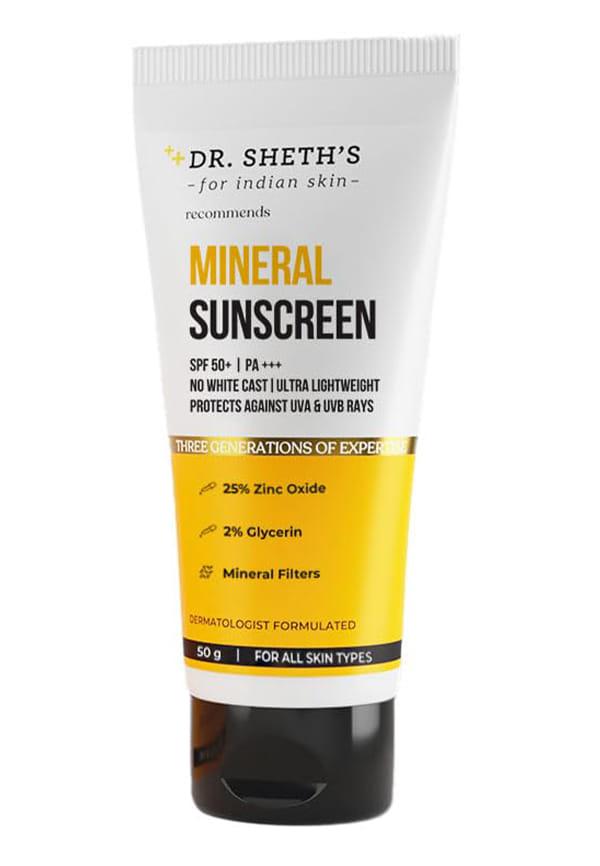 50 gm
50 gmMineral Sunscreen
Fragrances are one of the top culprits behind sunscreen sensitivity. Even "natural" fragrances from essential oils can trigger reactions. Stick to fragrance-free formulas and check for gentle preservatives that won't irritate your skin.
A non-comedogenic sunscreen won't clog your pores, which is crucial if you're dealing with both sensitivity and breakouts. Look for this specific claim on the packaging, as it means the formula has been tested to ensure it won't block pores.
Reef safe sunscreen formulas are not only better for marine life but often gentler on sensitive skin too. They avoid harsh chemicals like oxybenzone and octinoxate that can cause both environmental damage and skin irritation.
For daily use, SPF 30-50 is your sweet spot. Higher SPFs often require more potentially irritating ingredients and don't provide proportionally better protection. SPF 30 blocks about 97% of UVB rays, whilst SPF 50 blocks about 98%.
Your specific skin concerns should guide your gentle sunscreen choice. Different formulations work better for different types of sensitivity, so let's break it down by concern.
If you're dealing with rosacea or persistent redness, look for sunscreen for redness that includes green-tinted formulas. The green pigment helps neutralise red tones whilst the mineral actives provide protection. Ingredients like niacinamide can also help reduce inflammation over time.
Eczema-prone skin needs extra moisture and barrier support. Choose mineral sunscreens with ceramides, hyaluronic acid, or other hydrating ingredients. Avoid formulas with alcohol, which can further dry and irritate compromised skin barriers.
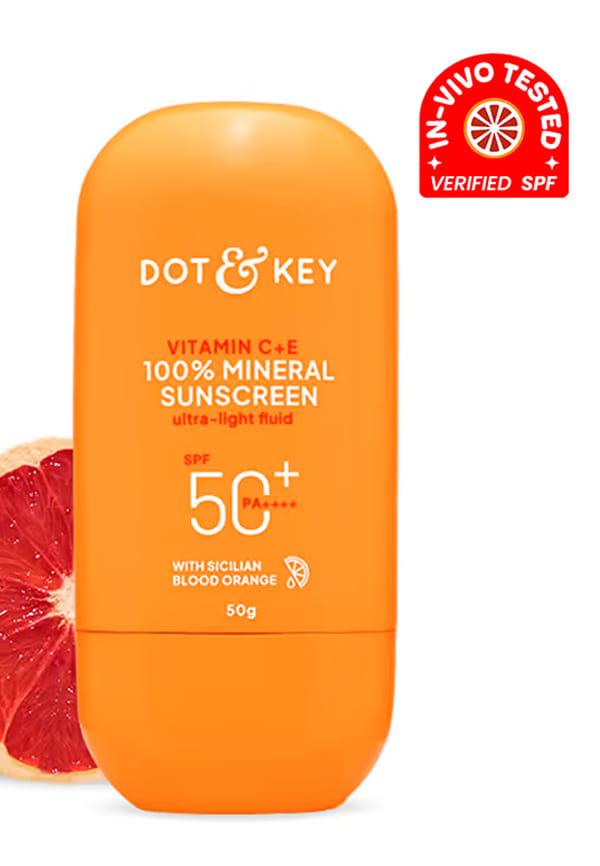 50 gm
50 gmVitamin C + E 100% Mineral Sunscreen SPF 50+ PA++++
If your skin is healing from treatments or procedures, ultra-gentle formulations are non-negotiable. Look for sun protection for sensitive skin that includes barrier-repairing ingredients like ceramides and avoid any actives that might interfere with healing.
Even the best mineral sunscreen won't work if you're not applying it correctly. The good news is that proper application doesn't have to be complicated, especially when you know the right techniques for sensitive skin.
Start with clean, moisturised skin and apply your sunscreen as the final step in your morning routine. Use about a quarter teaspoon for your face and neck, and don't forget often-missed spots like your ears and the back of your neck. For sensitive skin, gentle patting motions work better than rubbing, which can cause irritation. If you're layering with makeup, let your sunscreen set for a few minutes first to avoid pilling or uneven coverage.
Knowing what to avoid is just as important as knowing what to look for when choosing mineral sunscreens for sensitive skin. Some ingredients that seem harmless can actually be major irritants for reactive skin types.
Chemical filters like oxybenzone, octinoxate, and avobenzone are common culprits behind sunscreen sensitivity. Essential oils, even in "natural" formulas, can trigger reactions. Alcohol-based formulations can strip and irritate already sensitive skin, so these are best avoided entirely.
Look for formulas that include niacinamide for redness reduction, ceramides for barrier support, and antioxidants like vitamin E or green tea extract. These ingredients not only make the sunscreen gentler but can actually benefit your skin whilst providing protection.
When you're exploring different options, platforms like Smytten make it easier to find your perfect match. With curated trial packs from trusted brands, you can test different mineral sunscreen formulas without committing to full-size products. This approach is particularly valuable for sensitive skin, where finding the right product often requires some trial and error.
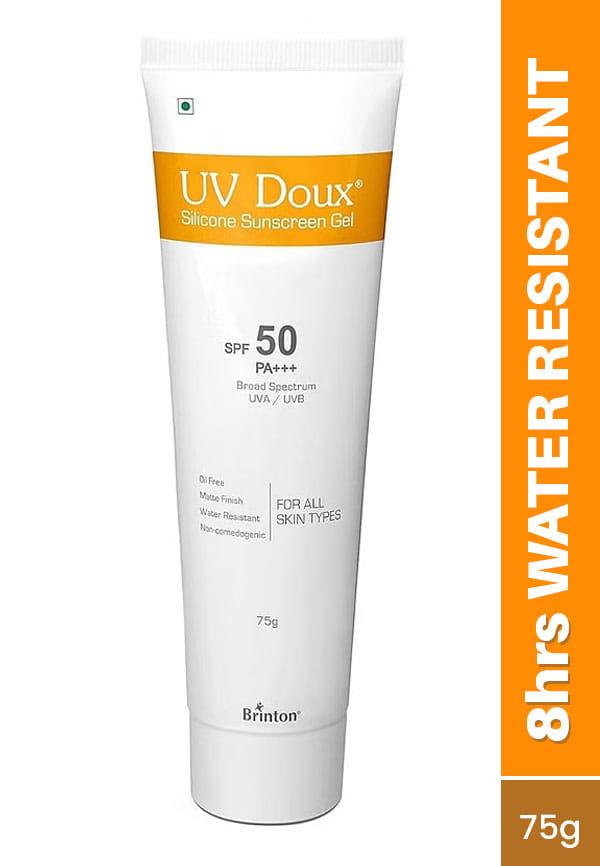 50gm
50gmMineral Sunscreen Gel
Absolutely. Mineral sunscreens are considered the safest option for sensitive skin because they sit on the surface rather than absorbing into the skin. This physical barrier approach reduces the risk of irritation and allergic reactions that can occur with chemical sunscreens.
The best options are fragrance-free formulas with zinc oxide as the primary active ingredient, minimal additional ingredients, and a concentration of 15-25% zinc oxide. Look for products specifically labelled as hypoallergenic and non-comedogenic.
For melasma, choose broad-spectrum mineral sunscreens with high zinc oxide content. Tinted formulas can provide additional protection against visible light, which can worsen melasma. Iron oxides in tinted sunscreens help block blue light that regular sunscreens might miss.
Check the active ingredients list on the back of the product. True mineral sunscreens will only list zinc oxide and/or titanium dioxide as active ingredients. If you see chemical filters like avobenzone, octinoxate, or oxybenzone, it's not a pure mineral formula.
While mineral sunscreens are generally less likely to cause breakouts, some formulas can be heavy or occlusive. Choose non-comedogenic options and ensure proper removal with a gentle cleanser. If you're prone to both sensitivity and acne, titanium dioxide-based formulas tend to be lighter.
Reapply every two hours, or immediately after swimming, sweating, or towelling off. For sensitive skin, use gentle patting motions rather than rubbing when reapplying. Consider powder mineral sunscreens for touch-ups over makeup.
Choosing the right mineral sunscreens for sensitive skin doesn't have to be overwhelming once you know what to look for. Focus on zinc oxide or titanium dioxide as your active ingredients, avoid common irritants like fragrances and chemical filters, and don't be afraid to test different formulations to find your perfect match.
Remember, the best sunscreen is the one you'll actually use every day. With Smytten's trial packs, you can explore different mineral sunscreen options from trusted brands without the commitment of full-size purchases. This way, you can find a formula that not only protects your skin but feels comfortable enough to become part of your daily routine. After all, why settle for maybe when you can Try It All and find the perfect gentle sunscreen that keeps your sensitive skin happy and protected?
