How to Choose Makeup for Sensitive Skin Safely
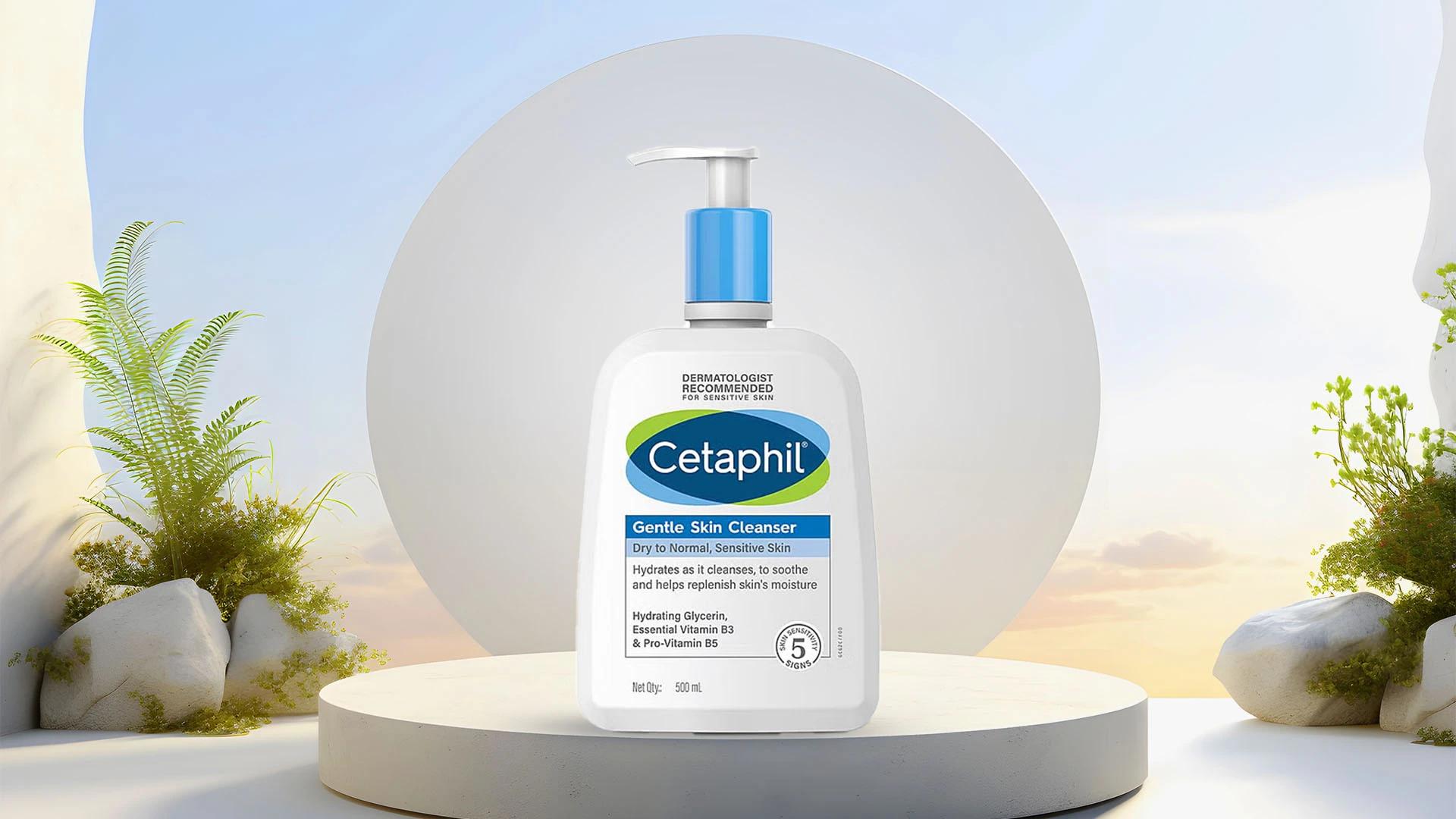

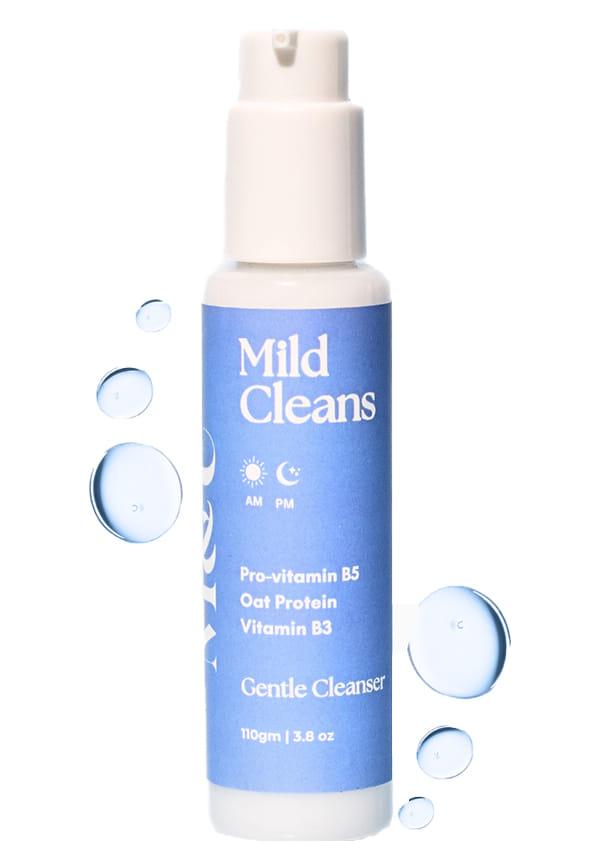 110 ml
Mild Cleanse Gentle Cleanser for Sensitive Skin
Let's be real—finding the right makeup when you have sensitive skin can feel like navigating a minefield. One wrong product and you're dealing with redness, breakouts, or that annoying stinging sensation that makes you want to wash everything off immediately. If you've ever stood in the beauty aisle feeling overwhelmed by endless options, wondering which ones won't betray your skin, you're definitely not alone. The good news? With the right sensitive skin makeup advice, you can absolutely rock a full face without the drama. We're talking about smart ingredient choices, gentle application techniques, and knowing exactly what to look for (and avoid) when shopping for makeup for sensitive skin. Ready to discover your perfect makeup routine that actually works with your skin, not against it?
Before diving into product recommendations, it's worth understanding why your skin reacts the way it does. Sensitive skin isn't just one thing—it's actually a spectrum of reactions that can range from mild irritation to full-blown allergic responses.
Your skin's sensitivity often comes down to a compromised barrier function. When this protective layer is weakened, ingredients that wouldn't bother most people can trigger reactions. Common culprits include synthetic fragrances, certain preservatives, and harsh pigments that penetrate deeper than they should.
The tricky part is that sensitivity can be temporary or permanent, and it can even develop over time. You might have used a product for years without issues, only to suddenly experience reactions. Environmental factors like stress, hormonal changes, or even weather can influence how your skin responds to makeup.
Sometimes the signs are obvious—immediate burning, stinging, or visible redness. But other times, the symptoms are subtler. You might notice increased dryness, tiny bumps that weren't there before, or skin that feels tight and uncomfortable throughout the day.
Pay attention to delayed reactions too. Some ingredients can cause issues that don't show up until hours or even days after application. If you're experiencing persistent skin problems, your makeup routine might be the sneaky culprit.
When you're shopping for best makeup for sensitive skin, the ingredient list becomes your best friend. Knowing what to look for can save you from costly mistakes and uncomfortable reactions.
Let's clear up some confusion here. Hypoallergenic makeup means the product is less likely to cause allergic reactions, but it's not a guarantee. There's actually no standardised definition for this term, so brands can use it pretty freely.
Non-comedogenic makeup is designed not to clog pores, which is brilliant if you're prone to breakouts alongside sensitivity. Look for products that specifically mention dermatologist testing, as these have undergone more rigorous evaluation.
Mineral makeup is often a safe bet because it typically contains fewer synthetic ingredients. Zinc oxide and titanium dioxide, common in mineral formulations, actually provide gentle sun protection whilst offering coverage.
Soothing ingredients like niacinamide, aloe vera, and chamomile can actively calm irritated skin whilst you wear makeup. These ingredients work double duty—providing coverage and skincare benefits simultaneously.
Fragrance free makeup is absolutely crucial. Even "natural" fragrances can trigger reactions, so completely fragrance-free formulations are your safest option.
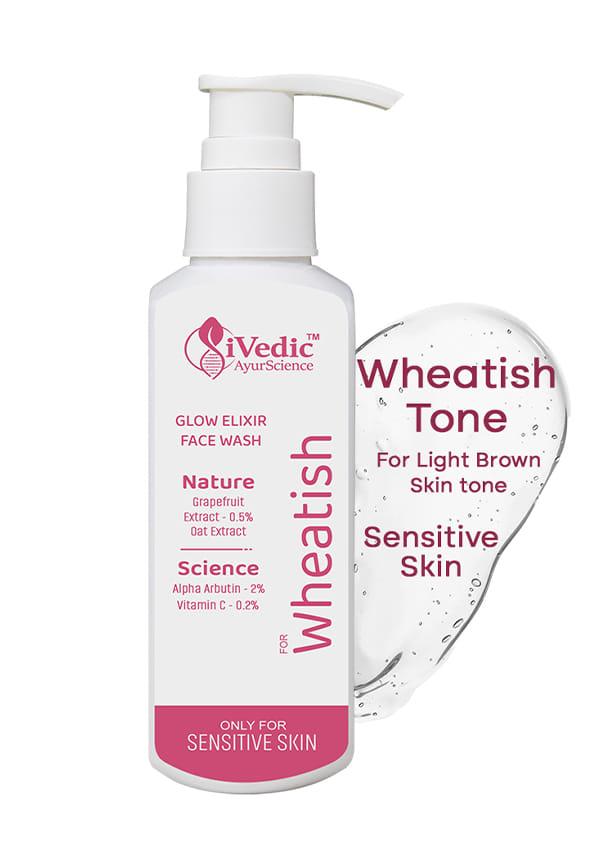 150 ml
Glow Elixir Skin Brigthening Face Wash|Only For Sensitive Skin with Wheatish tone
Steer clear of formaldehyde-releasing preservatives, which can cause contact dermatitis. Common ones include DMDM hydantoin and quaternium-15. Parabens, whilst not harmful to everyone, are frequent triggers for sensitive skin types.
Synthetic dyes and certain pigments can also cause problems. Red dyes, in particular, are known irritants. If you notice reactions to specific colour cosmetics, the pigments might be the issue.
Different areas of your face have varying sensitivity levels, so your product choices should reflect this. The delicate eye area needs gentler formulations than your cheeks, for instance.
When choosing a sensitive skin foundation, texture matters as much as ingredients. Liquid foundations can sometimes feel heavy and clogging, especially if they contain oils that don't agree with your skin.
Powder foundations are often gentler because they contain fewer preservatives and liquid ingredients that can cause reactions. They're also easier to build up gradually, so you can achieve your desired coverage without overloading your skin.
Look for foundations with shorter ingredient lists—fewer components mean fewer potential irritants. Tinted moisturisers or BB creams formulated for sensitive skin can be excellent starting points if you're new to gentle makeup.
A good sensitive skin concealer should provide coverage without settling into fine lines or causing additional irritation. Stick concealers often work well because they're less likely to migrate and typically have more stable formulations.
For colour correcting redness (which sensitive skin types often deal with), green-tinted primers or colour correctors can neutralise without requiring heavy foundation coverage. This means less product on your skin overall.
The eye area is particularly delicate, so waterproof formulas are generally best avoided—they require harsh removal methods that can irritate sensitive skin. Instead, opt for tubing mascaras that come off easily with warm water.
For lip products, avoid anything with menthol, cinnamon, or plumping ingredients, as these are common irritants. Stick to simple, moisturising formulations that won't cause chapping or peeling.
How you apply your makeup can be just as important as what you're applying. Gentle techniques can prevent irritation and help your products perform better on sensitive skin.
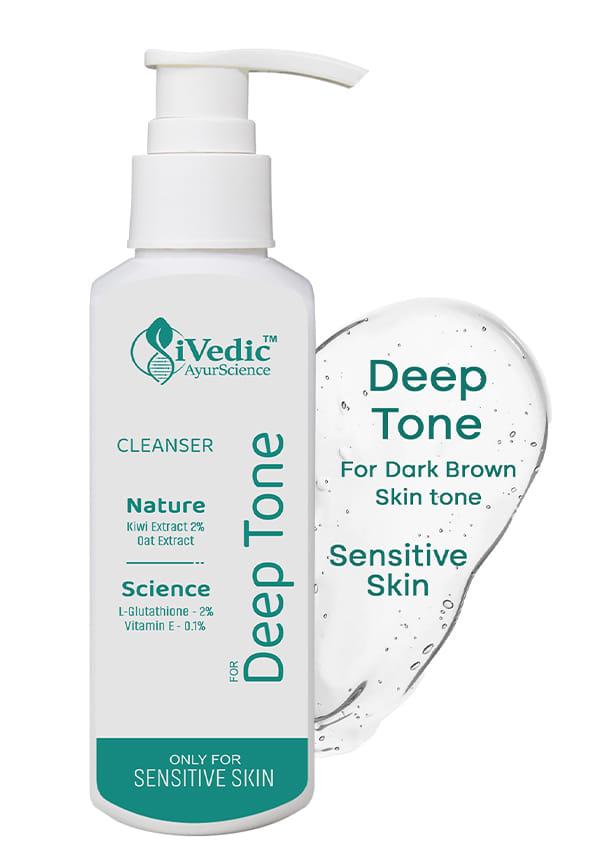 150 ml
Illuminance Skin Brigthening Face Wash | Only For Sensitive Skin with Dark Skin Tone
Your skincare for sensitive skin routine sets the foundation for successful makeup application. Always start with clean, well-moisturised skin to create a protective barrier between your skin and makeup products.
A gentle, fragrance-free primer designed for sensitive skin can provide an extra layer of protection. Look for primers with soothing ingredients rather than those promising dramatic effects like pore-blurring or mattifying.
Patch testing remains crucial, even with products marketed for sensitive skin. Test new products on your inner wrist or behind your ear for 24-48 hours before applying to your face.
Clean tools are non-negotiable when you have sensitive skin. Bacteria and old product buildup on brushes can cause irritation and breakouts. Consider using disposable sponges or washing your tools after each use.
Apply products with gentle, patting motions rather than rubbing or dragging. This is especially important around the delicate eye area. Build coverage gradually—it's easier to add more product than to remove excess without disturbing your skin.
Setting sprays can sometimes contain alcohol or other irritating ingredients, so powder setting might be gentler for sensitive skin. Use a light hand and focus on areas where you need the most longevity, like your T-zone.
For touch-ups throughout the day, blotting papers can remove excess oil without disturbing your makeup or adding more product to already sensitive skin.
Even with the best intentions and careful product selection, you might still encounter some bumps along the way. Here's how to handle the most common issues.
If you're experiencing breakouts after starting new makeup products, comedogenic ingredients might be the culprit. Remove the suspected product immediately and give your skin time to recover before introducing anything new.
Keep a makeup diary noting which products you use and any reactions you experience. This can help you identify patterns and problematic ingredients over time.
When dealing with makeup-related redness, resist the urge to pile on more coverage. Instead, use colour-correcting techniques with green-tinted products to neutralise redness before applying foundation.
If irritation occurs during wear, remove your makeup immediately with a gentle cleanser. Apply a soothing treatment like aloe vera gel or a fragrance-free moisturiser to calm your skin.
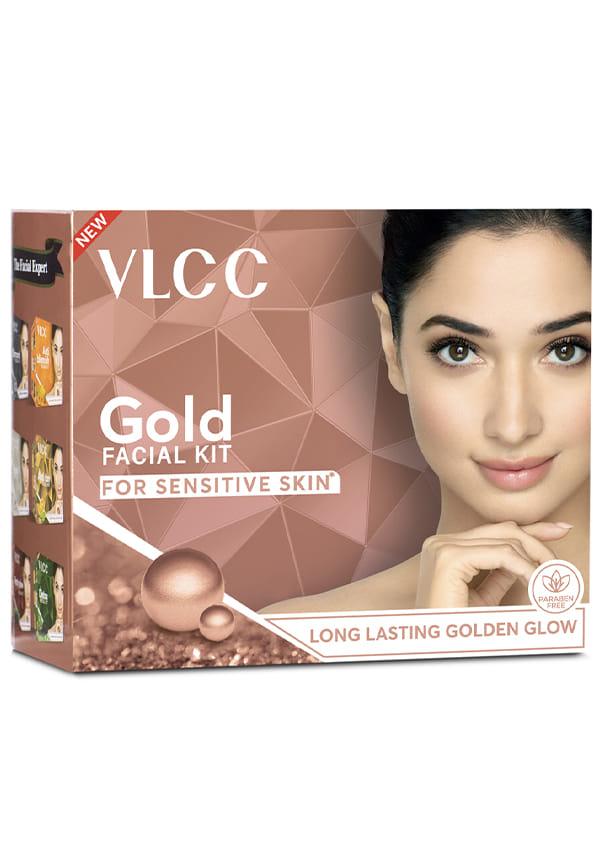 60 gm
60 gmGold Facial kit for Sensitive Skin
Your skin's sensitivity can fluctuate with the seasons. Winter might require richer, more protective formulations, whilst summer calls for lighter, breathable products that won't clog pores in heat and humidity.
Air pollution can also exacerbate sensitivity, so consider makeup with antioxidant ingredients that provide some environmental protection throughout the day.
The journey to finding your ideal makeup routine doesn't have to involve expensive trial and error. Smytten, India's largest product discovery platform, offers a brilliant solution for sensitive skin types who want to test products before committing to full sizes. With curated trial packs from over 1,500 trusted brands including gentle favourites like Cetaphil and Dot & Key, you can explore makeup options specifically formulated for sensitive skin without the financial risk. The platform's Trial Points system lets you get up to 8 minis for just ₹249, with 100% cashback redeemable for future purchases. This approach is particularly valuable for sensitive skin types, as it allows you to patch test and gradually introduce new products into your routine. When you find something that works perfectly with your skin, purchasing the full-size version is just a click away.
Mineral makeup with zinc oxide and titanium dioxide tends to be gentlest, as these ingredients are less likely to cause reactions. Look for fragrance-free, hypoallergenic formulations with minimal ingredient lists.
Yes, but give your skin regular breaks when possible. Choose lightweight, breathable formulations and always remove makeup thoroughly but gently each evening. Consider makeup-free days to let your skin recover.
Watch for immediate reactions like stinging, burning, or redness, as well as delayed symptoms like increased dryness, tiny bumps, or persistent irritation. Keep a product diary to track patterns.
Not necessarily. With careful product selection and proper application techniques, most people with sensitive skin can wear makeup safely. Start with minimal products and gradually build your routine.
Sensitive skin reactions are typically irritant-based and improve when you remove the trigger. Allergic reactions involve your immune system and may require medical attention, especially if they're severe or persistent.
Having sensitive skin doesn't mean you have to miss out on the fun of makeup—it just means being a bit more strategic about your choices. Focus on gentle, fragrance-free formulations with shorter ingredient lists, and don't rush the process of finding your perfect products. Remember that what works for someone else might not work for you, and that's completely normal. The key is patience, careful testing, and listening to what your skin is telling you. With the right approach and products, you can absolutely create a makeup routine that makes you feel confident and comfortable. Your skin might be sensitive, but that doesn't mean you have to settle for anything less than products you genuinely love.
