How to Choose Between Peptide Serum and Cream for Skin

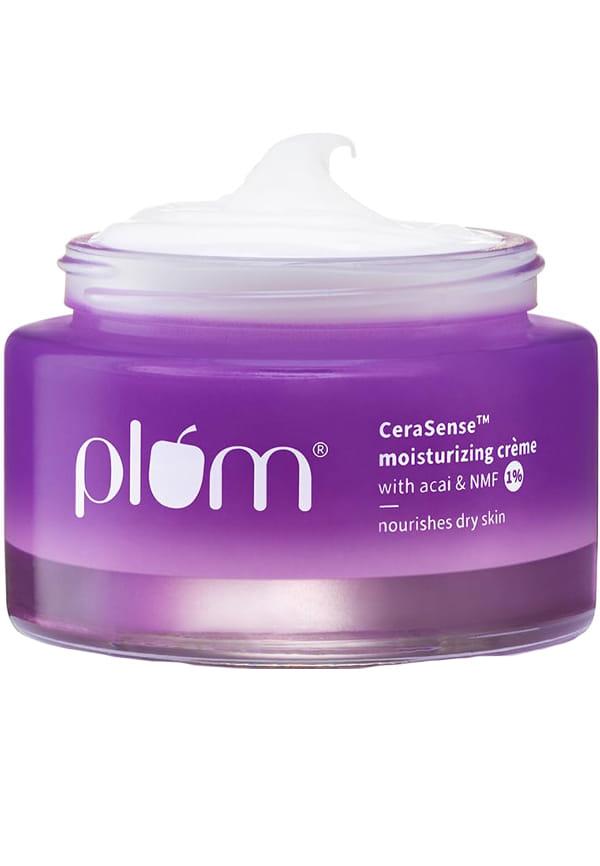 25 gm
25 gmCeraSense Moisturizing Crème with Ceramides & Peptides
Choosing between a peptide serum and cream can feel like picking your favourite child—both have their perks, but which one actually works better for your skin? Let's be real, the peptides serum vs cream effectiveness debate isn't just about texture preferences. It's about understanding what your skin actually needs and how different formulations deliver those precious anti-aging peptides. Whether you're dealing with fine lines, loss of firmness, or just want to future-proof your skin, getting this choice right can make all the difference in your skincare routine.
Think of skin peptides as your skin's personal trainers—they're basically short chains of amino acids that tell your skin cells to get their act together. When applied topically, these clever molecules send signals to boost collagen production, repair damage, and generally make your skin behave like it's younger than it actually is. The science behind anti-aging peptides is pretty fascinating. As we age, our skin's natural collagen production slows down (thanks, time), leading to fine lines, sagging, and that general 'meh' texture we'd rather avoid. Peptides step in as messengers, essentially tricking your skin into thinking it needs to ramp up collagen synthesis again.
Not all peptides are created equal. GHK-Cu peptides are brilliant for wound healing and skin regeneration, while Matrixyl peptides specifically target wrinkle reduction. Signal peptides work like tiny coaches, encouraging cellular turnover and repair processes. The key is understanding that peptides work gradually—they're not the instant gratification type. But when they do their thing, the results tend to be more sustainable than quick fixes.
Serums are basically the espresso shots of skincare—concentrated, potent, and designed to get straight to business. Peptide serum benefits start with their lightweight, fast-absorbing formula that doesn't mess about on your skin's surface. The best peptide serum formulations typically contain higher concentrations of active peptides compared to creams. This means you're getting more bang for your buck in terms of actual peptide delivery. The molecular structure of serums allows for better penetration into the deeper layers of your skin, where peptides can actually do their collagen-boosting work.
If you've got specific concerns like crow's feet or forehead lines, serums let you apply concentrated peptides for skin exactly where you need them. They're also brilliant for layering—you can apply your peptide serum first, then follow with other treatments without creating a sticky mess. The texture advantage is real too. Serums absorb quickly, making them perfect for morning routines when you need to apply sunscreen and makeup afterwards. No one wants to wait around for their skincare to sink in when they're rushing to work.
While serums are all about concentrated delivery, peptide cream benefits lie in their ability to provide sustained, long-term nourishment. Creams create a protective barrier on your skin, allowing peptides to work their magic over extended periods rather than being absorbed quickly. The best peptide cream formulations combine peptides with moisturising ingredients like hyaluronic acid, ceramides, and natural oils. This means you're not just getting anti-aging benefits—you're also addressing hydration, barrier repair, and overall skin health in one go.
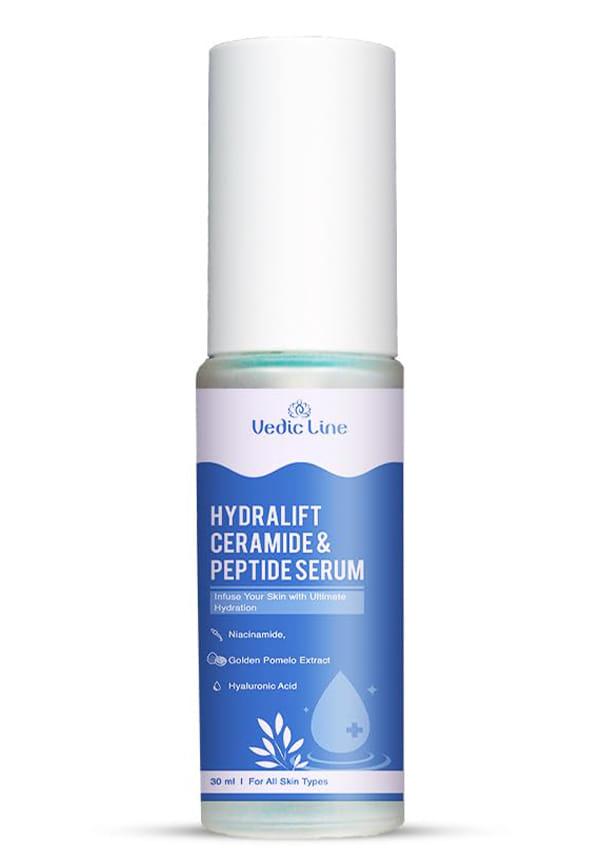 30 ml
30 mlHydraLift Ceramide & Peptide Serum
Creams work like a slow-release system for peptides for skin. The thicker texture means peptides are gradually released as the cream absorbs, providing longer contact time with your skin. This can be particularly beneficial for mature or very dry skin that needs both anti-aging support and intensive hydration. The occlusive nature of creams also helps prevent trans-epidermal water loss, creating an optimal environment for peptides to work effectively. It's like giving your skin a cosy blanket while the peptides get to work underneath.
Here's where things get interesting. The peptides serum vs cream effectiveness debate isn't straightforward because both formulations work differently. Serums typically deliver higher concentrations of peptides more quickly, making them excellent for targeted treatment of specific concerns. Clinical studies suggest that peptide serums can show visible improvements in fine lines within 4-6 weeks of consistent use. Creams, on the other hand, provide more comprehensive skin support. While the peptide concentration might be lower, the sustained delivery and additional moisturising benefits often result in overall better skin texture and hydration levels.
The molecular weight and formulation base significantly impact how well skin peptides penetrate. Serums generally have better bioavailability due to their water-based formulations and smaller molecular structures. However, creams can enhance peptide stability, potentially making them more effective over time. Cost-wise, serums often provide better value per application since you need less product. But creams multitask, potentially replacing your separate moisturiser, which could balance out the cost equation.
Getting your peptides skincare routine right is crucial for seeing actual results. The good news is that peptides play well with most other skincare ingredients, making them relatively easy to incorporate. For morning routines, peptide serums work brilliantly under sunscreen and makeup. Apply to clean skin, wait a minute for absorption, then continue with your usual products. Evening routines can accommodate either serums or creams, depending on your skin's hydration needs.
The general rule is thinnest to thickest consistency. So if you're using both peptide products and other treatments, apply peptide serum first, followed by any other serums, then moisturiser or peptide cream. Peptides work beautifully with hyaluronic acid—the combination can actually enhance peptide absorption while providing additional hydration benefits. Just remember that benefits of peptides for face are cumulative, so consistency matters more than perfection.
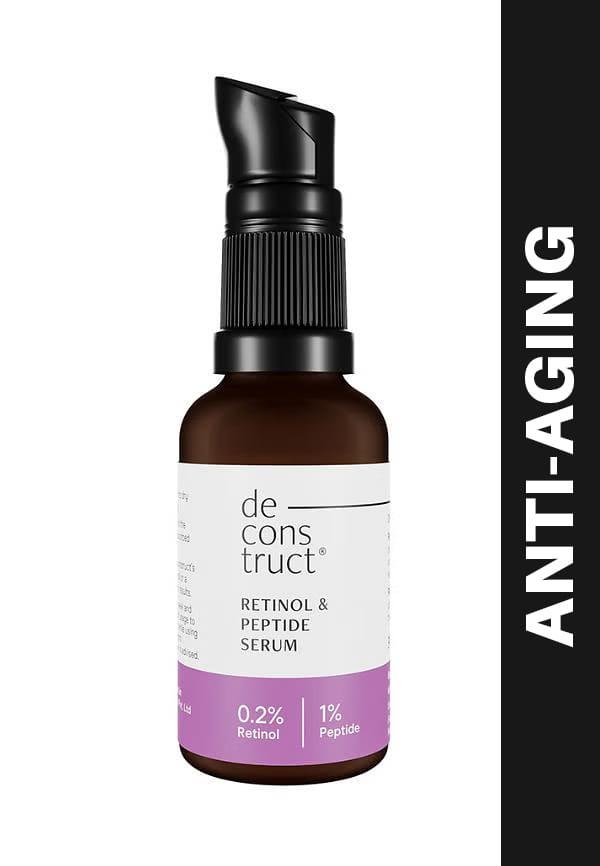 30 ml
30 mlRetinol Face Serum with Peptide
Your skin type should absolutely influence whether you go for a serum or cream formulation. Let's break this down properly.
Oily skin types generally fare better with peptide serums. The lightweight texture won't clog pores or add unnecessary heaviness to already oil-prone areas. Look for water-based formulations that absorb quickly without leaving residue. Avoid peptide creams with heavy oils or thick textures that might trigger breakouts. Instead, layer your peptide serum under a lightweight, non-comedogenic moisturiser.
Dry skin often benefits more from peptide creams because they address multiple concerns simultaneously. The combination of anti-aging peptides with rich moisturising ingredients can help restore both firmness and hydration. Mature skin particularly loves the sustained delivery that creams provide. The longer contact time allows peptides to work more effectively on established signs of aging.
Sensitive skin types should start slowly with either formulation. Peptides are generally well-tolerated, but the additional ingredients in formulations can sometimes cause reactions. Patch testing is non-negotiable. Apply a small amount to your inner arm and wait 24-48 hours to check for any adverse reactions before incorporating into your routine.
If your primary goal is addressing fine lines and wrinkles, serums often provide more targeted results due to their higher peptide concentrations. However, combining both—using a peptide serum for targeted treatment and a peptide cream for overall skin support—can be incredibly effective. The key is understanding that peptides for skin work best as part of a comprehensive routine rather than standalone miracle workers. With so many peptide options available, finding the right formulation for your skin can feel overwhelming. This is where platforms like Smytten become invaluable. As India's largest product discovery platform, Smytten lets you try mini-sized peptide serums and creams from trusted brands before committing to full-size purchases. With over 1,500 brands available and the ability to get up to 8 minis for just ₹249, you can actually test different peptide formulations to see what works best for your skin.
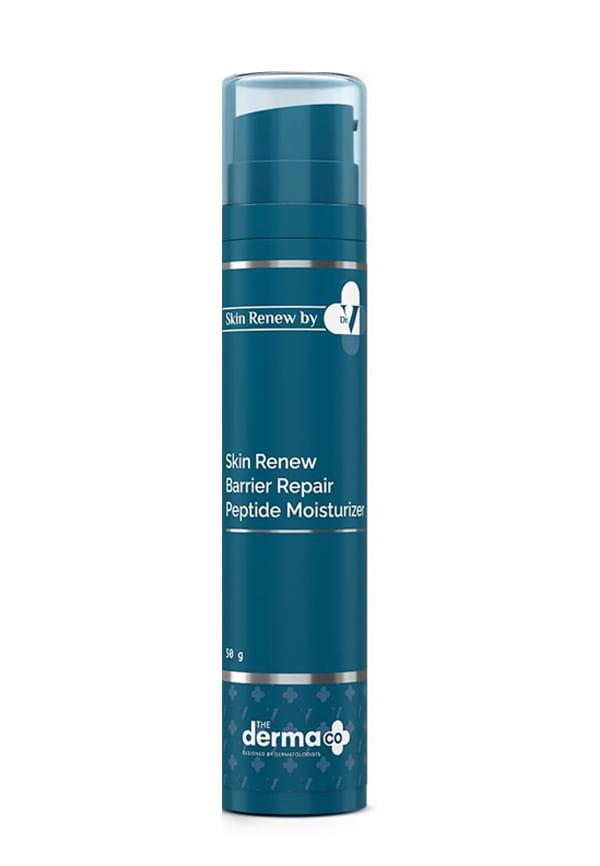 50 ml
50 mlSkin Renew Barrier Repair Peptide Moisturizer with Peptide & Vitamin C
For skincare beginners, peptide serums are often easier to incorporate because they're lightweight and layer well with other products. However, if you have very dry skin, starting with a peptide cream might provide better overall results since it addresses hydration and anti-aging simultaneously.
Absolutely! Using both can actually be more effective than choosing just one. Apply the serum first for targeted treatment, then follow with the cream for sustained nourishment and barrier support.
Most people notice subtle improvements in skin texture within 2-4 weeks, with more significant anti-aging benefits becoming visible after 6-8 weeks of consistent use. Patience is key with peptides—they work gradually but effectively.
Matrixyl peptides and GHK-Cu are among the most researched for wrinkle reduction. However, the effectiveness often depends more on the overall formulation and your skin's individual response than the specific peptide type.
Yes, but timing matters. Use vitamin C in the morning and retinol at night, with peptides fitting into either routine. Peptides can actually help soothe potential irritation from stronger actives like retinol.
The peptides serum vs cream effectiveness debate ultimately comes down to your individual skin needs, preferences, and goals. Serums excel at targeted treatment with higher concentrations, while creams provide comprehensive skin support with sustained delivery. Rather than viewing this as an either-or decision, consider what your skin actually needs. Oily skin might thrive with a lightweight serum, while dry, mature skin could benefit more from a nourishing cream. And honestly? There's nothing stopping you from using both if your skin loves the combination. The most important factor is consistency. Whether you choose a serum, cream, or both, regular use is what delivers real results with peptides. Start with one formulation, give it at least 6-8 weeks to work its magic, then adjust based on what your skin tells you. With Smytten's trial options, you can explore different peptide formulations without the commitment of full-size purchases. After all, why settle for guessing when you can actually try different options and find what works best for your unique skin? The platform's 100% cashback on trial minis makes experimenting with peptides both affordable and risk-free, helping you make confident choices about your skincare routine.
