How to Choose Between Niacinamide Serums and Creams


Let's be real—niacinamide has become that friend everyone raves about in the skincare world. You've probably heard it can tackle everything from stubborn breakouts to angry redness, but here's where it gets tricky: should you go for a serum or cream? The niacinamide in serums vs creams effectiveness debate isn't just about personal preference—it's about finding what actually works for your skin. Whether you're dealing with oily patches, dry spots, or just want that glow-up everyone's talking about, the formula you choose can make all the difference. Think of it like choosing between a concentrated shot of espresso versus a creamy latte—both have caffeine, but the experience is totally different.
Before we dive into the serum versus cream showdown, let's talk about why niacinamide benefits for skin have made this ingredient such a big deal. Niacinamide, also known as vitamin B3, is basically the multitasker your skincare routine has been waiting for. It doesn't just focus on one problem—it's like that friend who can help you with your homework, listen to your relationship drama, and still have energy to binge-watch Netflix with you.
The magic of niacinamide lies in its ability to work on multiple skin concerns simultaneously. Research shows it can regulate oil production, reduce inflammation, and even help with hyperpigmentation. What's particularly impressive is how it strengthens the niacinamide skin barrier, which is basically your skin's protective shield against environmental nasties.
Clinical studies have shown that niacinamide can reduce sebum production by up to 30% in just four weeks. It also helps boost ceramide production, which keeps your skin plump and hydrated. Plus, it plays well with other ingredients—no drama, no conflicts, just pure skincare harmony.
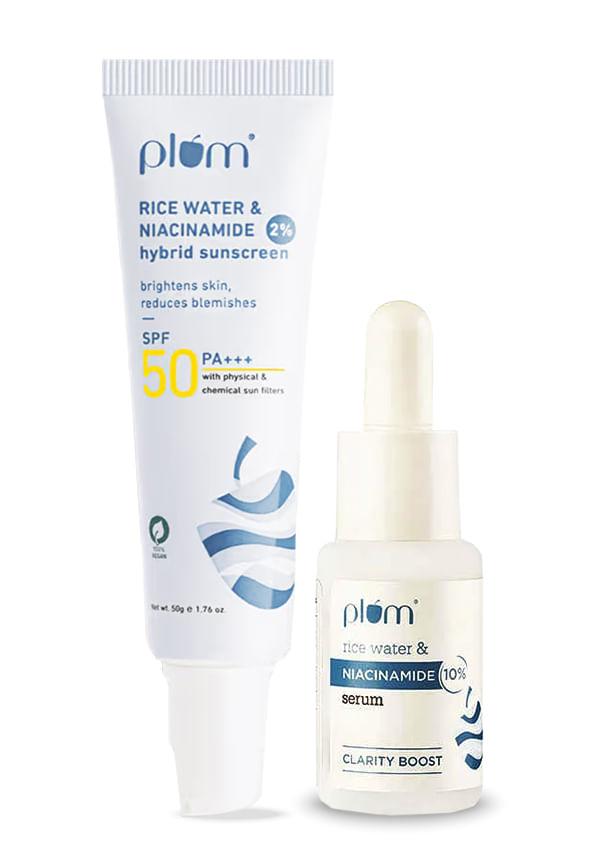 Combo
ComboNourish with Niacinamide Combo
Here's where things get interesting: the way niacinamide is delivered to your skin can significantly impact its effectiveness. Serums typically have smaller molecules that can penetrate deeper into the skin, whilst creams provide a more gradual, sustained release. Think of it like the difference between a quick text message and a handwritten letter—both get the message across, but the timing and impact are different.
The niacinamide concentration also varies between formulations, with serums often packing a more potent punch. This doesn't automatically make them better, though—sometimes your skin needs that gentle, steady approach that creams provide.
If you're someone who loves that lightweight, fast-absorbing feel, serums might just be your perfect match. Niacinamide serum benefits are particularly impressive when you need targeted treatment and quick results. Think of serums as the precision tools of skincare—they get straight to the point without any fuss.
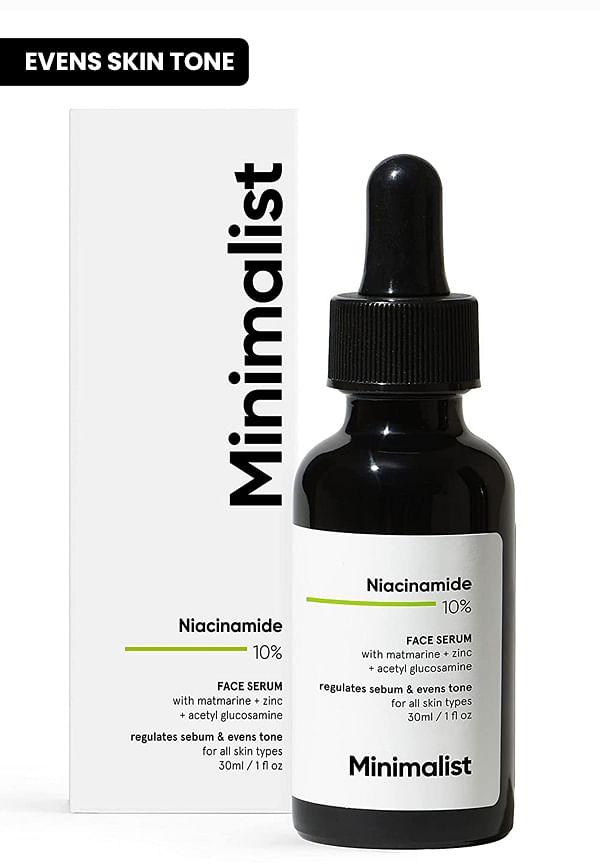 30 ml
30 ml10% Niacinamide Face Serum for Acne Marks
Most niacinamide serums contain between 5-10% of the active ingredient, which is significantly higher than what you'll typically find in creams. This higher concentration means faster, more noticeable results, especially for concerns like enlarged pores or uneven skin tone.
The lightweight texture allows for better penetration into the deeper layers of your skin. It's like having a VIP pass that gets you straight to the front of the queue—no waiting around, just direct access to where the magic happens.
When it comes to niacinamide for acne, serums often take the lead. Their ability to regulate oil production and reduce inflammation makes them particularly effective for breakout-prone skin. The concentrated formula can help minimise pore appearance and control that midday shine that nobody asked for.
For niacinamide for redness, the anti-inflammatory properties work quickly when delivered in serum form. Many users notice a reduction in facial flushing and general irritation within just a few weeks of consistent use.
Serums also excel at targeting hyperpigmentation and dark spots. The higher concentration allows for more effective inhibition of melanin transfer, which means those stubborn marks from last year's breakouts might finally start to fade.
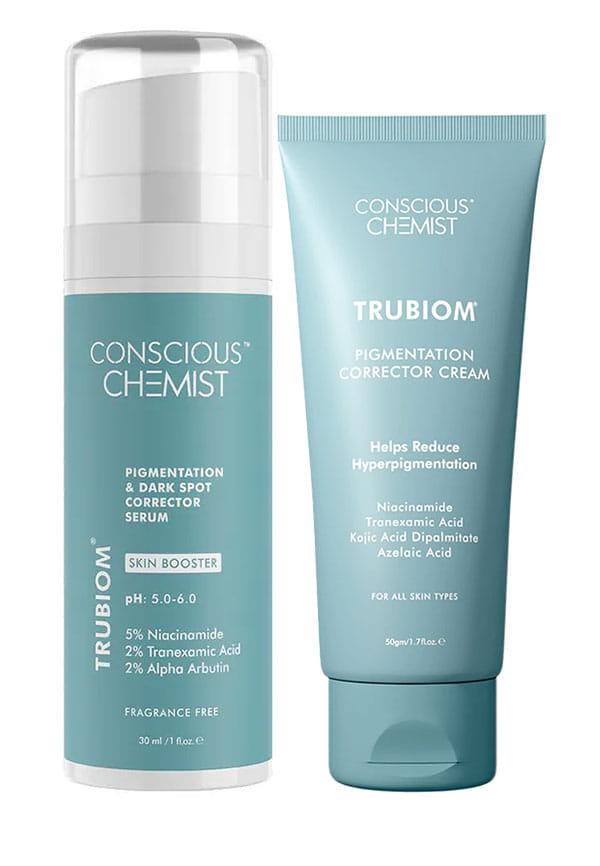 Combo
ComboNiacinamide Serum + 1% Zinc & Pigmentation Corrector Moisturiser For Dark Spots Combo
If you have oily or combination skin, serums are often the way to go. They won't add extra heaviness to your routine, and they layer beautifully under moisturisers and SPF. People who love multi-step routines also tend to prefer serums because they're so easy to incorporate without disrupting the flow.
Those seeking faster visible results often gravitate towards serums too. The higher concentration means you're likely to see changes sooner, which can be incredibly motivating when you're trying to stick to a new routine.
Don't count creams out just yet—niacinamide cream benefits are particularly impressive for certain skin types and concerns. Creams are like that reliable friend who's always there for you, providing steady support rather than dramatic gestures. They combine treatment with nourishment, making them perfect for people who prefer simplicity.
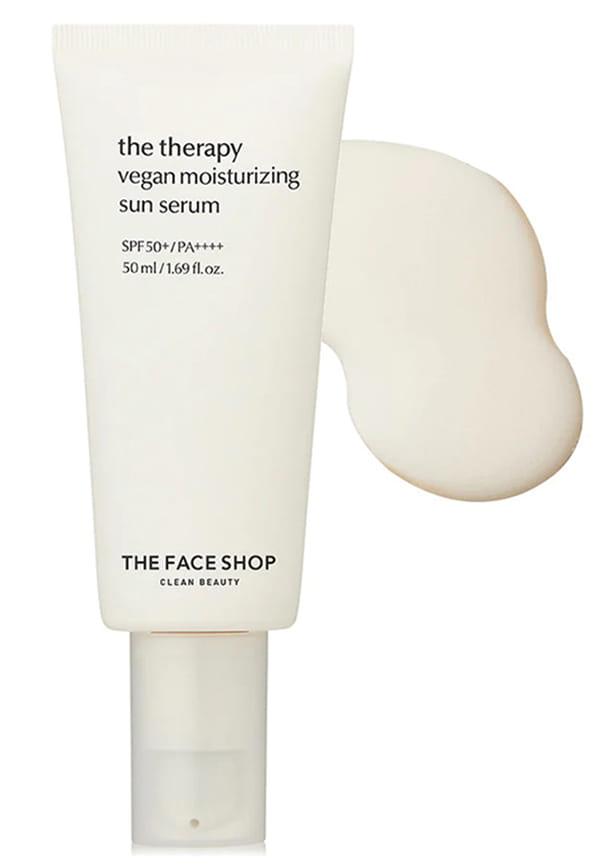 50 ml
50 mlNiacinamide, UVA/B Protection Serum Sunscreen SPF 50+ PA++++
Niacinamide creams typically contain lower concentrations (usually 2-5%), which makes them ideal for sensitive skin types. This gentler approach reduces the risk of irritation whilst still providing all the benefits you're looking for. It's like easing into a hot bath rather than jumping into a cold pool—both get you clean, but one is definitely more comfortable.
The cream base also provides additional moisturising benefits, which means you're getting hydration alongside your niacinamide treatment. This is particularly beneficial for people with dry or mature skin who need that extra boost of moisture.
For dry and sensitive skin types, creams often provide better results than serums. The emollient base helps repair and maintain the skin barrier whilst delivering the active ingredient. This dual action makes creams particularly effective for people dealing with conditions like eczema or rosacea.
Nighttime routines are where creams really shine. The richer texture and slower absorption mean your skin gets a steady dose of niacinamide throughout the night, supporting natural repair processes whilst you sleep.
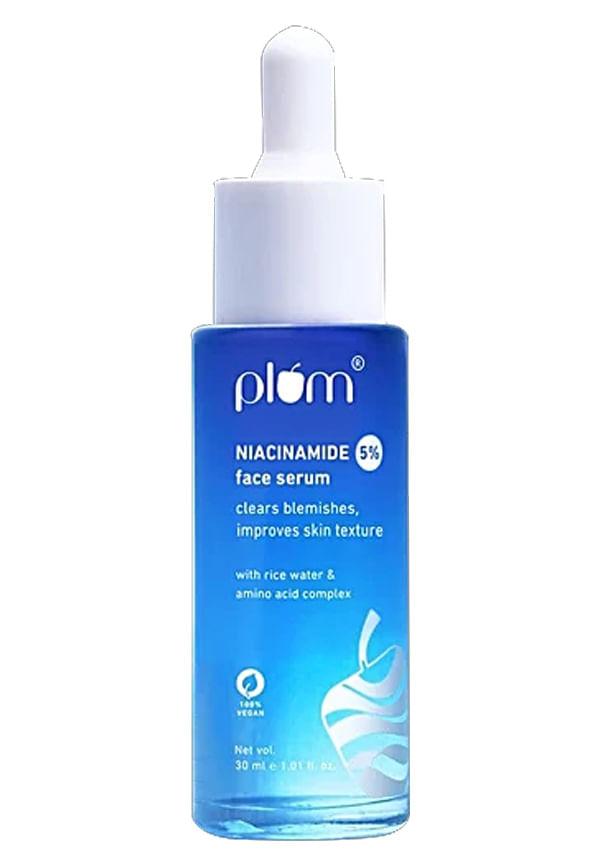 30 ml
30 ml5% Niacinamide Face Serum | With Rice Water & Amino Acid Complex
If your skin barrier is compromised—think flaky, tight, or easily irritated—creams are often the better choice. The combination of niacinamide with moisturising ingredients helps rebuild that protective barrier whilst treating underlying concerns.
Mature skin also tends to respond well to niacinamide creams. The additional hydrating ingredients help plump fine lines whilst the niacinamide works on improving skin texture and tone. It's like getting a two-for-one deal that actually delivers on both promises.
The niacinamide concentration debate is real, and honestly, more isn't always better. Clinical studies show that concentrations above 5% don't necessarily provide dramatically better results, but they can increase the risk of irritation. It's like adding extra salt to your chips—at some point, you're just making things worse, not better.
Research indicates that 3-5% niacinamide is the sweet spot for most people. This concentration provides significant benefits without overwhelming your skin. Serums in this range can still deliver impressive results, whilst creams at 2-3% offer gentle yet effective treatment.
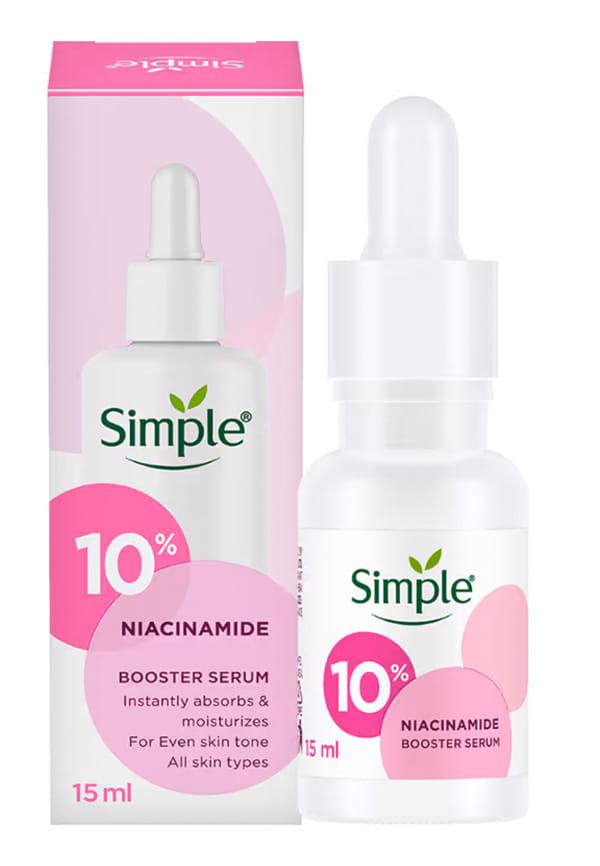 15 ml
15 mlBooster Serum 10% Niacinamide For Even Skin Tone
The key is understanding that effectiveness isn't just about concentration—it's about consistency and how well your skin tolerates the product. A 3% niacinamide cream that you use daily will likely give better results than a 10% serum that irritates your skin.
If you have sensitive skin, starting with a 2-3% niacinamide cream is your safest bet. Normal skin can typically handle 5% in either serum or cream form. For oily or acne-prone skin, you might benefit from a 5-10% serum, but start low and work your way up.
Remember, your skin needs time to adjust to new ingredients. What feels fine on day one might cause irritation by day seven, so patience is key.
Let's talk about the elephant in the room—niacinamide side effects. Whilst niacinamide is generally well-tolerated, some people do experience reactions, especially when starting with higher concentrations or using products that don't suit their skin type.
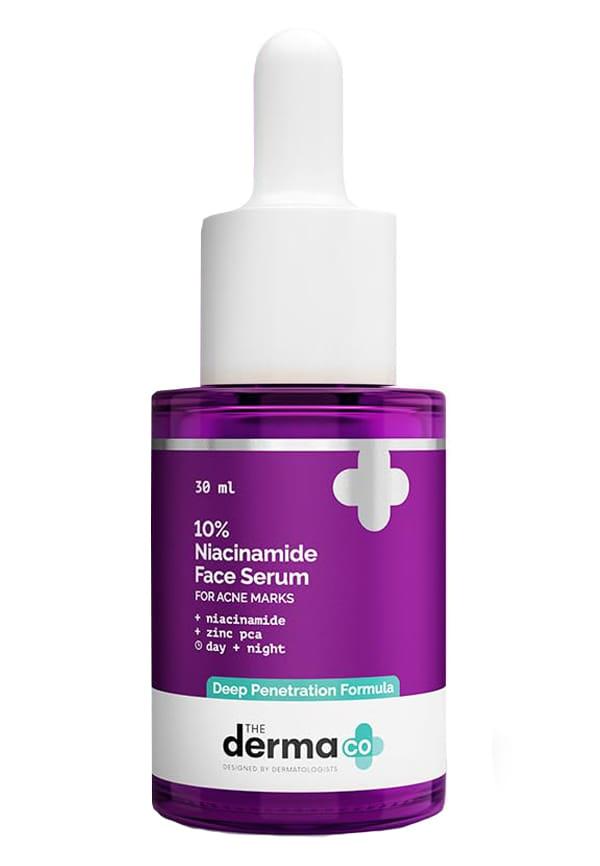 30 ml
30 ml10% Niacinamide Serum
The most common side effects include mild irritation, redness, or a tingling sensation when first starting. Some people also experience what's called "purging," where existing breakouts come to the surface more quickly. This isn't necessarily a bad thing—it means the product is working—but it can be discouraging if you're not expecting it.
People with very sensitive skin or conditions like rosacea need to be particularly careful with concentration and formula choice. What works for your friend's oily skin might be too harsh for your sensitive complexion.
Serums, with their higher concentrations, are more likely to cause initial irritation. However, this usually subsides as your skin builds tolerance. Creams are generally gentler but can sometimes feel too heavy for oily skin types, potentially leading to clogged pores.
The key is listening to your skin and adjusting accordingly. If a serum feels too intense, try using it every other day or switch to a cream formulation.
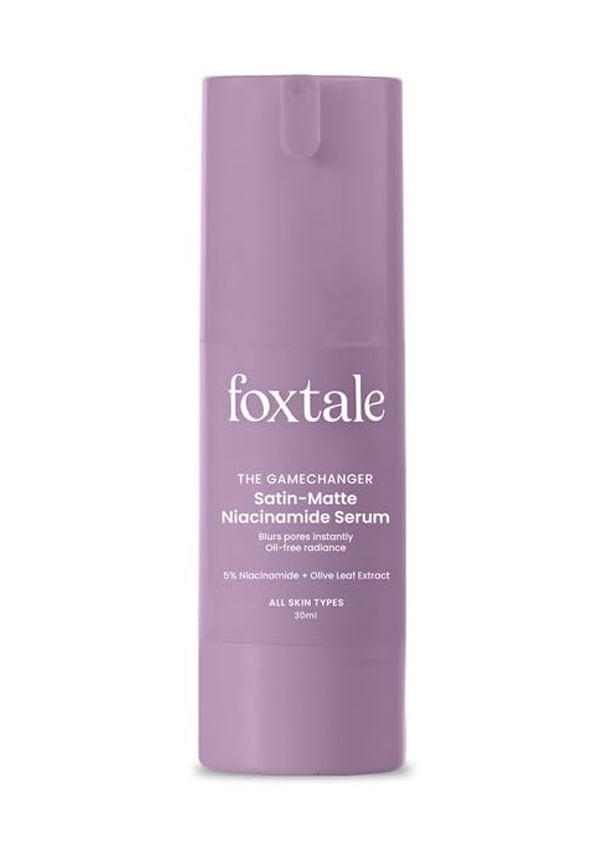 30 ml
30 ml5% Niacinamide Face Serum with Olive Leaf Extract
When you're trying to decide between the best niacinamide serum and best niacinamide cream, it's not just about the product itself—it's about how it fits into your life and skincare goals. Think about your skin type, your routine preferences, and what you're hoping to achieve.
Look for products that list niacinamide (or nicotinamide) within the first few ingredients. The packaging should protect the product from light and air, as niacinamide can degrade over time. Dark glass bottles or airless pumps are good signs that the brand takes stability seriously.
Check the pH level if it's listed—niacinamide works best in a slightly acidic to neutral environment (pH 5-7). Avoid products with too many potentially irritating ingredients, especially if you're just starting with niacinamide.
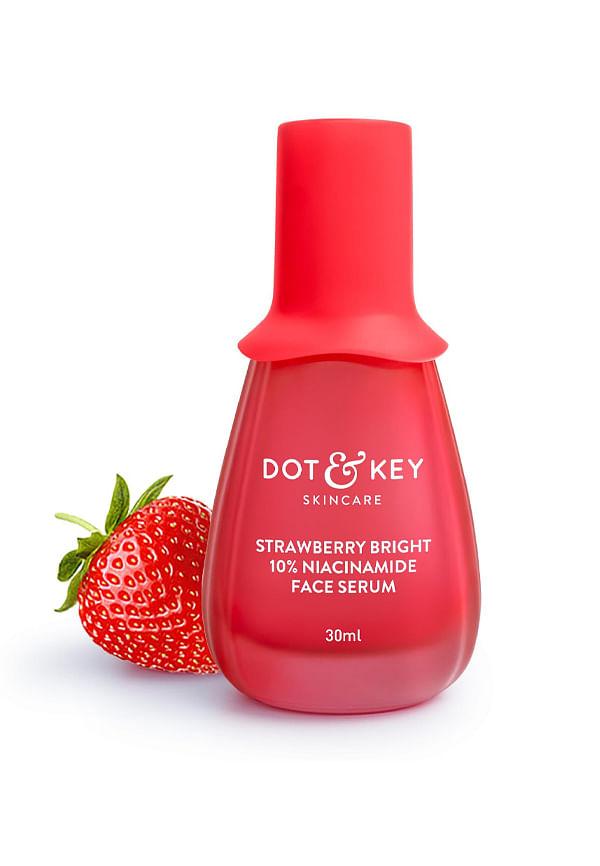 30ml
30mlStrawberry Bright 10% Niacinamide Face Serum
For oily skin, serums typically provide better results because they don't add extra oil or heaviness. The higher concentration can help control sebum production more effectively. Dry skin often benefits more from creams because of the added moisturising ingredients that support barrier function.
Sensitive skin should generally start with creams at lower concentrations. Combination skin can be tricky—you might need to use different products on different areas of your face, or alternate between serum and cream depending on the season.
This is where platforms like Smytten become incredibly valuable. With over 1,500 trusted brands including skincare favourites like Cetaphil and Dot & Key, you can try mini versions of different niacinamide formulations before committing to full-size products. Getting up to 8 minis for just ₹249 means you can test both serums and creams to see what works best for your skin.
Yes, but start slowly. If you want to use both, try the serum in the morning and cream at night, or alternate days. Monitor your skin for any signs of irritation and adjust accordingly.
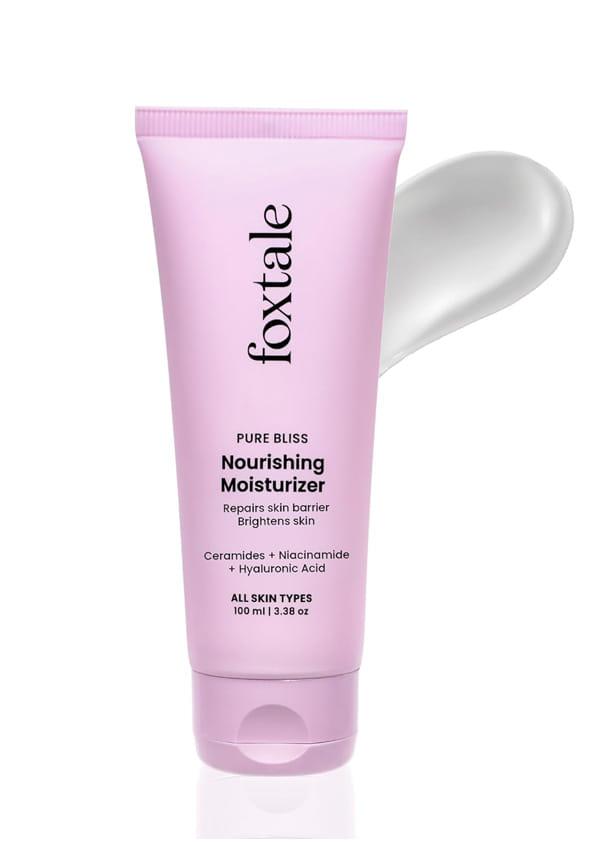 100 ml
Nourishing Moisturiser with Niacinamide & Vit E for 24hrs Hydrated Glowing Skin
Serums typically work faster for pigmentation due to higher concentrations and better penetration. However, creams can be just as effective over time, especially for sensitive skin that can't tolerate higher concentrations.
Most people notice improvements in skin texture and oil control within 2-4 weeks. For pigmentation and pore size reduction, it can take 8-12 weeks of consistent use to see significant changes.
Niacinamide can be used both morning and night. It's photostable and won't increase sun sensitivity. Many people prefer serums in the morning under SPF and creams at night for extra hydration.
Niacinamide doesn't typically cause purging like retinoids or acids do, but some people experience initial breakouts as their skin adjusts. This usually settles within 2-3 weeks.
The truth about niacinamide in serums vs creams effectiveness is that both can be incredibly beneficial—it just depends on your skin's specific needs and preferences. Serums offer targeted treatment with higher concentrations, making them ideal for oily skin and specific concerns like acne or hyperpigmentation. Creams provide gentle, sustained treatment with added hydration, perfect for dry or sensitive skin types.
The best approach is often to start with what feels right for your skin type and concerns, then adjust based on how your skin responds. Remember, consistency trumps concentration every time. A product you'll actually use daily is infinitely better than one that sits unused because it's too harsh or doesn't fit your routine.
With Smytten's trial platform connecting you to over 1,500 trusted brands, you can explore different niacinamide formulations without the commitment. Whether you're curious about a lightweight serum from Dot & Key or a nourishing cream from Cetaphil, trying mini versions first means you can make confident choices about what works for your skin. After all, why settle for 'maybe' when you can try it all and find your perfect niacinamide match?
