How to Choose Between Mineral and Chemical Sunscreen


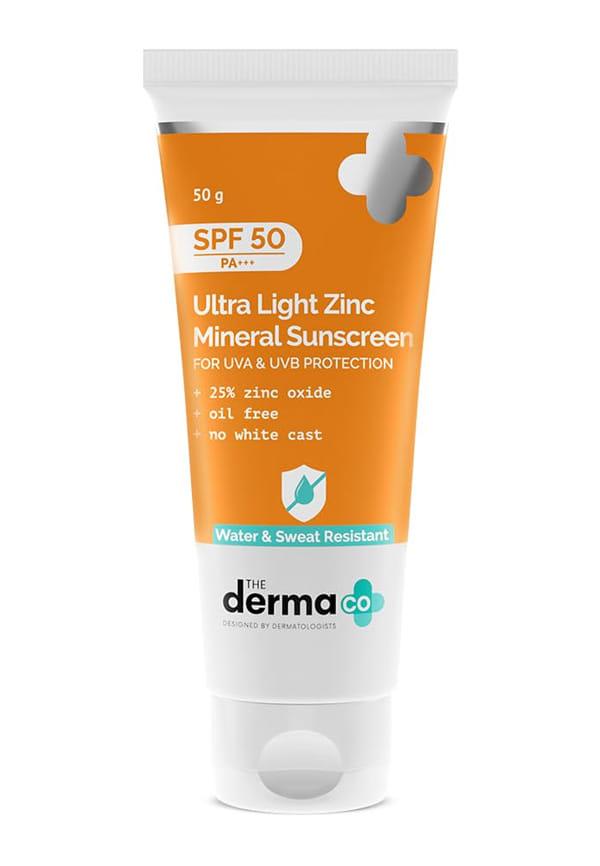 50 gm
50 gmUltra Light Zinc Mineral Sunscreen with SPF 50 PA+++
Let's be real—choosing the right sunscreen can feel like decoding a chemistry textbook. You're standing in the skincare aisle, staring at bottles that promise everything from "invisible protection" to "reef-safe formulas," and honestly, it's a bit overwhelming. The mineral vs chemical sunscreen debate has been going on for ages, but here's the thing: both types work brilliantly when you know which one suits your skin and lifestyle. Whether you're dealing with sensitive skin that reacts to everything or you're someone who needs their sunscreen to play nicely under makeup, understanding these two types of sunscreen protection will help you make the smartest choice for your skin.
Think of sunscreen as your skin's personal bodyguard—but different bodyguards have different tactics. Some block the threat at the door, whilst others neutralise it once it's inside. That's essentially how mineral sunscreen and chemical sunscreen work differently to protect your skin.
Mineral sunscreen is like having a physical shield on your skin. It uses natural minerals—primarily zinc oxide and titanium dioxide—to create a barrier that reflects UV rays away from your skin surface. Think of it as tiny mirrors sitting on top of your skin, bouncing those harmful rays right back where they came from.
The brilliant thing about mineral formulas is that they start working the moment you apply them. No waiting around, no timing your application perfectly—just instant protection. These sunscreen ingredients are considered the gentlest option because they sit on top of your skin rather than being absorbed into it.
Chemical sunscreen takes a completely different approach. Instead of blocking UV rays, it absorbs them and converts them into heat, which is then released from your skin. The most common chemical filters include avobenzone, oxybenzone, octisalate, and homosalate—names that might sound intimidating but are actually quite effective at their job.
Here's the catch though: chemical sunscreens need about 15-20 minutes to activate properly. So if you're the type who applies sunscreen and immediately heads out the door, this might not be your best bet. But once they're activated, they provide excellent broad-spectrum protection.
Now that you know how each type works, let's dive into what really matters—how they perform in real life. Because honestly, the best sunscreen is the one you'll actually use consistently.
The fundamental difference lies in their approach to sunscreen protection. Mineral sunscreens create a physical barrier that reflects both UVA and UVB rays immediately upon application. Chemical sunscreens absorb UV radiation and transform it into heat energy, but they need time to form protective bonds with your skin.
Both types can offer excellent broad-spectrum protection when formulated correctly. The key is understanding that mineral sunscreens work like a shield, whilst chemical ones work like a sponge that neutralises threats.
Let's talk about the elephant in the room—the dreaded white cast. Traditional mineral sunscreens have earned a reputation for leaving that chalky, ghostly residue that makes you look like you've been dusted with flour. However, newer formulations have come a long way, with micronised particles that blend much better.
Chemical sunscreens typically offer that invisible, lightweight feel that many people prefer for daily wear. They blend seamlessly into the skin and work brilliantly under makeup. However, some people find them too lightweight and worry they're not getting enough coverage.
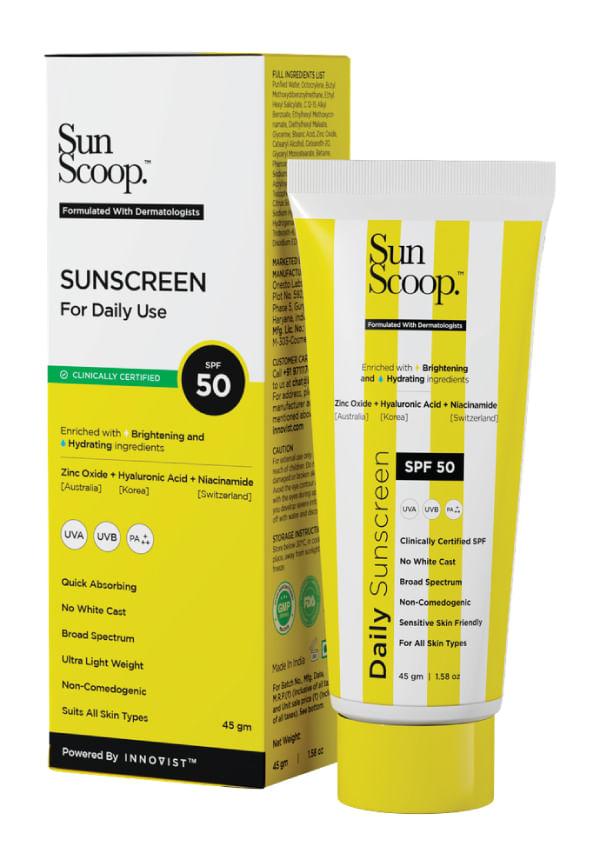 45 gm
45 gmDaily SPF 50 Sunscreen Cream | UV Filter Zinc Oxide
Every type of sunscreen comes with its own set of perks and quirks. Understanding these will help you choose what works best for your skin type and daily routine.
Benefits:
Drawbacks:
Benefits:
Drawbacks:
If your skin throws a tantrum at the slightest provocation, choosing the right sunscreen becomes even more crucial. The good news is that there are excellent options for every skin concern.
Dermatologists consistently recommend mineral sunscreen for sensitive skin types, and there's solid science behind this preference. Since mineral formulas sit on top of the skin rather than being absorbed, they're less likely to cause irritation or allergic reactions.
Look for formulations that are fragrance-free, hypoallergenic, and contain minimal additional ingredients. Zinc oxide is particularly gentle and provides excellent broad-spectrum protection without the risk of chemical sensitivities.
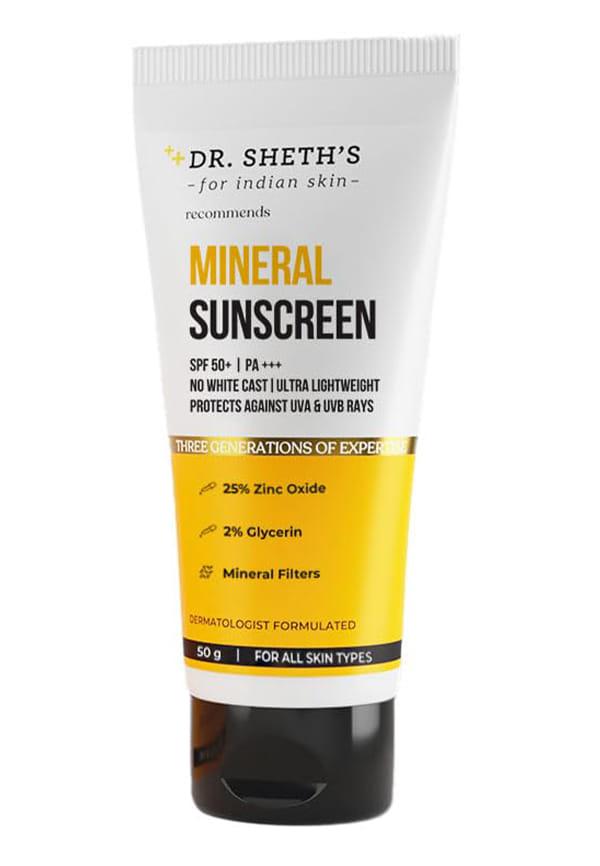 50 gm
50 gmMineral Sunscreen
If you're dealing with acne or hyperpigmentation, your skincare sunscreen choice becomes even more important. Non-comedogenic mineral formulations are typically the safest bet, as they won't clog pores or exacerbate breakouts.
For those with hyperpigmentation, consistent broad-spectrum protection is absolutely essential. UV exposure can worsen dark spots and undo months of treatment progress, so finding a sunscreen you'll use religiously is crucial.
Your perfect sunscreen isn't just about your skin type—it's about how you live your life. A desk-bound professional has different needs than someone who spends weekends hiking or at the beach.
For everyday wear, especially if you're layering makeup on top, chemical sunscreens often take the crown. Their lightweight, invisible finish creates the perfect base for foundation and concealer. Many modern formulations even double as primers, giving you that smooth, poreless look whilst protecting your skin.
If you prefer mineral options for daily wear, look for tinted formulations or those specifically designed to minimise white cast. These newer formulas blend much better and won't leave you looking like a ghost in photos.
If you're someone who sweats a lot or spends time in water, both mineral and chemical sunscreens offer excellent water-resistant options. Chemical sunscreens often have the edge here, as they tend to adhere better to skin during intense activity.
However, mineral sunscreens are brilliant for immediate reapplication during outdoor activities—no need to wait for activation time when you're already in the sun.
If environmental impact matters to you (and honestly, it should), mineral sunscreens are the clear winner. Ingredients like oxybenzone and octinoxate found in some chemical sunscreens have been linked to coral reef damage, leading to bans in places like Hawaii and Palau.
Choosing reef-safe mineral formulations means you can protect your skin without harming marine ecosystems—a win-win situation.
When it comes to professional guidance, dermatologists tend to be pragmatic about the mineral vs chemical sunscreen debate. Most emphasise that the best sunscreen is simply the one you'll use consistently and correctly.
Dermatologists often recommend mineral sunscreens for children, pregnant women, and those with sensitive skin due to their gentle nature and immediate protection. For everyone else, the choice often comes down to personal preference and lifestyle factors.
Clinical evidence supports the effectiveness of both types when used properly. The key is choosing a broad-spectrum formula with at least SPF 30 and applying it generously and frequently.
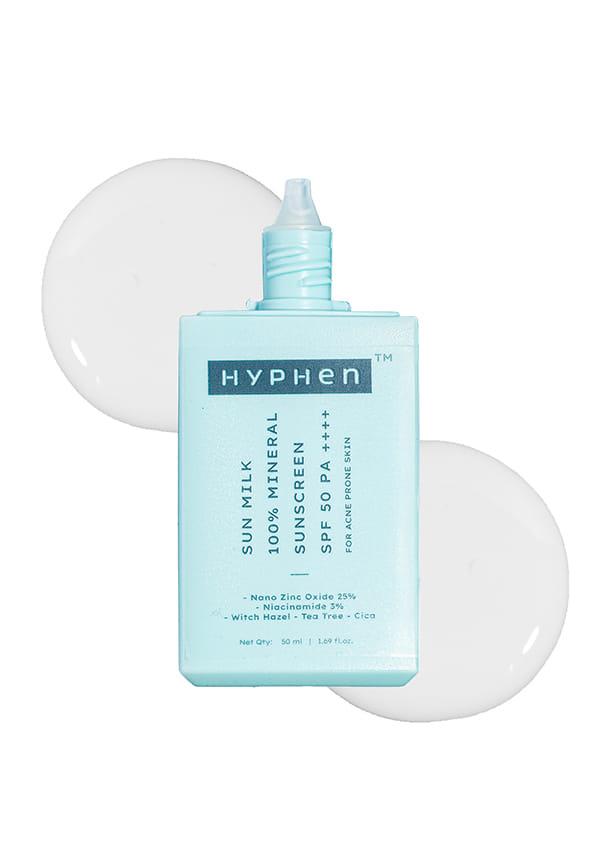 50 ml
50 mlSun Milk 100% Mineral Sunscreen SPF 50 PA++++ 25% Nano Zinc Oxide
Regardless of which type you choose, proper application is crucial. You need about a teaspoon of sunscreen for your face and neck, and most people use far less than this recommended amount. Reapplication every two hours is non-negotiable, especially if you're outdoors or sweating.
When layering with other skincare products, apply sunscreen as your final step before makeup. If you're using chemical sunscreen, give it those crucial 15-20 minutes to activate before sun exposure.
Neither is universally "better"—it depends on your skin type, lifestyle, and preferences. Mineral sunscreens are gentler and provide immediate protection, making them ideal for sensitive skin. Chemical sunscreens offer lightweight, invisible protection that works brilliantly for daily wear and under makeup.
Most dermatologists recommend mineral sunscreens for sensitive skin, children, and pregnant women due to their gentle nature. For others, they often suggest choosing based on what you'll actually use consistently, as both types provide effective protection when applied properly.
The healthiest sunscreen is one that provides broad-spectrum protection, suits your skin type, and that you'll use regularly. Both mineral and chemical formulations can be healthy choices when selected appropriately for your individual needs.
Yes, many people use different types for different occasions—mineral for sensitive days or beach trips, chemical for daily wear under makeup. Just avoid layering them together, as this can reduce effectiveness.
Mineral sunscreens are typically better for acne-prone skin as they're less likely to clog pores. Look for non-comedogenic formulations with zinc oxide, which also has anti-inflammatory properties.
The truth about the mineral vs chemical sunscreen debate is that there's no one-size-fits-all answer. Your perfect sunscreen depends on your skin type, lifestyle, environmental concerns, and personal preferences. The most important thing is finding one you'll use consistently—because the best sunscreen is the one that's actually on your skin.
Whether you choose the gentle, immediate protection of mineral formulas or the lightweight, invisible feel of chemical options, you're making a smart choice for your skin's health. And here's where it gets exciting—you don't have to commit to full-size bottles without knowing what works for you.
Smytten, India's largest product discovery platform, connects you with over 1,500 trusted brands including skincare favourites like Cetaphil and Dot & Key. With curated trial packs, you can explore different types of sunscreen through mini-sized products before committing to full-size purchases. Get up to 8 minis for just ₹249, plus enjoy 100% cashback on these trial purchases, redeemable for future orders. With over 25 million users and 100 million trial minis delivered, Smytten helps you make smarter, more confident choices about your skincare routine. After all, why settle for 'maybe' when you can try different sunscreen formulations and find your perfect match?
