How to Care for Sensitive Skin During Holi & Diwali in India


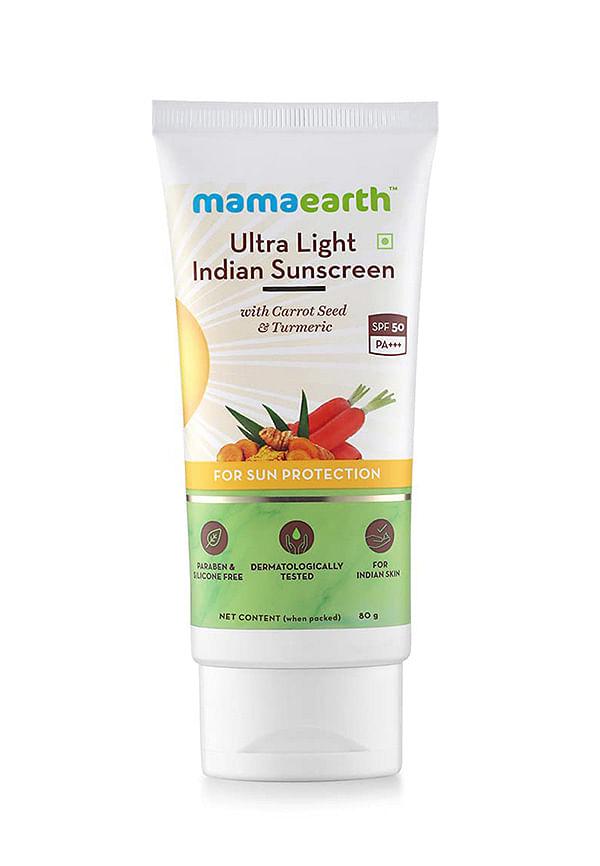
Ultra Light indian Sunscreen
Festival season brings joy, colours, and unfortunately for many of us, skin chaos. If you've ever watched friends slather on bright gulal during Holi or felt your face burn after a long Diwali celebration, you know exactly what we're talking about. Sensitive skin doesn't have to mean missing out on the festivities, but it does mean being a bit more thoughtful about protection and recovery.
Festival celebrations can be particularly challenging for sensitive skin types. During Holi, synthetic colours contain harsh chemicals like lead oxide, mercury sulphide, and industrial dyes that can trigger immediate reactions. Your skin might develop redness, burning sensations, or even blistering within hours of contact.
Diwali presents different but equally concerning challenges. The combination of increased pollution from fireworks, smoke exposure, heavy makeup for celebrations, and late nights can leave sensitive skin feeling raw and irritated. Many people notice their skin becoming drier, more reactive, and prone to breakouts during the festival season.
Temporary irritation typically includes mild redness, slight itching, or a tight feeling that resolves within 24-48 hours. However, allergic reactions are more serious and may involve severe swelling, persistent burning, or rashes that spread beyond the initial contact area. Understanding this difference helps you respond appropriately.
Your skin barrier is naturally more permeable, meaning harmful substances penetrate more easily. During festivals, when you're exposed to multiple irritants simultaneously, this vulnerability increases significantly. The good news? With proper preparation, you can enjoy celebrations without compromising your skin health.
Preparation is everything when it comes to Holi skincare. Start your protective routine at least 24 hours before playing with colours. This gives your skin time to build up its natural defences and ensures any products you apply have properly absorbed.
The most crucial step is creating a protective barrier. Coconut oil works brilliantly for most sensitive skin types because it's naturally antimicrobial and forms an excellent protective layer. Apply it generously to your face, neck, arms, and any exposed areas. Don't forget often-missed spots like behind your ears, between your fingers, and around your hairline.
Sesame oil is another excellent choice, particularly if you have very dry sensitive skin. It's been used traditionally in Ayurveda for its protective and nourishing properties. Olive oil can work too, though it may feel heavier on some skin types. Avoid mustard oil if you have sensitive skin, as it can be quite harsh.
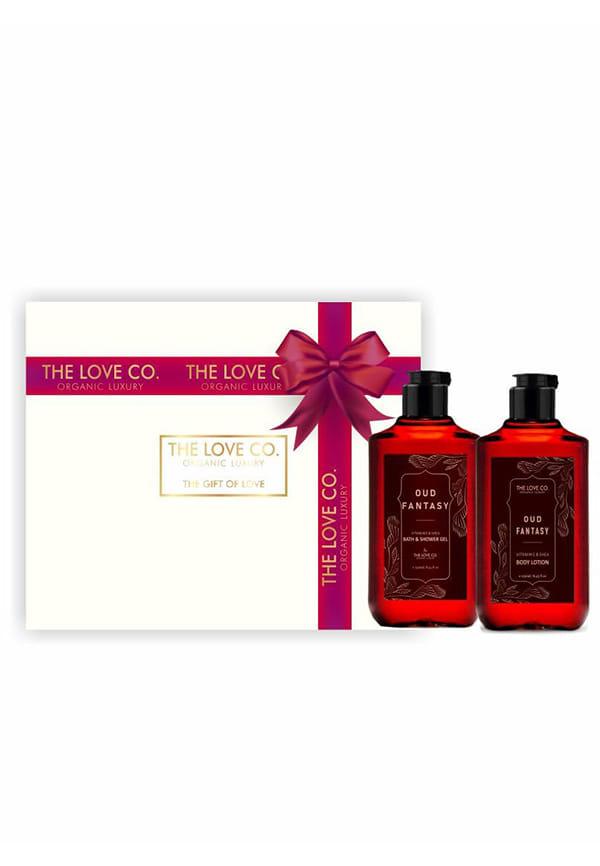
Oud Fantasy Body Care Diwali Hamper Gift
Your scalp is just as vulnerable as your facial skin. Apply oil from roots to tips, focusing on your hairline where colours tend to stain most stubbornly. This also makes colour removal much easier later. Consider wearing a cap or bandana for extra protection, especially if you have very sensitive skin that extends to your scalp.
Diwali skincare requires a different approach focused on pollution protection and maintaining skin hydration during the busy celebration period. The combination of increased air pollution from fireworks, late nights, and heavy makeup can overwhelm sensitive skin.
Start by strengthening your skin barrier in the weeks leading up to Diwali. Use a gentle, fragrance-free moisturiser twice daily and consider incorporating niacinamide into your routine. This ingredient helps strengthen the skin barrier and reduces sensitivity over time.
Traditional ayurvedic skincare offers excellent solutions for sensitive skin during festivals. A simple face pack made with sandalwood powder and rose water can help calm and protect your skin. Apply this 2-3 times in the week before Diwali to build up your skin's resilience.
When choosing makeup for Diwali celebrations, opt for products labelled as hypoallergenic or specifically designed for sensitive skin. Always do a patch test 24 hours before the celebration, especially with new products. Consider using a primer to create an additional barrier between your skin and makeup.
The way you remove colours can make or break your post-Holi skin health. Never scrub or use harsh soaps immediately after playing Holi. Instead, start with cool water to rinse off as much colour as possible without friction.
For stubborn colours, create a gentle removal paste using gram flour (besan) mixed with milk or yoghurt. This combination is mild enough for sensitive skin while being effective at lifting colours. Apply in gentle circular motions and rinse with cool water.
First, rinse with cool water for 2-3 minutes without rubbing. Then apply your oil-based cleanser or the besan mixture, working gently in circular motions. Rinse again and follow with a mild, pH-balanced cleanser if needed. Pat your skin dry with a clean towel rather than rubbing.
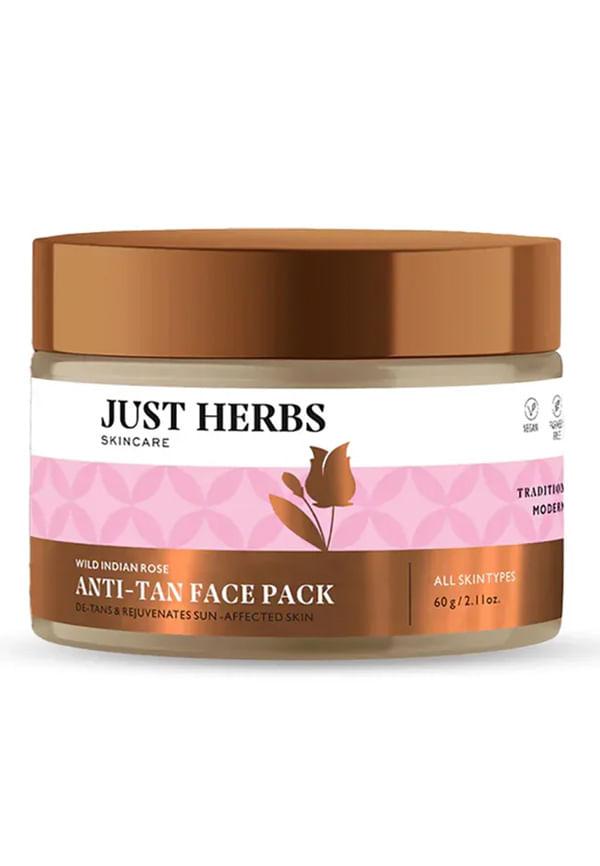
Wild Indian Rose Anti-Tan Face Pack
Within the first hour after colour removal, apply a soothing treatment. Aloe vera gel is excellent for immediate relief, or you can use a calamine lotion if you notice any irritation. Avoid any active ingredients like retinol or AHAs for at least 48 hours after Holi.
Natural skincare ingredients often work best for sensitive skin during festival season because they're less likely to cause additional irritation. Your kitchen probably contains several excellent soothing skin treatments.
Turmeric mixed with honey creates a powerful anti-inflammatory mask. Use just a pinch of turmeric to avoid staining, and apply for 10-15 minutes before rinsing with cool water. This combination helps reduce redness and provides gentle antibacterial protection.
Rose water can be used as a gentle toner throughout the festival season. Keep it in the refrigerator and apply with cotton pads for extra cooling relief. Cucumber slices or cold milk compresses also provide immediate soothing relief for irritated skin.
For redness relief, try a paste made from sandalwood powder and cold milk. This traditional remedy has been used for centuries to calm inflamed skin. Apply for 15-20 minutes and rinse with cool water. The cooling properties help reduce inflammation while sandalwood provides gentle antiseptic benefits.
Sometimes despite our best efforts, skin irritation can become more serious than expected. It's important to recognise when home remedies aren't enough and professional help is needed.
Mild irritation typically involves localised redness, slight itching, or a warm feeling that improves within 24 hours. However, if you experience severe swelling, blistering, widespread rashes, or symptoms that worsen after 48 hours, it's time to consult a dermatologist.
Keep a sensitive skin emergency kit ready during festival season. Include aloe vera gel, calamine lotion, cold compresses, and a gentle, fragrance-free moisturiser. Having antihistamines on hand can also help if you experience allergic reactions.
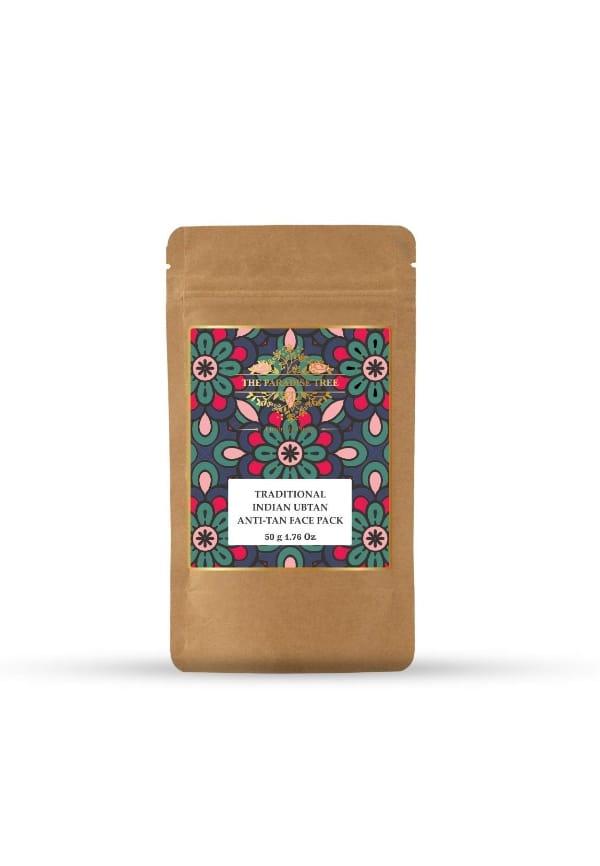
Traditional Indian Ubtan Anti Tan Face Pack
For immediate relief from severe irritation, rinse the affected area with cool water for several minutes. Apply a cold compress for 10-15 minutes to reduce inflammation. Avoid applying any oils or heavy creams until the acute irritation subsides, as these can sometimes trap heat and worsen the reaction.
For sensitive skin during Holi, apply a thick protective layer of coconut oil or petroleum jelly on all exposed areas including hairline, under eyes, neck creases, and elbows. Use only natural, herbal colours and avoid synthetic dyes completely. Keep your celebration time shorter and rinse off colours as soon as possible.
After Holi, immediately rinse with cool water, apply aloe vera gel or calamine lotion for 48 hours, and avoid active ingredients like retinol or AHAs. Focus on gentle cleansing and intensive moisturising. Use fragrance-free products and avoid sun exposure until your skin fully recovers.
Use soap-free, gentle cleansers, limit bathing to 5-10 minutes with lukewarm water, apply fragrance-free moisturisers frequently, and avoid harsh exfoliants. Stick to minimal, proven products during festival season and introduce new products only after celebrations end.
Coconut oil, sesame oil, or olive oil work best for sensitive skin before Holi. These create an effective barrier while being gentle and easily removable. Apply generously 30 minutes before playing with colours for maximum protection.
Festival celebrations don't have to be a source of skin stress when you're prepared. The key is understanding your skin's needs and planning accordingly. Whether you're protecting against Holi colours or managing Diwali pollution, gentle preparation and mindful recovery make all the difference.
Remember that sensitive skin varies from person to person. What works for your friend might not work for you, so always patch test new products and listen to your skin's signals. Building a routine around gentle skincare products and natural remedies often provides the best results for sensitive skin types.
If you're looking to explore new gentle skincare options for sensitive skin, platforms like Smytten offer curated selections from trusted brands, letting you discover products that work for your unique skin needs. With access to minis from brands known for their sensitive skin formulations, you can test before committing to full-size products. After all, your skin deserves products that celebrate it, not irritate it.
