How to Calm Sensitive Skin and Reduce Redness Fast


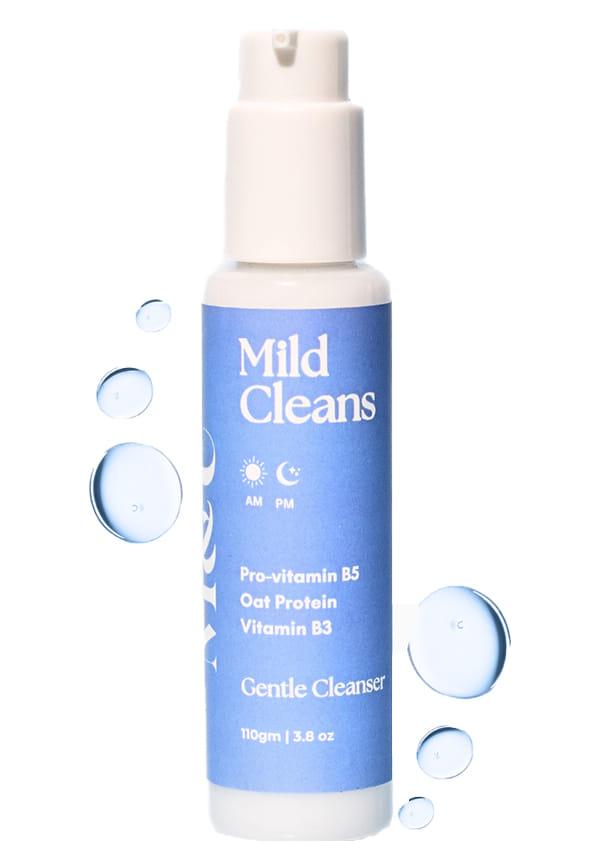 110 ml
Mild Cleanse Gentle Cleanser for Sensitive Skin
Let's be real—dealing with sensitive skin and redness relief can feel like walking through a minefield. One wrong product, a sudden weather change, or even stress from work can leave your face looking like you've been sunbathing without SPF. If you're tired of your skin throwing tantrums at the slightest provocation, you're definitely not alone. The good news? There are proven ways to calm your reactive skin and reduce that stubborn redness without breaking the bank or your skincare routine.
Before diving into solutions, it helps to understand what's actually happening when your skin decides to go rouge (literally). Skin sensitivity isn't just about having delicate skin—it's your skin's way of telling you that its protective barrier is compromised or overwhelmed.
Your skin can react to more things than you might expect. Environmental triggers like sudden temperature changes, pollution, and UV exposure are major culprits. When the weather shifts from hot to cold or when you're exposed to city smog, your skin barrier weakens, making it more prone to skin irritation. Stress and hormonal fluctuations also play a massive role. When cortisol levels spike, your skin's natural defences drop, leaving it vulnerable to inflammation. Product ingredients are another common trigger—fragrances, harsh chemicals, and even some natural oils can cause immediate reactions in sensitive skin types.
Recognising the warning signs early can save you from weeks of dealing with angry, red skin. Persistent redness and inflammation that doesn't calm down within a few hours is a clear indicator. If you experience burning, stinging, or itching sensations when applying products, your skin is essentially screaming for gentler treatment. Skin that reacts to new products immediately—sometimes within minutes of application—is another telltale sign. You might also notice visible blood vessels or broken capillaries, especially around your nose and cheeks, which indicates ongoing inflammation.
When your skin is having a moment, you need fast-acting solutions that won't make things worse. The key is to think of your skin like it's having an allergic reaction—gentle, cooling, and minimal intervention is your best bet.
The first thing to do when dealing with sudden redness is to apply a cold compress. Wrap ice cubes in a clean cloth and gently press against the affected area for 10-15 minutes. This helps constrict blood vessels and reduce immediate inflammation. Gentle cleansing with lukewarm water can help remove any irritating substances from your skin's surface. Avoid hot water at all costs—it'll only make the redness worse. If you've just applied a new product, remove it immediately with a gentle, fragrance-free cleanser.
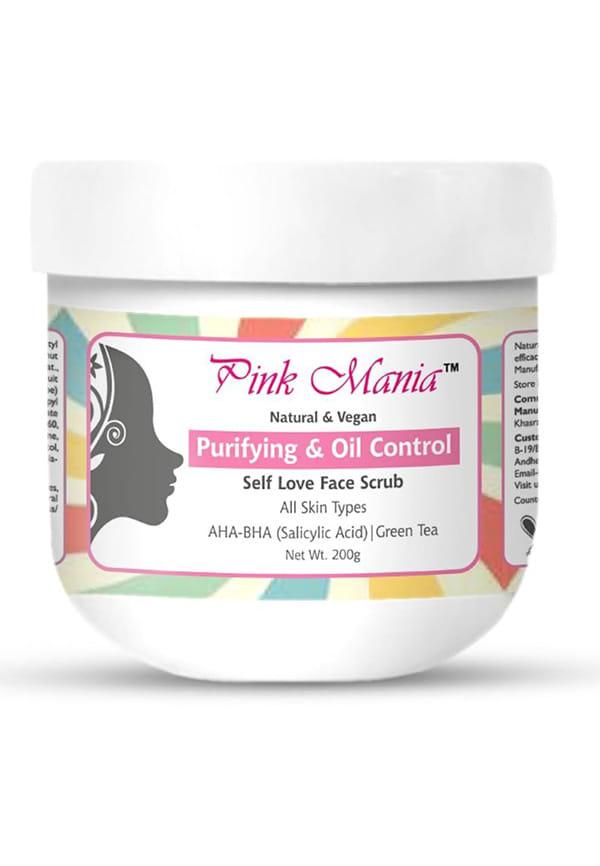 200 gm
Pink Mania AHA BHA Purifying & Oil Control Face Scrubb With Turmeric & Green Tea
Aloe vera gel straight from the plant (or a pure, preservative-free version) can provide instant cooling relief. Keep it in the fridge for an extra soothing effect. The anti-inflammatory properties help calm irritated skin within minutes. Colloidal oatmeal masks are brilliant for soothing skincare. Mix finely ground oats with cool water to create a paste, apply for 10-15 minutes, then rinse gently. Chamomile tea compresses work similarly—brew a strong cup, let it cool, soak a clean cloth, and apply to red areas.
Not all skincare ingredients are created equal, especially when you're dealing with reactive skin. Some ingredients are absolute heroes for calming skin, while others should be avoided at all costs.
Niacinamide (Vitamin B3) is probably the most versatile ingredient for sensitive skin. It reduces inflammation, strengthens your skin barrier, and helps regulate oil production without irritation. Start with a 5% concentration and work your way up. Allantoin is a gentle ingredient that promotes healing and soothes irritation. It's derived from plants and is incredibly well-tolerated, even by the most reactive skin types. Ceramides are essential for restoring and maintaining your skin barrier function. When your barrier is strong, your skin is less likely to react to environmental triggers. Centella Asiatica has been used in traditional medicine for centuries. Its natural anti-inflammatory properties make it perfect for reducing redness and promoting healing.
Azelaic acid is particularly effective for rosacea treatment and general redness reduction. Unlike other acids, it's anti-inflammatory rather than irritating, making it suitable for sensitive skin. Licorice extract offers both brightening and calming properties. It helps fade post-inflammatory hyperpigmentation while reducing current redness. Caffeine isn't just for your morning coffee—when applied topically, it helps constrict blood vessels and reduce visible redness. Green tea extract provides antioxidant protection while calming inflammation.
Creating a routine for sensitive skin is all about consistency and simplicity. Less is definitely more when your skin is prone to reactions.
Start with a gentle cleanser that doesn't strip your skin. Look for cream or lotion cleansers without sulfates or fragrances. Cleanse with lukewarm water and pat (don't rub) your skin dry. Apply a lightweight, fragrance-free moisturiser while your skin is still slightly damp. This helps lock in hydration and strengthens your skin barrier throughout the day. Mineral sunscreen with SPF 30 or higher is non-negotiable. Chemical sunscreens can be irritating, so stick to zinc oxide or titanium dioxide formulations.
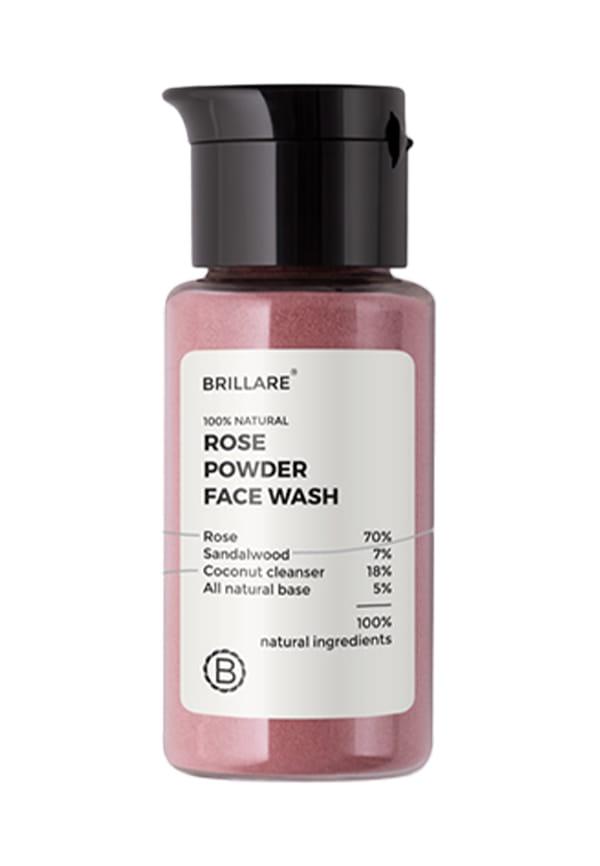 15 gm
15 gmRose Powder Face Wash For youthful Skin
Double cleansing can be beneficial for sensitive skin if done gently. Start with a cleansing oil to remove makeup and sunscreen, followed by your gentle cream cleanser. This is when you'd introduce treatment serums for redness relief. Apply niacinamide or centella asiatica serums to clean skin, followed by a heavier night moisturiser. Weekly gentle exfoliation with a soft washcloth or very mild enzyme exfoliant can help, but avoid anything with beads or harsh scrubbing motions.
Sometimes, despite your best efforts with gentle skincare, you might need professional intervention. Knowing when to seek help can save you months of frustration.
If your redness persists despite consistent gentle care for 6-8 weeks, it's time to see a professional. Symptoms that affect your quality of life—like burning, stinging, or visible broken capillaries—warrant medical attention. Suspected rosacea or other skin conditions need proper diagnosis. What you think is sensitive skin might actually be an underlying condition that requires specific treatment.
Prescription topical treatments like metronidazole gel or azelaic acid in higher concentrations can be game-changers for persistent redness. Laser therapy and IPL (Intense Pulsed Light) treatments can address broken capillaries and persistent redness that doesn't respond to topical treatments. These procedures target blood vessels directly, reducing visible redness over several sessions.
Your skincare routine is just one piece of the puzzle. Environmental and lifestyle factors play a huge role in managing skin sensitivity.
Indoor air quality matters more than you might think. Dry air from heating or air conditioning can worsen sensitivity. Consider using a humidifier, especially during winter months. Seasonal adjustments to your routine are crucial. Your skin needs different levels of moisture and protection depending on the weather. What works in summer might be too light for winter.
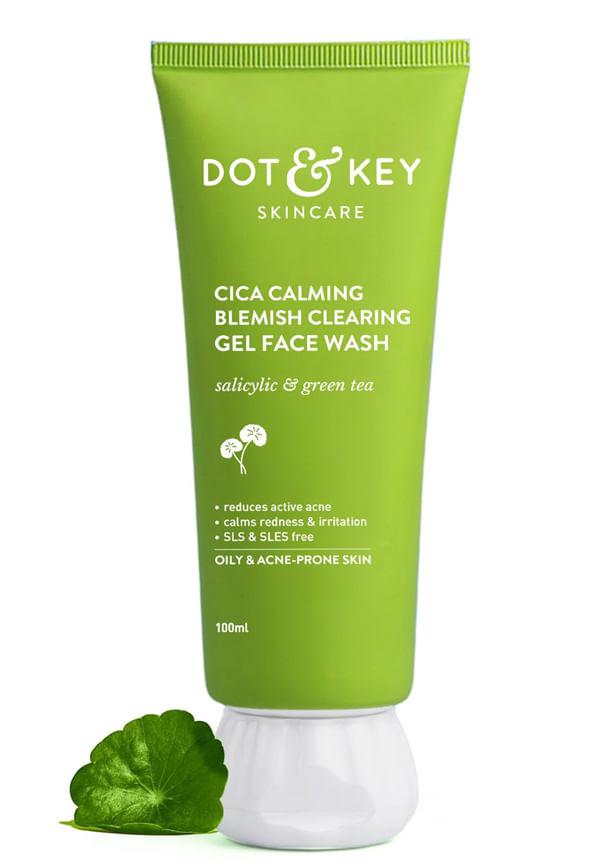 100 ml
Cica 2% Salicylic Acid Face Wash For Oily, Acne Prone Skin, With Green Tea
Anti-inflammatory foods like fatty fish, leafy greens, and berries can help reduce overall inflammation in your body, including your skin. Avoiding known triggers like spicy foods, alcohol, and excessive caffeine can also help. Stress management isn't just good for your mental health—it's essential for your skin. High cortisol levels directly impact your skin barrier function. Regular exercise, adequate sleep, and stress-reduction techniques all contribute to calmer skin. When it comes to finding the right products for your sensitive skin journey, Smytten makes it incredibly easy to discover what works without the commitment. With trial packs from trusted brands like Cetaphil and Dot & Key, you can test anti-redness cream formulations and soothing serums before investing in full sizes. Getting up to 8 minis for just ₹249 means you can build your perfect gentle routine without the fear of wasting money on products that might not work for your unique skin needs.
Skin sensitivity and redness often result from a compromised skin barrier. Environmental factors like weather changes, stress-induced hormonal fluctuations, or exposure to irritating ingredients in skincare products can trigger these reactions. Your skin's natural defence system becomes weakened, making it more reactive to everyday triggers.
Start by removing any potential irritants and cleansing gently with lukewarm water. Apply a cool compress for 10-15 minutes, followed by a fragrance-free moisturiser. Avoid any active ingredients or new products until the irritation subsides. If the reaction is severe, consider taking an antihistamine.
Focus on identifying and avoiding your triggers first. Use mild, fragrance-free cleansers with lukewarm water, apply natural soothing ingredients like pure aloe vera or colloidal oatmeal, and maintain a simple skincare routine. Consistency with gentle products is more effective than constantly trying new treatments.
Steer clear of fragrances, alcohol-based products, harsh sulfates, essential oils, and strong actives like high-concentration retinoids or alpha hydroxy acids until your skin barrier is stronger. Even some natural ingredients like lemon or peppermint oil can be highly irritating.
With consistent gentle care, you might notice reduced redness within 1-2 weeks. However, complete skin barrier repair and significant sensitivity improvement typically takes 4-6 weeks of dedicated gentle skincare. Patience is key—rushing the process often leads to setbacks.
Managing sensitive skin and redness relief is absolutely achievable with the right approach and patience. The key is understanding that your skin needs consistent, gentle care rather than aggressive treatments. Start with identifying your triggers, build a simple routine with proven calming ingredients, and don't be afraid to seek professional help when needed. Remember, what works for your friend's sensitive skin might not work for yours—and that's completely normal. With platforms like Smytten, you can explore different gentle formulations from over 1,500 trusted brands without the financial risk. Whether you're dealing with occasional redness or chronic sensitivity, the right combination of products, lifestyle adjustments, and professional guidance when needed will help you achieve the calm, comfortable skin you deserve. After all, why settle for irritated skin when you can discover exactly what your skin loves?
