How to Buy the Best Face Scrub Ingredients

Creating your own face scrub at home has become quite the trend, and honestly, it's brilliant. You get to control exactly what goes on your skin, save some cash, and have a bit of fun experimenting. But here's the thing—knowing where to buy face scrub ingredients and what to look for can feel overwhelming when you're starting out. Whether you're after gentle natural scrub ingredients or more potent exfoliating scrub components, getting the sourcing right makes all the difference between a spa-worthy scrub and something that might irritate your skin. Let's break down everything you need to know about finding quality DIY face scrub materials that actually work.
Before you start shopping, it's worth understanding what makes a face scrub actually effective. Think of it like baking—you need the right ingredients in the right proportions to get that perfect result.
The star of any homemade facial scrub supplies collection is your exfoliating agent. Sugar is probably your best mate here—it's gentle, dissolves gradually, and won't scratch your skin like some harsher options might. Brown sugar works beautifully for sensitive skin, whilst white sugar gives a bit more oomph for tougher areas.
Salt can be brilliant too, but stick to fine sea salt rather than table salt. Ground oats are another winner, especially if your skin tends to get irritated easily. They're naturally soothing and perfect for daily use. Coffee grounds might sound tempting (and smell amazing), but they can be quite harsh, so save them for body scrubs rather than your delicate facial skin.
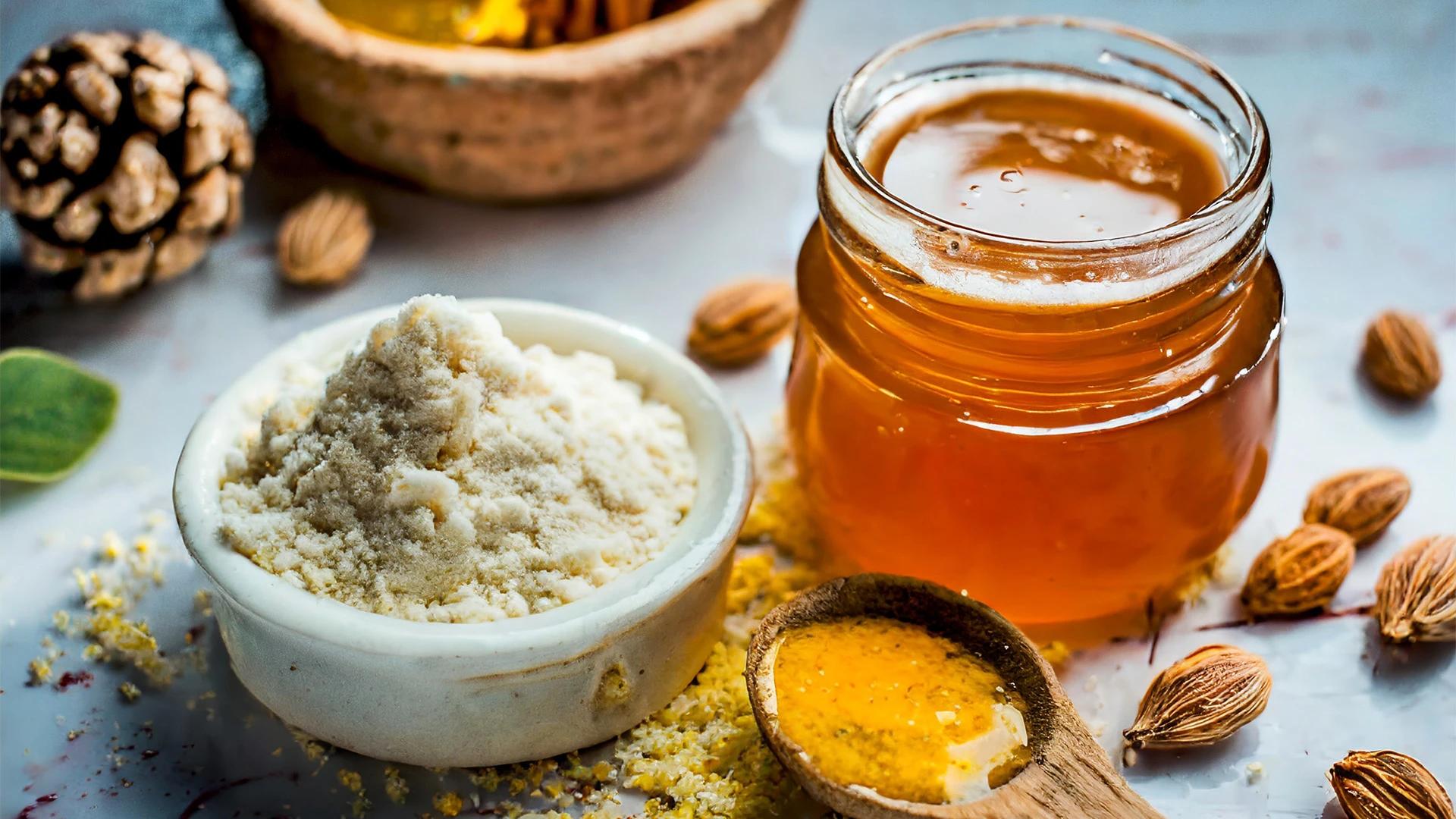
Your face scrub base is what holds everything together and delivers the good stuff to your skin. Honey is absolutely gorgeous for this—it's naturally antibacterial, hydrating, and works with pretty much any skin type. Plus, it makes your scrub smell divine.
For oily skin, try yoghurt or clay-based foundations. They help absorb excess oil whilst still being gentle. If you've got dry skin, coconut oil or sweet almond oil make excellent carriers. They'll exfoliate and moisturise at the same time, which is exactly what parched skin needs.
Real talk—natural scrub ingredients aren't automatically better than synthetic ones, but they often are gentler and more sustainable. Natural ingredients like fruit enzymes (think papaya or pineapple) offer chemical exfoliation alongside physical scrubbing, which can be incredibly effective.
Synthetic exfoliating agent for skin options like jojoba beads are consistent in size and shape, which means predictable results. They're also biodegradable, unlike those awful microbeads that were banned for good reason. The choice really comes down to your skin's needs and your personal preferences.
Now for the fun part—actually finding these ingredients without breaking the bank or ending up with subpar materials that don't deliver results.
Honestly, online is where you'll find the best selection of scrub additives for skincare. Websites specialising in cosmetic ingredients often have everything you need in one place, plus they usually provide detailed information about each ingredient's properties and recommended usage rates.
Look for suppliers that offer certificates of analysis (COA) with their products. This tells you exactly what you're getting and confirms the purity levels. Many also offer sample sizes, which is brilliant when you're experimenting with new facial cleanser components.
Don't overlook your local health food shops and pharmacies. They often stock basic ingredients like glycerine, various oils, and sometimes even specialised items like kaolin clay or rose water. The advantage here is immediate availability—no waiting for deliveries when inspiration strikes.
Pharmacies are particularly good for ingredients like glycolic acid or salicylic acid if you want to add chemical exfoliation to your mix. Just make sure you understand proper dilution rates before diving in.
Joining online communities focused on DIY skincare can open doors to group buying opportunities. Many ingredients come in larger quantities than most people need, so splitting orders with fellow DIY enthusiasts can save serious money whilst ensuring everyone gets fresh supplies.
Not all ingredients are created equal, and knowing what to look for can save you from disappointing results and potential skin reactions.
When you're looking at skin polishing ingredients, purity matters more than you might think. A 99% pure ingredient will perform very differently from one that's 70% pure with various fillers. Always check the ingredient list and look for INCI names (International Nomenclature of Cosmetic Ingredients) rather than marketing names.
Organic certification can be worth paying extra for, especially with plant-based ingredients. It ensures you're not getting pesticide residues or other nasties that could irritate your skin. However, don't assume organic automatically means better—sometimes conventionally grown ingredients are perfectly fine and significantly cheaper.
The size of your exfoliating particles directly affects how gentle or intense your scrub will be. For facial use, you want particles between 200-500 microns. Anything larger can cause micro-tears in your skin, whilst anything smaller might not provide enough exfoliation to be worth the effort.
Sugar naturally varies in crystal size, so if you're buying it specifically for scrubs, look for suppliers who specify the mesh size. Fine mesh (around 30-40) works beautifully for facial scrubs.
Fresh ingredients simply work better. Oils can go rancid, dried herbs lose potency, and even stable ingredients like clays can absorb moisture and odours over time. Check expiration dates religiously, and when possible, buy from suppliers with high turnover to ensure you're getting recently manufactured products.
Creating effective homemade facial scrub supplies doesn't have to cost a fortune, but it does require some strategic thinking about when and how much to buy.
Buying larger quantities usually offers better per-unit pricing, but only if you'll actually use everything before it expires. Stable ingredients like clays, salts, and some oils are perfect for bulk buying. More delicate items like fresh botanicals or vitamin-rich oils are better purchased in smaller amounts more frequently.
Calculate the cost per gram or ounce to compare prices accurately. Sometimes that "bulk" package isn't actually better value once you do the maths.
Many best ingredients for face scrub formulations follow seasonal pricing patterns. Essential oils are often cheaper right after harvest season, whilst synthetic ingredients might see sales during slower retail periods like January or September.
Stock up on stable ingredients during sales, but remember that storage space and shelf life need to factor into your calculations. There's no point saving ₹500 on ingredients if half of them expire before you use them.
Smart shoppers focus on ingredients that work across multiple formulations. Honey, for example, works in scrubs, masks, and cleansers. Jojoba oil is brilliant in scrubs but also makes an excellent makeup remover and moisturiser. This approach reduces your initial investment whilst giving you more flexibility to experiment.
Your skin type should absolutely influence which exfoliating scrub components you prioritise. What works brilliantly for oily skin might be too harsh for sensitive types, and what's perfect for dry skin might not provide enough cleansing power for oilier complexions.
If your skin tends to react to everything, stick with the gentlest natural scrub ingredients available. Finely ground oats are your best friend here—they're naturally anti-inflammatory and provide very mild exfoliation. Honey makes an excellent base because it's naturally antibacterial without being harsh.
Avoid anything with strong fragrances, essential oils (unless you've tested them individually), or large particle sizes. Rice flour can work beautifully as an alternative to traditional scrubbing agents—it's incredibly fine and gentle whilst still providing effective exfoliation.
Oily skin can handle more intensive exfoliating agent for skin options. Salt-based scrubs work brilliantly because salt naturally helps control oil production. Clay-based foundations are excellent for absorbing excess sebum whilst you scrub.
Consider adding ingredients with natural antibacterial properties like tea tree oil (properly diluted) or green tea extract. These help address the bacterial component of acne whilst you're mechanically clearing out pores.
Dry skin needs facial cleanser components that exfoliate without stripping away precious moisture. Oil-based scrubs work beautifully here—think brown sugar mixed with nourishing oils like argan or rosehip.
Ingredients with natural humectant properties, like glycerine or hyaluronic acid, can help your scrub actually add moisture whilst it exfoliates. This is particularly important for mature skin that might be dealing with both dryness and the need for more intensive exfoliation to address texture issues.
Proper storage can dramatically extend the life of your DIY face scrub materials, protecting both your investment and ensuring your scrubs remain effective and safe to use.
Most scrub additives for skincare prefer cool, dark, and dry conditions. A dedicated storage area away from bathroom humidity is ideal. Oils are particularly sensitive to light and heat, so dark glass bottles stored in cool areas will keep them fresh much longer.
Some ingredients, like certain fruit enzymes or vitamin C powder, actually benefit from refrigerator storage. Just make sure they're in airtight containers to prevent moisture absorption and odour transfer.
Glass containers are generally your best bet for storing most ingredients. They don't absorb odours, are easy to clean thoroughly, and don't react with acidic or alkaline ingredients. For ingredients you use frequently, wide-mouth jars make access much easier.
Plastic can work for some ingredients, but make sure it's food-grade and appropriate for the specific ingredient. Some essential oils can actually dissolve certain plastics over time, which is definitely not what you want in your skincare routine.
Creating your own skin polishing ingredients blends is generally safe, but there are some important guidelines that can prevent problems before they start.
Some combinations can be problematic or even dangerous. Mixing acids with certain oils can cause unexpected reactions, and some essential oils become photosensitising when combined with citrus ingredients. Always research new combinations before mixing, and keep detailed notes about what works and what doesn't.
Patch testing isn't just for sensitive skin—it's smart practice for everyone. Test any new combination on a small area of skin and wait 24 hours before using it on your face.
Clean tools and containers are absolutely essential when working with homemade facial scrub supplies. Bacterial contamination can turn your lovely scrub into a skin problem waiting to happen. Sanitise everything with rubbing alcohol before use, and consider making smaller batches more frequently rather than large batches that sit around for weeks.
While you're exploring DIY options, it's worth noting that platforms like Smytten offer an excellent way to try professionally formulated scrubs from trusted brands before committing to full sizes. With over 1,500 brands available and trial packs starting from just ₹249, you can discover what works for your skin whilst you're perfecting your homemade formulations. Sometimes the best approach combines the creativity of DIY with the reliability of tested products.
Sugar and finely ground oats offer excellent value and gentleness for new DIY formulators. They're readily available, affordable, and work well with most skin types. Start with these before investing in more specialised ingredients.
Look for suppliers who provide certificates of analysis (COA), read verified customer reviews, and start with small quantities from reputable suppliers. Check for proper packaging and clear labelling with INCI names rather than just marketing terms.
Most dry ingredients like clays and salts last 1-2 years when properly stored, whilst oils typically maintain quality for 6-12 months. Always check individual ingredient specifications and store according to manufacturer recommendations.
Price doesn't always indicate quality. Focus on purity levels, source reputation, and suitability for your specific skin needs. Sometimes a basic ingredient from a reliable supplier outperforms an expensive alternative with questionable sourcing.
Yes, but maintain similar particle sizes and pH levels when substituting. Always patch test new combinations before full application, and keep notes about what works for future reference.
Learning how to buy face scrub ingredients effectively opens up a world of customised skincare possibilities. The key is starting simple, focusing on quality over quantity, and building your knowledge gradually. Whether you're sourcing gentle natural scrub ingredients for sensitive skin or more intensive exfoliating scrub components for tougher concerns, the right ingredients make all the difference.
Remember that creating effective skincare is part science, part art, and part patience. Don't expect to nail the perfect formulation immediately—it takes time to understand how different ingredients work together and how your skin responds to various combinations. Keep detailed notes, start with small batches, and always prioritise safety over experimentation.
While you're perfecting your DIY skills, platforms like Smytten make it easy to explore professionally formulated options from brands like Cetaphil, Dot & Key, and others. With trial packs available across 27,000+ pincodes and 100% cashback on mini purchases, you can discover what works whilst building your ingredient knowledge. After all, the goal is finding what makes your skin happy—whether that's a homemade creation or a perfectly formulated product from a trusted brand.
