Skincare
•08 min read

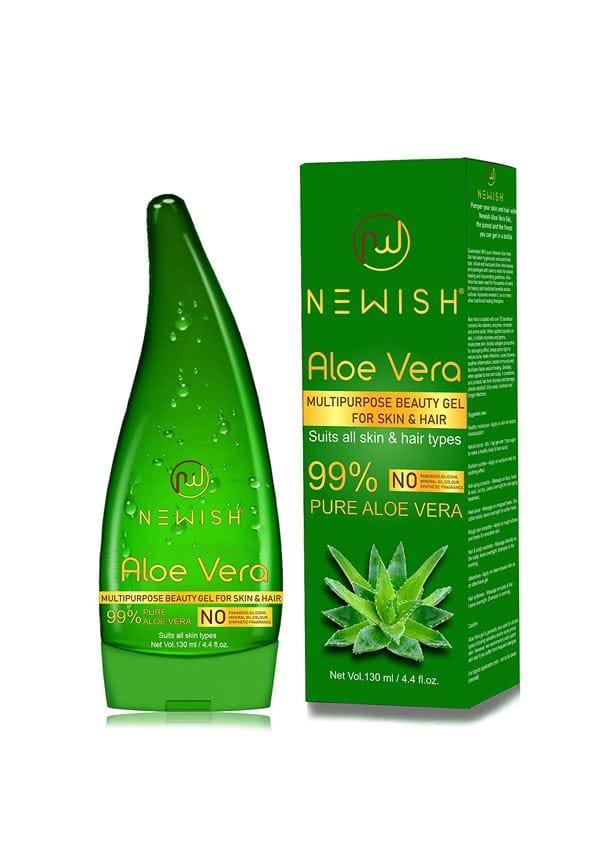 130 ml
Pure Aloe Vera Gel For Face Glow, Hair Growth & Skin Moisturizer For Women & Men
Let's be real—when you're scrolling through endless aloe vera gel options online, it can feel like you're drowning in choices. One promises 99% pure aloe, another claims to be organic, and yet another boasts about being the ultimate skin soothing gel. But here's the thing: not all aloe gels are created equal, and knowing how to buy aloe vera gel that actually works can save your skin (literally) and your wallet. Whether you're after sunburn relief, daily natural skincare, or just want to try something new for your face, this guide will help you navigate the online shopping maze and find your perfect match.
Before you hit that 'add to cart' button, you need to know what separates the good stuff from the watery imposters. Quality aloe vera gel isn't just about the brand name or fancy packaging—it's about what's actually inside that bottle.
Here's where things get interesting. When you see "aloe vera gel" on a label, it doesn't automatically mean you're getting pure aloe vera. Many products contain as little as 10-20% actual aloe, with the rest being water, thickeners, and fillers.
Look for products that list aloe vera as the first ingredient and specify the concentration—ideally 90% or higher. Pure aloe vera gel should have a slightly thick, clear to slightly cloudy consistency. If it's completely transparent and feels like water, you're probably looking at a heavily diluted product.
Real talk: aloe vera isn't just trendy—it's backed by science. The plant contains over 75 active compounds, including vitamins, minerals, and amino acids that make it a powerhouse for natural skincare.
The magic happens with compounds like acemannan, which helps with healing, and polysaccharides that provide that lovely skin-soothing effect. Whether you're dealing with sunburn, minor cuts, or just want to add some hydration to your routine, quality aloe gel delivers anti-inflammatory and moisturising benefits that your skin will actually notice.
Shopping for aloe vera gel online means you can't touch, smell, or test the product first. But don't worry—there are plenty of ways to spot the winners from the comfort of your sofa.
The organic aloe vera debate is real, and honestly, it might be worth the extra few pounds. Organic certification means the aloe plants were grown without synthetic pesticides, herbicides, or fertilisers—which is pretty important when you're putting this stuff on your face.
Conventional aloe can contain residues from farming chemicals, and whilst the amounts are typically small, your skin might be more sensitive than you think. Plus, organic farming practices often result in higher concentrations of beneficial compounds. Yes, you'll pay a bit more, but your skin (and the planet) will thank you.
When you buy aloe vera gel online, pay attention to how brands describe the texture. Aloe gel should feel slightly sticky when fresh—that's the natural polysaccharides at work. If a product promises to be "non-sticky" or "fast-absorbing," it's likely been processed heavily or diluted.
Avoid products that mention being "crystal clear" unless they specify minimal processing. Natural aloe has a slightly cloudy appearance, and whilst processing can make it clearer, it often removes beneficial compounds in the process.
Here's something most people don't think about: aloe vera is sensitive to light and heat. Quality brands package their products in dark or opaque containers to protect the active compounds from UV damage.
Pump bottles are generally better than jars because they minimise air exposure and contamination. Some pure aloe vera products need refrigeration—this isn't a hassle, it's actually a good sign that you're getting something close to the real deal.
The best aloe vera products often include complementary ingredients that enhance the natural benefits without overwhelming the formula. Knowing what to look for can help you find products that work even better than plain aloe.
Some ingredients play beautifully with aloe vera. Vitamin E acts as a natural preservative whilst adding antioxidant benefits. Hyaluronic acid pairs brilliantly with aloe for extra hydration—think of it as the ultimate moisture-boosting duo.
Other winners include cucumber extract for additional cooling effects, chamomile for extra soothing power, and green tea extract for antioxidant protection. These additions can make your aloe vera skin care routine even more effective.
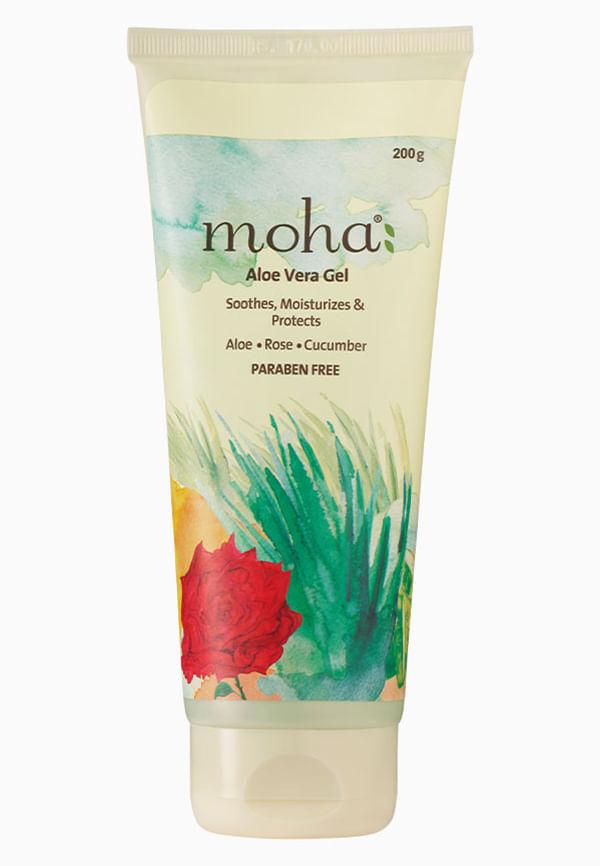 200 ml
Aloe Vera Gel
On the flip side, some ingredients can actually counteract aloe's benefits. Alcohol-based formulations might feel cooling initially, but they can dry out your skin—the opposite of what you want from a skin soothing gel.
Synthetic fragrances, parabens, and sulphates don't belong in quality aloe products. If you see a long list of unpronounceable chemicals, especially near the top of the ingredient list, keep scrolling. The best products keep things simple and let the aloe do the talking.
One of the brilliant things about quality aloe vera gel is its versatility. Whether you're building a natural skincare routine or need emergency sunburn relief, knowing how to use it properly makes all the difference.
Using aloe vera for face care is where this ingredient really shines. It's gentle enough for daily use but effective enough to tackle specific concerns. For acne-prone skin, aloe's anti-inflammatory properties can help reduce redness and irritation without clogging pores.
Apply a thin layer after cleansing but before heavier moisturisers or oils. The lightweight texture makes it perfect for layering, and it won't leave your skin feeling greasy or heavy. Some people even use it as a makeup primer—the natural film it creates can help foundation glide on smoothly.
This is probably what aloe vera is most famous for, and for good reason. For sunburn relief, store your aloe gel in the fridge—the cooling sensation provides immediate comfort whilst the healing compounds get to work.
Apply generously to affected areas and reapply every few hours. Don't rub it in aggressively; gentle patting motions work best on sensitive, burned skin. For severe sunburn with blistering or fever, though, see a healthcare professional—aloe is brilliant, but it's not magic.
Beyond sunburn, aloe gel works wonders for minor cuts, insect bites, and general skin irritation. It's also fantastic for post-shave care—both for faces and legs. The anti-inflammatory properties help prevent razor burn whilst the moisturising effects keep skin smooth.
For eczema or dermatitis, aloe can provide temporary relief, but always patch test first and consult with a dermatologist for ongoing skin conditions.
Shopping online means you need to be a bit of a detective. The good news is that with the right approach, you can spot quality products and trustworthy sellers from miles away.
Start with established retailers that have clear return policies and customer service contact information. Authorised brand distributors are generally safer bets than random third-party sellers, especially for skincare products.
Look for sellers who provide detailed product information, including full ingredient lists and usage instructions. If a seller can't or won't provide basic product details, that's a red flag worth paying attention to.
Reviews can be goldmines of information, but you need to read between the lines. Look for detailed reviews that mention specific uses, skin types, and results. Be wary of overly generic positive reviews or anything that sounds like marketing copy.
Pay special attention to negative reviews—they often reveal important details about texture, scent, or effectiveness that glowing reviews might skip. If multiple people mention the same issue, take note.
When you buy aloe vera gel, price isn't everything, but it can be telling. Extremely cheap products are often heavily diluted, whilst overpriced ones might be banking on fancy packaging rather than quality ingredients.
Compare prices per 100ml to get a fair assessment. Sometimes buying larger sizes offers better value, but only if you'll actually use the product before it expires. Fresh aloe gel typically lasts 6-12 months once opened.
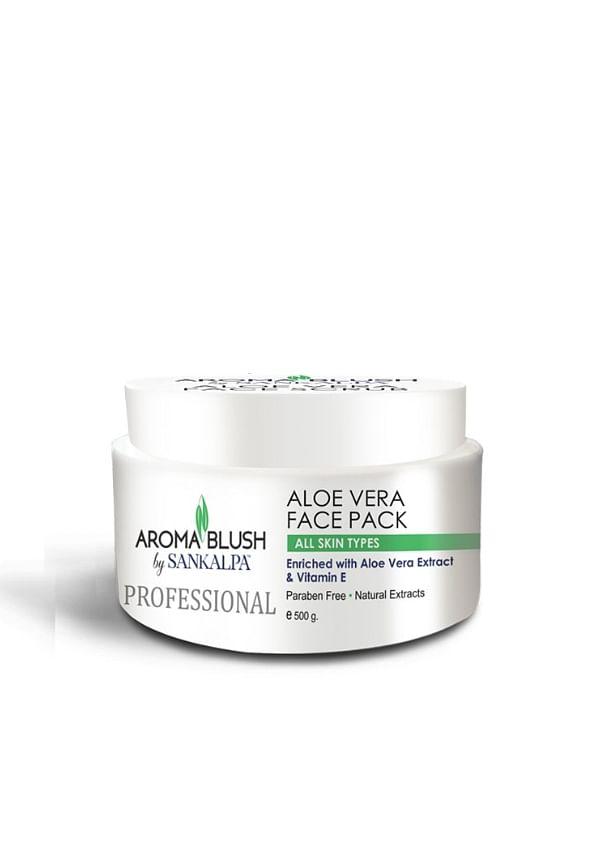 500 gm
Aloe Vera Face Pack
Getting the most out of your aloe vera gel isn't just about buying the right product—it's also about storing and using it properly. These simple tips can extend its life and effectiveness significantly.
Most aloe vera gels are happy at room temperature, but storing them in the fridge can extend their life and provide extra cooling benefits. Keep them away from direct sunlight and heat sources—your bathroom windowsill isn't ideal if it gets hot and steamy.
Always use clean hands or a clean spatula when scooping product from jars. Contamination is one of the quickest ways to ruin a good product. If your aloe gel changes colour, develops an off smell, or separates significantly, it's time to bin it.
Clean skin absorbs aloe vera gel better, so apply it after cleansing but before heavier products. A little goes a long way—start with a small amount and build up if needed. For facial use, avoid the immediate eye area unless the product specifically states it's safe for that delicate skin.
If you're using aloe gel with other skincare products, apply it before oils or heavy moisturisers but after water-based serums. This layering technique helps each product absorb properly without creating a sticky mess.
Check the ingredient list—aloe should be the first ingredient, ideally at 90% concentration or higher. Pure aloe vera gel has a slightly thick, clear to cloudy consistency and may feel slightly sticky when fresh. Avoid products that are completely transparent and watery, as these are likely heavily diluted.
Generally, yes. Organic certification ensures the aloe was grown without synthetic pesticides or chemicals, which is important for skincare products. Organic farming often results in higher concentrations of beneficial compounds, making it worth the extra investment for your skin's health.
Absolutely. Most aloe vera gels last 6-12 months once opened when stored properly. Signs of spoilage include colour changes, off smells, or significant separation. Always check expiration dates and store products according to manufacturer instructions.
Yes, quality aloe vera gel is gentle enough for daily facial use. It's particularly good for sensitive or acne-prone skin due to its anti-inflammatory properties. Start with once daily to see how your skin responds, then adjust frequency as needed.
Apply a generous layer to cover the affected area completely. Don't rub it in aggressively—gentle patting motions work best on sensitive, burned skin. Reapply every 2-3 hours or as needed for continued relief. Store the gel in the fridge for extra cooling benefits.
Aloe vera gel is thicker and designed for topical use on skin, whilst aloe juice is typically thinner and may be formulated for internal consumption. For skincare purposes, stick with products specifically labelled as gels or topical treatments.
Finding the right aloe vera gel online doesn't have to be overwhelming once you know what to look for. Focus on products with high aloe concentrations, minimal unnecessary additives, and proper packaging. Whether you're after sunburn relief, daily natural skincare, or just want to try something new, quality aloe gel can be a brilliant addition to your routine.
The key is starting with reputable sellers, reading ingredients carefully, and not being swayed by marketing hype. Sometimes the best products are the simplest ones—pure aloe vera gel without unnecessary bells and whistles often delivers the most reliable results.
If you're curious about trying different aloe vera products before committing to full sizes, platforms like Smytten make it easy to explore various options. With trial packs from trusted brands, you can discover what works for your skin without the guesswork. After all, why settle for maybe when you can try it all and find your perfect match?
