How to Build an Effective Aging Skin Care Routine

 30 ml
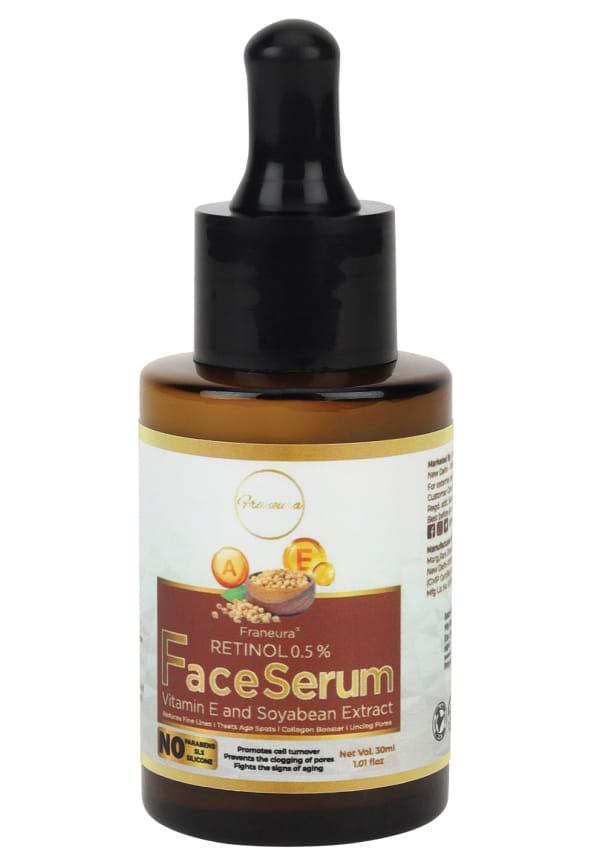
30 mlRetinol Anti-Aging Face Serum to Reduce Fine Lines & Wrinkles
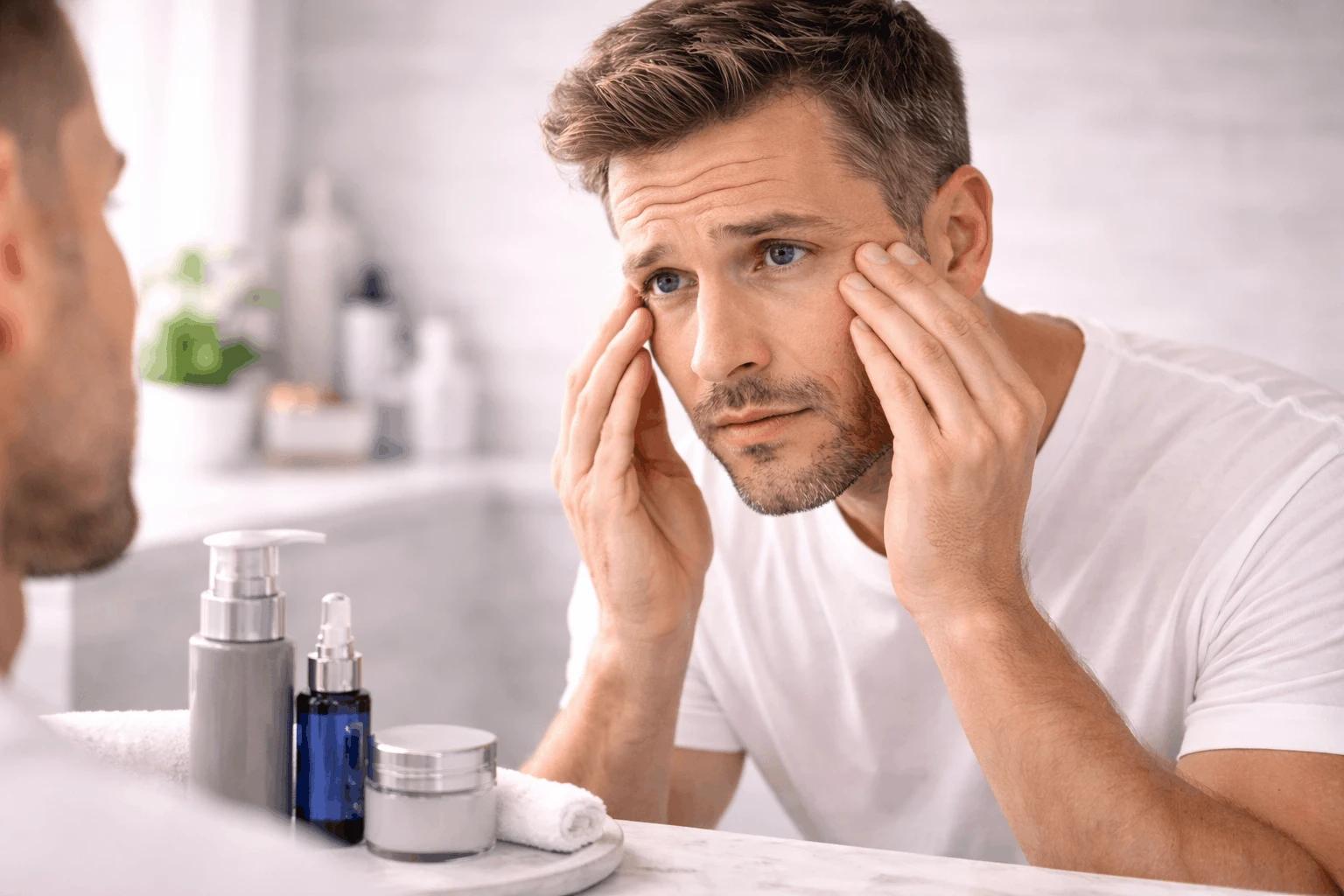
Let's be real—watching your skin change over the years can feel like watching your favourite jeans slowly stop fitting. One day you're glowing, the next you're squinting at the mirror wondering when those fine lines decided to move in permanently. But here's the thing: building an effective aging skin care routine isn't about chasing some impossible fountain of youth. It's about understanding what your skin needs now and giving it exactly that. Whether you're in your late twenties starting to think about prevention or you're well into your fifties looking to address existing concerns, the right routine can genuinely make your skin look and feel its best. And the best part? You don't need to break the bank or follow some impossibly complicated 12-step routine to see real results.
Your skin doesn't just wake up one day and decide to age—it's been quietly changing since your early twenties, even if you couldn't see it yet. The science behind skin aging is actually quite fascinating. Your skin produces about 1% less collagen each year after age 25, which means by the time you hit 50, you've lost about 25% of your skin's structural support. That's why your mature skin routine needs to be different from what worked in your teens.
Collagen and elastin—those proteins that keep your skin bouncy and firm—start breaking down faster than your body can replace them. Your skin's natural moisture barrier becomes less effective, leading to dryness and sensitivity. Cell turnover slows down, meaning dead skin cells hang around longer, making your complexion look dull. Environmental damage from UV rays, pollution, and lifestyle factors accumulates over time, showing up as dark spots, uneven texture, and deeper lines.
In your twenties and early thirties, prevention is your best friend. This is when you want to focus on anti-aging skincare that protects what you've got. Think daily SPF, antioxidants, and gentle exfoliation. Your forties bring more noticeable changes—this is when skin elasticity becomes a real concern, and you might start noticing deeper lines around your eyes and mouth. By your fifties and beyond, comprehensive age defying skincare becomes essential, addressing everything from firmness to hydration to pigmentation.
Not all skincare ingredients are created equal, especially when it comes to addressing aging concerns. Some ingredients have decades of research backing their effectiveness, while others are just marketing fluff. Let's focus on what actually works.
Retinol remains the gold standard for collagen boosting skincare. It's the only ingredient that can actually stimulate collagen production and speed up cell turnover, making it incredibly effective for fine lines treatment. Vitamin C is your daytime hero—it protects against environmental damage while brightening your complexion and supporting collagen synthesis. Hyaluronic acid might sound scary, but it's actually your skin's best friend for hydration, capable of holding up to 1,000 times its weight in water. Peptides are brilliant for skin firming products because they signal your skin to produce more collagen. Niacinamide (vitamin B3) is incredibly versatile—it strengthens your skin barrier, reduces inflammation, and helps with texture issues.
Ceramides help repair and maintain your skin barrier, which becomes increasingly important as you age. Alpha hydroxy acids like glycolic and lactic acid provide gentle exfoliation, helping to reveal fresher skin underneath. Antioxidants like vitamin E and green tea extract provide additional protection against free radical damage.
 30 ml
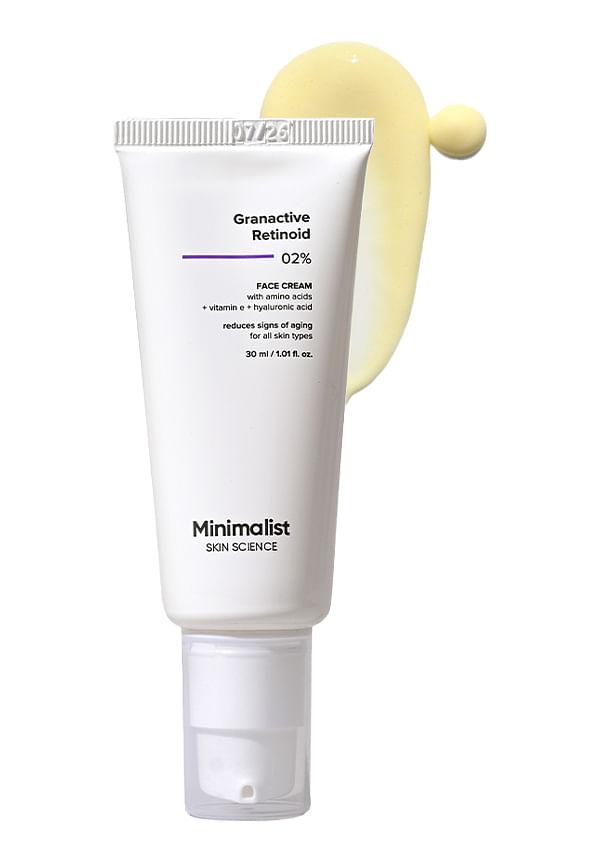
30 ml2% Retinoid Anti Ageing Night Cream For Wrinkles & Fine Lines
Mornings are all about protection and preparation. Your morning aging skin care routine should focus on shielding your skin from daily environmental stressors while providing the hydration and nutrients it needs to function optimally.
Start with a gentle cleanser that won't strip your skin—mature skin tends to be drier, so avoid harsh foaming cleansers. Follow with a vitamin C serum for antioxidant protection and brightening. Layer on a hyaluronic acid serum while your skin is still slightly damp to lock in moisture. Don't forget your eye area—a dedicated eye cream can help with fine lines treatment around this delicate zone. Moisturiser comes next, and for mature skin, look for formulas with ceramides or peptides. Finally, never skip broad-spectrum SPF 30 or higher. This is non-negotiable—UV damage is the single biggest contributor to premature aging.
Wait about 30 seconds between each product to let it absorb properly. Apply products from thinnest to thickest consistency. When applying sunscreen, use about a quarter teaspoon for your face and neck—most people don't use nearly enough.
Nighttime is when your skin does its heavy lifting—repairing damage from the day and regenerating new cells. Your evening routine should support these natural processes while delivering the more potent actives that work best without sun exposure.
Double cleansing is worth the extra step, especially if you wear makeup or sunscreen. Start with an oil-based cleanser to dissolve makeup and SPF, then follow with your regular cleanser. This is when you'll introduce your treatment actives—retinol 2-3 times per week for cell turnover and collagen stimulation. Hydrating serums work beautifully at night when your skin can really drink them up. Eye treatments with peptides can help with firmness and address concerns like dark circles. Finish with a richer night moisturiser that can seal in all your active ingredients.
Start slowly with retinol—once a week for the first month, then gradually increase. Begin with a lower concentration (0.25% or 0.5%) and work your way up. Always apply to completely dry skin and follow with moisturiser if you experience any irritation. Never use retinol and vitamin C together—alternate nights or use vitamin C in the morning and retinol at night.
Your daily routine is your foundation, but weekly treatments can really amplify your results. Think of these as your skin's weekly spa session—targeted treatments that address specific concerns more intensively.
 1 unit
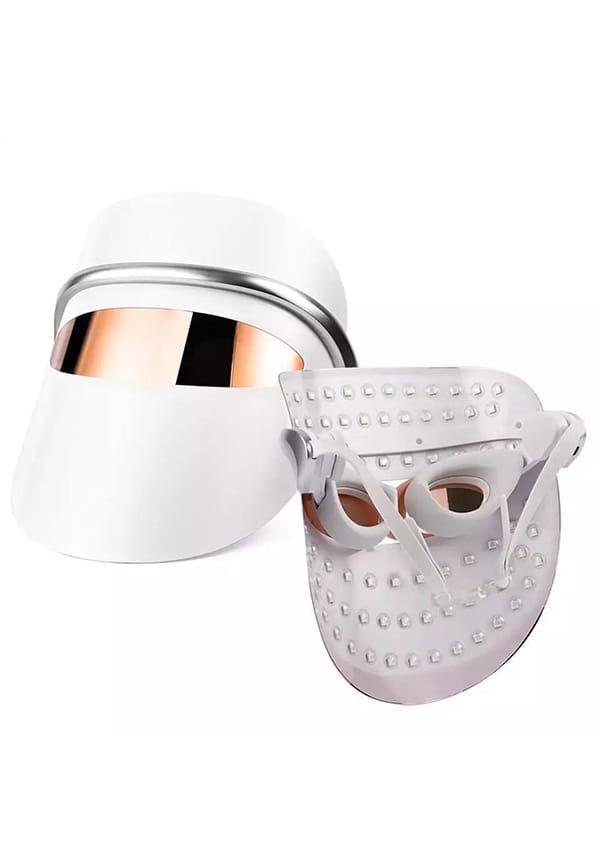
Advanced LED Light Therapy Face Mask DIY Reduces Wrinkles, Anti Aging
Gentle chemical exfoliation once or twice a week can work wonders for texture and radiance. Glycolic acid is excellent for overall texture improvement, while lactic acid is gentler and more suitable for sensitive aging skin. BHA (salicylic acid) can help with pore refinement and is particularly good if you're dealing with both aging concerns and occasional breakouts.
Hydrating masks with hyaluronic acid or ceramides can give your skin an instant plumping effect. Firming masks with peptides can help with skin elasticity over time. Sheet masks are convenient, but don't overlook cream masks that you can leave on longer for deeper penetration.
Your skincare for wrinkles routine is only as good as the lifestyle that supports it. What you do outside of your bathroom can significantly impact how well your products work and how quickly you see results.
Hydration starts from within—aim for at least 8 glasses of water daily to keep your skin plump and healthy. An antioxidant-rich diet with plenty of fruits, vegetables, and omega-3 fatty acids supports collagen production and fights inflammation. Quality sleep (7-9 hours) is when your skin does most of its repair work, so don't underestimate its importance. Stress management matters more than you might think—chronic stress increases cortisol levels, which can break down collagen and worsen inflammatory skin conditions.
Wear sunglasses and wide-brimmed hats for extra UV protection. Consider the air quality in your home—dry air can exacerbate skin aging, so a humidifier might be worth the investment. If you live in a polluted area, antioxidant serums become even more important.
Even with the best intentions, it's easy to make mistakes that can sabotage your results or even damage your skin. Let's talk about the most common pitfalls and how to avoid them.
Over-exfoliating is probably the biggest mistake people make with mature skin. More is not always better—stick to 2-3 times per week maximum for chemical exfoliants. Don't forget your neck and décolletage—these areas show aging just as much as your face but are often neglected. Inconsistent routine adherence won't give you the results you want—skincare is a marathon, not a sprint. Mixing incompatible ingredients can cause irritation or render products ineffective. For example, don't use retinol with vitamin C or AHA/BHA acids on the same night.
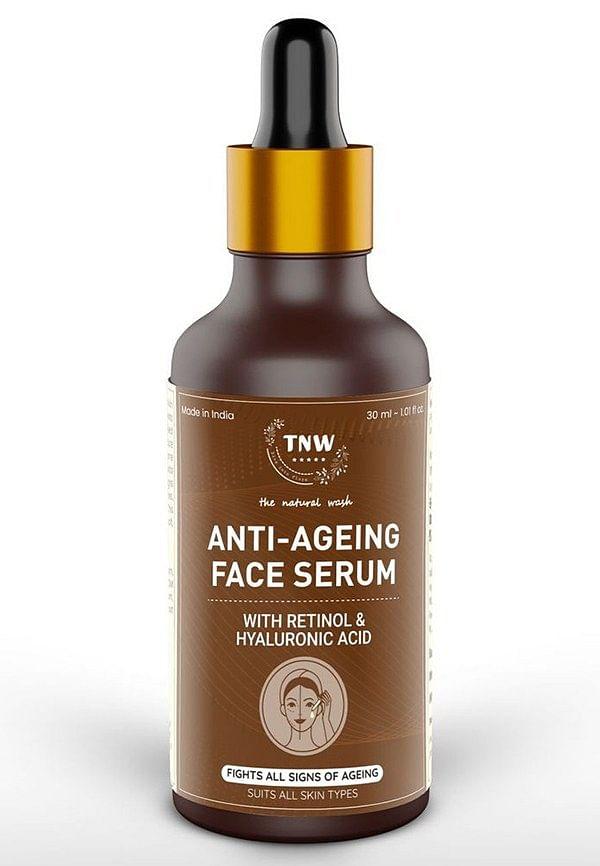 30 ml
30 mlAnti-Ageing Serum For Younger Looking Youthful Skin
You'll see hydration improvements within 1-2 weeks, but significant anti-aging results take 12-16 weeks of consistent use. Adjust your routine seasonally—your skin needs more hydration in winter and might need lighter formulas in summer. Know when it's time to upgrade—if you've been using the same products for years without seeing continued improvement, it might be time to reassess. This is where platforms like Smytten become incredibly valuable for anyone building an effective aging skin care routine. With access to trial-sized products from over 1,500 trusted brands, you can experiment with different anti-aging skincare formulations without committing to full-size purchases. Whether you're looking for the perfect retinol serum or want to try a new collagen boosting skincare product, being able to test products first takes the guesswork out of finding what works for your unique skin needs.
Start with the basics: gentle cleanser, vitamin C serum (morning), retinol (evening 2-3x weekly), hyaluronic acid for hydration, moisturiser with ceramides, and broad-spectrum SPF 30+. This foundation addresses the most common aging concerns without overwhelming your skin.
You'll notice improved hydration within 1-2 weeks, texture changes at 4-6 weeks, and significant improvements in fine lines and firmness after 12-16 weeks of consistent use. Patience and consistency are key.
It's best to use them at different times—vitamin C in the morning for antioxidant protection and retinol at night for cell renewal. Using them together can cause irritation and reduce their effectiveness.
Anti-aging products focus on prevention and early intervention, while mature skin products are formulated for skin that's already showing signs of aging. Mature skin products typically have richer textures and higher concentrations of active ingredients.
Absolutely. Your skin's needs evolve with age, hormonal changes, and environmental factors. What worked in your thirties might not be enough in your fifties. Regular assessment and adjustment ensure your routine stays effective.
Building an effective aging skin care routine isn't about fighting time—it's about working with your skin to help it look and feel its best at every stage of life. The key is understanding what your skin needs now and being consistent with products that actually work. Remember, the best routine is one you'll actually stick to, so start simple and build from there. Whether you're just starting to think about anti-aging skincare or you're looking to upgrade your current routine, the most important step is the first one. Your future self will thank you for the care and attention you give your skin today. And with platforms like Smytten offering trial-sized products from trusted brands, there's never been a better time to discover what works for your unique skin. After all, why settle for maybe when you can try it all and find your perfect match?
