Skincare
•06 min read

 100 ml
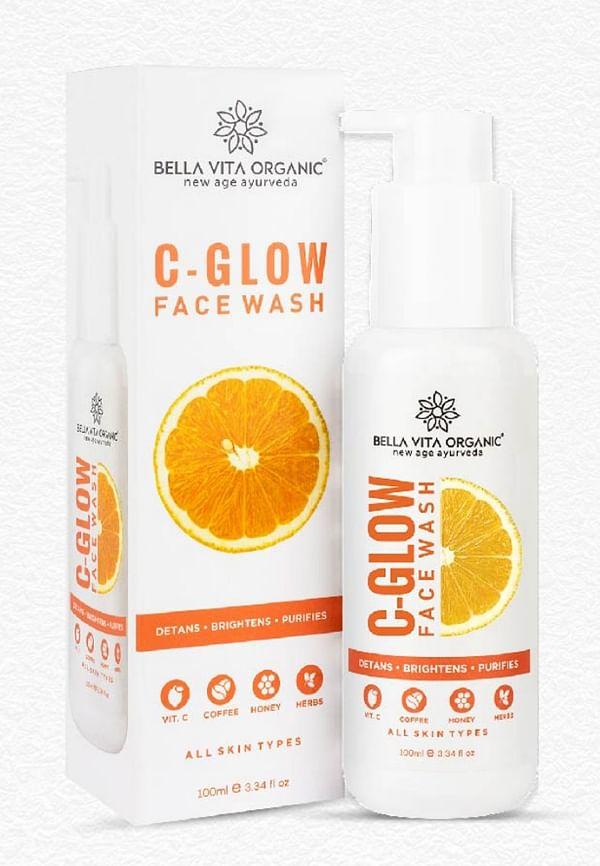
Vitamin C Glow Face Wash
Let's be real—watching your skin change as you age can feel overwhelming. One day you're glowing effortlessly, and the next you're staring at fine lines wondering when they decided to move in permanently. But here's the thing: building a powerful skincare routine for aging isn't about turning back time (impossible, sorry). It's about working with your skin's natural evolution and giving it exactly what it needs to look its absolute best at every stage.
The secret lies in understanding that anti-aging skincare isn't one-size-fits-all. Your skin at 30 has completely different needs than at 50, and what works for your mate might not work for you. That's why we're breaking down everything you need to know about creating a routine that actually delivers results—no fluff, just science-backed strategies that fit real life.
Your skin is constantly evolving, and each decade brings its own set of challenges and opportunities. The key to an effective mature skin routine is recognising where you are in this journey and adapting accordingly.
This is when collagen production starts its slow decline—about 1% per year after 30. Your focus should be on protecting what you've got whilst gently introducing actives that prevent future damage.
Key priorities include daily SPF (non-negotiable), gentle retinol introduction, and maintaining your skin's natural moisture barrier. Think of this decade as your skin's insurance policy.
Fine lines around your eyes and mouth become more noticeable, and your skin might feel less bouncy than before. This is when your skincare for wrinkles strategy needs to level up with more potent actives and targeted treatments.
Focus on vitamin C for daytime protection, consistent retinol use, and hydrating serums that plump from within. Your skin can still handle regular exfoliation, so make the most of it.
Hormonal changes during menopause can dramatically affect your skin's texture and moisture levels. Your routine needs to be both gentle and effective, focusing on barrier repair and deep hydration.
Rich moisturisers, gentle acids, and peptide-packed serums become your best friends. It's about working smarter, not harder.
Not all aging skin tips are created equal. Let's focus on the ingredients with serious research backing them up—the ones that deliver real results rather than empty promises.
This vitamin A derivative is the gold standard for collagen boosting skincare. It speeds up cell turnover, smooths fine lines, and improves skin texture over time.
Start with a low concentration (0.25% or 0.5%) twice a week, gradually building up tolerance. Always use it at night and never skip SPF the next day.
This powerhouse antioxidant protects against environmental damage whilst brightening your complexion. Look for stable forms like magnesium ascorbyl phosphate or sodium ascorbyl phosphate.
Apply it in the morning before moisturiser and SPF for maximum protection against daily stressors.
This moisture magnet can hold up to 1,000 times its weight in water, making it perfect for plumping skincare for fine lines. It works at any age and plays well with other ingredients.
Apply to slightly damp skin for best absorption, then seal it in with your moisturiser.
These amino acid chains signal your skin to produce more collagen and elastin. They're gentler than retinol but still effective for improving skin elasticity over time.
Look for copper peptides, palmitoyl pentapeptide-4, or acetyl hexapeptide-8 in your serums and moisturisers.
Mornings are all about shielding your skin from daily damage whilst giving it the hydration and nutrients it needs to look fresh and youthful skin all day long.
 Combo
Combo2% Hyaluronic Acid Face Serum For Youthful Skin| Pack Of 2
Start with a hydrating cleanser that removes overnight buildup without stripping your skin's natural oils. Cream or oil-based cleansers work brilliantly for mature skin.
Apply your antioxidant serum to clean, dry skin. Give it a few minutes to absorb before moving to the next step.
Layer on hyaluronic acid or another hydrating serum whilst your skin is still slightly damp for maximum absorption.
Choose a formula that supports your skin barrier with ingredients like ceramides, niacinamide, or peptides.
Broad-spectrum SPF 30 or higher, every single day. This single step prevents more aging than any other product in your routine.
Nighttime is when your skin does its heavy lifting—repairing daily damage and regenerating new cells. Your age defying skincare routine should support these natural processes.
Start with an oil-based cleanser to remove makeup and sunscreen, followed by your regular cleanser. This ensures your active ingredients can penetrate properly.
Apply retinol to clean, completely dry skin. Start with 2-3 times per week and gradually increase as your skin builds tolerance.
The delicate eye area needs special attention. Look for caffeine to reduce puffiness, peptides for firming, or gentle retinol formulations designed specifically for this area.
Choose a richer formula than your morning moisturiser. Your skin loses more water at night, so extra hydration helps maintain that plump, healthy look.
Your daily routine is the foundation, but weekly treatments can really amplify your results. These targeted sessions give your skincare for older women routine that extra boost.
Use a gentle AHA or BHA once or twice a week to remove dead skin cells and improve product absorption. Lactic acid is particularly good for sensitive, mature skin.
Sheet masks or overnight masks packed with hyaluronic acid, ceramides, or peptides can give your skin an intensive moisture boost.
Spend 5-10 minutes massaging your face with a facial oil or serum. This boosts circulation and can help improve skin firmness over time.
Your routine is only part of the equation. These lifestyle factors can make or break your anti-aging efforts, so they're worth getting right.
 60 gm
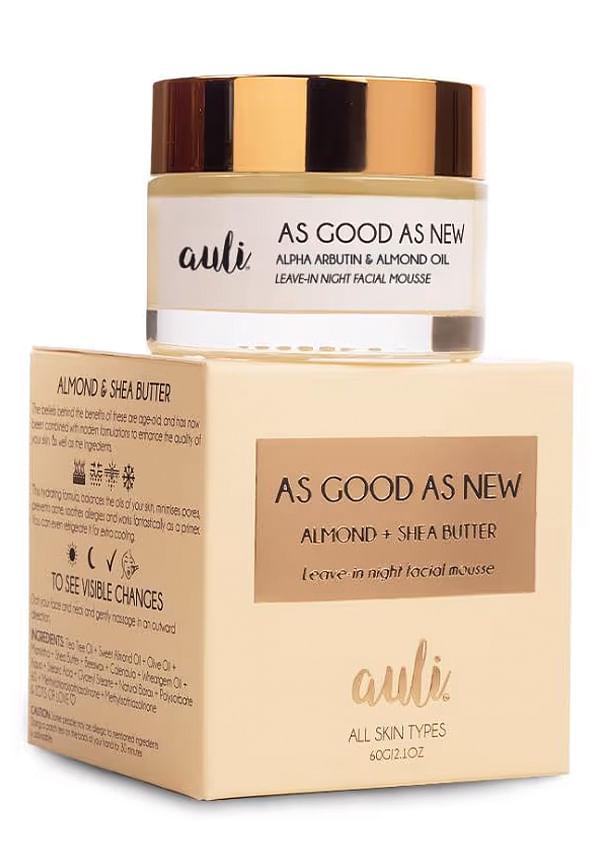
60 gmAuli As Good As New Anti-Ageing Night Cream with Almond Oil and Shea Butter for Face - 60 gm
Aim for at least 8 glasses of water daily. Your skin is your largest organ, and it needs proper hydration to function optimally.
During deep sleep, your body produces growth hormone, which helps repair damaged cells. Aim for 7-9 hours of quality sleep each night.
Foods rich in antioxidants, omega-3 fatty acids, and vitamins C and E support your skin from the inside out. Think berries, fatty fish, nuts, and leafy greens.
Even with the best intentions, it's easy to make mistakes that can set back your progress. Here are the most common pitfalls to avoid in your anti-aging journey.
Your skin becomes more sensitive with age, so daily exfoliation can cause irritation and compromise your skin barrier. Stick to 1-2 times per week maximum.
UV rays penetrate clouds, so you need protection every day, regardless of weather. Make SPF as automatic as brushing your teeth.
Real anti-aging results take time—usually 6-12 weeks for noticeable improvements. Patience is key to seeing the benefits of your routine.
Introduce new active ingredients one at a time, allowing your skin to adjust before adding the next. This prevents irritation and helps you identify what works.
Finding the right products for your unique skin can feel overwhelming, especially with so many options available. That's where platforms like Smytten come in handy—offering curated trial packs from trusted brands like Cetaphil and Dot & Key. With over 1,500 brands to explore, you can test different formulations before committing to full-size purchases, making it easier to build your perfect routine without the guesswork.
The best routine includes gentle cleansing, vitamin C serum, moisturiser, and SPF in the morning, plus cleansing, retinol (2-3 times weekly), and a rich night moisturiser in the evening. Consistency matters more than having the most expensive products.
Prevention is easier than correction, so starting in your late 20s or early 30s with SPF and gentle actives like vitamin C is ideal. However, it's never too late to start—your skin can benefit from a good routine at any age.
It's best to use vitamin C in the morning and retinol at night to avoid potential irritation. If you want to use both in the same routine, apply vitamin C first, wait 30 minutes, then apply retinol.
You might notice improved hydration and texture within 2-4 weeks, but significant changes in fine lines and skin tone typically take 6-12 weeks of consistent use. Patience is essential for real results.
Anti-aging skincare focuses on specific concerns like collagen loss, fine lines, and uneven tone using targeted ingredients like retinol, peptides, and antioxidants. Regular skincare typically focuses on basic cleansing, hydration, and protection.
Building a powerful skincare routine for aging isn't about chasing the fountain of youth—it's about giving your skin exactly what it needs to look and feel its best at every stage of life. The key is consistency, patience, and choosing products that work with your skin's natural processes rather than against them.
Remember, the best routine is one you'll actually stick to. Start with the basics—gentle cleansing, hydration, and sun protection—then gradually introduce active ingredients as your skin builds tolerance. With Smytten's trial platform, you can explore different formulations from over 1,500 trusted brands without the commitment, making it easier to find your perfect match. After all, why settle for 'maybe' when you can try it all and discover what truly works for your unique skin?
