
Skincare
•07 min read

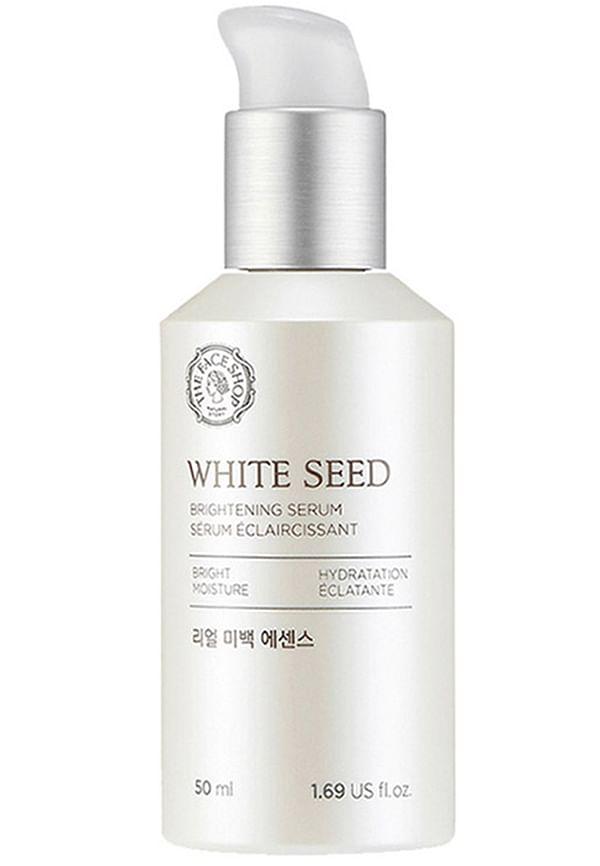 50 ml
50 mlNiacinamide, Hyaluronic Acid With White Seed Serum
Building a natural skincare routine doesn't have to feel overwhelming. With clean beauty becoming more mainstream, there's never been a better time to switch to gentler, plant-based alternatives that work with your skin rather than against it. Whether you're dealing with sensitive skin, looking for effective acne treatment, or simply want to embrace a more mindful approach to skincare, this guide to natural skincare will help you create a routine that actually delivers results. Let's dive into how you can build an effective natural skincare routine that fits your lifestyle and skin needs.
Let's be real—the terms "natural," "organic," and "clean beauty" get thrown around a lot, but they don't all mean the same thing. Understanding these differences is key to building an effective guide to natural skincare that works for you.
Natural skincare typically means products formulated with ingredients derived from plants, minerals, or other naturally occurring substances. These products avoid synthetic chemicals, artificial fragrances, and harsh preservatives. Organic skincare takes it a step further—these products contain ingredients that were grown without pesticides, synthetic fertilisers, or GMOs, and they're often certified by recognised organic standards.
Clean beauty is the broadest category, focusing on products that are safe, non-toxic, and transparent about their ingredients. Clean beauty products might include some synthetic ingredients, but they avoid potentially harmful ones like parabens, sulphates, and phthalates.
When building your natural beauty routine, keep an eye out for these powerhouse ingredients:
Hyaluronic acid (naturally occurring in our skin)
Vitamin C from sources like kakadu plum or acerola cherry
Plant oils like jojoba, rosehip, and argan
Botanical extracts such as green tea, chamomile, and calendula
Natural exfoliants like fruit enzymes and willow bark
On the flip side, natural skincare routines typically steer clear of:
Synthetic fragrances and dyes
Harsh sulphates and parabens
Petroleum-derived ingredients
Formaldehyde-releasing preservatives
Synthetic silicones
Before diving into natural beauty products, you need to understand your skin type. This knowledge will help you choose the right ingredients and avoid products that might irritate or worsen your skin concerns.
The five main skin types are normal, dry, oily, combination, and sensitive skin. Each has unique characteristics and responds differently to various natural ingredients.
Here's a quick way to determine your skin type:
Wash your face with a gentle cleanser
Pat dry and wait 30 minutes without applying any products
Observe how your skin feels and looks
Normal skin feels comfortable with minimal shine. Dry skin feels tight and may appear flaky. Oily skin looks shiny all over with visible pores. Combination skin is oily in the T-zone but normal or dry elsewhere. Sensitive skin may feel irritated, sting, or appear red.
For sensitive skin, look for gentle, fragrance-free natural products with soothing ingredients like aloe vera, chamomile, and oatmeal. These ingredients help calm irritation whilst providing necessary hydration for healthy skin.
If you have oily or acne-prone skin, natural ingredients like tea tree oil, willow bark, and clay can provide effective acne treatment without over-drying your skin.
A solid skincare routine doesn't need to be complicated. Whether you're just starting with natural beauty products or transitioning from conventional skincare, these essential steps will form the foundation of your routine.
The key is consistency and choosing products that work well together to support your skin's natural barrier and promote healthy skin.
Your morning routine should focus on protection and hydration:
Gentle cleanser: Start with a mild, natural cleanser that removes overnight buildup without stripping your skin
Hydrating toner: Look for alcohol-free formulas with ingredients like rose water or green tea
Moisturiser: Choose a natural moisturiser that provides adequate skin hydration for your skin type
Sunscreen: Always finish with a broad-spectrum mineral sunscreen
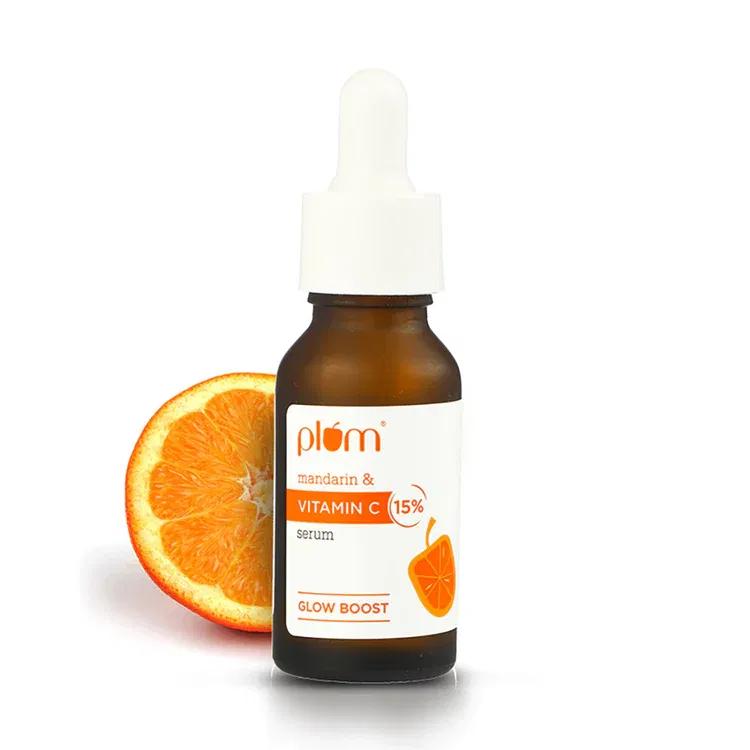 20 ml
20 ml15% Vitamin C Face Serum with Mandarin
Your evening routine can be more intensive, focusing on repair and renewal:
Double cleansing: Remove makeup and sunscreen with an oil cleanser, followed by your regular cleanser
Gentle exfoliation: Use natural exfoliants like fruit enzymes 2-3 times per week
Treatment serums: Apply targeted treatments for specific concerns
Night moisturiser: Use a richer formula or facial oil to support overnight repair
Weekly treatments: Incorporate natural masks or treatments as needed
One of the best things about natural skincare is that many plant-based ingredients have been used for centuries to address various skin concerns. Modern formulations combine traditional wisdom with scientific research to create effective solutions.
Whether you're dealing with breakouts, signs of ageing, or sensitivity, there are natural alternatives that can help improve your skin's health and appearance.
For those struggling with breakouts, natural acne treatment can be just as effective as conventional options:
Tea tree oil: Has antimicrobial properties that help fight acne-causing bacteria
Willow bark: Contains natural salicylic acid for gentle exfoliation
Clay masks: Help absorb excess oil and unclog pores
Niacinamide: Reduces inflammation and regulates oil production
Natural anti-aging skincare focuses on supporting your skin's natural renewal processes:
Vitamin C serums: From natural sources like kakadu plum for brightening and collagen support
Bakuchiol: A gentle, natural alternative to retinol
Rosehip oil: Rich in vitamins A and C for skin renewal
Peptides from plants: Help stimulate collagen production
If you have sensitive skin, these gentle natural ingredients can help calm irritation:
Chamomile extract: Anti-inflammatory and soothing
Aloe vera: Provides cooling relief and hydration
Colloidal oatmeal: Forms a protective barrier and reduces itching
Centella asiatica: Helps repair and strengthen the skin barrier
The world of DIY skincare can be tempting—after all, mixing up a face mask in your kitchen feels wonderfully natural and cost-effective. However, there are important considerations when deciding between homemade treatments and professionally formulated natural beauty products.
Both approaches have their place in a natural skincare routine, but understanding when to use each will help you make the best choices for your skin.
These basic DIY recipes are safe and effective for most skin types:
Honey oatmeal cleanser: Mix ground oats with raw honey for gentle cleansing
Green tea toner: Brew strong green tea, cool, and use as a refreshing toner
Avocado hydrating mask: Mash ripe avocado with a bit of honey for dry skin
Sugar lip scrub: Mix brown sugar with coconut oil for smooth lips
Store-bought natural products offer several advantages:
Stability: Professional formulations last longer and maintain potency
Safety testing: Products undergo rigorous testing for safety and efficacy
Precise concentrations: Active ingredients are present in optimal amounts
Convenience: Ready to use without preparation time
Platforms like Smytten make it easier to explore natural beauty products from trusted brands without committing to full sizes. With trial packs available for just ₹249, you can test multiple organic skincare products to find what works best for your skin before making larger investments.
Transitioning to a natural skincare routine should be gradual to avoid overwhelming your skin. This step-by-step approach helps you identify what works and what doesn't, whilst giving your skin time to adjust to new ingredients.
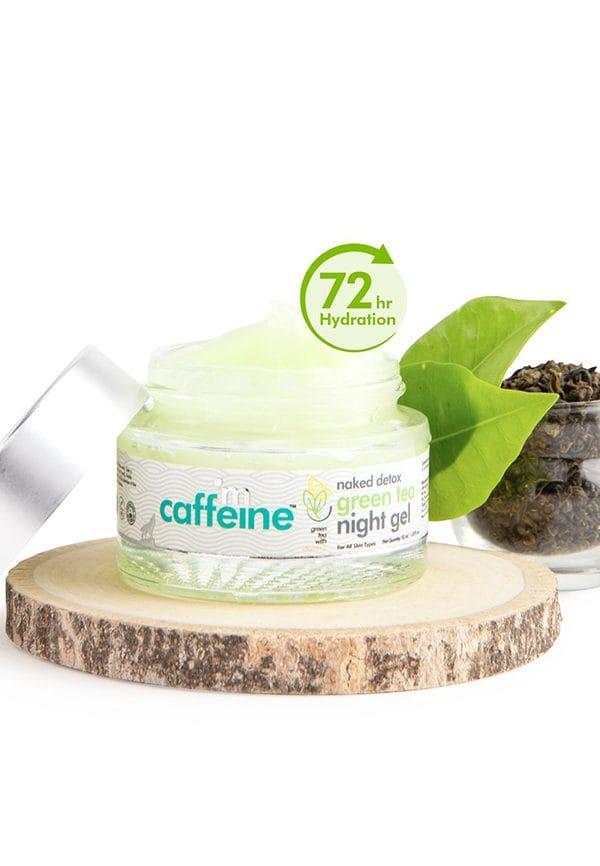 50 ml
50 mlGreen Tea Night Gel with Vitamin C
Remember, achieving healthy skin takes time, and natural products often work more gently than their synthetic counterparts, requiring patience to see full results.
Start by replacing one product at a time, beginning with your cleanser. Patch test new products on your inner arm before applying to your face. During this period, focus on:
Introducing a gentle, natural cleanser
Switching to a natural moisturiser
Observing how your skin responds
Maintaining your existing routine for other steps
Once your skin has adjusted to the basic products, you can introduce natural actives:
Add a natural toner or essence
Introduce gentle exfoliation once or twice weekly
Begin using targeted treatments for specific concerns
Continue monitoring your skin's response
By now, you should have a good sense of how your skin responds to natural ingredients. This is the time to:
Adjust product frequency based on your skin's needs
Add seasonal variations to your routine
Introduce more advanced treatments if needed
Establish a consistent routine that works for your lifestyle
With over 1,500 trusted brands available through Smytten's trial platform, including natural and organic skincare options from brands like Cetaphil, Dot & Key, and Love, Beauty & Planet, you can continue experimenting with new products as your skin's needs change. The platform's 100% cashback offer on trial minis makes it affordable to keep discovering new favourites without the commitment of full-size purchases.
Natural skincare typically takes 4-6 weeks to show noticeable results, as these products work more gently than synthetic alternatives. Some benefits, like improved hydration, may be visible within days, whilst issues like acne or hyperpigmentation may take 8-12 weeks to improve significantly.
Whilst natural products are generally gentler, they're not automatically safe for everyone. People with sensitive skin or allergies should always patch test new products. Natural doesn't mean non-allergenic—essential oils and botanical extracts can still cause reactions in some individuals.
Natural skincare can help manage many common skin concerns, but serious conditions like severe acne, rosacea, or eczema may require professional treatment. It's best to consult with a dermatologist for persistent or severe skin issues.
Read ingredient lists carefully and look for recognisable plant-based ingredients. Be wary of "greenwashing"—when brands use natural-sounding marketing but include synthetic ingredients. Look for certifications from recognised organic or natural beauty organisations.
Organic certification requires that ingredients are grown without synthetic pesticides, fertilisers, or GMOs, and products must contain a minimum percentage of organic ingredients. Natural certification focuses on the source and processing of ingredients but doesn't necessarily require organic farming practices.
Yes, you can gradually transition by mixing natural and conventional products. However, be mindful of ingredient interactions—for example, mixing certain acids or actives can cause irritation. When in doubt, introduce new products slowly and monitor your skin's response.
Building a natural skincare routine is a journey of discovery that requires patience, experimentation, and consistency. The key is to start slowly, listen to your skin, and choose products that align with your values and skin needs. Remember that natural doesn't always mean better for everyone—what matters most is finding products that help you achieve healthy skin whilst making you feel confident in your choices.
The beauty of natural skincare lies in its gentle approach to skin health. By working with your skin's natural processes rather than against them, you can build a routine that supports long-term skin health. Whether you're dealing with acne, signs of ageing, or simply want to maintain healthy skin, there are natural solutions available to help you reach your goals.
Smytten's platform makes this journey easier by offering trial-sized versions of natural beauty products from over 1,500 trusted brands. With the ability to try up to 8 minis for just ₹249 and earn 100% cashback for future purchases, you can explore organic skincare and clean beauty options without the financial risk of full-size commitments. After all, why settle for 'maybe' when you can try it all and find what truly works for your unique skin?
