How to Build a Basic Skincare Routine for Beginners

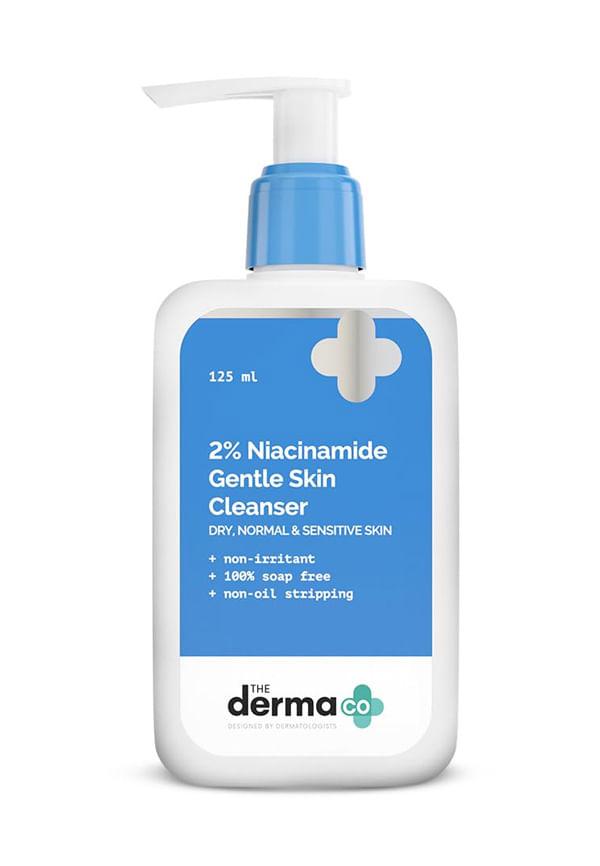 125 ml
2% Niacinamide Gentle Skin Cleanser
Starting your skincare journey can feel overwhelming with endless products and complicated routines flooding your social feeds. But here's the thing—basic skincare for beginners doesn't need to be rocket science. Think of it like learning to cook: you master the basics first, then add the fancy stuff later. Your skin deserves a solid foundation, not a chemistry experiment. Whether you're dealing with breakouts, dryness, or just want that healthy glow everyone's talking about, building a simple skincare routine is your first step towards confident, happy skin.
Before diving into products, you need to know what you're working with. Your skin type is basically your skin's personality—and just like people, it has specific needs and preferences. Getting this right means your skincare routine will actually work for you, not against you.
The easiest way to figure out your skin type is the "bare face test." Wash your face with a gentle cleanser, pat dry, and wait about an hour without applying anything. Now, take a good look in the mirror and feel your skin.
Oily skin will feel greasy and look shiny, especially around your T-zone (forehead, nose, chin). You might notice enlarged pores and be prone to breakouts.
Dry skin feels tight, rough, or flaky. It might look dull and feel uncomfortable, especially after washing.
Combination skin is like having two skin types at once—oily in the T-zone but normal or dry on your cheeks.
Sensitive skin reacts easily to products, weather, or stress. It might sting, burn, or turn red with new products.
Normal skin (lucky you!) feels balanced—not too oily, not too dry, with minimal sensitivity.
Once you know your skin type, product selection becomes much clearer. For oily skin, look for gel-based cleansers and lightweight, oil-free moisturisers. Dry skin loves cream cleansers and richer moisturisers with ingredients like hyaluronic acid. Sensitive skin needs fragrance-free, gentle formulas with minimal ingredients. Combination skin might need different products for different areas, or you can stick with gentle, balanced formulas that work for most skin types.
Let's keep it simple. A basic skincare routine for beginners only needs three steps: cleanse, moisturise, and protect. That's it. No 10-step routines, no complicated layering—just three products that actually make a difference.
Your morning routine is all about protection and prep for the day ahead.
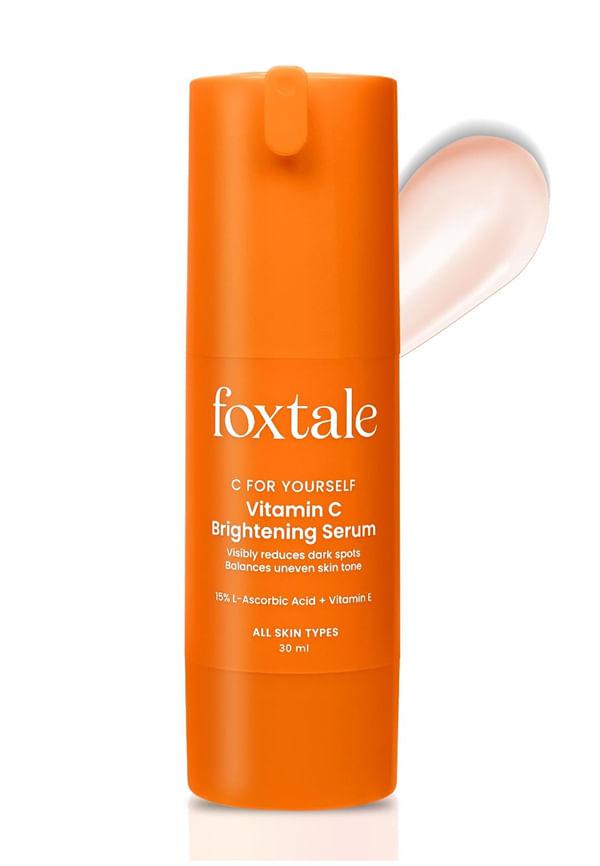 30 ml
30 ml15% Vitamin C Face Serum for Glowing Skin, Pure L-Ascorbic Acid and Vitamin E
Step 1: Skin Cleansing
Start with a gentle cleanser to remove overnight buildup and prep your skin for the day. Massage it onto damp skin for about 30 seconds, then rinse with lukewarm water. Avoid hot water—it strips your skin's natural oils.
Step 2: Moisturiser Application
Even oily skin needs hydration. Apply your moisturiser while your skin is still slightly damp to lock in moisture. Use upward motions and don't forget your neck.
Step 3: Sunscreen Protection
This is non-negotiable. Apply SPF 30 or higher broad-spectrum sunscreen as your final step. Reapply every two hours if you're spending time outdoors.
Your evening routine focuses on cleansing away the day and nourishing your skin overnight. Skip the sunscreen (obviously) and consider a slightly richer moisturiser if your skin feels dry. If you wear makeup, you might want to double cleanse—start with a cleansing oil or micellar water, then follow with your regular cleanser.
Building your skincare arsenal doesn't require breaking the bank. Focus on these three essentials first, then add extras later as you learn what your skin loves.
Cleanser
Your cleanser should remove dirt, oil, and makeup without leaving your skin feeling tight or stripped. Foaming cleansers work well for oily skin, while cream or lotion cleansers suit dry or sensitive skin types.
Moisturiser
Every skin type needs moisture. Look for ingredients like hyaluronic acid, ceramides, or glycerin. Gel moisturisers work for oily skin, while cream formulas suit dry skin better.
Sunscreen
Choose between chemical sunscreens (absorb UV rays) or physical sunscreens (reflect UV rays). Physical sunscreens with zinc oxide or titanium dioxide are gentler for sensitive skin.
Once you've mastered the basics, you can explore these additions.
Toner
Modern toners aren't the harsh, alcohol-based formulas of the past. They can balance pH, add hydration, or deliver gentle actives. Apply after cleansing but before moisturiser.
Serum
These concentrated treatments target specific concerns like acne, dark spots, or fine lines. Start with one serum and introduce it slowly.
Exfoliation
Gentle exfoliation 1-2 times per week can help remove dead skin cells and improve texture. Chemical exfoliants (like salicylic acid) are often gentler than physical scrubs.
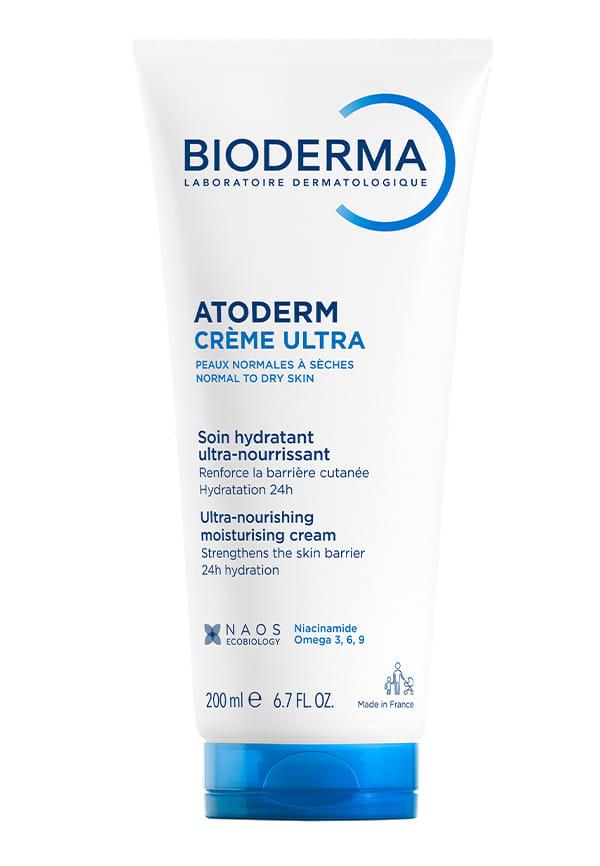 200 ml
Atoderm Creme Ultra-Nourishing Moisturizer
While the basic three-step routine works for everyone, certain skin concerns might need special attention. Here's how to adapt your routine without overcomplicating things.
Sensitive skin requires extra gentleness. Look for fragrance-free, hypoallergenic products with minimal ingredients. Always patch test new products on a small area first—apply a tiny amount behind your ear or on your inner wrist and wait 24 hours to check for reactions.
If you're dealing with breakouts, resist the urge to use every acne-fighting product at once. Start with a gentle salicylic acid cleanser or add a benzoyl peroxide spot treatment. Introduce acne treatments slowly—your skin needs time to adjust. Over-treating can actually make acne worse by irritating your skin barrier.
Prevention is better than correction. The best anti-ageing product for beginners? Sunscreen. It prevents 80% of visible ageing signs. Once you're comfortable with your basic routine, you can consider adding a gentle retinol or vitamin C serum, but start slow and always use sunscreen.
Everyone makes skincare mistakes when starting out. Learning from others' experiences can save your skin (literally) from unnecessary drama.
The biggest mistake? Adding everything at once. Your skin needs time to adjust to new products. Introduce one new product at a time, use it for at least two weeks before adding anything else. This way, if something causes irritation, you'll know exactly what the culprit is.
More isn't always better. Over-cleansing strips your skin's natural barrier, leading to irritation and increased oil production. Cleanse twice daily max, and be gentle—your skin isn't a dirty pan that needs scrubbing. Also, remember the correct order: thinnest to thickest consistency, with sunscreen always last in the morning.
Real talk: skincare isn't magic. Most people see initial improvements in 2-4 weeks, with significant changes taking 6-12 weeks of consistent use. Your skin has a natural renewal cycle of about 28 days, so patience is key. Focus on consistency over perfection.
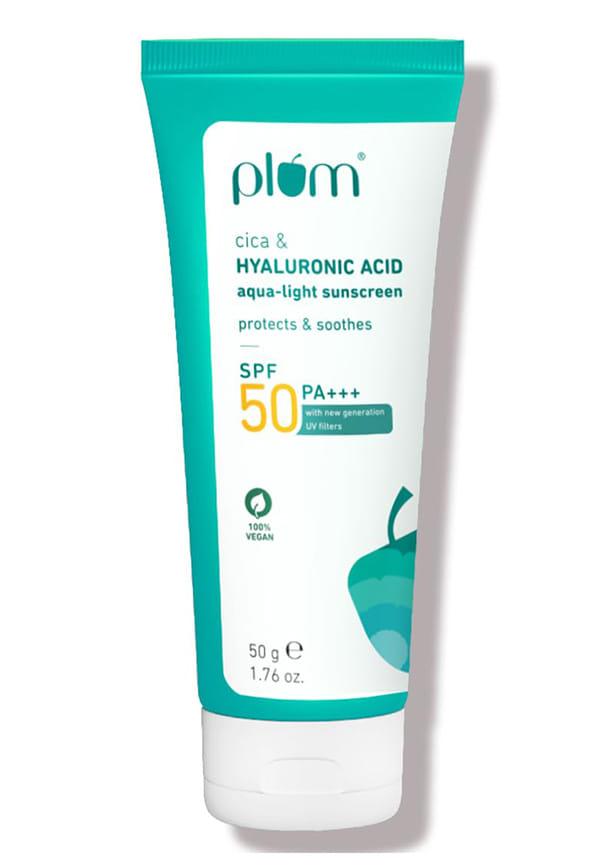 50 gm
50 gmCica & Hyaluronic Acid Aqua-Light Sunscreen SPF 50 PA+++
This is where platforms like Smytten become incredibly valuable for beginners. Instead of committing to full-size products that might not work for your skin, you can try mini versions from trusted brands like Cetaphil, Dot & Key, and Love, Beauty & Planet. With over 1,500 brands available and the ability to get up to 8 minis for just ₹249, you can experiment safely without the financial risk. Plus, the 100% cashback on trial purchases means you're essentially trying products for free while building your perfect routine.
Beginners should start with three essential products: a gentle cleanser suitable for their skin type, a moisturiser that provides adequate hydration, and broad-spectrum sunscreen with SPF 30 or higher. This simple routine forms the foundation for healthy skin.
Begin with the basic three-step routine morning and evening: cleanse, moisturise, and apply sunscreen (morning only). Introduce products one at a time, maintain consistency for at least 4-6 weeks, and adjust based on how your skin responds.
Morning routine: Cleanser → Moisturiser → Sunscreen. Evening routine: Cleanser → Moisturiser. If you add optional products later, remember to apply from thinnest to thickest consistency, with toner after cleansing and serum before moisturiser.
Most people notice initial improvements like better hydration or reduced irritation within 2-4 weeks. Significant changes in texture, tone, or specific concerns typically appear after 6-12 weeks of consistent use, as this aligns with your skin's natural renewal cycle.
The basic cleanse-and-moisturise steps remain the same, but morning routines require sunscreen while evening routines may include richer moisturisers or treatment products. Your skin's needs differ between day and night.
Toner helps balance skin pH and removes any remaining impurities after cleansing, while serums deliver concentrated active ingredients to target specific concerns like acne or dark spots. Both are optional additions to your basic routine.
Building a basic skincare routine for beginners doesn't have to be complicated or expensive. Start with the essentials—cleanser, moisturiser, and sunscreen—and give your skin time to adjust. Remember, consistency beats complexity every time. Your skin is unique, so what works for your friend might not work for you, and that's completely normal.
The key is starting somewhere and staying patient with the process. With Smytten's trial platform, you can explore products from over 1,500 trusted brands without the commitment, making it easier to find what truly works for your skin. After all, why settle for 'maybe' when you can try it all and discover your perfect routine? Your future self will thank you for taking that first step towards healthier, happier skin.
