How to Boost Collagen Naturally with Food


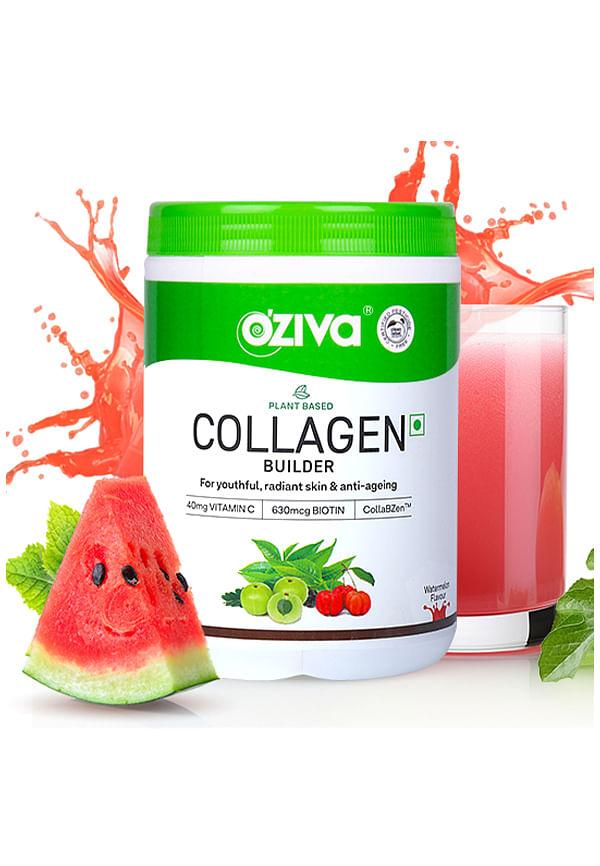 250 gm
Collagen Builder for Anti-Ageing & Skin Radiance with Vitamin C, Watermelon
Let's be real—the skincare world is obsessed with collagen supplements, and honestly, it's easy to see why. But here's the thing: your kitchen might already be stocked with some of the most powerful foods that boost collagen naturally. While the supplement industry rakes in billions, the secret to youthful, bouncy skin could be sitting right in your fridge. From bone broth to berries, certain foods work like magic to support your body's natural collagen production. Ready to discover how to turn your daily meals into a skin-firming powerhouse? Let's dive into the science-backed foods that'll have your skin looking its absolute best.
Think of collagen as your skin's scaffolding—it's what keeps everything firm, plump, and youthful. This protein makes up about 75% of your skin's structure, giving it that bounce-back quality we all crave. But here's the not-so-fun fact: after age 25, your body starts producing about 1% less collagen each year. That's when fine lines start creeping in and your skin begins losing that natural elasticity. The good news? Your body is basically a collagen-making machine when you feed it the right nutrients. Collagen boosting foods work by providing the building blocks your skin needs—think vitamin C, zinc, copper, and specific amino acids like proline and glycine. It's not just about eating collagen itself; it's about giving your body everything it needs to create fresh, new collagen fibres from scratch.
Here's where it gets interesting: your body doesn't just absorb collagen whole. Instead, it breaks down any collagen you eat into amino acids, then rebuilds it into exactly what your skin needs. This is why foods for skin elasticity that support this natural process often work better than isolated supplements. When you eat a variety of nutrient-dense foods, you're giving your body a complete toolkit rather than just one piece of the puzzle.
Time to meet the superstar foods that'll have your skin thanking you. These aren't just random picks—each one brings something special to the collagen-building party.
Bone Broth is basically liquid gold for your skin. When bones simmer for hours, they release types I, II, and III collagen along with minerals like calcium and magnesium. One cup can contain up to 10 grams of protein, making it one of the most concentrated natural collagen sources you can find. Fish with Skin delivers marine collagen, which some studies suggest is more easily absorbed than other types. Salmon, mackerel, and sardines also pack omega-3 fatty acids that fight inflammation and support overall skin health. Chicken (especially the bits with connective tissue) provides type II collagen. Don't skip the skin or cartilage—that's where the good stuff lives. Egg Whites are rich in proline and glycine, two amino acids that are essential building blocks for collagen synthesis.
Citrus Fruits are absolute essentials because vitamin C is required for collagen production. Without it, your body literally can't make new collagen. One orange provides about 70mg of vitamin C—nearly your entire daily requirement. Berries bring vitamin C plus antioxidants that protect existing collagen from damage. Strawberries, blueberries, and blackberries are all excellent choices. Bell Peppers actually contain more vitamin C than oranges. Red peppers are particularly rich, with one cup providing over 190mg of vitamin C. Kiwi Fruit packs vitamin C and enzymes that support skin repair and renewal.
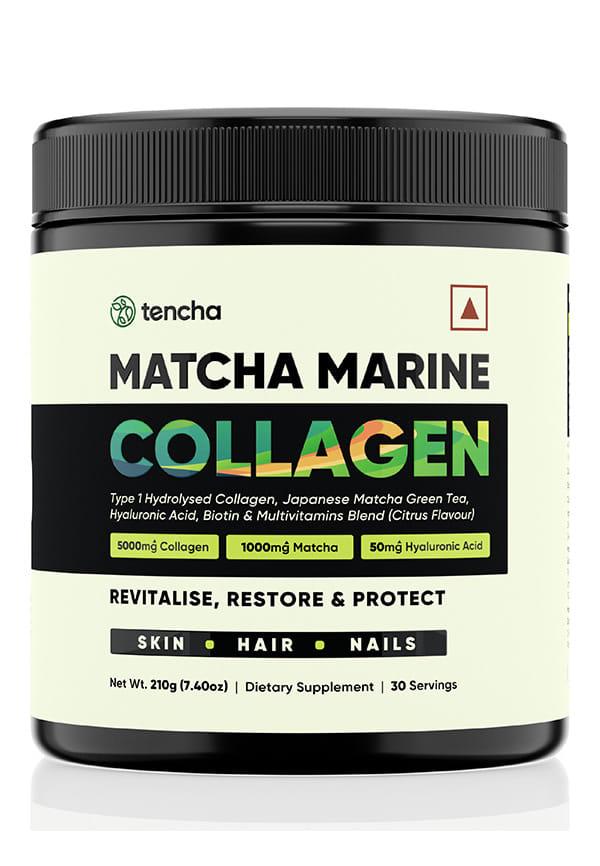 210 gm
Marine Collagen + Shaker, 30 Servings
Leafy Greens like spinach and kale contain chlorophyll, which has been shown to increase collagen production. They're also rich in vitamin C and antioxidants. Tomatoes provide lycopene, an antioxidant that protects collagen from UV damage and environmental stressors. Garlic contains sulfur compounds that help maintain collagen structure and strength. Avocados offer healthy fats and vitamin E, which work together to keep skin moisturised and protected.
Nuts and Seeds provide zinc and copper—cofactors that your body needs for collagen synthesis. Pumpkin seeds, almonds, and cashews are particularly good choices. Shellfish like oysters and crab are among the best sources of bioavailable zinc, plus they contain marine collagen. Soy Products contain isoflavones that may help prevent collagen breakdown, especially in postmenopausal women.
If you're plant-based, don't worry—there are plenty of ways to support collagen production without animal products. While plants don't contain collagen directly, they're packed with the nutrients your body needs to make its own. Legumes and Quinoa provide complete amino acid profiles, giving your body all the building blocks it needs. Lentils, chickpeas, and black beans are particularly rich in lysine and proline—key amino acids for collagen synthesis.
Combine different plant proteins throughout the day to ensure you're getting all essential amino acids. For example, pair rice with beans, or enjoy hummus with whole grain pita. Nuts and seeds also provide the minerals zinc and copper that support collagen production. Surprisingly, algae and seaweed can be unexpected allies in your collagen rich diet. They're rich in minerals and antioxidants that support overall skin health.
The magic happens when you combine these foods strategically throughout your day. Think of it as creating the perfect environment for collagen production. For breakfast, try pairing vitamin C-rich berries with Greek yoghurt and nuts. The vitamin C helps with collagen synthesis while the protein provides amino acids. Lunch could feature a salad with leafy greens, bell peppers, and grilled fish—you're getting antioxidants, vitamin C, and direct collagen sources.
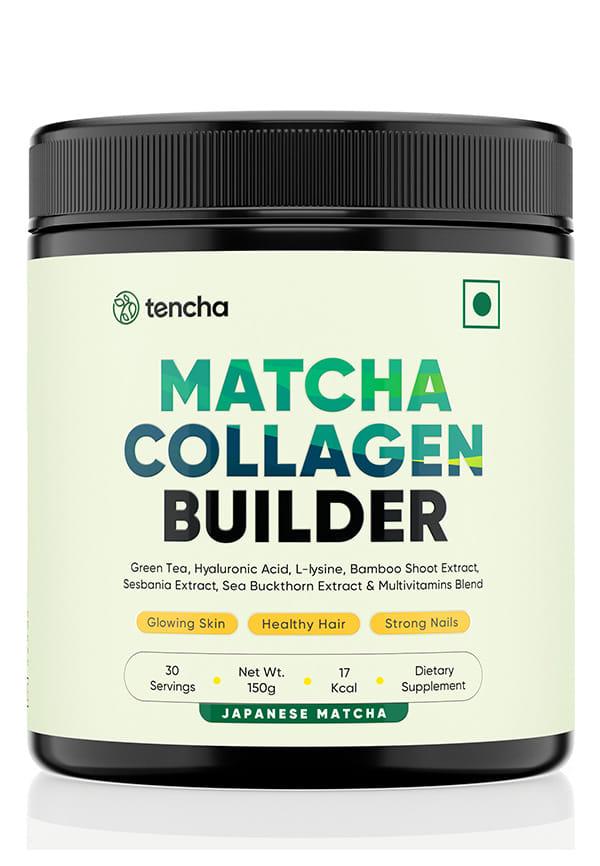 150 gm
Collagen Builder + Shaker, 30 Servings
Here's a pro tip: vitamin C and protein work best when consumed together. Your body uses vitamin C to convert amino acids into collagen, so having both at the same meal maximises the benefits. Try citrus with your morning eggs, or add bell peppers to your chicken stir-fry. Foods that promote collagen production work best as part of a balanced diet rather than isolated superfoods. Consistency matters more than perfection—aim to include at least 2-3 collagen-supporting foods in each meal.
While we're focusing on the good stuff, it's worth knowing what works against you. Sugar is collagen's biggest enemy—it causes glycation, which makes collagen fibres stiff and brittle. Processed foods and excessive alcohol also accelerate skin ageing by creating inflammation and depleting nutrients.
How you prepare and eat these foods matters just as much as what you choose. Gentle cooking methods like steaming or slow-cooking help preserve nutrients while making them more bioavailable. When making bone broth, add a splash of apple cider vinegar—the acid helps extract more collagen from the bones. For vegetables, light cooking actually increases the availability of some nutrients like lycopene in tomatoes.
Your skin health diet works best when supported by good lifestyle habits. Sleep is crucial—your body produces most of its collagen during deep sleep phases. Aim for 7-9 hours of quality rest each night. Regular exercise improves circulation, helping deliver nutrients to your skin cells more efficiently. Even a 20-minute walk can boost blood flow and support the collagen-building process. Sun protection is non-negotiable. UV rays break down existing collagen faster than your body can replace it, so daily SPF is essential for maintaining the benefits of your collagen-rich diet.
Let's set realistic expectations here. Natural approaches work, but they're not overnight miracles. In the first 2-4 weeks, you might notice improved skin hydration and a subtle glow—that's your body starting to respond to better nutrition. By months 2-3, many people report improvements in skin texture and elasticity. Fine lines may appear softer, and skin feels firmer to the touch. The real magic happens around the 6-month mark, when consistent nutrition has had time to support significant collagen renewal.
Watch for these positive changes: your skin bounces back faster when pinched, makeup applies more smoothly, and you might notice fewer new fine lines forming. Some people also report faster wound healing and stronger nails—signs that collagen production is ramping up throughout the body. While you're nourishing your skin from within, don't forget about external care. Smytten offers curated trial packs from trusted skincare brands, letting you explore products that complement your anti-aging foods approach. With options from brands like Cetaphil and Dot & Key, you can discover what works best for your skin without committing to full-size products. After all, why settle for 'maybe' when you can try it all?
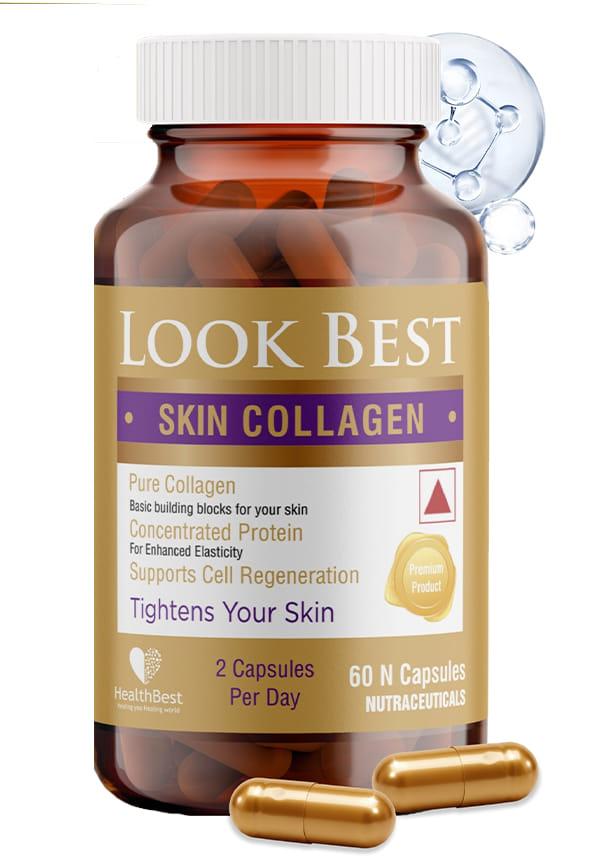 60 Capsules
HealthBest Skin Collagen Supplement for Women & Men - Enhances Skin Tightening, Boosts Elasticity & Firmness
Bone broth contains the highest concentration of bioavailable collagen, providing types I, II, and III collagen along with essential amino acids and minerals. A single cup can deliver up to 10 grams of collagen protein.
Yes, through consistent consumption of nutrients for collagen synthesis like vitamin C, zinc, and amino acids, your body can increase collagen production. However, natural methods work gradually—expect to see results over months rather than weeks.
The top choices include bone broth, citrus fruits, leafy greens, fish with skin, and berries. Each provides essential nutrients for collagen synthesis and protection against damage.
Most people notice improved skin hydration within 2-4 weeks, with visible elasticity improvements appearing after 2-3 months of consistent dietary changes. Significant anti-ageing benefits typically develop over 6+ months.
Absolutely. While plants don't contain collagen directly, they provide all the building blocks your body needs to make its own. Focus on vitamin C-rich foods, complete proteins from legumes and quinoa, and mineral-rich nuts and seeds.
Your journey to naturally youthful skin starts with what's on your plate. These 15 skin firming foods aren't just nutritious—they're your skin's best friends, working together to support collagen production from the inside out. Remember, consistency beats perfection every time. Start by adding 3-5 of these foods to your weekly routine and build from there. The beauty of this approach is that you're not just improving your skin—you're nourishing your entire body. Better nutrition means better energy, improved mood, and overall wellness that shows in your complexion. While you're building this foundation with food, consider exploring complementary skincare products through platforms like Smytten, where you can trial products from over 1,500 trusted brands before committing to full sizes. With over 25 million users discovering their perfect products through trial packs, it's never been easier to find what works for your unique skin needs. Your skin deserves the best—both from within and without.
