How to Balance Oily Dehydrated Skin with Niacinamide


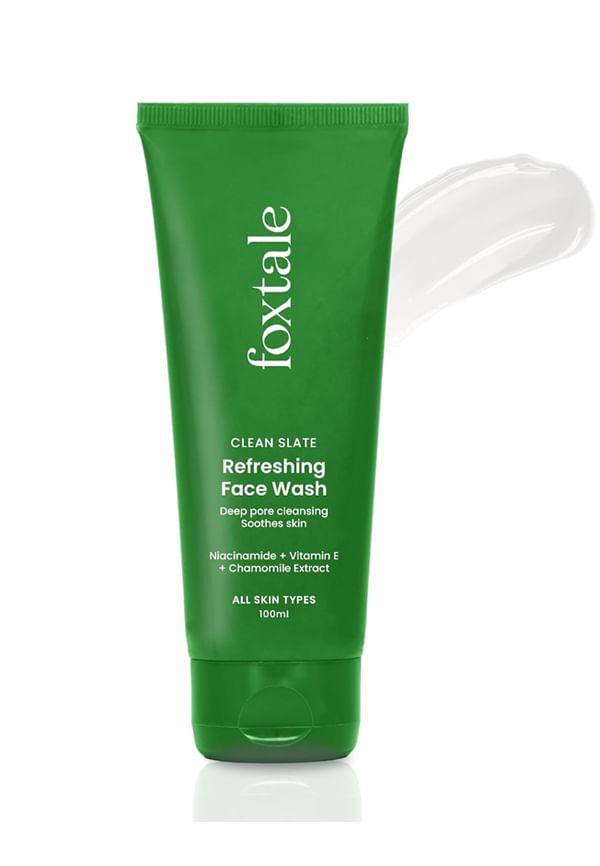 100 ml
Refreshing Face Wash for Deep Cleansing with Niacinamide, Hydrates & Brightens
Your skin feels oily by midday, yet tight and uncomfortable after cleansing. Sound familiar? You're dealing with the confusing reality of oily dehydrated skin — a condition where your skin produces excess oil whilst simultaneously lacking water. This paradox leaves many people frustrated, bouncing between harsh oil-stripping products and heavy moisturisers that feel too much. The good news? Niacinamide might be the game-changing ingredient your skin has been waiting for.
Before diving into solutions, let's decode what's actually happening with your skin. Oily dehydrated skin occurs when your skin's protective barrier is compromised, leading to water loss whilst your sebaceous glands work overtime to compensate. This creates a frustrating cycle where your skin feels greasy yet thirsty.
Dehydrated skin solutions start with proper identification. Unlike dry skin, which lacks oil production, dehydrated skin lacks water content. When this happens to naturally oily skin types, you'll notice excess shine alongside flakiness, particularly around the T-zone. Your skin might feel tight after cleansing but produce oil within hours. Fine lines become more apparent, and your complexion looks dull despite the oiliness.
Your skin's natural response to dehydration is ramping up oil production through a process called transepidermal water loss (TEWL). When your skin barrier is damaged, water escapes more easily, triggering your sebaceous glands to produce extra sebum as protection. This creates a vicious cycle where traditional oily skin treatments actually worsen dehydration, leading to even more oil production.
The biggest myth? That oily skin hydration isn't necessary. Many people with oily skin avoid moisturisers entirely, thinking they'll make skin greasier. In reality, skipping hydration forces your skin to produce more oil. Over-cleansing with harsh ingredients strips away natural oils, disrupting the barrier and perpetuating the dehydration cycle.
Niacinamide, also known as vitamin B3, is uniquely positioned to address both excess oil and dehydration simultaneously. Unlike ingredients that target just one concern, niacinamide works on multiple levels to restore balance to your skin.
Clinical studies show that niacinamide serum at concentrations between 2-5% can reduce sebum production by up to 30% within 8 weeks. The ingredient works by regulating the activity of sebaceous glands without completely shutting down oil production. This means your skin maintains its natural protective oils whilst reducing excess shine. The sebum control happens gradually, typically showing noticeable results after 4-6 weeks of consistent use.
Skin barrier repair is where niacinamide truly shines for dehydrated skin. The ingredient stimulates ceramide production, which are essential lipids that help your skin retain moisture. By strengthening the barrier function, niacinamide reduces transepidermal water loss, allowing your skin to hold onto hydration more effectively. This dual action addresses the root cause of the oil-dehydration cycle.
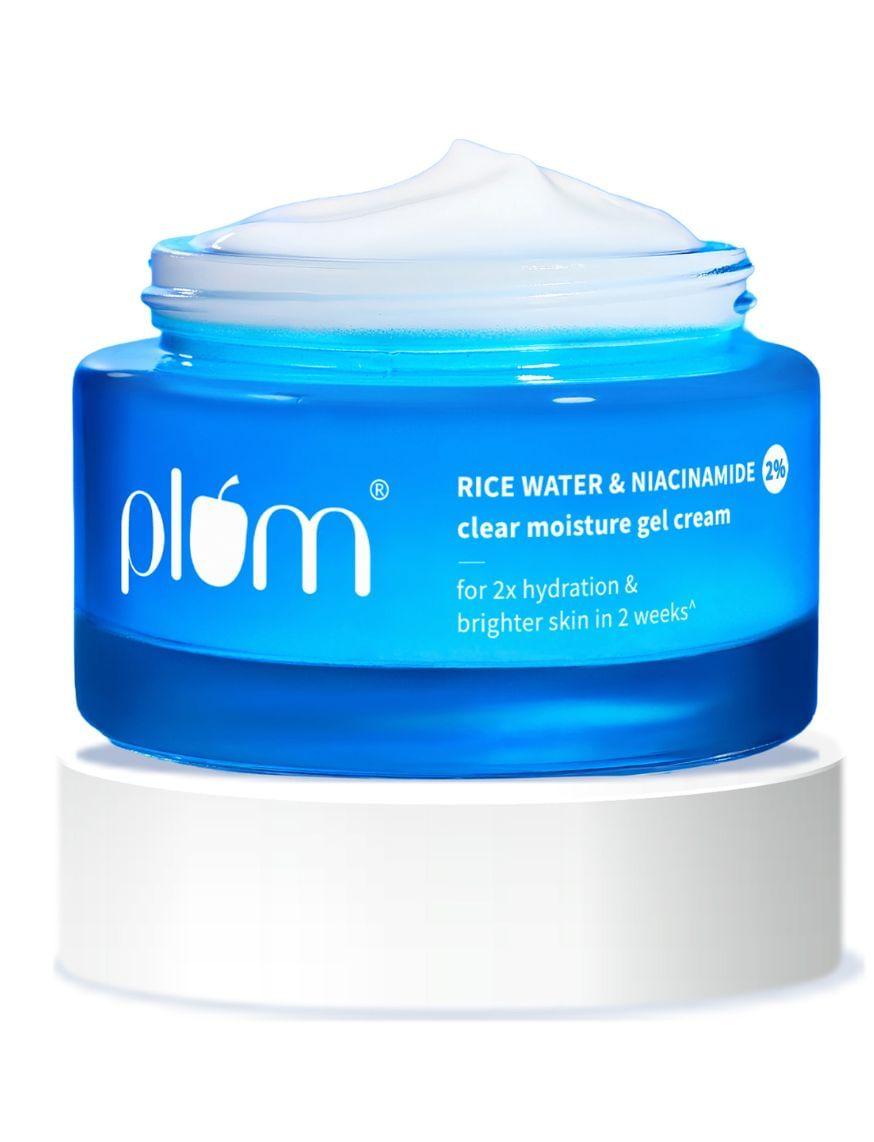 50 gm
50 gm2% Niacinamide & Rice Water Brightening Gel Moisturizer
Beyond oil regulation and hydration, niacinamide offers impressive anti-inflammatory properties that help calm irritated skin. It minimises the appearance of enlarged pores, a common concern for oily skin types. The ingredient also supports skin texture improvement by promoting cell turnover and reducing post-inflammatory hyperpigmentation from previous breakouts.
Not all niacinamide products are created equal. Finding the best serum for oily skin requires understanding concentration levels, complementary ingredients, and formulation quality.
For beginners, start with 2-5% niacinamide concentration. This range provides effective results without overwhelming sensitive skin. Higher concentrations (10% or above) aren't necessarily better and may cause irritation, particularly if you're new to the ingredient. If you have sensitive skin, begin with 2% and gradually increase if needed. Most people find excellent results within the 5% range for managing oily dehydrated skin.
The most effective ingredients for skin balance work synergistically with niacinamide. Look for hyaluronic acid to boost facial hydration without heaviness. Zinc enhances sebum regulation, whilst ceramides support barrier repair. Avoid products with high concentrations of alcohol, which can worsen dehydration, or heavy oils that might clog pores.
Serum formulations typically offer the highest concentration of active ingredients in lightweight textures perfect for oily skin. Look for products in dark glass bottles or opaque packaging to protect ingredient stability. The pH should be between 5-7 for optimal skin compatibility and ingredient effectiveness.
Proper application technique maximises niacinamide benefits for skin whilst preventing potential irritation or reduced effectiveness.
Morning routines should focus on protection and oil control. After cleansing with a gentle, non-stripping cleanser, apply niacinamide serum to slightly damp skin. Follow with a lightweight moisturiser and broad-spectrum SPF. Evening routines can emphasise hydration and repair. Use niacinamide after cleansing, then layer on hydrating ingredients like hyaluronic acid before your night moisturiser.
Apply 2-3 drops of niacinamide serum to clean skin, gently patting rather than rubbing. Allow 5-10 minutes between layers for proper absorption. Start with once-daily application, gradually increasing to twice daily as your skin adjusts. Consistency matters more than frequency — regular use yields better results than sporadic high-concentration applications.
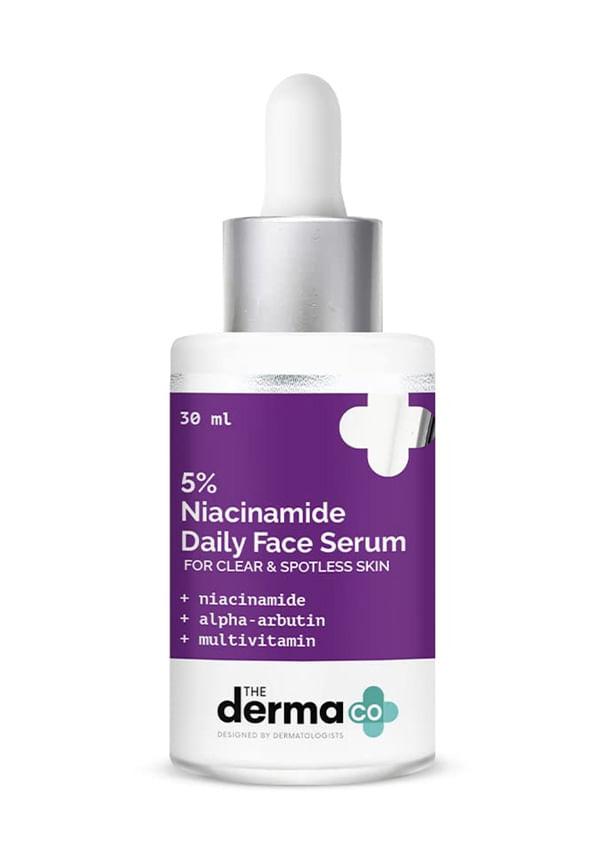 30 ml
30 ml5% Niacinamide Daily Face Serum
Niacinamide plays well with most ingredients, making it ideal for complex skincare routines. It pairs beautifully with hyaluronic acid, peptides, and even retinol. However, avoid mixing with high-concentration vitamin C in the same application, as this can reduce effectiveness. If using both, apply vitamin C in the morning and niacinamide in the evening.
Addressing dehydration in oily skin requires a strategic approach that hydrates without triggering excess oil production.
Focus on water-based hydrators rather than oil-based products. Hyaluronic acid can hold up to 1000 times its weight in water, making it perfect for facial hydration without greasiness. Glycerin and sodium hyaluronate are other excellent humectants that draw moisture into the skin. Gel-based moisturisers and lightweight serums provide hydration whilst maintaining a comfortable, non-greasy feel.
Effective skin barrier repair requires both humectants (to attract water) and occlusives (to prevent water loss). For oily skin, lightweight occlusives like squalane or dimethicone work better than heavy creams. Apply these ingredients in thin layers, allowing each to absorb before adding the next. This layering technique maximises hydration whilst maintaining skin comfort.
External hydration works best when supported by internal hydration. Drink adequate water throughout the day, and consider using a humidifier in dry environments. Air conditioning and heating can worsen dehydration, so adjust your routine seasonally. Stress management also plays a role, as cortisol can disrupt skin barrier function and increase oil production.
Even with the right ingredients, common application errors can sabotage your results.
Over-cleansing remains the biggest culprit in perpetuating the oil-dehydration cycle. Washing your face more than twice daily or using harsh scrubs strips away natural oils, triggering rebound oil production. Product incompatibility is another issue — mixing too many actives or using products with conflicting pH levels can reduce effectiveness. Unrealistic expectations also derail progress; skin texture improvement takes time, typically 6-8 weeks for noticeable changes.
Monitor your skin's response weekly rather than daily. Initial improvements include reduced tightness after cleansing and more balanced oil production throughout the day. If you experience irritation, reduce application frequency rather than stopping completely. Seasonal adjustments are normal — you might need more hydration in winter and lighter formulations in summer humidity.
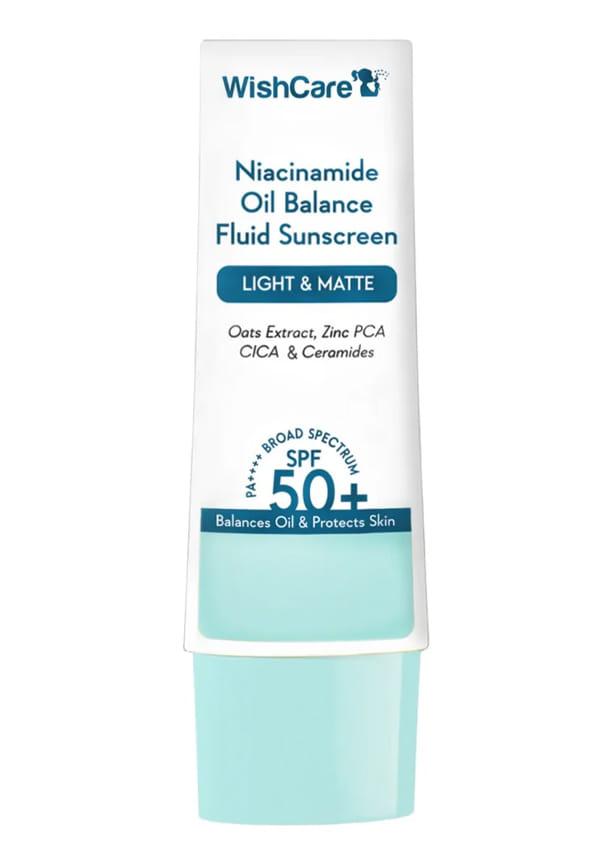 50 gm
50 gmWishCare Niacinamide Oil Balance Sunscreen SPF 50 PA++++ - In-Vivo Tested
Consult a dermatologist if your skin doesn't improve after 12 weeks of consistent niacinamide use, or if you experience persistent irritation. Underlying conditions like seborrhoeic dermatitis or hormonal imbalances might require professional treatment alongside your skincare routine.
Niacinamide typically doesn't cause purging because it doesn't increase cell turnover like retinoids or AHAs. If you experience breakouts when starting niacinamide, it's more likely due to product sensitivity or other ingredients in the formulation. True purging involves existing comedones coming to the surface faster, which isn't niacinamide's mechanism of action.
Most people notice initial improvements in skin texture and reduced oiliness within 2-4 weeks of consistent use. Significant changes in pore appearance and overall skin balance typically occur after 6-8 weeks. For maximum benefits, continue use for at least 12 weeks, as skin barrier repair is a gradual process.
Yes, niacinamide and retinol work beautifully together for oily skin concerns. Niacinamide can actually help buffer retinol's potential irritation whilst providing additional oil control and hydration. Apply niacinamide first, allow it to absorb, then follow with retinol. This combination addresses multiple concerns: oil regulation, pore appearance, and skin texture.
For most people, 10% niacinamide is unnecessarily high and may cause irritation without additional benefits. Studies show that 2-5% concentrations provide optimal results for sebum control and barrier repair. Higher concentrations don't necessarily work better and may disrupt your skin's natural balance.
Niacinamide can be used both morning and evening, making it incredibly versatile for busy routines. Morning application provides oil control throughout the day, whilst evening use supports overnight barrier repair. If you're starting out, begin with once-daily application in the evening, then add morning use as your skin adjusts.
Balancing oily dehydrated skin doesn't have to feel like an impossible puzzle. Niacinamide offers a science-backed solution that addresses both excess oil and dehydration simultaneously, making it an ideal ingredient for this complex skin concern. The key lies in consistent application, proper concentration, and patience with the process.
Remember that skincare is highly individual. What works for others might need adjustment for your specific needs. Start with lower concentrations, build your routine gradually, and give your skin time to adjust and show results.
If you're curious about trying niacinamide but hesitant to commit to full-size products, Smytten's curated selection includes minis from trusted skincare brands. With over 28 million users discovering their perfect products through trials, it's a smart way to test formulations before investing in full sizes. After all, finding the right niacinamide serum for your unique skin needs shouldn't involve guesswork.
