How to Adapt Western Skincare for Indian Climate & Skin Type


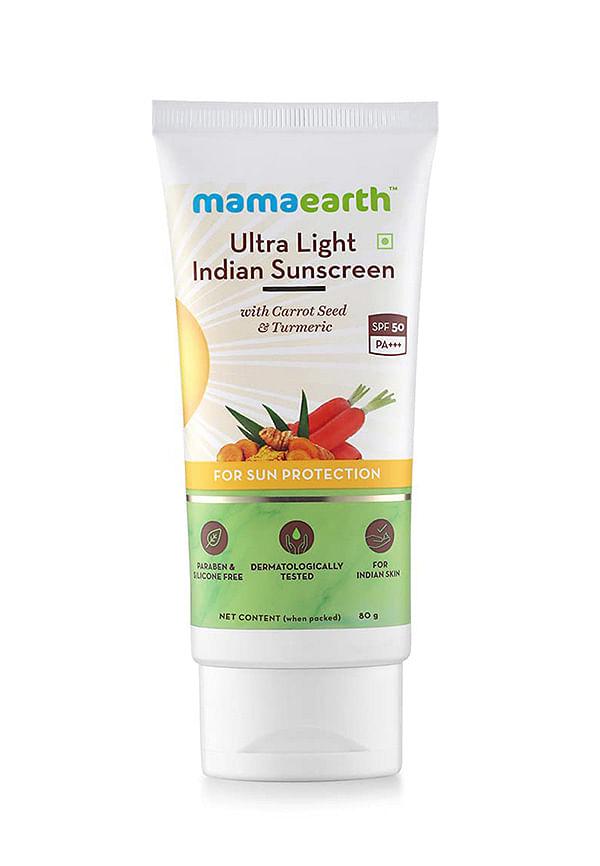
Ultra Light indian Sunscreen
You've been following that gorgeous Western skincare routine you discovered on Instagram, but three months into the Mumbai monsoon, your skin is throwing a proper tantrum. Sound familiar? Your carefully curated ten-step routine that worked wonders in London or New York might be causing more breakouts than a teenager's diary. The truth is, what works brilliantly in temperate climates often needs serious tweaking for Indian weather and skin types.
Let's start with the science bit that actually matters to your daily routine. Indian skin has some distinct characteristics that Western skincare brands don't always account for when formulating their products. We naturally produce more melanin, which gives us better sun protection but also means we're more prone to hyperpigmentation when our skin gets irritated.
Our sebaceous glands tend to be more active too, especially in humid conditions. This means that rich, creamy moisturiser your friend swears by in Manchester might leave you looking like you've dipped your face in coconut oil by lunchtime. Western formulations are typically designed for drier, cooler climates where skin needs more occlusive ingredients to prevent water loss.
The texture preferences differ as well. Many Western products feel too heavy or take forever to absorb in our climate, leading to that sticky, uncomfortable feeling that makes you want to wash your face every few hours. Your skin isn't being difficult—it's just responding to products that weren't made with Indian weather patterns in mind.
Here's where things get interesting. Indian cities regularly hit 70-80% humidity levels, which completely changes how skincare products behave on your skin. In humid weather, your skin's natural moisture barrier works differently, and heavy products can actually trap sweat and bacteria, leading to congestion and breakouts.
Add the heat factor—temperatures that regularly soar above 35°C—and your sebum production goes into overdrive. That gentle foaming cleanser that barely removes makeup in London suddenly isn't strong enough to cut through the combination of sweat, pollution, and excess oil you're dealing with in Delhi or Chennai.
Then there's the pollution elephant in the room. Indian urban air contains particulate matter that Western skincare routines simply don't account for. You need products that can properly cleanse environmental pollutants while still being gentle enough for daily use.
The good news? You don't need to bin your entire routine. Smart adaptations can make Western products work beautifully for Indian skin. The key is understanding what your specific skin type needs in our climate and adjusting accordingly.
If you have oily skin, that thick night cream from your Western routine needs to go—at least during the warmer months. Instead, look for lightweight gel moisturisers or hydrating serums that won't clog your pores. Niacinamide becomes your best friend here, helping control oil production while keeping your skin barrier healthy.
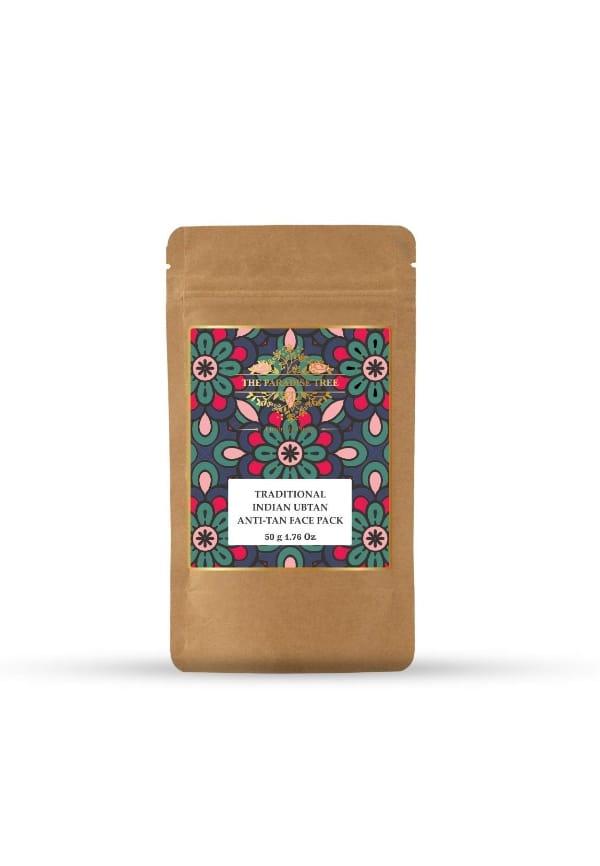
Traditional Indian Ubtan Anti Tan Face Pack
For combination skin, you might need to zone-treat. Use lighter products on your T-zone and slightly richer formulations on your cheeks. Clay masks once or twice a week can help manage the oilier areas without over-drying your entire face.
Indian sensitive skin often reacts differently to actives than Western skin types. That 2% salicylic acid toner that's considered gentle in cooler climates might be too harsh when combined with heat and humidity. Start with lower concentrations and build up slowly.
Always patch test new products on your inner arm for 24-48 hours before applying to your face. The combination of heat, sweat, and pollution can make skin more reactive than usual.
This is where things get exciting. You can absolutely blend the best of both worlds—Western skincare science with time-tested Indian ingredients. Turmeric, for instance, has anti-inflammatory properties that work beautifully alongside niacinamide for managing breakouts and evening skin tone.
Neem is a natural antibacterial that can complement your Western acne treatments without the harsh drying effects of some chemical alternatives. A simple neem and honey mask once a week can help keep breakouts at bay while maintaining your skin's moisture balance.
Sandalwood powder mixed with rose water makes an excellent gentle exfoliant that's much kinder to Indian skin than some of the grittier Western scrubs. The cooling properties are perfect for our climate, and it won't cause the micro-tears that harsh physical exfoliants can create.
The trick is to introduce these natural elements gradually. You might use your Western vitamin C serum in the morning and follow up with a turmeric-honey mask in the evening once a week. It's about finding the right balance for your skin's needs.
Let's get practical. Here's how to modify your Western routine for Indian summers without losing the benefits you love.
Start with a gentle gel cleanser instead of that rich cream cleanser. You need something that can handle overnight oil production and any pollution residue from the previous day. Follow with a lightweight vitamin C serum—this is non-negotiable for pollution protection and brightening.
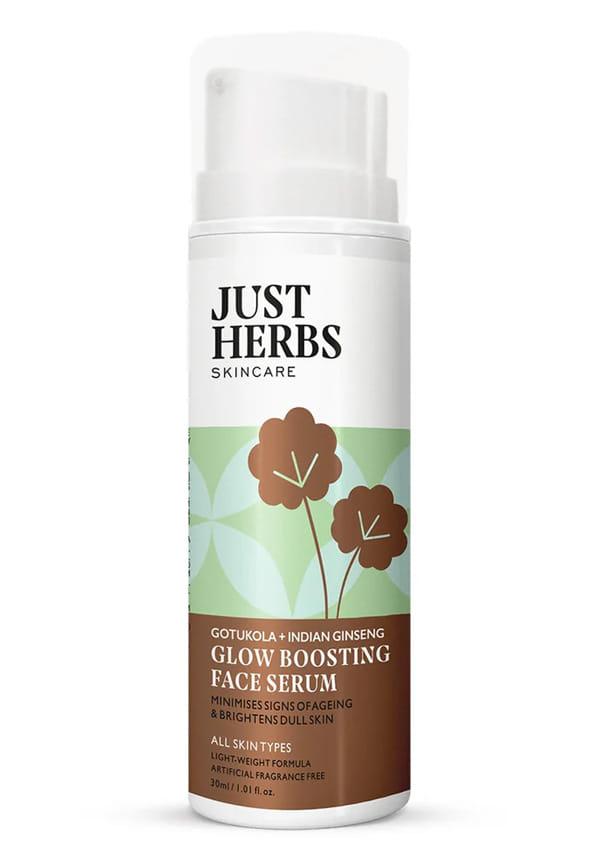
Gotukola Indian Ginseng Rejuvinating Beauty Elixir
Swap your heavy moisturiser for a gel-based formula or a hydrating serum. Your skin still needs moisture, but in a format that won't feel suffocating by 10 AM. Finish with a broad-spectrum SPF that's specifically formulated for Indian skin—look for gel or fluid textures that won't pill under makeup.
Double cleansing becomes crucial in Indian cities. Start with an oil cleanser to break down sunscreen and pollution, then follow with your regular cleanser. This ensures you're starting with a properly clean canvas for your treatments.
A hydrating toner or essence can replace heavy serums during humid months. Look for ingredients like hyaluronic acid that draw moisture from the environment—perfect for our humid climate. Follow with targeted treatments like retinol (start slowly and use only 2-3 times a week initially) and finish with a lightweight overnight moisturiser.
Some ingredients that work beautifully in temperate climates need tweaking for Indian conditions. Heavy ceramide creams can be replaced with lighter ceramide serums that provide the same barrier repair benefits without the weight.
Alcohol-based toners, which might be refreshing in dry climates, can be too stripping in our humid environment where your skin is already working overtime. Hydrating essences with peptides or gentle AHAs work better for maintaining that fresh feeling without compromising your skin barrier.
For exfoliation, consider reducing the frequency of strong AHA treatments. What you might use daily in London, you might only need 2-3 times a week in Mumbai. Your skin is naturally exfoliating more due to increased cell turnover in the heat.
The biggest mistake? Thinking you need to cleanse more aggressively because of the heat and humidity. Over-cleansing strips your skin barrier, causing it to produce even more oil to compensate. Stick to cleansing twice daily with gentle but effective products.
Another common error is skipping moisturiser entirely when you have oily skin. Your skin needs hydration regardless of type—just adjust the texture and weight of your moisturiser, don't eliminate it completely.
Many people also make the mistake of not adjusting their routine seasonally. What works during Mumbai's winter months will likely be too heavy during the monsoon. Your skincare routine should evolve with the weather, just like your wardrobe does.
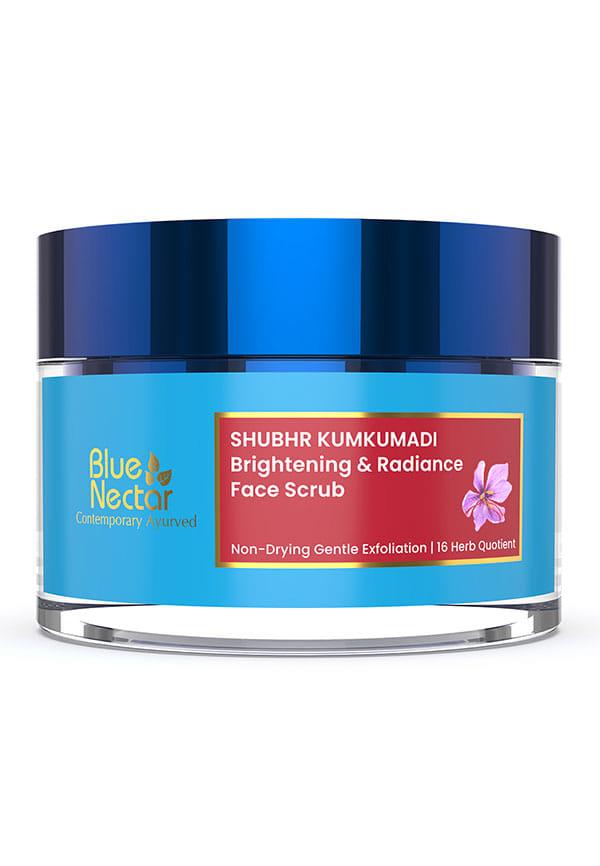
AyurvedicFace Scrub with Kumkumadi Tailam Glowing Skin, Tan Removal, De-Pigmentation, Dry, Oily, Combination Skin, Men & Women 16 Herbs
The best Indian skincare routine focuses on gentle cleansing, lightweight hydration, and consistent sun protection. A basic routine includes a gel cleanser, hydrating serum or lightweight moisturiser, and broad-spectrum SPF in the morning, with the addition of targeted treatments like niacinamide or gentle retinol in the evening.
During monsoon, focus on anti-fungal ingredients and ensure your products absorb quickly. Reduce heavy creams, add a gentle exfoliant to prevent congestion from increased humidity, and consider incorporating tea tree oil or neem to prevent fungal breakouts common during this season.
Retinol can be used in Indian summers, but start with lower concentrations and use it only 2-3 times per week initially. Always apply it at night, use a gentle moisturiser afterwards, and never skip SPF during the day. Consider retinol alternatives like bakuchiol if your skin is too sensitive.
Avoid heavy occlusive ingredients like petrolatum in humid weather, high concentrations of alcohol-based products, and overly rich formulations that can clog pores. Be cautious with high-strength acids during peak summer months, as heat can increase skin sensitivity.
In humid weather, exfoliate 2-3 times per week maximum with gentle AHAs or BHAs. Over-exfoliation in hot, humid conditions can lead to increased sensitivity and breakouts. Listen to your skin—if it feels tight or irritated, reduce frequency.
Adapting Western skincare for Indian climate isn't about completely overhauling your routine—it's about making smart swaps and adjustments that work with your environment, not against it. Your skin will notice the difference when you choose lightweight textures over heavy creams, add pollution-fighting antioxidants, and embrace the humidity rather than fighting it.
Remember, the best routine is one you'll actually stick to. Start with small changes—swap your heavy moisturiser for a gel formula, add a gentle vitamin C serum for pollution protection, or incorporate a weekly clay mask for oil control. Your skin needs time to adjust, so introduce changes gradually and pay attention to how it responds.
The beauty of platforms like Smytten is that you can explore different formulations and textures without committing to full-size products immediately. With over 2,400 brands available, you can discover which gel moisturiser works best for your combination skin or find the perfect lightweight SPF that doesn't pill under your makeup. It's a smart way to test before you invest, especially when you're transitioning your routine to better suit Indian climate conditions.
