How to Achieve Glass Skin on Indian Skin Tone: A Complete Guide


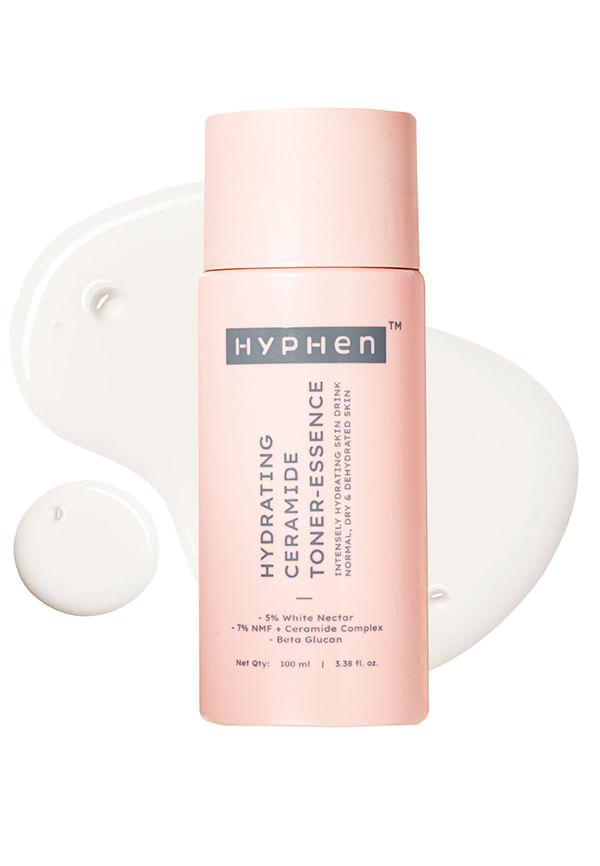 100 ml
7% Ceramides-NMF Face Toner Essence | 5% Glass Skin Blend with Rice Water
Glass skin has become the ultimate skincare goal, and honestly, who wouldn't want that translucent, poreless glow? But here's the thing—there's this weird myth floating around that achieving glass skin on Indian skin tone is somehow impossible. Let's be real, that's complete rubbish. Indian skin has some incredible advantages that actually make the glass skin dream totally achievable. From natural melanin protection to our skin's ability to hold moisture, we've got everything we need. The key is understanding what works specifically for our skin and climate, then building a routine that actually makes sense for our lifestyle.
Glass skin is basically that translucent, poreless, radiant complexion that looks like you've got a natural filter on. Think dewy, smooth, and so clear you could practically see your reflection in it. The term comes from Korean beauty culture, but the concept isn't new—it's just about having incredibly healthy skin that glows from within.
Now, let's tackle the elephant in the room. There's this ridiculous notion that glass skin is only for lighter skin tones, which is honestly just wrong. Indian skin tone has some serious advantages when it comes to achieving that coveted glow. Our natural melanin production gives us built-in sun protection, which means less damage and better skin texture over time. Plus, many of us naturally produce more oils, which can actually help maintain that dewy, glass-like finish when properly managed.
The science backs this up too. Indian skin typically has more active sebaceous glands and better natural hydration retention. What this means is that with the right glass skin routine, we can achieve that translucent look whilst maintaining our skin's natural protective barriers. It's not about changing your skin tone—it's about optimising what you've already got.
Before diving into any routine, you need to understand what you're working with. Most Indian skincare concerns stem from not recognising our unique skin characteristics and trying to follow routines designed for completely different climates and skin types.
Indian skin typically falls between Type III to V on the Fitzpatrick scale, which means we've got varying levels of melanin that affect how our skin responds to products and treatments. This natural melanin is actually brilliant for protecting against UV damage, but it also means we're more prone to post-inflammatory hyperpigmentation when our skin gets irritated.
Let's talk about what most of us are dealing with:
Uneven skin tone from sun exposure and pollution
Texture issues from humidity and sweat
Hyperpigmentation that takes forever to fade
Enlarged pores, especially in the T-zone
Combination skin that's oily in some areas, dry in others
Our environment plays a massive role in skin health. High humidity, pollution levels, and intense UV exposure all affect how our skin behaves. If you're in Mumbai, your skin's dealing with different challenges than someone in Delhi or Bangalore. Understanding these factors helps you customise your approach for better results.
Right, let's get into the actual routine that works for our skin and climate. This isn't about copying what works for Korean or Western skin—it's about adapting the concept to suit our specific needs and achieving that natural glow we're after.
The key to a successful glass skin routine is consistency and patience. You're not going to wake up with poreless skin overnight, but with the right approach, you'll start seeing improvements in about 4-6 weeks.
Your morning routine should focus on protection and creating that dewy base:
Gentle cleanser: Something that removes overnight buildup without stripping your skin
Vitamin C serum: For skin brightening and antioxidant protection
Lightweight moisturiser: Gel-based formulas work brilliantly in our climate
Broad-spectrum SPF 30+: Non-negotiable for maintaining even skin tone
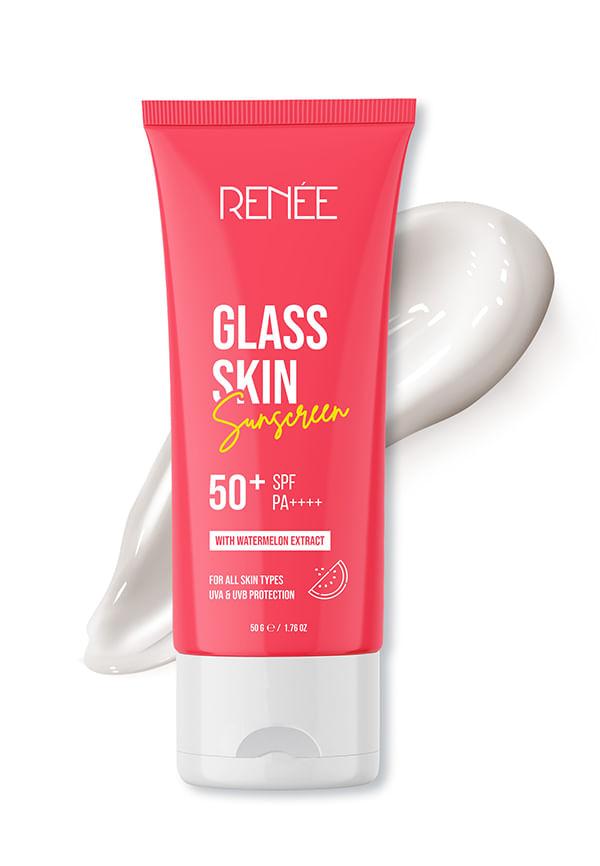 50 gm
50 gmGlass Skin Gel Sunscreen with SPF 50+
Evenings are for repair and renewal:
Double cleansing: Oil cleanser followed by water-based cleanser
Active ingredients: Alternate between retinoids, AHAs, and BHAs
Hydrating serums: Hyaluronic acid or niacinamide for healthy skin
Night moisturiser: Slightly richer formula to support overnight repair
Let's talk about what actually works for our skin. The key is finding products that address our specific concerns whilst working with our natural skin characteristics, not against them.
When you're building your routine, remember that you don't need to break the bank. Some of the most effective ingredients for achieving radiant skin are available in budget-friendly formulations. The trick is knowing what to look for and how to use them properly.
For Indian skin, you want cleansers that can handle our climate without over-drying:
Oil cleansers: Perfect for removing sunscreen and pollution buildup
Gel cleansers: Great for oily and combination skin types
Cream cleansers: Better for dry or sensitive skin
These are your heavy hitters for improving skin texture and achieving that glass-like finish:
Niacinamide: Reduces pore appearance and controls oil production
Hyaluronic acid: Plumps skin and maintains hydration
Vitamin C: Brightens skin and provides antioxidant protection
Retinoids: Improve skin texture and reduce fine lines
In our climate, you need products that hydrate without feeling heavy or greasy. Gel-based moisturisers work brilliantly for most Indian skin types, providing hydration whilst maintaining that dewy finish essential for glass skin.
Sometimes the best solutions are sitting right in your kitchen. Traditional Indian ingredients have been used for centuries to achieve healthy skin, and many of them are incredibly effective for the glass skin look.
The beauty of natural methods is that they're gentle, cost-effective, and often work brilliantly with our skin's natural characteristics. Plus, you know exactly what you're putting on your face.
These traditional ingredients can seriously boost your routine:
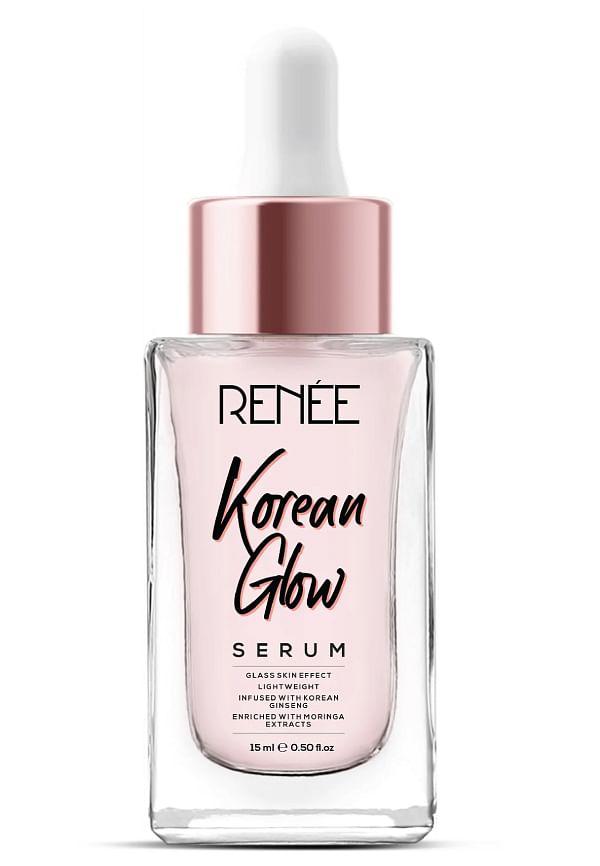 15 ml
15 mlKorean Glow Serum
Turmeric and yoghurt: Anti-inflammatory and gently exfoliating
Besan and rose water: Removes dead skin cells and brightens
Rice water: Contains vitamins and minerals that improve skin texture
Honey and oatmeal: Hydrating and soothing for sensitive skin
Your skin reflects your overall health, so these factors matter more than you might think:
Hydration: Aim for at least 8 glasses of water daily
Sleep: 7-8 hours for proper skin repair
Diet: Include antioxidant-rich foods and omega-3s
Stress management: Chronic stress shows up on your skin
Let's be honest—most of us have made these mistakes at some point. The good news is that once you know what to avoid, achieving glass skin becomes much more straightforward.
The biggest mistake people make is trying to rush the process. Glass skin isn't about using every active ingredient at once or following someone else's routine exactly. It's about finding what works for your specific skin and being consistent with it.
This is probably the most common mistake. Using too many acids or exfoliating too frequently can damage your skin barrier, leading to:
Increased sensitivity and redness
Dryness and flaking
More breakouts, not fewer
Delayed healing of existing blemishes
The order matters, and so does timing:
Always apply thinnest to thickest consistency
Wait 10-15 minutes between active ingredients
Don't mix certain actives (like vitamin C and retinoids)
Patch test everything, especially if you have sensitive skin
Sometimes you need a bit of professional help to achieve that poreless skin look. The good news is that there are several treatments specifically designed for Indian skin tones that can accelerate your glass skin journey.
Professional treatments can be particularly helpful if you're dealing with stubborn hyperpigmentation or texture issues that aren't responding to at-home care. However, they should complement your routine, not replace it entirely.
When done correctly, chemical peels can dramatically improve skin texture and tone:
Glycolic acid peels: Great for surface texture and mild pigmentation
Salicylic acid peels: Perfect for oily, acne-prone skin
Lactic acid peels: Gentler option for sensitive skin
TCA peels: For deeper pigmentation issues (professional only)
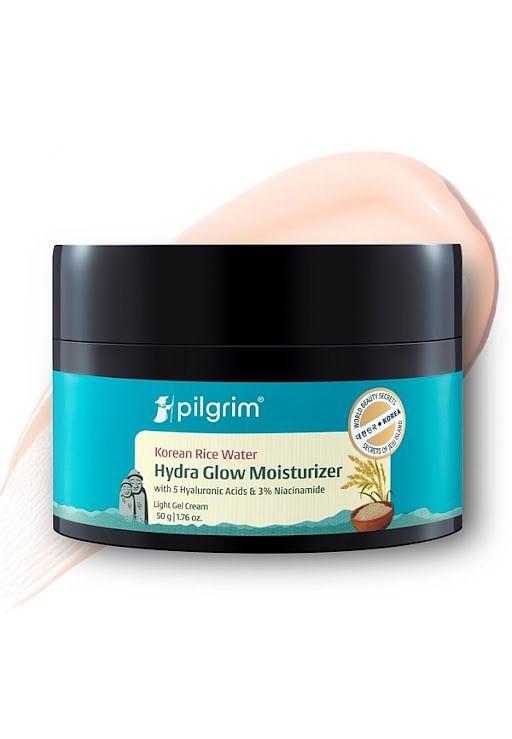 50 gm
50 gmKorean Rice Water Hydra Glow Light Gel Moisturizer with 5x Hydration
Microneedling: Improves skin texture and product absorption
Hydrafacials: Deep cleansing and hydration in one treatment
LED light therapy: Reduces inflammation and promotes healing
Professional facials: Customised treatments for your specific concerns
When exploring professional treatments, it's crucial to find practitioners experienced with Indian skin tones. What works for lighter skin might not be appropriate for us, and you want someone who understands these differences.
This is where platforms like Smytten become incredibly valuable. As India's largest product discovery and trial platform, Smytten connects you with over 1,500 trusted brands including skincare favourites like Cetaphil and Dot & Key. Instead of committing to full-size products that might not work for your skin, you can try curated trial packs to find what actually delivers results. With trial minis available for just ₹249 and 100% cashback redeemable for future purchases, you can experiment with different products and build your perfect glass skin routine without the financial risk.
Realistically, you'll start seeing improvements in 4-6 weeks with consistent routine. Full glass skin results typically take 3-6 months, depending on your starting point and skin concerns. Remember, it's about gradual improvement, not overnight transformation.
Absolutely! Many traditional Indian ingredients like turmeric, rice water, and honey can contribute to healthier skin. However, combining natural methods with proven ingredients like niacinamide and vitamin C often gives better results.
Yes, completely possible! Glass skin isn't about changing your skin colour—it's about achieving smooth, healthy, radiant skin regardless of your natural tone. Darker skin tones often have natural advantages like better moisture retention and sun protection.
Over-exfoliating and using too many active ingredients at once. This damages your skin barrier and actually makes your skin look worse. Start slow, be consistent, and give products time to work.
Not necessarily. Many people achieve excellent results with a consistent at-home routine. Professional treatments can speed up the process, especially for stubborn pigmentation or texture issues, but they're not essential for everyone.
Give new products at least 4-6 weeks to show results. Look for gradual improvements in skin texture, reduced breakouts, and more even tone. If you experience persistent irritation, redness, or worsening of your skin, discontinue use.
Achieving glass skin on Indian skin tone isn't just possible—it's totally within reach when you understand what works for our unique skin characteristics. The key is building a routine that addresses our specific concerns whilst working with our natural advantages, not against them.
Remember, this journey is about consistency over perfection. Start with the basics—gentle cleansing, proper hydration, sun protection, and one or two targeted treatments. As your skin improves, you can gradually add more sophisticated products and techniques. The most important thing is to be patient with the process and celebrate the small improvements along the way.
With platforms like Smytten making it easier than ever to discover and try products from trusted brands, building your perfect glass skin routine doesn't have to be overwhelming or expensive. You can explore what works for your specific skin type and concerns without the commitment, making your journey to radiant, healthy skin both affordable and enjoyable. After all, why settle for 'maybe' when you can try it all and find what truly works for you?
