How Sea Swimming Affects Vacation Skin Hydration and Tone

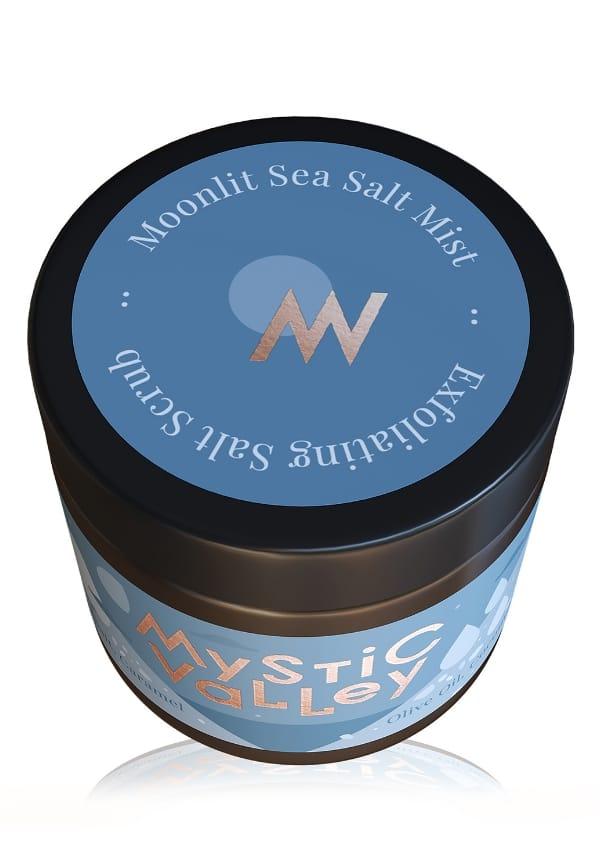
Moonlit Sea Salt Mist - Dead Sea Salt Exfoliating Body Scrub
That post-swim feeling when your skin feels impossibly tight and somehow both oily and parched at the same time? You're not imagining it. Sea swimming creates a unique cocktail of effects on your skin that can leave you glowing one moment and reaching for every moisturiser in sight the next. Whether you're planning a beach holiday or already dealing with the aftermath of ocean adventures, understanding how saltwater affects your skin's hydration and tone is the first step to keeping your complexion happy throughout your vacation.
Your skin is constantly working to maintain its delicate balance, and ocean water presents a fascinating challenge to this natural system. The salt concentration in seawater is significantly higher than what your skin cells are used to, creating an osmotic effect that draws moisture out of your skin. Think of it like a gentle but persistent sponge that keeps absorbing water from your skin's surface layers.
At the same time, seawater contains beneficial minerals like magnesium and potassium that can actually support skin health when exposure is balanced properly. The key lies in understanding how your skin responds to this mineral-rich environment and adjusting your skincare routine accordingly.
Your skin's outermost layer, the stratum corneum, acts like a protective brick wall held together by lipids and natural moisturising factors. This barrier is designed to keep water in and irritants out. When you swim in the sea, the high salt content can temporarily disrupt this barrier, leading to increased water loss and that familiar tight feeling post-swim.
Unlike chlorinated pool water, seawater contains a complex mix of minerals that can both benefit and challenge your skin. The natural pH of ocean water sits around 8.1, which is more alkaline than your skin's preferred acidic environment of 4.5-5.5. This pH difference can temporarily alter your skin's natural protective acid mantle, making it more vulnerable to moisture loss and irritation.
The relationship between your skin and seawater isn't entirely one-sided. Whilst the dehydrating effects are real, there are some surprising benefits that explain why many people notice their skin looking clearer during beach holidays. The natural antimicrobial properties of saltwater can help reduce bacteria on the skin's surface, which may temporarily improve conditions like mild acne or body breakouts.
The gentle exfoliating action of salt crystals also helps remove dead skin cells, revealing fresher skin underneath. This natural exfoliation can give your complexion a temporary glow, though it's important not to mistake this for long-term skin improvement if proper hydration isn't maintained.
Right after swimming, your skin might feel surprisingly soft due to the temporary plumping effect of water absorption. However, as the water evaporates and the salt residue remains, you'll likely experience tightness, particularly around areas where saltwater has pooled, like the hairline or behind your ears.
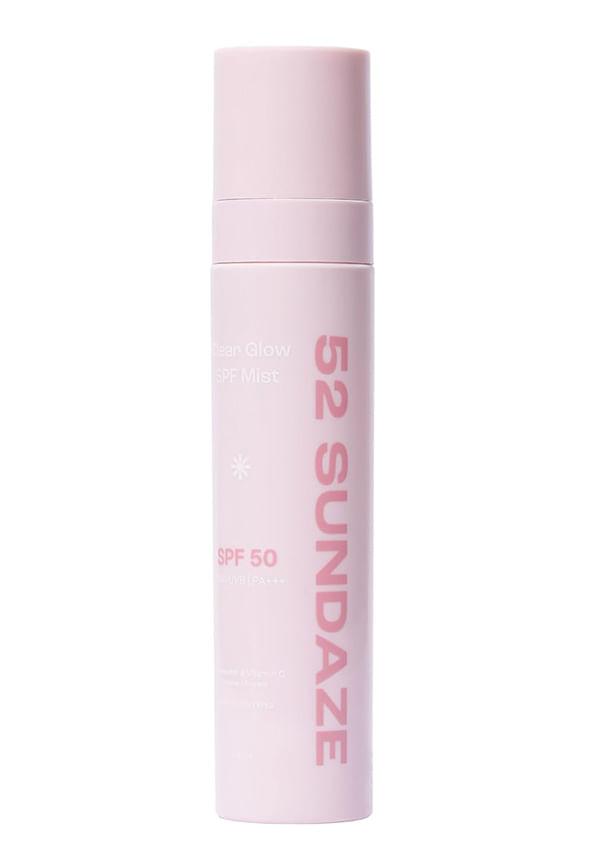
Clear Glow SPF Mist - Rosewater
The dehydrating effects of seawater don't happen instantly. Your skin can handle brief exposure quite well, but extended swimming sessions or repeated daily swims without proper recovery can lead to cumulative moisture loss. This is why your skin might feel fine after the first day at the beach but progressively drier as your holiday continues.
Beach vacations present a double challenge for your skin: not only are you dealing with saltwater exposure, but you're also contending with intensified sun exposure. Water acts like a mirror, reflecting UV rays back onto your skin and increasing your overall exposure. This reflection can intensify tanning but also accelerate skin damage if you're not adequately protected.
The combination of salt and sun creates a perfect storm for skin tone changes. Dehydrated skin is more susceptible to UV damage, and the exfoliating effect of saltwater can make your skin more photosensitive. This means you might tan faster, but you're also at higher risk for uneven pigmentation and sun spots.
That coveted beach glow isn't just about sun exposure. The mineral content in seawater can enhance melanin production, whilst the natural exfoliation reveals fresh skin that tans more evenly. However, this enhanced tanning response also means increased risk of hyperpigmentation, particularly if your skin becomes dehydrated and loses its natural protective functions.
Water-resistant sunscreen becomes absolutely crucial when swimming in the sea. Look for formulas that offer broad-spectrum protection and reapply every 40-80 minutes of water time, depending on the product's water resistance rating. Don't forget that wet skin can feel cool even when it's burning, so time limits are essential regardless of how comfortable you feel.
Maintaining healthy skin during a beach holiday requires a proactive approach that addresses both prevention and recovery. The goal isn't to avoid the ocean entirely but to support your skin's natural recovery processes so you can enjoy swimming without long-term consequences.
Start each beach day with a hydrating serum containing hyaluronic acid or glycerin under your moisturiser and sunscreen. These humectants will help your skin retain moisture even when challenged by saltwater exposure. Consider this your skin's insurance policy against the day ahead.

Body Wash For Glowing & Hydrating Skin Enriched With Green Apple & Melon
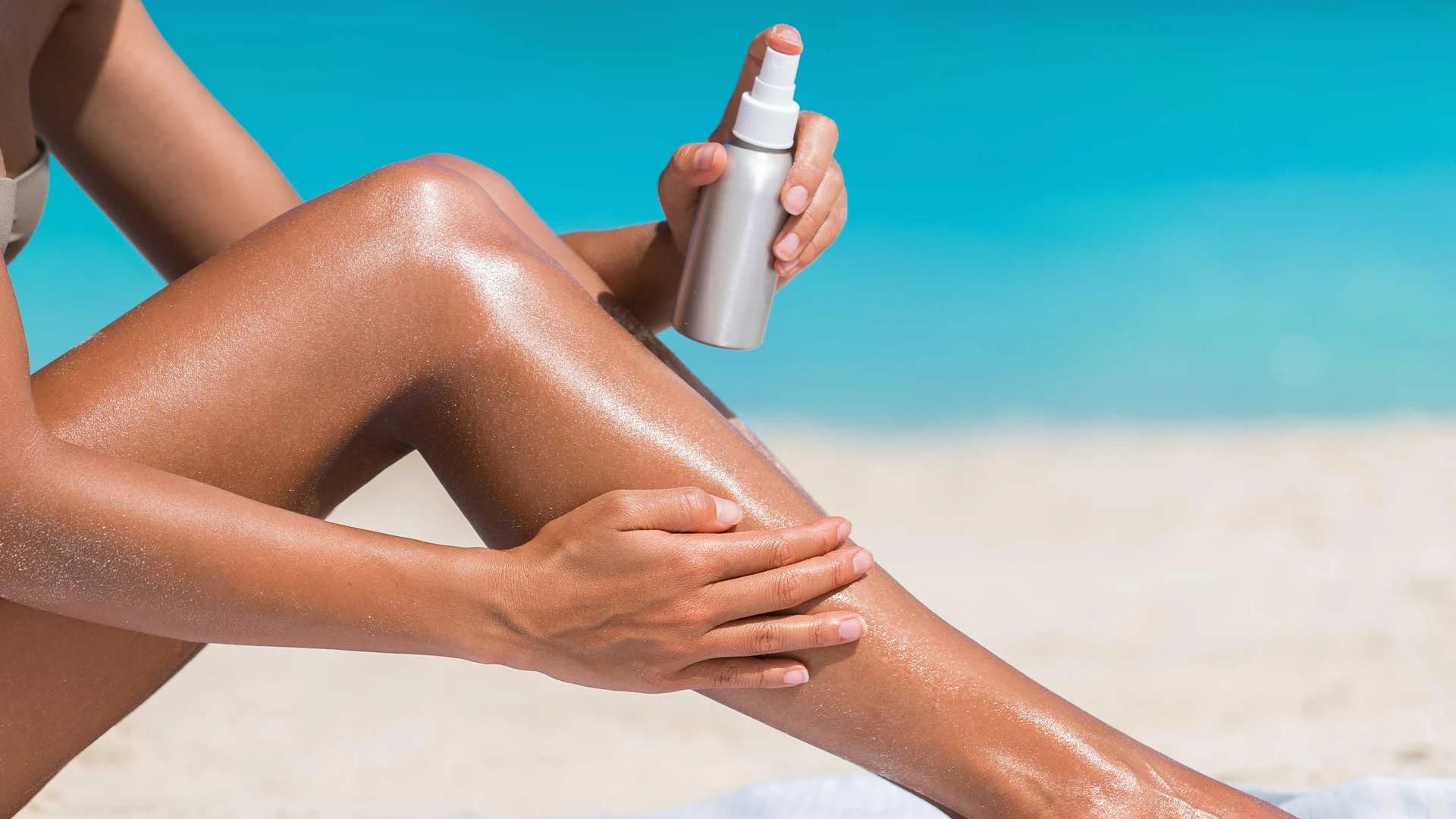
The most critical window for skin recovery is immediately after swimming. Rinse off with fresh water as soon as possible to remove salt residue, then apply a hydrating mist or serum while your skin is still damp. This technique, called wet skin application, helps lock in moisture more effectively than applying products to completely dry skin.
Your evening skincare routine becomes even more important during beach holidays. After cleansing away sunscreen and salt residue, focus on intensive hydration with products containing ceramides, niacinamide, or peptides. These ingredients help repair the skin barrier and reduce inflammation from sun and salt exposure.
Not all skincare products are created equal when it comes to beach conditions. Look for formulations specifically designed to withstand water exposure and provide lasting hydration. Waterproof moisturisers and barrier creams can provide an extra layer of protection before you enter the water.
For post-swim care, gentle, fragrance-free formulas work best on sensitised skin. Avoid products with high concentrations of active ingredients like retinol or AHAs during beach holidays, as sun-exposed skin is more sensitive to these ingredients.
If you prefer natural options, coconut oil can provide some protective benefits before swimming, though it won't replace proper sunscreen. Aloe vera gel offers excellent post-swim soothing properties, particularly for skin that's been overexposed to sun or salt.
While some skin changes during beach holidays are normal, certain signs warrant attention. Persistent redness, unusual dryness that doesn't improve with moisturising, or any new spots or changes in existing moles should be evaluated by a healthcare professional.
Remember that dehydrated skin can sometimes mask other issues. If your skin doesn't return to normal within a week of returning from holiday despite proper hydration, consider consulting a dermatologist to rule out any underlying concerns.
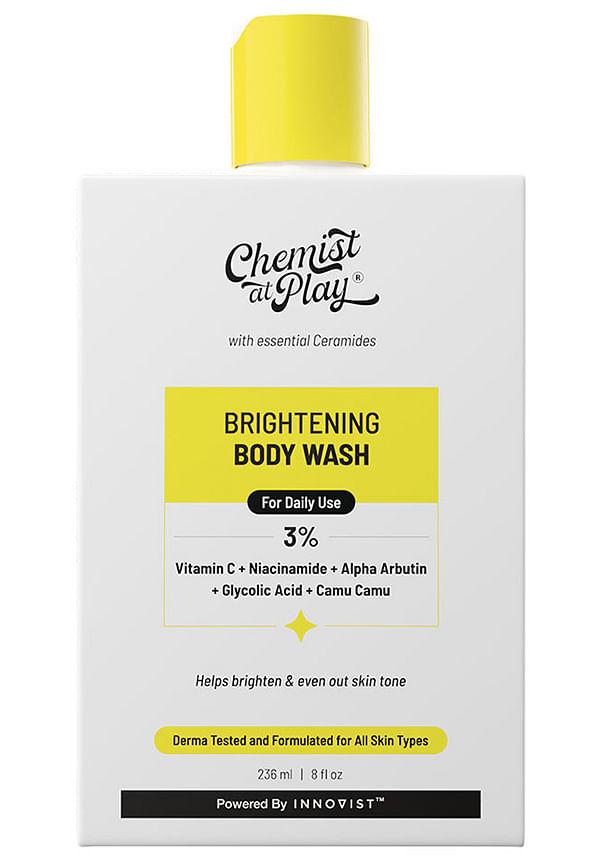
Brightening Body Wash | Vitamin C Bodywash for Glowing Skin
Apply moisturiser immediately after rinsing off saltwater, ideally within 3-5 minutes whilst your skin is still slightly damp. This helps trap moisture and prevents the tight, dry feeling that develops as salt residue dries on your skin.
Some people with conditions like eczema or psoriasis find temporary relief from seawater's anti-inflammatory minerals. However, this varies greatly between individuals, and the drying effects can also worsen these conditions. Always consult your dermatologist before relying on seawater as treatment.
The initial glow comes from natural exfoliation and mineral absorption, but cumulative dehydration and sun exposure catch up after repeated exposure. This is why maintaining a consistent skincare routine throughout your holiday is crucial.
With proper protection and recovery routines, daily ocean swimming can be safe for most skin types. The key is limiting exposure time, using adequate sun protection, and maintaining consistent post-swim skincare habits.
Chlorinated water tends to be more immediately drying and can cause irritation, whilst saltwater provides some beneficial minerals but creates longer-term dehydration through osmotic effects. Both require thorough rinsing and moisturising afterward.
Understanding how sea swimming affects skin hydration and tone empowers you to enjoy beach holidays without sacrificing your skin's health. The key lies in preparation, protection, and recovery rather than avoidance. Your skin is remarkably adaptable, and with the right approach, you can maintain healthy hydration levels whilst still enjoying all the benefits of ocean swimming.
Remember that everyone's skin responds differently to saltwater exposure. Pay attention to how your skin feels and looks throughout your holiday, and adjust your routine accordingly. What works for your friend might not work for you, and that's perfectly normal.
If you're curious about trying new products for your beach skincare routine but hesitant to commit to full sizes, platforms like Smytten offer a practical solution. With access to minis from trusted brands, you can test different formulations to find what works best for your skin's unique needs before your next seaside adventure. After all, discovering the right products shouldn't require a full-size gamble when you're preparing for precious holiday time.
