How Propolis Works in Skincare for Acne in India


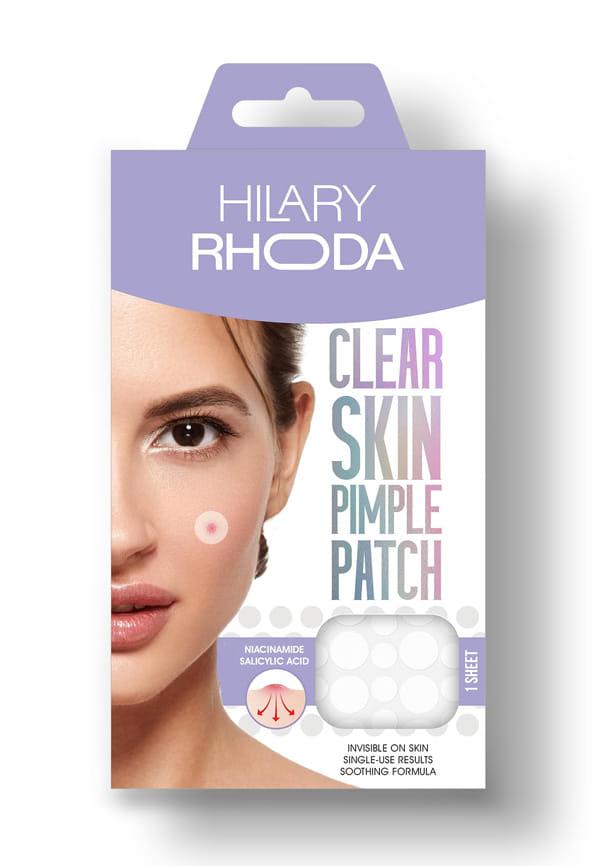
Clear Skin Pimple Patch
You've probably heard whispers about propolis in skincare circles lately, especially if you're dealing with stubborn acne that just won't budge. This bee-derived ingredient has been creating quite a buzz (pun intended) in the Indian skincare community, and for good reason. If you're tired of harsh chemical treatments that leave your skin feeling stripped and irritated, or if you're curious about natural alternatives that actually work, propolis might be worth exploring. But before you jump on the bandwagon, let's dive deep into what this golden ingredient actually does for acne-prone skin and whether it's suitable for Indian skin types and climate conditions.
Propolis is essentially nature's antiseptic – a resinous substance that bees collect from tree buds and sap flows to seal and protect their hives. Think of it as the bee equivalent of a security system, keeping harmful bacteria and fungi at bay. This protective quality is exactly what makes it so interesting for skincare, particularly for those dealing with acne.
The ingredient has been making waves in the Indian beauty market recently, and it's not just another K-beauty trend that'll disappear in a few months. Indian consumers are increasingly drawn to natural acne treatments that work harmoniously with our diverse skin types and challenging climate conditions. Unlike some Western skincare ingredients that can feel too harsh for Indian skin, propolis offers a gentler approach that doesn't compromise on effectiveness.
What's particularly appealing about propolis is how it bridges traditional and modern skincare approaches. While we've long relied on ingredients like neem and turmeric for their antibacterial properties, propolis brings similar benefits with a more refined, research-backed profile. It's especially well-suited to Indian skin because it doesn't cause the excessive dryness that many acne treatments do – something that's crucial when you're dealing with both breakouts and the dehydrating effects of air conditioning or harsh summer heat.
Understanding how propolis actually works can help you decide if it's right for your skin concerns. The magic lies in its unique composition of flavonoids, phenolic acids, and other bioactive compounds that work together to tackle acne from multiple angles.
The primary way propolis works for acne is through its powerful antibacterial action against Cutibacterium acnes (formerly P. acnes), the bacteria responsible for inflammatory acne. Research shows that propolis can inhibit the growth of these bacteria more effectively than some conventional treatments, but without the harsh side effects. This means fewer angry, inflamed breakouts over time.
Propolis anti-inflammatory properties are where it really shines for Indian skin. The ingredient contains compounds that help calm irritated skin and reduce the redness and swelling associated with acne. This is particularly beneficial if you're dealing with hormonal breakouts or post-gym congestion, as it helps your skin recover more quickly without prolonged inflammation.
Beyond fighting acne directly, propolis helps strengthen your skin's natural barrier function. This is crucial for maintaining healthy skin that's less prone to breakouts in the first place. The antioxidant properties also help protect against environmental stressors like pollution – something that's particularly relevant for urban Indian environments.
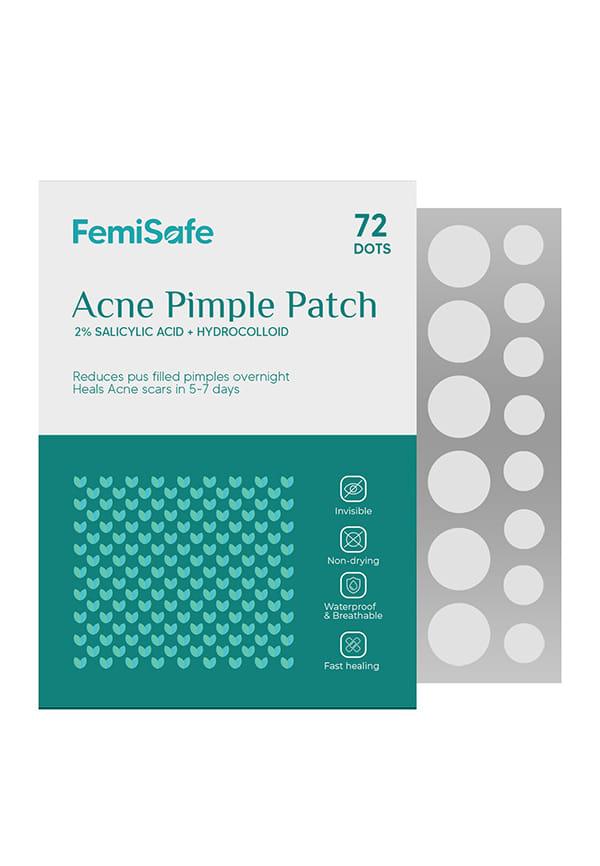
Acne Pimple Patch
Not all acne is created equal, and propolis doesn't work the same way for every type of breakout. Understanding which acne concerns it addresses best can help you set realistic expectations.
This is where propolis truly excels. If you're dealing with those painful, red bumps that seem to take forever to heal, propolis skin healing properties can help reduce both the severity and duration of inflammatory breakouts. The anti-inflammatory action helps calm the skin while the antibacterial properties tackle the underlying infection.
While propolis isn't as effective for comedonal acne as ingredients like salicylic acid, it can still play a supporting role. Its antioxidant properties help prevent the oxidation that turns whiteheads into blackheads, and its gentle nature makes it suitable for use alongside other comedolytic treatments.
One of the most impressive benefits of propolis on skin is its ability to support the healing process. While it won't erase existing scars, it can help prevent new ones from forming by reducing inflammation and supporting healthy skin regeneration. This is particularly valuable for Indian skin tones that are more prone to post-inflammatory hyperpigmentation.
If you've struggled with acne treatments that leave your skin feeling raw and irritated, propolis offers a gentler alternative. Its soothing properties make it suitable for sensitive skin types that can't tolerate stronger actives like benzoyl peroxide or high-concentration acids.
This is probably one of the most important questions when considering any new skincare ingredient, especially if you've had bad experiences with acne treatments in the past.
Propolis for sensitive skin is generally well-tolerated, but there are important caveats to consider. The ingredient is naturally gentle and less likely to cause irritation compared to traditional acne treatments. However, individual reactions can vary, and some people may be sensitive to bee-derived products.
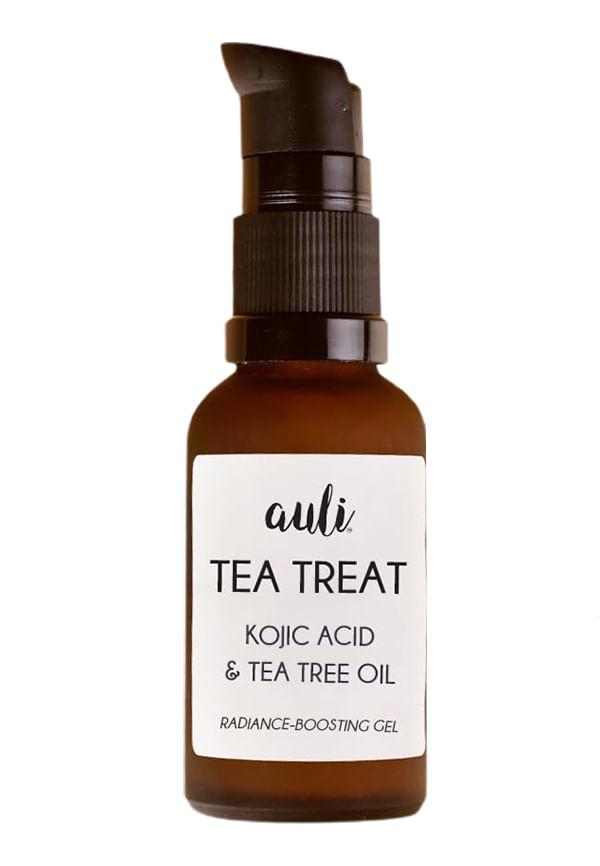
Auli Tea Treat Spot Removing Skin Brightening Anti-Acne and Scar Preventing Gel - 30 ml
While propolis skin irritation is relatively rare, it can occur, particularly in people with bee allergies or sensitivities to tree resins. Signs to watch for include redness, itching, or burning sensations. If you have known allergies to bee products, honey, or tree pollen, you should approach propolis with extra caution.
Always patch test propolis products on a small area of skin (like behind your ear) for 24-48 hours before applying to your face. Start with lower concentrations and gradually increase frequency as your skin builds tolerance. This approach is particularly important for Indian skin, which can sometimes react unpredictably to new ingredients due to our diverse genetic backgrounds and varying environmental exposures.
Knowing how to properly incorporate propolis into your routine can make the difference between seeing results and experiencing disappointment.
Propolis can be used both morning and evening, but many people find it more beneficial in their evening routine when the skin is in repair mode. If using in the morning, always follow with SPF, as some propolis formulations can make skin slightly more photosensitive.
One of the advantages of propolis uses for skin is its compatibility with other skincare ingredients for acne. It pairs well with niacinamide, hyaluronic acid, and even gentle acids like lactic acid. However, be cautious when combining with stronger actives like retinoids or high-concentration AHAs – introduce one new ingredient at a time.
Start with products containing 1-5% propolis and use them every other day initially. As your skin adjusts, you can increase to daily use. Higher concentrations (10-20%) are available but should be introduced gradually, especially if you have sensitive skin.
Propolis comes in various formulations – serums for targeted treatment, moisturisers for overall skin health, and spot treatments for active breakouts. Choose based on your skin's needs and the severity of your acne concerns.
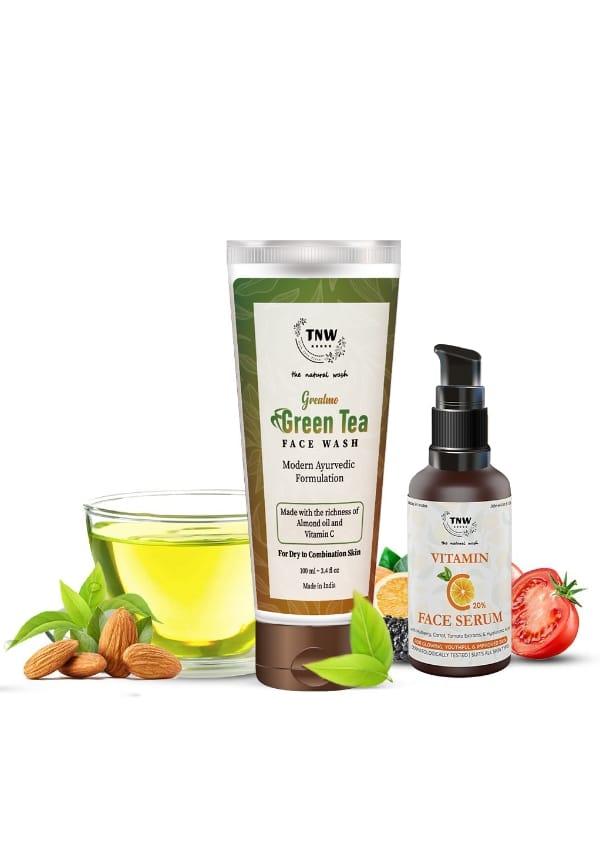
Green Tea Helps Prevent Acne and Purifies Skin with Vitamin C Serum Reduce hyperpigmentation & Dark Spots
While pure propolis extract exists, it's generally better to use formulated products that contain propolis along with other beneficial ingredients. Pure propolis can be quite sticky and may clog pores if not properly formulated. Look for serums or spot treatments that contain propolis as a key ingredient rather than trying to apply raw propolis directly.
Propolis itself is not considered comedogenic, but this can depend on the formulation and other ingredients in the product. Some propolis products may contain oils or waxes that could potentially clog pores in very acne-prone individuals. Always check the full ingredient list and patch test new products.
Most people start noticing improvements in skin texture and reduced inflammation within 2-4 weeks of consistent use. For significant acne improvement, give it at least 6-8 weeks. Remember that skincare results are gradual, and propolis works best as part of a comprehensive routine rather than a quick fix.
Propolis can support the skin's natural healing process and may help prevent new scars from forming by reducing inflammation. However, it's not a treatment for existing acne scars. For established scarring, you'd need more targeted treatments like chemical peels, microneedling, or laser therapy.
Generally yes, but always consult with your dermatologist before adding new ingredients to your routine if you're using prescription treatments. Propolis is gentle enough to complement most acne medications, but your doctor can advise on the best approach for your specific situation.
While both are bee-derived, propolis is more concentrated in antibacterial and anti-inflammatory compounds. Honey is primarily moisturising and mildly antibacterial, while propolis is more targeted for acne treatment. Propolis is generally less sticky and easier to formulate into skincare products.
Propolis represents an exciting middle ground between traditional natural remedies and modern skincare science. For Indian skin dealing with acne concerns, it offers a gentler alternative to harsh treatments while still providing meaningful antibacterial and anti-inflammatory benefits. The key is managing expectations – propolis isn't a miracle cure, but it can be a valuable addition to a well-rounded skincare routine.
What makes propolis particularly appealing is its suitability for our climate and skin types. Unlike some acne treatments that can leave skin feeling stripped and vulnerable, propolis supports the skin barrier while addressing breakouts. This makes it especially valuable for those dealing with the double challenge of acne and environmental stressors like pollution and humidity.
If you're curious about exploring propolis-containing products, Smytten's curated selection includes several trusted brands that feature this ingredient in their formulations. With over 28 million users discovering new products through trial-sized options, it's a smart way to test whether propolis works for your skin before committing to full-size products. After all, the best skincare routine is one that's tailored to your unique needs – and sometimes that means trying something new to find what truly works.
