How Pollution and Smog Damage Skin Barriers in Indian Metro Cities


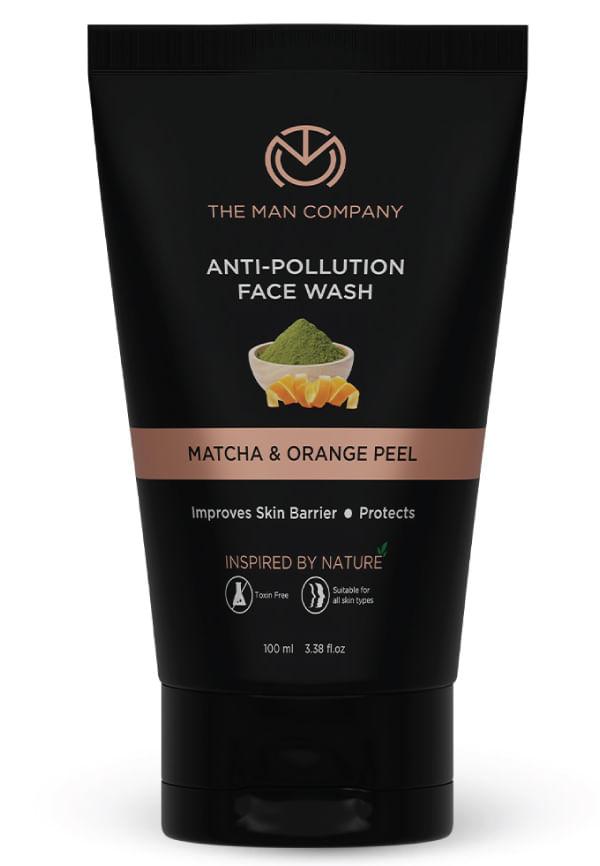
Anti pollution Face Wash
Your morning commute through Delhi's smog-choked streets leaves more than just a bitter taste in your mouth. By the time you reach your office, that grey haze has already begun its silent assault on your skin. If you've noticed your complexion looking duller, more congested, or developing stubborn dark spots despite your usual skincare routine, you're witnessing firsthand how pollution and smog damage the skin barrier in Indian metro cities. The numbers are staggering: Delhi's AQI regularly crosses 400 during winter months, while Mumbai and Bangalore residents face their own cocktail of industrial emissions and vehicular pollutants. Your skin, acting as your body's first line of defence, bears the brunt of this environmental onslaught daily.
Understanding how pollution damages your skin barrier starts with knowing what your skin barrier actually does. Think of it as your body's natural shield - a complex network of lipids, ceramides, and proteins that keeps moisture in and harmful substances out. When functioning properly, this barrier maintains your skin's hydration levels while protecting against environmental aggressors. However, the relentless exposure to pollutants in Indian metro cities disrupts this delicate balance, leaving your skin vulnerable and compromised.
The microscopic particles floating in our city air don't just settle on your skin's surface - they actively penetrate and cause damage at the cellular level. PM2.5 and PM10 particles, common in Indian metro pollution, are small enough to slip through your skin's natural defences. Once inside, they trigger a cascade of harmful reactions including oxidative stress and free radical formation. These free radicals attack your skin cells' DNA, proteins, and lipids, leading to premature ageing and barrier dysfunction.
When pollutants breach your skin barrier, your body's immune system kicks into overdrive. The aryl hydrocarbon receptor (AhR) becomes activated, triggering the release of inflammatory cytokines. This chronic inflammation doesn't just cause immediate redness and irritation - it also stimulates melanin overproduction, leading to the hyperpigmentation that many metro city residents struggle with. Your skin essentially remains in a constant state of stress, unable to repair itself effectively.
Each Indian metro city presents its unique pollution challenges, and understanding these differences helps explain why your skin might react differently when you travel between cities. The composition of pollutants varies dramatically based on industrial activity, traffic patterns, and geographical factors.
Smog skin damage reaches its peak in Delhi during winter months when stubble burning combines with vehicular emissions and construction dust. The thick, grey blanket that envelops the city contains a toxic mix of particulate matter, nitrogen oxides, and sulphur compounds. Delhi residents often report increased breakouts, persistent dullness, and accelerated signs of ageing during these high-pollution periods. The combination of low temperatures and high pollution creates the perfect storm for skin barrier disruption.
Mumbai's coastal location creates a unique set of skin challenges. Industrial emissions from the port and surrounding factories mix with high humidity levels, creating a sticky film that adheres to skin more readily. The salt air, while beneficial in some ways, can also interact with pollutants to create compounds that are particularly harsh on sensitive skin. Many Mumbai residents notice their skin becoming more reactive and prone to inflammation, especially during monsoon season when pollution levels spike.
The metro city pollution effects in IT hubs like Bangalore and Pune follow distinct patterns tied to work schedules and traffic flows. Tech workers face a double challenge: outdoor pollution during commutes and indoor air quality issues from air conditioning systems that recirculate polluted air. The constant transition between polluted outdoor environments and artificially controlled indoor spaces puts additional stress on the skin barrier, leading to dehydration and sensitivity.
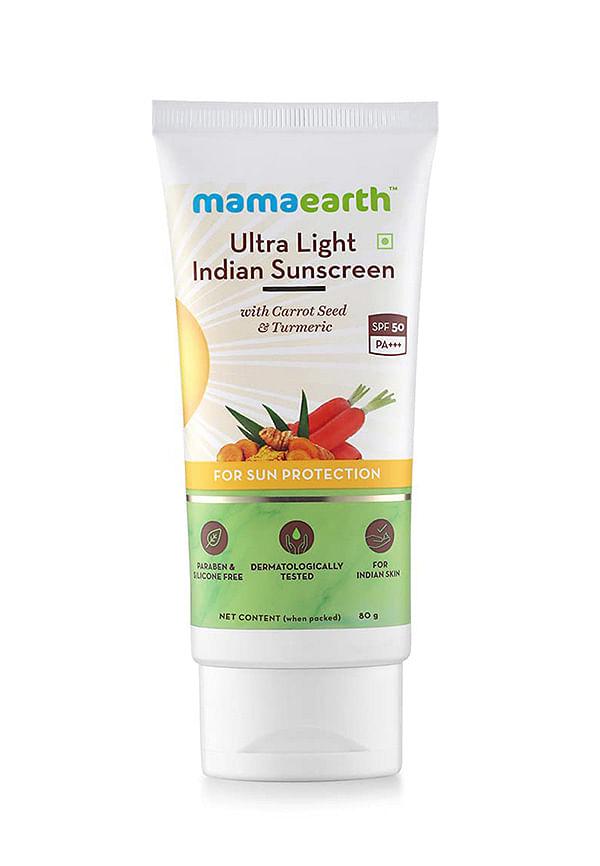
Ultra Light indian Sunscreen
The effects of environmental skin damage don't happen overnight, but they're becoming increasingly visible among urban Indians. Dermatologists across metro cities report a surge in pollution-related skin concerns, with patients as young as their early twenties showing signs typically associated with much older age groups.
Pollution accelerates the ageing process by breaking down collagen and elastin fibres in your skin. Combined with UV exposure, this leads to the formation of solar lentigines (age spots) and deep wrinkles. Many metro city residents notice fine lines appearing around their eyes and mouth earlier than expected, along with a loss of skin elasticity that makes their complexion appear tired and aged.
Indian city pollution skin darkening is a growing concern, particularly among women. Pollution-induced inflammation triggers melanin overproduction, leading to uneven skin tone and stubborn dark patches. Post-inflammatory hyperpigmentation (PIH) becomes more pronounced and takes longer to fade when skin is constantly exposed to pollutants. Many notice their melasma worsening during high-pollution seasons, despite religious sunscreen use.
Particulate matter clogs pores and oxidises sebum, creating the perfect environment for acne-causing bacteria to thrive. Metro city residents often experience persistent congestion, blackheads, and inflammatory breakouts that seem resistant to traditional acne treatments. Those with existing conditions like atopic dermatitis or psoriasis frequently report flare-ups during periods of poor air quality.
Developing an effective skincare for pollution routine requires a multi-pronged approach that addresses both prevention and repair. Your skin needs extra support to function optimally in polluted environments, and this means adapting your routine to provide enhanced protection and recovery.
Your morning routine should focus on creating a protective barrier against the day's pollution exposure. Start with a gentle cleanser to remove overnight impurities, followed by an antioxidant serum containing vitamin C, vitamin E, or glutathione. These ingredients neutralise free radicals before they can cause damage. Layer on a broad-spectrum sunscreen with at least SPF 30, as UV rays amplify pollution damage. Finish with a barrier-strengthening moisturiser that contains ceramides or niacinamide to reinforce your skin's natural defences.
Your anti-pollution skincare routine becomes crucial in the evening when it's time to remove the day's accumulated pollutants and support overnight repair. Double cleansing is non-negotiable - start with a cleansing oil to dissolve pollution particles and makeup, followed by a gentle water-based cleanser. Look for products specifically formulated to remove urban pollutants. Follow with treatments containing ingredients like retinol, peptides, or AHAs to support cellular turnover and barrier repair while you sleep.
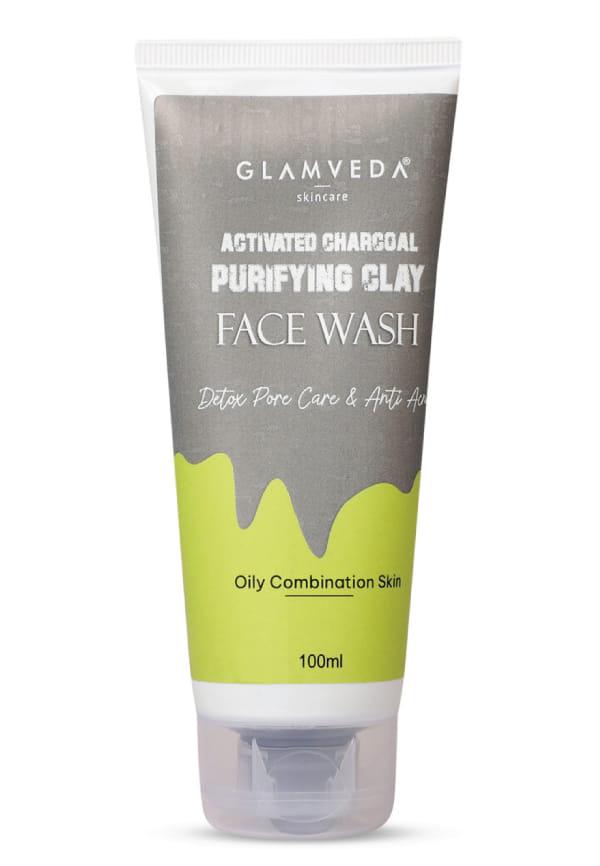
Activated Charcoal Clay Face Wash, Fights Pollution and Acne, Oil Control
Once or twice weekly, incorporate deeper cleansing treatments to address pollution buildup. Clay masks containing bentonite or kaolin help draw out impurities from pores, while gentle exfoliation removes dead skin cells that can trap pollutants. Follow with intensive hydrating treatments or overnight masks to restore moisture and support barrier function recovery.
Protecting your skin from urban pollution skin damage extends beyond topical treatments. Your environment, diet, and daily habits all play crucial roles in maintaining skin health in polluted cities.
Creating a pollution-free sanctuary at home helps your skin recover from daily exposure. Invest in a quality air purifier with HEPA filtration, and consider adding air-purifying plants like snake plants or peace lilies. Maintain optimal humidity levels between 40-60% to prevent skin dehydration. Designate your bedroom as a pollution-free zone where your skin can repair overnight without additional environmental stress.
Your diet can significantly impact your skin's ability to defend against pollution. Include antioxidant-rich Indian foods like turmeric, green tea, pomegranates, and leafy greens in your daily meals. These foods provide internal protection against oxidative stress. Stay well-hydrated, as polluted environments can increase water loss through the skin. Consider supplements like omega-3 fatty acids or vitamin E if your diet lacks these protective nutrients.
Minimising urban pollution skin exposure requires strategic timing of outdoor activities. Use AQI monitoring apps to check pollution levels before heading out. Plan outdoor exercise for early morning hours when pollution levels are typically lower. When AQI exceeds 150, consider indoor alternatives for workouts. Wear protective clothing and accessories like scarves or masks during high-pollution days.
Sometimes, home care isn't enough to address significant pollution damage. Professional treatments can provide deeper intervention and faster results for compromised skin barriers.
Chemical peels using glycolic acid or salicylic acid can help remove pollution-damaged surface layers and stimulate healthy cell turnover. For hyperpigmentation caused by pollution, laser treatments like Q-switched lasers or IPL can target stubborn dark spots. Professional barrier repair treatments using medical-grade ceramides or growth factors can help restore severely compromised skin function.
Many spas now offer pollution-specific treatments like oxygen facials that help detoxify skin and boost cellular repair. LED therapy can reduce inflammation and support healing, while customised treatment plans address individual pollution damage patterns. Look for clinics that understand the specific challenges faced by metro city residents.
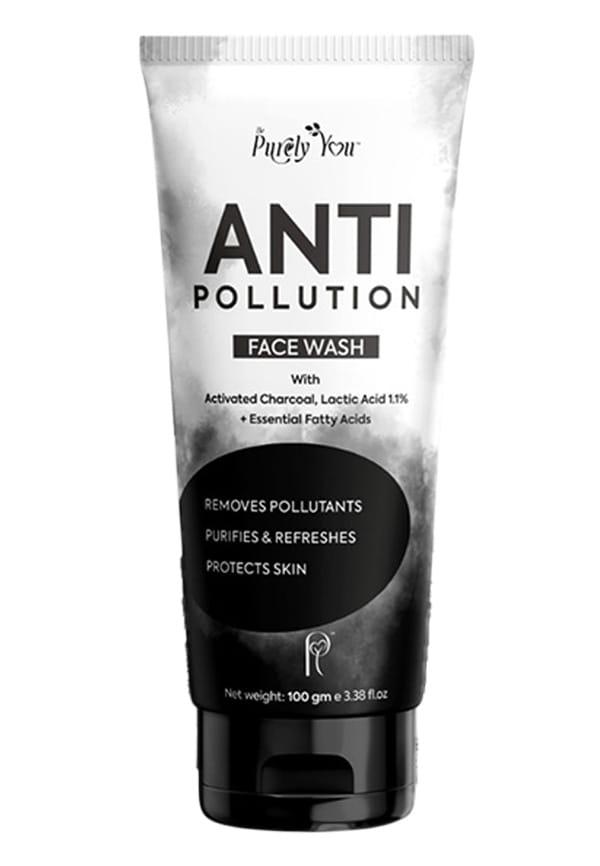
Anti Pollution Face Wash
Pollution damages skin barriers through multiple mechanisms. PM2.5 and PM10 particles penetrate the skin, causing oxidative stress and inflammation. This leads to lipid peroxidation, protein damage, and disruption of the skin's natural protective function. In Indian metro cities, the combination of vehicular emissions, industrial pollutants, and seasonal factors like stubble burning creates particularly harsh conditions that accelerate barrier breakdown and premature ageing.
The most damaging pollutants include fine particulate matter (PM2.5 and PM10), nitrogen oxides from vehicle emissions, sulphur compounds from industrial sources, and ground-level ozone. During winter months, polycyclic aromatic hydrocarbons from stubble burning add another layer of skin-damaging compounds. These pollutants work synergistically to overwhelm the skin's natural defence mechanisms.
With consistent care and the right approach, significant improvement is possible. The skin has remarkable regenerative capacity, but restoration depends on the extent of damage and continued exposure levels. A combination of protective skincare, professional treatments, and lifestyle modifications can help rebuild barrier function, though complete reversal may take months to years of dedicated care.
Acute effects like increased breakouts and dullness can appear within days of high pollution exposure. However, more serious damage like hyperpigmentation and premature ageing typically develops over months to years of chronic exposure. The timeline varies based on individual skin sensitivity, existing barrier health, and protective measures taken.
Key protective ingredients include antioxidants like vitamin C, vitamin E, and niacinamide for free radical neutralisation. Barrier-repairing ingredients such as ceramides, hyaluronic acid, and peptides help restore function. Gentle exfoliants like AHAs and BHAs remove pollution buildup, while broad-spectrum sunscreens prevent additional UV-induced damage that compounds pollution effects.
Understanding how pollution and skin health intersect in Indian metro cities is the first step towards protecting your skin's future. The reality is that urban living exposes us to environmental challenges our skin wasn't designed to handle, but knowledge empowers us to fight back effectively. Your skin barrier can be strengthened and restored with the right combination of protective skincare, lifestyle adjustments, and professional support when needed.
The key lies in consistency and adaptation - what works in a less polluted environment may not suffice in Delhi's winter smog or Mumbai's humid, industrial air. Your skincare routine should evolve with your environment, providing extra protection during high-pollution seasons and focused repair during cleaner periods. Remember, this isn't about perfection but about giving your skin the best possible chance to thrive despite environmental challenges.
If you're looking to explore new products specifically formulated for pollution protection, Smytten offers an extensive range of skincare options from trusted brands. With over 28 million users discovering products through trial-sized options, you can test anti-pollution serums, barrier repair creams, and protective treatments before committing to full sizes. This approach is particularly valuable when building a pollution-defence routine, as it allows you to find what works best for your skin's unique needs without the investment risk.
