How Oil-Control Face Washes Help Men Combat Acne Effectively


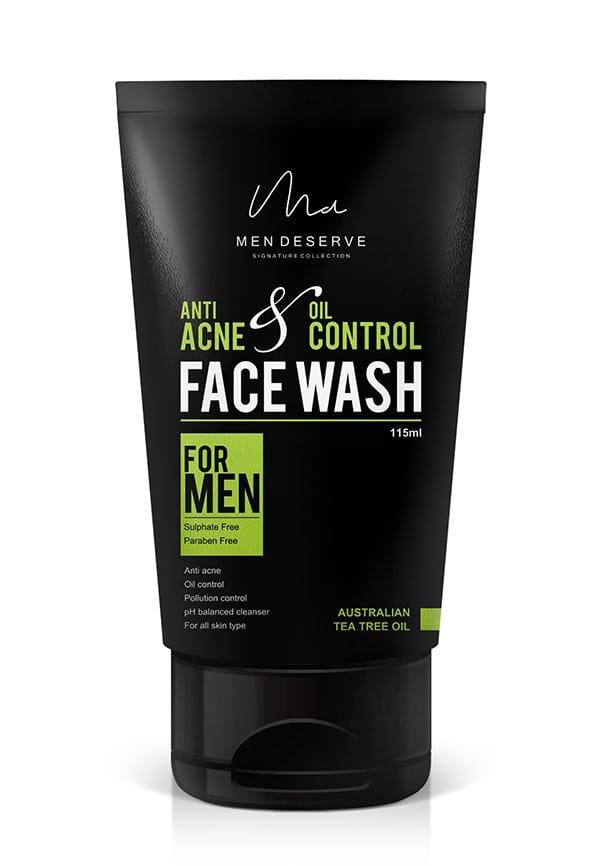
Anti Acne And Oil Control Face Wash
Real talk: if you've ever stood in front of the mirror wondering why your skin seems to produce enough oil to fuel a small engine, you're not alone. Men's skin naturally produces more sebum than women's, and when that excess oil meets dead skin cells and bacteria, the result is often frustrating breakouts that seem impossible to control. The good news? Understanding how oil-control face washes work can be your first step towards clearer, healthier skin.
Men's skin produces significantly more oil than women's skin, thanks largely to higher testosterone levels. This hormone doesn't just influence muscle growth and voice changes—it also ramps up sebaceous gland activity, leading to increased sebum production. While this natural oil serves to protect and moisturise your skin, excess amounts can quickly become problematic. The acne formation process follows a predictable pattern: excess oil mixes with dead skin cells, creating a plug that blocks your pores. This environment becomes a breeding ground for Propionibacterium acnes bacteria, which feed on the trapped oil and multiply rapidly. As your immune system responds to this bacterial overgrowth, inflammation occurs, resulting in the red, swollen bumps we recognise as acne. Men typically experience breakouts in specific areas where oil production is highest. The T-zone (forehead, nose, and chin) is a common battleground, but many men also struggle with acne along the jawline, where shaving can further irritate already congested pores. Back and chest acne are also frequent concerns, particularly for men who exercise regularly or live in humid climates.
Oil-control face washes tackle acne through multiple mechanisms that address the root causes of breakouts. Unlike regular cleansers that simply remove surface dirt, these specialised formulations penetrate deeper into pores to dissolve excess sebum and prevent the formation of comedones (blackheads and whiteheads). The key lies in sebum regulation rather than complete oil removal. Effective oil-control cleansers contain ingredients that help normalise oil production without stripping your skin completely dry. This balance is crucial because over-drying can actually trigger your skin to produce even more oil as a protective response, creating a frustrating cycle of increased breakouts. These face washes also work to reduce bacterial populations on your skin's surface. Many contain antimicrobial ingredients that specifically target acne-causing bacteria whilst preserving beneficial microorganisms that support healthy skin function. Additionally, they help manage inflammation, which not only reduces the appearance of existing breakouts but also prevents post-inflammatory hyperpigmentation that can linger long after spots have healed. The prevention-focused approach of oil-control face washes makes them particularly valuable for men with acne-prone skin. Rather than waiting for breakouts to occur and then treating them, consistent use helps maintain cleaner pores and balanced oil production, significantly reducing the likelihood of new acne formation.
Salicylic acid stands out as one of the most effective ingredients for oil control and acne prevention. This beta-hydroxy acid (BHA) is oil-soluble, allowing it to penetrate deep into pores and dissolve the sebum and dead skin cells that contribute to blockages. It also provides gentle exfoliation, helping to prevent the buildup of debris that leads to blackheads and whiteheads. Niacinamide, also known as vitamin B3, offers dual benefits for acne-prone skin. It helps regulate sebum production whilst reducing inflammation and redness associated with breakouts. Many men find that niacinamide-containing cleansers help improve their skin's overall texture and tone over time. Tea tree oil provides natural antibacterial properties without the harsh side effects sometimes associated with synthetic antimicrobials. Its anti-inflammatory properties also help calm irritated skin, making it particularly beneficial for men who experience sensitivity alongside their acne concerns. Benzoyl peroxide remains a gold standard for bacterial reduction in acne treatment. It works by releasing oxygen into pores, creating an environment where anaerobic acne bacteria cannot survive. However, it can be drying, so it's often best used in lower concentrations or alternated with gentler cleansers. Clay and charcoal ingredients excel at oil absorption, drawing excess sebum from pores whilst providing a deep-cleaning effect. These natural ingredients are particularly effective for men with very oily skin who need extra oil control without harsh chemicals.

Selecting the right oil control face wash requires understanding your specific skin needs beyond just oil production. Men with sensitive skin should look for gentler formulations that provide oil control without causing irritation or excessive dryness. Those with resilient skin may benefit from stronger active ingredients that can tackle stubborn breakouts more aggressively. If you have combination skin—oily in some areas but normal or dry in others—consider using different products for different areas of your face, or choose a balanced formulation that won't over-dry your less oily zones. Pay attention to how your skin responds to different ingredients and adjust accordingly. When reading ingredient labels, look for non-comedogenic formulations that won't clog pores. Avoid cleansers with heavy fragrances or alcohol-based formulations, as these can irritate acne-prone skin and potentially worsen breakouts. Instead, focus on products with proven acne-fighting ingredients in appropriate concentrations. The Garnier Men Anti-Pimple Face Wash exemplifies how modern formulations can address multiple concerns simultaneously. This cleanser combines oil control with targeted acne treatment, using ingredients that help reduce excess sebum whilst fighting bacteria and preventing new breakouts. Its balanced approach makes it suitable for daily use without over-drying, which is essential for maintaining healthy skin barrier function.
pH-balanced formulations between 4.5 and 6.5 help maintain your skin's natural acid mantle, which is crucial for healthy barrier function and bacterial balance. Many conventional soaps and cleansers have higher pH levels that can disrupt this balance and potentially worsen acne. Fragrance-free options are generally preferable for acne-prone skin, as synthetic fragrances can cause irritation and sensitivity. If you prefer scented products, look for those with natural essential oils known for their skin benefits rather than purely cosmetic fragrances. Non-drying cleansing agents such as sodium cocoyl glutamate or cocamidopropyl betaine provide effective cleansing without stripping your skin's natural moisture. These gentler surfactants help maintain skin barrier integrity whilst still removing excess oil and impurities.
A successful men's skincare routine for acne extends beyond just using an oil-control face wash. Morning routines should begin with gentle cleansing, followed by any targeted treatments (such as spot treatments or serums), and always conclude with broad-spectrum SPF protection. Sun protection is particularly important for acne-prone skin, as UV exposure can worsen inflammation and lead to post-inflammatory hyperpigmentation. Evening routines allow for more intensive treatment approaches. Consider double cleansing if you've been exposed to heavy pollution or have used sunscreen during the day. Follow cleansing with appropriate treatments and a lightweight, oil-free moisturiser to maintain hydration without adding excess oil to your skin. Frequency matters significantly in acne management. Most men benefit from cleansing twice daily, but those with very sensitive skin might need to start with once daily and gradually increase. Over-cleansing can actually worsen acne by triggering increased oil production and compromising skin barrier function. Common mistakes include using products that are too harsh, skipping moisturiser (thinking it will make skin more oily), and not being consistent with routines. Remember that acne improvement typically takes 6-12 weeks of consistent care, so patience and persistence are essential.
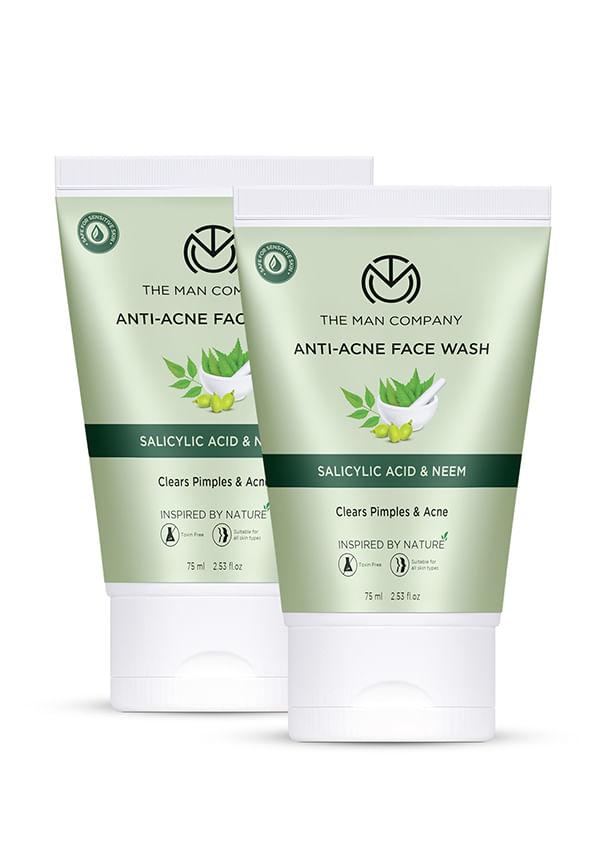
Anti- Acne
Oil-free cleansers are particularly beneficial for men with very oily or acne-prone skin, as they provide thorough cleansing without adding additional oils that could contribute to pore congestion. However, it's worth noting that not all oils are problematic—some non-comedogenic oils can actually benefit acne-prone skin. When layering with other acne treatments, use your oil-control face wash first, followed by any leave-on treatments such as serums or spot treatments. This order ensures that active ingredients can penetrate effectively whilst the cleanser prepares your skin by removing barriers to absorption. Seasonal adjustments to your routine can help maintain optimal results year-round. During humid summer months, you might need stronger oil control, whilst winter weather might require gentler formulations to prevent over-drying in heated indoor environments.
Blackheads form when pores become clogged with oil and dead skin cells, and the surface remains open, allowing oxidation to occur and create the characteristic dark appearance. Face washes for blackheads typically contain salicylic acid or other exfoliating ingredients that help dissolve these plugs and prevent new ones from forming. Hormonal acne patterns in men often correlate with stress, diet, or other lifestyle factors that influence hormone levels. These breakouts tend to be deeper and more inflammatory than typical acne, often requiring a combination approach that includes both topical treatments and lifestyle modifications. When combining treatments, introduce new products gradually to avoid overwhelming your skin. Start with your oil-control face wash as the foundation, then add other treatments one at a time, allowing your skin to adjust before introducing additional active ingredients. Professional treatment options, including dermatologist consultations, become important when over-the-counter approaches aren't providing adequate results. Don't hesitate to seek professional guidance if your acne is severe, causing scarring, or significantly impacting your confidence.
There's often confusion between oil cleansers and oil-control cleansers. Oil cleansers, which use non-comedogenic oils to dissolve makeup and sunscreen, can actually benefit some acne-prone skin types by thoroughly removing pore-clogging substances without over-drying. However, oil-control face washes, which are designed to reduce excess sebum production, are typically more appropriate for men with oily, acne-prone skin. The key is choosing non-comedogenic formulations that won't clog pores.
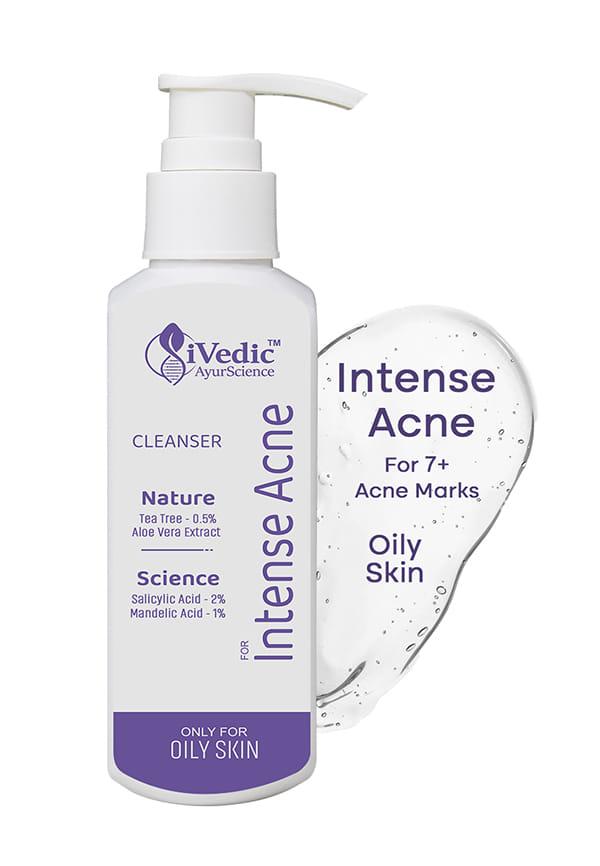
Acne End Face Wash | Only For Oily Skin with Intense Acne
The best face wash for men with oily skin and acne contains proven active ingredients like salicylic acid, niacinamide, or benzoyl peroxide in appropriate concentrations. Look for products specifically formulated for men's skin, which tends to be thicker and more resilient than women's skin. Budget-friendly options from brands like CeraVe or Neutrogena can be just as effective as premium alternatives, provided they contain the right active ingredients for your specific concerns.
Whilst 100% clear skin might not be realistic for everyone, significant improvement is achievable with consistent care and realistic expectations. A comprehensive approach includes proper cleansing with oil-control face washes, appropriate moisturising, sun protection, and lifestyle factors such as stress management, adequate sleep, and a balanced diet. Most people see noticeable improvements within 6-12 weeks of consistent routine adherence, but complete clearing may take longer and might require professional intervention.
Proper technique involves using lukewarm water (hot water can stimulate oil production), applying cleanser to damp skin with gentle circular motions for 30-60 seconds, and rinsing thoroughly. Avoid scrubbing harshly, as this can irritate acne and potentially spread bacteria. Pat your skin dry with a clean towel rather than rubbing, and follow immediately with appropriate treatments and moisturiser whilst your skin is still slightly damp to lock in hydration.
Understanding how oil-control face washes help men combat acne effectively empowers you to make informed decisions about your skincare routine. The key lies in choosing products with proven ingredients, maintaining consistency, and being patient with the process. Remember that healthy skin is a marathon, not a sprint, and the right oil-control face wash is just one component of a comprehensive approach to acne management. Smytten's curated selection includes numerous oil-control and acne-fighting cleansers from trusted brands, allowing you to explore different formulations and find what works best for your specific skin needs. With over 28 million users discovering their perfect skincare matches through the platform, you're in good company on your journey to clearer skin. The combination of expert curation and the ability to try before committing to full-size products makes finding your ideal oil-control face wash both affordable and confidence-building.
