
Skincare
•06 min read

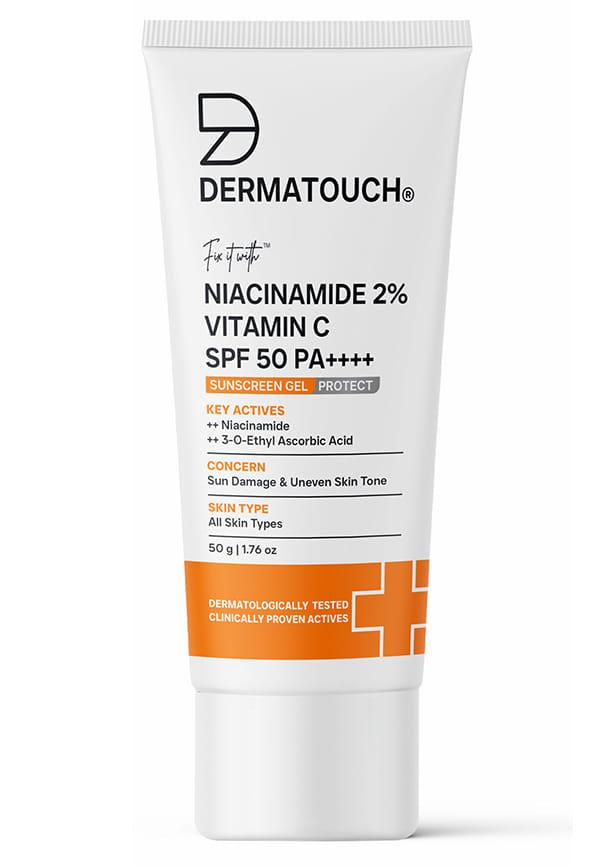
Niacinamide 2% Vitamin C Sunscreen for glowing skin, SPF 50+ PA ++++
Ever wondered why some people seem to have naturally glowing, resilient skin whilst others struggle with dryness and irritation? The secret might lie in understanding how niacinamide role in ceramide synthesis explained can transform your skincare routine. This powerhouse ingredient doesn't just sit on your skin's surface—it actually works at a cellular level to boost your skin's natural defence mechanisms. Let's dive into the fascinating science behind how vitamin B3 helps your skin create its own moisture-locking superpowers.
Niacinamide, also known as nicotinamide or vitamin B3, is basically your skin's best mate when it comes to cellular repair and protection. Unlike other forms of vitamin B3 that can cause flushing, niacinamide is gentle yet incredibly effective. Think of it as the reliable friend who always has your back—it works quietly behind the scenes to support your skin's natural processes.
The niacinamide benefits extend far beyond what meets the eye. This water-soluble vitamin plays a crucial role in cellular energy production by helping create NAD+ (nicotinamide adenine dinucleotide), which is essential for healthy cell function. When your skin cells have enough energy, they can perform their jobs properly—including producing the ceramides that keep your skin barrier strong and hydrated.
What makes vitamin B3 skin care so special is its versatility. Whether you're dealing with oily skin, dryness, or sensitivity, niacinamide adapts to what your skin needs most. It's like having a personalised skincare assistant that knows exactly how to help your skin thrive.
Picture your skin barrier as a brick wall—ceramides are the mortar that holds everything together. These waxy lipid molecules make up about 50% of your skin's outer layer, creating a protective barrier that keeps moisture in and irritants out. When your ceramides for skin are functioning properly, your complexion looks plump, smooth, and healthy.
Your skin naturally produces ceramides, but this production can slow down due to age, environmental stress, harsh skincare products, or genetics. When ceramide levels drop, your skin barrier function becomes compromised, leading to dryness, irritation, and that uncomfortable tight feeling we all know too well.
The fascinating thing about ceramides is their structure—they're made up of a fatty acid chain linked to a sphingoid base. This unique structure allows them to pack tightly together, creating an almost waterproof seal. It's like having a natural raincoat for your skin cells, protecting them from losing precious moisture whilst keeping harmful substances out.
Here's where things get really interesting—the niacinamide role in ceramide synthesis explained involves some pretty clever biochemistry. When you apply niacinamide to your skin, it gets converted into NAD+, which provides the energy your skin cells need to function optimally. This energy boost is crucial for ceramide synthesis because creating these complex lipids requires significant cellular resources.
Research published in the Journal of Investigative Dermatology shows that niacinamide specifically upregulates an enzyme called serine palmitoyltransferase (SPT). This enzyme is like the master chef in your skin's ceramide kitchen—it's responsible for the first step in the de novo ceramide biosynthesis pathway. When SPT activity increases, your skin can produce more ceramides naturally.
The process works through what scientists call the sphingolipid metabolic pathway. Niacinamide essentially gives your skin cells the tools and energy they need to ramp up ceramide production. It's not just adding ceramides from the outside—it's teaching your skin to make more of its own. This internal boost creates longer-lasting results compared to simply applying ceramides topically.
When niacinamide boosts your skin's natural ceramide production, the benefits are both immediate and long-term. Clinical studies have shown significant improvements in multiple skin parameters when this vitamin B3 powerhouse gets to work.
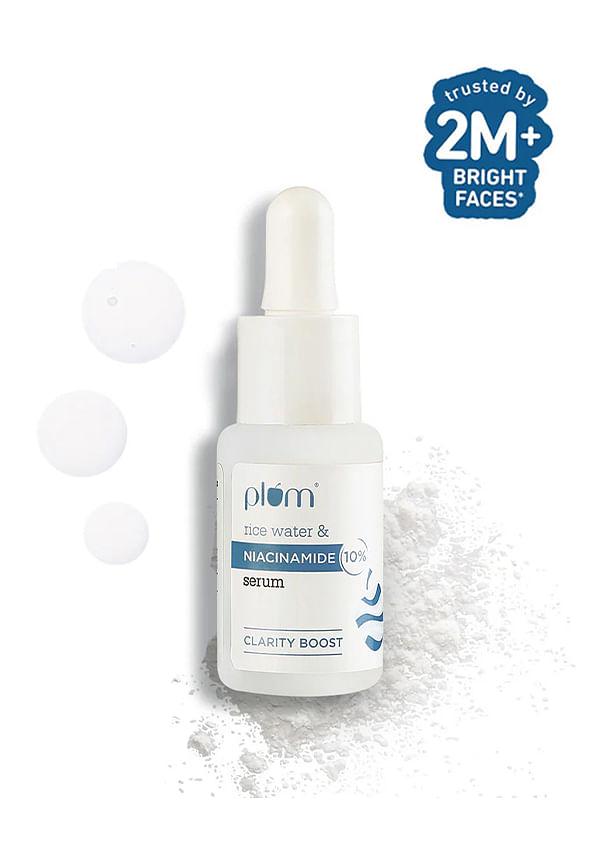
10% Niacinamide Face Serum For Clear Skin | Fades Blemishes| With Rice Water
Enhanced ceramide levels mean your skin barrier becomes more resilient and effective. Studies measuring trans-epidermal water loss (TEWL) show that regular niacinamide use can reduce moisture loss by up to 24%. Your skin literally becomes better at holding onto hydration, creating that coveted healthy glow from within.
With more ceramides working to lock in moisture, skin hydration levels increase dramatically. Users often notice their skin feels softer and looks more supple within just a few weeks. The improved moisture retention also helps to improve skin texture, reducing the appearance of fine lines and creating a smoother surface.
A stronger skin barrier means fewer irritants can penetrate and cause inflammation. Many people find that niacinamide helps reduce redness skin experiences, particularly if you have sensitive or reactive skin. The anti-inflammatory properties work alongside the barrier-strengthening effects to create a calmer, more balanced complexion.
Using niacinamide and ceramides together creates a skincare dream team. Whilst niacinamide works to boost your skin's natural ceramide production, topically applied ceramides provide immediate barrier support. It's like having both a long-term investment strategy and immediate relief for your skin.
The synergistic effects are particularly noticeable in people with compromised skin barriers. Studies show that combining these ingredients can improve barrier function by up to 40% more than using either ingredient alone. This makes perfect sense—you're supporting your skin's natural processes whilst also providing external reinforcement.
When formulating products with both ingredients, brands often use different molecular weights of ceramides to ensure optimal penetration. Smaller ceramide molecules can penetrate deeper into the skin, whilst larger ones work on the surface. Meanwhile, niacinamide works at the cellular level to boost production of all types of ceramides your skin needs.
Getting the most out of niacinamide skincare requires understanding how to use it effectively. The good news is that niacinamide is one of the most user-friendly active ingredients—it plays well with others and rarely causes irritation when used correctly.
Most effective niacinamide products contain between 2-10% of the active ingredient. If you're new to niacinamide, start with a 2-5% concentration to let your skin adjust. Higher concentrations aren't necessarily better—studies show that 5% niacinamide is often just as effective as 10% for most skin concerns.
Niacinamide can be used both morning and evening, making it incredibly versatile. Apply it after cleansing but before heavier moisturisers or oils. If you're using other active ingredients like retinol or vitamin C, niacinamide actually helps buffer potential irritation whilst enhancing their effectiveness.
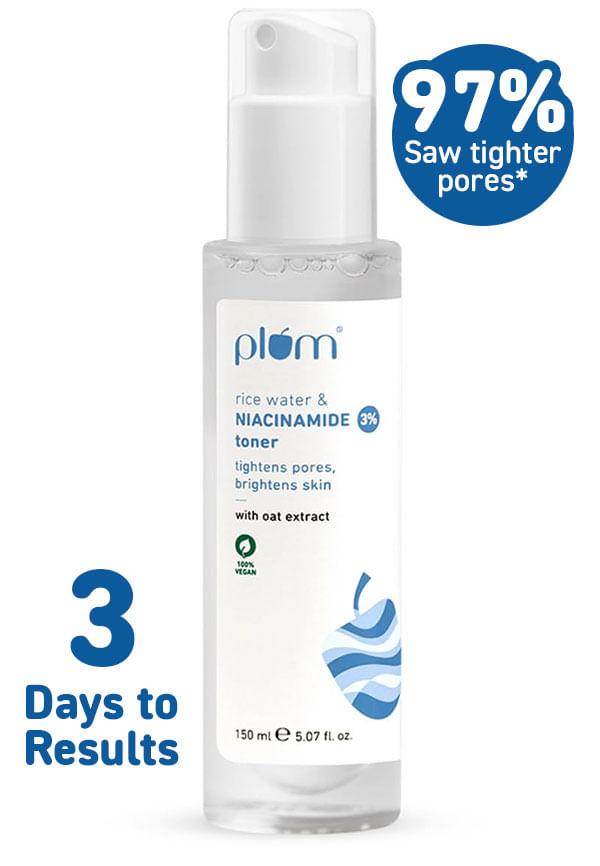
3% Niacinamide Toner with Rice Water
Most people start noticing improvements in skin texture and hydration within 2-4 weeks of consistent use. The ceramide-boosting effects build over time, with maximum benefits typically seen after 8-12 weeks of regular application. Patience is key—you're literally training your skin to function better.
For those looking to explore different niacinamide formulations, Smytten offers curated trial packs from trusted brands, letting you discover which products work best for your skin before committing to full sizes. With over 1,500 brands available, you can try various niacinamide serums and treatments to find your perfect match.
Yes, research confirms that niacinamide stimulates de novo ceramide synthesis by upregulating key enzymes like serine palmitoyltransferase. This means your skin produces more of its own natural ceramides, creating longer-lasting barrier improvements compared to topical ceramide application alone.
Absolutely! Using ceramides and niacinamide together creates synergistic effects. Niacinamide boosts your skin's natural ceramide production whilst topical ceramides provide immediate barrier support. This combination can improve skin barrier function by up to 40% more than using either ingredient alone.
Apply niacinamide first due to its thinner consistency and smaller molecular size. Follow with ceramide-containing products like moisturisers or serums. This allows niacinamide to penetrate effectively and stimulate natural ceramide production before you add external ceramide support.
Most people notice initial improvements in skin texture and hydration within 2-4 weeks. The ceramide-boosting effects build over time, with maximum benefits typically visible after 8-12 weeks of consistent use. Remember, you're supporting your skin's natural processes, which takes time to show full results.
Studies show that 5% niacinamide is often just as effective as higher concentrations for most skin concerns. If you're new to niacinamide, start with 2-5% to allow your skin to adjust. Higher percentages aren't necessarily better and may cause unnecessary irritation in sensitive individuals.
Understanding the niacinamide role in ceramide synthesis explained opens up a whole new approach to skincare. Rather than just treating symptoms, you're actually supporting your skin's natural ability to protect and repair itself. This vitamin B3 powerhouse works at the cellular level to boost ceramide production, creating stronger barriers, better hydration, and healthier-looking skin overall.
The beauty of this approach is its sustainability—you're not just adding temporary fixes but actually improving your skin's long-term function. Whether you're dealing with dryness, sensitivity, or simply want to maintain healthy skin, incorporating niacinamide into your routine can make a real difference.
With Smytten's extensive range of trial packs from over 1,500 trusted brands, you can explore different niacinamide formulations without the commitment of full-size purchases. The platform's Trial Points system lets you get up to 8 minis for just ₹249, with 100% cashback redeemable for future orders. This makes it easier than ever to find the perfect niacinamide products that work for your unique skin needs. After all, why settle for maybe when you can try it all and discover what truly works for your skin?
