How Much SPF Do You Really Need for Daily Protection?

How Much SPF Do You Really Need for Daily Protection?
Published Date - 25 February 2026
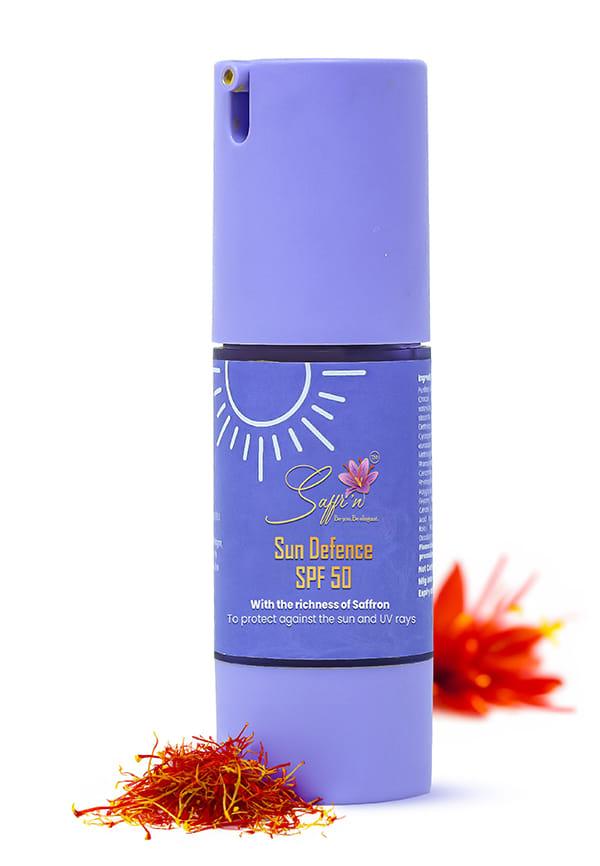
Sun Defence SPF 5030 ml

Saffr'n

Sun Defence SPF 50

129978 % OFF
286
Let's be real—standing in the sunscreen aisle can feel like solving a maths equation. SPF 15, 30, 50, 100... what's the actual difference, and how much SPF do you really need for daily protection? If you've ever wondered whether you're overdoing it with SPF 50 or underdoing it with SPF 30, you're not alone. The truth is, most of us are either confused about SPF numbers or making application mistakes that reduce our protection. Here's everything you need to know about choosing the right SPF level and using it properly to keep your skin safe without the guesswork.

Understanding SPF: What the Numbers Actually Mean

Those SPF numbers aren't just random marketing figures—they represent how much longer you can stay in the sun before burning compared to unprotected skin. But here's where it gets interesting: the protection difference between SPF levels isn't as dramatic as you might think.

The Science Behind SPF Ratings

SPF 30 blocks about 97% of UVB rays, while SPF 50 blocks 98%—just a 1% difference. SPF 100 only bumps that up to 99%. The sun protection factor formula works like this: if you normally burn in 10 minutes, SPF 30 theoretically extends that to 300 minutes. However, this calculation assumes perfect application, which rarely happens in real life. The jump from SPF 15 (93% protection) to SPF 30 is much more significant than from SPF 30 to SPF 50. That's why dermatologists consistently recommend SPF 30 as the sweet spot for daily use.

SPF vs. Broad Spectrum Protection

Here's what many people miss: SPF only measures UVB protection, the rays that cause burning. UVA rays, which penetrate deeper and cause ageing and skin damage, need separate protection. This is where broad spectrum sunscreen becomes non-negotiable. Look for products that mention PA ratings (PA+, PA++, PA+++) alongside SPF—these indicate UVA protection levels. Without broad spectrum coverage, you're only getting half the protection you need.

The SPF 30 vs. SPF 50 Debate: Which Should You Choose?

The choice between SPF 30 and 50 isn't just about numbers—it's about your lifestyle, skin type, and how you actually use sunscreen SPF products. Both offer excellent protection when applied correctly, but certain situations call for higher protection.
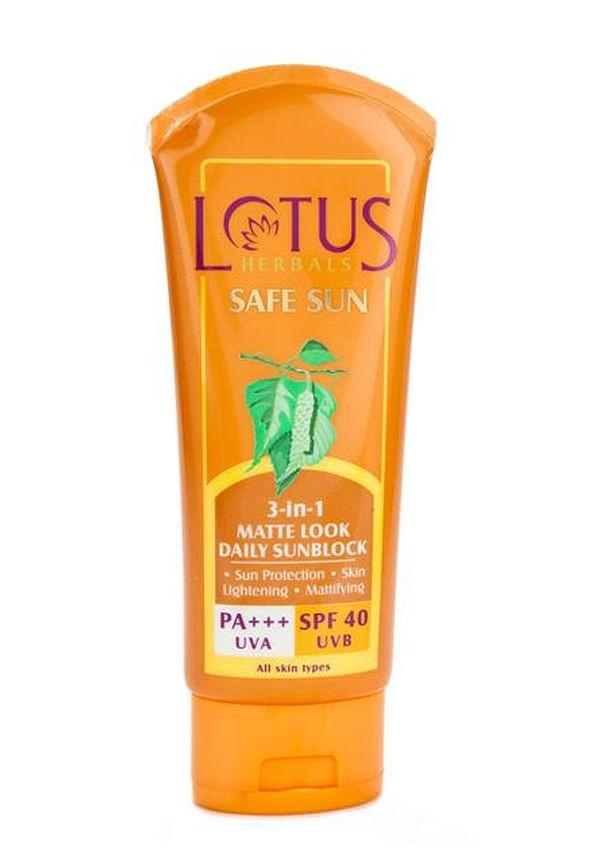
Safe Sun 3 In 1 Matte-Look Daily Sunscreen SPF 40 PA+++75 gm

Lotus Herbals

Safe Sun 3 In 1 Matte-Look Daily Sunscreen SPF 40 PA+++

41540 % OFF
249

Daily SPF Requirements by Lifestyle

If you're mostly indoors with brief outdoor exposure, daily SPF 30 provides adequate protection. Office workers, students, and anyone spending less than 30 minutes outside can confidently choose SPF 30. For outdoor enthusiasts, gardeners, or anyone with extended sun exposure, SPF 50 offers a safety buffer. The extra protection becomes valuable when you're sweating, swimming, or might forget to reapply on schedule. High-altitude activities and water sports require SPF 50 minimum. UV rays intensify at elevation, and water reflection can increase exposure by up to 15%.

Skin Type and Geographic Considerations

Fair skin that burns easily benefits from SPF 50, especially during peak UV hours. However, darker skin tones still need protection—melanin provides roughly SPF 4 natural protection, which isn't enough against daily UV damage. Your location matters too. Mumbai's coastal UV index differs from Delhi's continental climate. Check local UV forecasts and adjust your SPF protection accordingly. Monsoon clouds don't block UV rays as much as you'd think.

How to Apply Sunscreen Correctly for Maximum Protection

Even the highest SPF won't protect you if applied incorrectly. Most people use about half the recommended amount, which can reduce protection by up to 50%. Proper sunscreen application is more important than choosing between SPF 30 and 50.

The Two-Finger Rule for Face and Neck

For your face and neck, squeeze sunscreen along two fingers from base to tip—that's roughly 1/4 teaspoon. It might seem like a lot, but this amount ensures even coverage. Apply in dots across your forehead, cheeks, nose, and chin, then blend outward. Don't forget often-missed spots: hairline, ears, and the area around your eyes. Many people skip these zones, leading to uneven protection and potential burning.

Full Body Coverage Guidelines

For full body protection, you need about one ounce (30ml)—imagine a shot glass full of sunscreen. Divide this between major body zones: arms, legs, torso, and back. Apply in sections rather than trying to cover everything at once. Pay special attention to shoulders, tops of feet, and any areas where clothing might shift throughout the day. These spots get forgotten but receive significant UV exposure.

Daily SPF Routine: When and How Often to Reapply

Timing your SPF for face
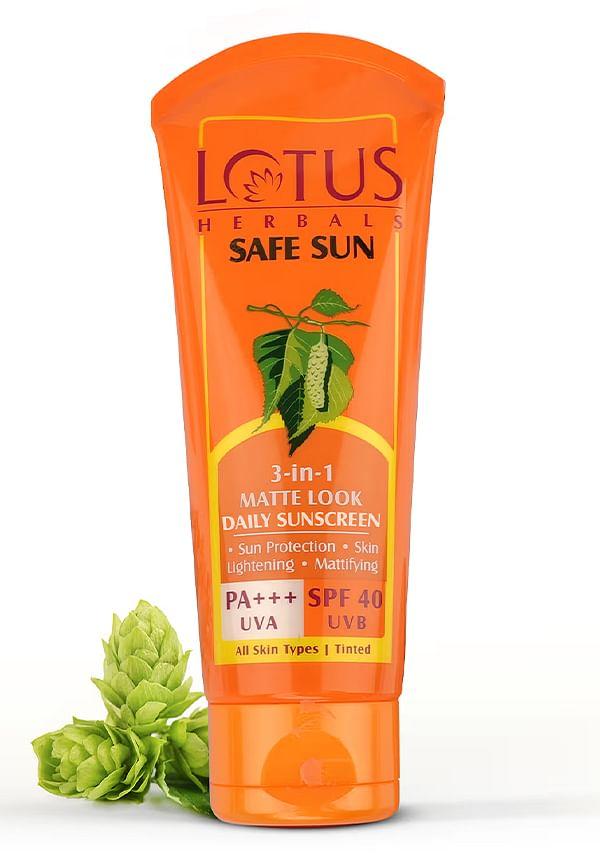
Safe Sun 3 In 1 Matte-Look Daily Sunscreen SPF 40 PA+++100 gm

Lotus Herbals

Safe Sun 3 In 1 Matte-Look Daily Sunscreen SPF 40 PA+++

48040 % OFF
288
application and knowing when to reapply can make or break your sun protection strategy. It's not just about slapping it on once and forgetting about it.

Morning Application Best Practices

Apply sunscreen as the last step in your morning skincare routine, after moisturiser but before makeup. Wait 15-20 minutes before heading outside to let it properly absorb and form a protective barrier. If you're using makeup with SPF, don't rely on it alone. Foundation and BB creams rarely provide even coverage or sufficient quantity for proper protection. Layer your base sunscreen underneath for reliable coverage.

Reapplication Schedule and Methods

The golden rule: reapply every two hours when outdoors, regardless of your initial SPF level. This isn't about the sunscreen "wearing off"—it's about maintaining even coverage as you move, touch your face, or sweat. For makeup wearers, powder sunscreens or setting sprays with SPF make reapplication easier. Alternatively, gently pat liquid sunscreen over makeup in a pressing motion rather than rubbing.

Special Considerations for Different Scenarios

Not all skin types and situations are created equal when it comes to sun protection. Understanding these nuances helps you make smarter choices about your sunscreen guide approach.

SPF for Oily and Acne-Prone Skin

Oily skin doesn't need different SPF levels, but it does benefit from specific formulations. Look for gel-based or water-based sunscreens that won't clog pores or add unwanted shine. Zinc oxide and titanium dioxide are excellent choices for sensitive or acne-prone skin. These mineral ingredients provide broad spectrum protection without irritation, though they may leave a slight white cast initially.

Face-Specific SPF Requirements

Facial skin is thinner and more delicate than body skin, making it more susceptible to UV damage. Many people use separate face and body sunscreens—face formulas are typically lighter and designed to work under makeup. Don't forget your lips, which have minimal natural protection. Use a lip balm with at least SPF 15, and reapply frequently since it wears off with eating and drinking.

Common SPF Myths and Mistakes to Avoid

Sunscreen confusion leads to protection gaps that can compromise your skin health. Let's clear up the most persistent myths that might be affecting your sunscreen application routine.

Debunking Popular SPF Misconceptions

Myth: Higher SPF lasts longer. Reality: All sunscreens need reapplication every two hours, regardless of SPF level. SPF 100 doesn't give you all-day protection. Myth: You don't need sunscreen on cloudy days. Reality: Up to 80% of UV rays penetrate clouds. Your skin can still burn on overcast days, especially during peak hours. Myth: Makeup with SPF is enough. Reality: You'd need to apply makeup much thicker than normal to get the stated SPF protection. Always use dedicated sunscreen underneath.
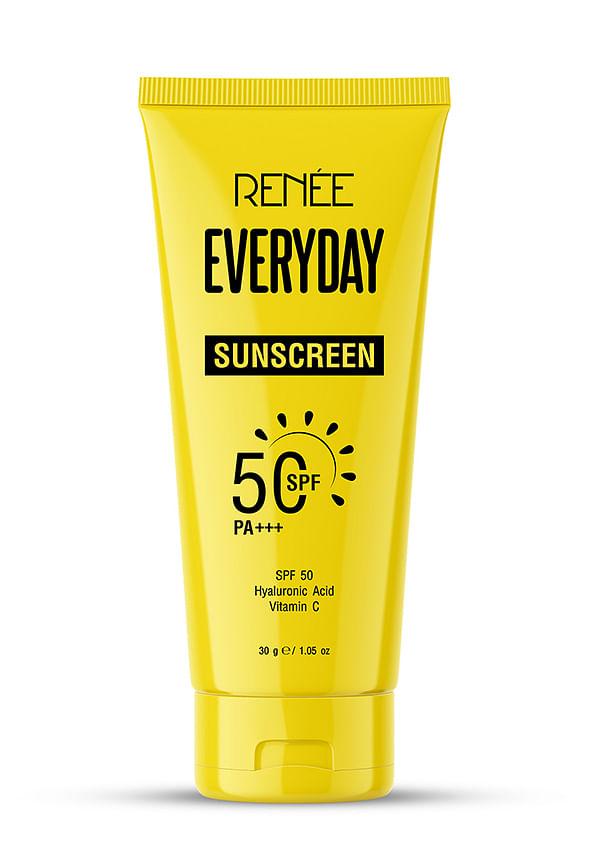
Everyday SPF 50 Sunscreen30 gm

RENEE

Everyday SPF 50 Sunscreen

199

Application Errors That Reduce Protection

The biggest mistake? Using too little product. Most people apply about 25-50% of the recommended amount, which can cut protection in half. Uneven application creates weak spots in your protection. Rushing through application or missing areas like ear tips and eyelids leaves you vulnerable to burning and damage. Applying sunscreen right before sun exposure doesn't give it time to properly absorb. Apply 15-20 minutes before heading outside for optimal protection. With so many sunscreen SPF options available, finding the right products for your needs doesn't have to involve expensive trial and error. Smytten offers curated trial packs from trusted brands like Cetaphil and Dot & Key, letting you test different formulations before committing to full-size purchases. You can explore various SPF levels and textures through mini-sized products, making it easier to discover what works best for your skin type and lifestyle.

Frequently Asked Questions

Is SPF 30 or 50 better for daily use?

For daily use, SPF 30 is sufficient as it blocks 97% of UVB rays. SPF 50 blocks 98%—only a 1% difference. However, SPF 50 provides a safety margin if you tend to under-apply or forget to reapply on schedule.

How much SPF do you need for your body vs. face?

Use 1/4 teaspoon for face and neck, and about one ounce (shot glass amount) for full body coverage. The SPF level should be the same—at least SPF 30 for both face and body.

Do you need different SPF levels for oily skin?

SPF requirements don't change based on skin type, but oily skin benefits from gel-based or non-comedogenic formulations. Stick with SPF 30 minimum regardless of your skin type.

Is SPF 25 enough for daily protection?

SPF 25 blocks 96% of UVB rays, but dermatologists recommend SPF 30 minimum for adequate daily protection. The jump from SPF 25 to 30 provides meaningful additional protection.

How often should you reapply SPF during the day?

Reapply every two hours when outdoors, immediately after swimming or heavy sweating, and before any prolonged sun exposure. This applies regardless of your initial SPF level.

Final Thoughts

The question of how much SPF needed for daily protection comes down to consistency over perfection. SPF 30 applied properly and reapplied regularly beats SPF 100 applied once and forgotten. Focus on finding a broad spectrum sunscreen you'll actually use every day, whether that's SPF 30 or 50. Remember, the best sunscreen is the one you'll apply correctly and consistently. Don't get caught up in SPF number wars—proper application technique and regular reapplication matter more than choosing between SPF 30 and 50. Your skin will thank you for the daily protection, regardless of which number you choose.
Sangria Experience Logo
Document